
For many, the allure of travel is often tempered by the daunting prospect of flight costs. The price of an airline ticket can fluctuate wildly, often leaving travelers feeling like they’re playing a high-stakes game of chance. Is there a secret formula? A perfect moment when airfares magically drop to their lowest point? While there’s no single, universally applicable answer, understanding the intricate dynamics of airline pricing and applying smart financial strategies can significantly improve your chances of securing the best deals. This article delves into the core principles of flight pricing, deciphers optimal booking windows, and equips you with actionable insights to become a more financially savvy traveler, ensuring your dream trip doesn’t break the bank.
The Core Principles of Flight Pricing Dynamics
At the heart of flight ticket pricing is a sophisticated and ever-evolving system designed to maximize airline revenue. It’s far more complex than a simple supply-and-demand curve, involving a myriad of variables that continuously interact and influence the final price you see. Understanding these underlying mechanisms is the first step toward making informed booking decisions and saving money.
Understanding Airline Revenue Management
Airlines employ highly advanced revenue management systems, powered by complex algorithms, to set and adjust ticket prices. These systems analyze vast amounts of data, including historical booking patterns, competitor pricing, current demand for specific routes, fuel costs, seasonal trends, and even the likelihood of a passenger purchasing ancillary services (like baggage or seat selection). The goal is to sell the right seat to the right customer at the right price, at the right time. This means prices are dynamic, changing not just daily, but sometimes hourly, in response to real-time market conditions and predicted future demand. They segment passengers into different “fare classes,” each with distinct pricing and rules, even if they’re sitting in the same physical cabin.
The Impact of Supply and Demand
While algorithms are complex, the fundamental economic principle of supply and demand remains a powerful force. When demand for a particular flight or route is high – perhaps due to a major holiday, a popular event, or a peak travel season – prices naturally escalate. Conversely, during off-peak periods or less popular routes, where airlines need to fill seats, prices tend to be lower. This is why flying to a popular beach destination during spring break will invariably cost more than flying there in the shoulder season. Similarly, routes with limited direct flights or fewer competing airlines often command higher prices due to reduced supply and competition. Airlines closely monitor how quickly seats are filling up, and if a flight is selling out fast, prices for the remaining seats will climb.
The “Sweet Spot” Theory
Through extensive analysis of historical flight data, travel experts and aggregators have identified what’s often referred to as the “sweet spot” – a general booking window during which prices for a given flight tend to be at their lowest before rising again closer to the departure date. This isn’t a fixed rule but rather a statistical average. Booking too early might mean missing out on sales or adjustments, as airlines haven’t yet fine-tuned their pricing for the future date. Booking too late, however, typically means you’re paying premium prices for the remaining seats, which are often snapped up by last-minute business travelers or those with urgent needs. The “sweet spot” represents the period when airlines are trying to stimulate demand without giving away seats too cheaply, finding the optimal balance for their revenue goals.
Decoding the Optimal Booking Windows
Identifying the ideal booking window is perhaps the most critical financial strategy for securing cheaper flights. This window isn’t static; it varies significantly based on whether you’re traveling domestically or internationally, and whether your travel dates fall during peak or off-peak seasons. Mastering these nuances can lead to substantial savings.
Domestic Flights: The 1-3 Month Rule
For most domestic flights within a single country, the general consensus points to booking roughly 1 to 3 months (4 to 12 weeks) in advance as the prime “sweet spot.” During this period, airlines typically have a good understanding of demand and are looking to fill seats steadily without resorting to steep discounts or inflating prices for last-minute urgency. Booking too far in advance (e.g., 6+ months) might mean you miss out on potential sales or fare adjustments that occur closer to departure. Conversely, waiting until the last few weeks (especially less than 2 weeks) before your flight almost guarantees higher prices, as airlines anticipate that those booking at this stage have less price sensitivity and are willing to pay more for convenience or necessity.
International Flights: Aiming for 2-8 Months Out
International travel generally requires a longer lead time for optimal pricing. The recommended booking window for international flights typically ranges from 2 to 8 months in advance. This extended period is due to several factors: international routes often have fewer flights and carriers, higher demand, and greater competition for specific dates. Booking well in advance allows airlines to gauge demand and offer competitive rates to fill their long-haul flights. Prices tend to creep up steadily as the departure date approaches, with significant spikes occurring in the final few weeks. If you’re traveling to a highly popular international destination or during peak seasons (e.g., European summer, Asian holidays), leaning towards the earlier end of this window (6-8 months) is often a wise financial move.
Last-Minute Deals: A Risky Gamble
The romantic notion of stumbling upon a fantastic last-minute flight deal is largely a relic of the past, particularly for leisure travelers. While airlines occasionally release discounted seats if a flight is severely undersold, these instances are rare and usually confined to less popular routes or off-peak travel times. For popular routes or peak seasons, last-minute bookings are almost invariably the most expensive option. Airlines know that travelers booking within a few days or weeks of departure are likely doing so out of necessity (business travel, emergencies, spontaneous high-budget trips) and are less price-sensitive. Relying on a last-minute deal is a high-risk financial strategy that often leads to disappointment and a significantly lighter wallet. It’s generally advisable to plan and book in advance to secure the best financial outcomes.
Holiday and Peak Season Travel: Book Further in Advance
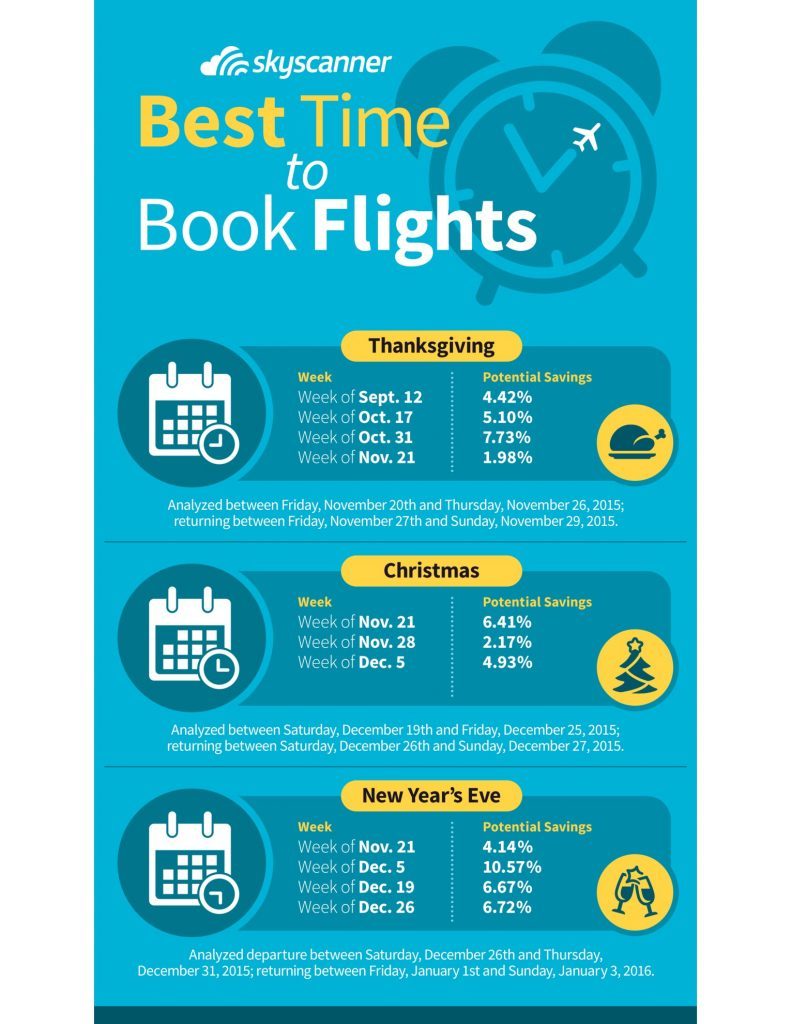
When your travel plans align with major holidays (e.g., Christmas, Thanksgiving, New Year’s, Easter), school breaks, or peak tourist seasons for your destination, the traditional booking windows need to be extended significantly. For these high-demand periods, where flights are consistently full and prices are at their highest, it’s financially prudent to book 6 to 12 months in advance. Airlines capitalize heavily on guaranteed demand during these times, and prices will only climb higher as the dates approach. Waiting even for the standard “sweet spot” for domestic or international travel during these periods can mean missing out on reasonable fares entirely and being left with exorbitant options. Early planning is paramount to mitigate these predictable price surges.
Leveraging Days of the Week and Time for Maximum Savings

Beyond the months leading up to your trip, the specific day of the week you choose to book and the day you choose to fly can also have a noticeable financial impact. While these factors might offer smaller savings compared to the overall booking window, every little bit counts when optimizing your travel budget.
Best Day to Book: Tuesday or Wednesday
Conventional wisdom, supported by some historical data analysis, suggests that Tuesdays and Wednesdays are often the best days to find cheaper flights. The theory behind this is that many airlines release their weekly sales and adjust fares on Monday evenings. By Tuesday morning, competitors have had a chance to match these prices, leading to a brief window where a wider array of cheaper fares might be available. By late Wednesday or Thursday, prices tend to creep up as weekend travel planning begins and demand increases. While this isn’t a hard and fast rule every single week, it’s a worthwhile consideration for budget-conscious travelers to check prices during these mid-week periods.
Best Day to Fly: Mid-Week Savings
The day you actually fly also plays a significant role in your ticket’s cost. Generally, flying on Tuesdays, Wednesdays, and often Saturdays tends to be cheaper than flying on other days. Weekends (Friday and Sunday) are typically the most expensive days to fly, driven by leisure travelers maximizing their time off and business travelers commuting for the start or end of the work week. Similarly, Monday mornings can be pricey due to business travel. If your schedule allows for flexibility, opting for a mid-week departure and return can shave a noticeable percentage off your total airfare. For example, a flight departing on a Tuesday and returning on a Saturday is often more economical than a Friday-Sunday round trip.
The Myth of Midnight Deals
A common misconception is that booking flights at specific late-night hours, such as midnight, yields significantly better deals. The idea often stems from the belief that airline systems reset or release new fares overnight. While prices are indeed dynamic and can change at any time, there’s no consistent evidence to suggest that booking at midnight or any other specific hour of the day consistently offers superior savings. Airline pricing engines operate continuously, reacting to demand and competition in real-time. Rather than focusing on a specific time of day, your efforts are better spent on tracking prices over a period, utilizing price alerts, and booking within the optimal windows discussed earlier. The focus should be on consistent monitoring and strategic timing, not chasing elusive hourly discounts.
Smart Financial Strategies Beyond Just Timing
While timing is crucial, a holistic approach to securing cheaper flights involves several other smart financial strategies. These tactics go beyond mere booking windows and empower you with tools and habits that lead to consistent savings.
Price Tracking Tools and Alerts
In today’s digital age, leveraging technology is paramount for smart financial management of travel. Various online platforms and apps (e.g., Google Flights, Skyscanner, Kayak, Hopper) offer robust price tracking capabilities. These tools allow you to set up alerts for specific routes and dates, notifying you via email or push notification when the price drops to your desired range or when significant fluctuations occur. This eliminates the need for constant manual checking and ensures you’re immediately aware of potential savings opportunities. Integrating these tools into your financial planning for travel allows you to be proactive rather than reactive, catching the “sweet spot” without constant vigilance.
Flexibility is Your Financial Friend
One of the most potent weapons in a budget traveler’s arsenal is flexibility. Being flexible with your travel dates, departure/arrival airports, and even your destination can unlock immense savings. Shifting your departure or return by just a day or two, especially to include a mid-week flight, can significantly reduce costs. If you live near multiple airports, checking prices from all of them can reveal cheaper options. Furthermore, if your primary goal is simply to “get away,” using features like “explore anywhere” on flight search engines can reveal surprisingly affordable destinations you hadn’t considered, opening up new travel possibilities within your budget. This adaptability directly translates into greater financial control over your travel expenses.
Consider Budget Airlines and Layovers
Budget airlines have revolutionized travel by offering significantly lower base fares, though often with additional charges for services like checked baggage, seat selection, and even carry-on bags. For the financially astute traveler, understanding their pricing model and being willing to forgo certain amenities can lead to substantial savings, especially on short-to-medium haul flights. Similarly, accepting flights with layovers instead of direct routes can often result in much cheaper tickets. While they might extend your travel time, the financial trade-off can be significant. Always calculate the total cost, including any additional fees, when comparing budget airline options or flights with multiple connections.
Harnessing Credit Card Rewards and Loyalty Programs
Smart use of credit card rewards and airline loyalty programs represents a sophisticated financial strategy for reducing flight costs. Many travel-focused credit cards offer generous sign-up bonuses in points or miles, which can be redeemed for free or heavily discounted flights. Accumulating points through everyday spending and strategically using co-branded airline cards can significantly offset your travel expenses. Similarly, enrolling in airline loyalty programs allows you to earn miles with each flight, which can then be redeemed for future travel, upgrades, or other benefits. Understanding how these programs work and leveraging them effectively is a powerful way to make your money work harder for your travel aspirations.
Understanding Fare Classes and Refund Policies
A critical financial aspect often overlooked is the difference in fare classes and their associated terms. Basic Economy, while offering the lowest initial price, often comes with severe restrictions: no seat selection, strict baggage rules, no changes, and no refunds. As you move up to standard Economy or Flexible Economy, the price increases, but so does your flexibility, typically allowing for changes or cancellations (sometimes for a fee). Before booking, always read the fine print regarding change fees, cancellation policies, and baggage allowances. Choosing the absolute cheapest fare might seem like a win initially, but incurring unexpected fees or losing the entire ticket cost due to a change in plans can quickly turn it into a financial loss. Aligning the fare class with your likely travel needs and flexibility is a financially prudent decision.

Conclusion
Booking a flight ticket at the “best” time is less about finding a single magic hour and more about adopting a strategic, financially informed approach. It requires understanding the intricate ballet of airline revenue management, recognizing the impact of supply and demand, and applying proven booking windows for both domestic and international travel. By leveraging price tracking tools, embracing flexibility in your travel plans, intelligently considering budget options, and capitalizing on credit card rewards and loyalty programs, you can transition from a hopeful price-watcher to a savvy financial orchestrator of your travel budget. There’s no crystal ball, but with diligence, awareness, and the right strategies, you can consistently unlock significant savings, making your travel dreams a more affordable and attainable reality.
aViewFromTheCave is a participant in the Amazon Services LLC Associates Program, an affiliate advertising program designed to provide a means for sites to earn advertising fees by advertising and linking to Amazon.com. Amazon, the Amazon logo, AmazonSupply, and the AmazonSupply logo are trademarks of Amazon.com, Inc. or its affiliates. As an Amazon Associate we earn affiliate commissions from qualifying purchases.