
The quest for the cheapest plane ticket is a universal pursuit for travelers worldwide. Whether planning a dream vacation, a critical business trip, or a visit to loved ones, the cost of airfare can significantly impact your overall budget. For decades, the common wisdom suggested a magical “best day” – typically a Tuesday or Wednesday – when airlines supposedly dropped their prices. However, in the sophisticated, algorithm-driven world of modern air travel, this simple truism has largely become a myth. Understanding how airline pricing truly works is the first step toward becoming a savvy traveler and mastering the art of purchasing affordable flights, ultimately saving you a significant amount in your personal finance journey.
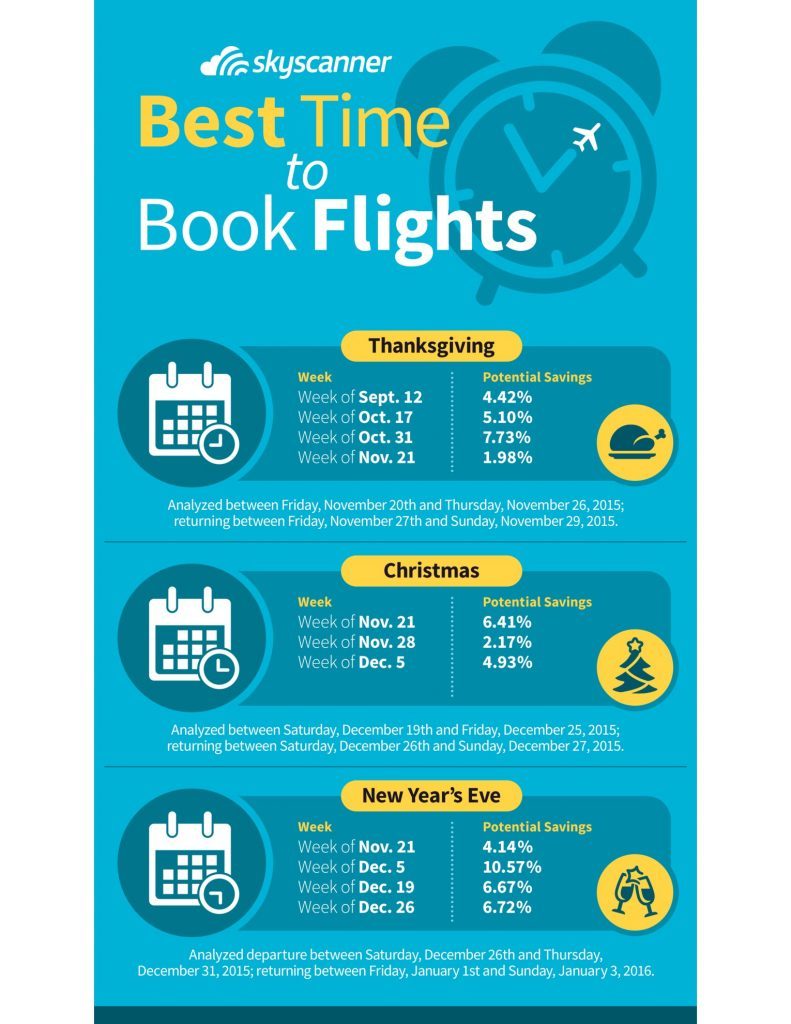
This article delves into the intricacies of airline ticket pricing, demystifying the factors that influence fares, and providing actionable strategies to identify not just the “best day,” but the optimal window and methods to secure the most economical flights. We will explore the dynamic nature of airfare, equip you with tools to track prices, and empower you with knowledge that extends far beyond a single day of the week, ensuring your travel budget stretches further.
The Myth of the Single “Best Day”
For years, the internet and travel lore propagated the idea that certain days of the week, particularly Tuesdays and Wednesdays, offered the lowest flight prices. While there might have been a kernel of truth to this in a less automated era, modern airline pricing is a far more complex and fluid system. Relying solely on a specific day can lead to missed opportunities and, ironically, higher costs.
Understanding Dynamic Pricing
Modern airline pricing is governed by sophisticated algorithms that operate on a principle called dynamic pricing. This means ticket prices are not static; they fluctuate continuously based on a multitude of real-time factors. Airlines employ highly advanced software that analyzes vast amounts of data, including:
- Demand: How many people are searching for and booking flights on a particular route and date. High demand equals higher prices.
- Supply: The number of available seats on a given flight. As seats fill up, remaining seats often increase in price, especially in popular fare classes.
- Competitor Pricing: Airlines constantly monitor each other’s fares and adjust their own to remain competitive while maximizing revenue.
- Historical Data: Past sales patterns for specific routes, seasons, and events are used to predict future demand and set initial prices.
- Fuel Costs: Fluctuations in crude oil prices can indirectly affect ticket prices over time, as fuel is a major operational cost for airlines.
- Booking Class Availability: Airlines divide seats into different “fare classes” (e.g., economy, premium economy, business), each with its own pricing tiers and rules. As cheaper fare classes sell out, only more expensive ones remain.
This dynamic system means that prices can change not just daily, but hourly, or even minute-by-minute. A flight you saw at one price in the morning could be significantly different by evening, irrespective of the day of the week.
Factors Influencing Ticket Prices
Beyond the real-time dynamics, several macro factors fundamentally influence how much you’ll pay for a plane ticket:
- Seasonality: Travel during peak seasons (summer, major holidays like Christmas, Thanksgiving, Spring Break) is always more expensive due to higher demand. Off-peak travel typically offers lower fares.
- Special Events: Major sporting events, festivals, concerts, or conferences in a destination can drive up flight prices for that specific period.
- Route Popularity: Highly sought-after routes, especially those with limited direct flights, tend to be more expensive than routes with multiple airline options or less demand.
- Booking Lead Time: This is perhaps one of the most significant factors, and it’s where the idea of an “optimal booking window” comes into play, rather than a single day.
Unveiling the Optimal Booking Window
Instead of focusing on a specific day of the week to click “buy,” a far more effective strategy for personal finance in travel is to understand the “optimal booking window” – the period before your desired departure date when prices are generally at their lowest. This window varies significantly depending on whether you’re flying domestically or internationally.
The “Sweet Spot” for Domestic Flights
For domestic travel within your country, the consensus among travel experts and data analysis points to a booking window of 1 to 3 months out from your departure date.
- Too Early: Booking more than 3-4 months in advance often means you’re paying higher initial “bucket” prices as airlines haven’t yet begun to adjust fares based on demand.
- The Sweet Spot: Within the 1-3 month window, airlines start to fine-tune their pricing. They want to fill seats without giving them away too cheaply, so prices often stabilize and can even dip.
- Too Late: As you approach the departure date (especially within 2 weeks), prices tend to skyrocket. Airlines know that last-minute travelers, often business travelers or those with emergencies, are less price-sensitive and willing to pay a premium.
International Travel Considerations
International flights require a significantly longer lead time due to greater demand fluctuations, fewer flight options, and often higher base costs. The optimal booking window for international travel typically ranges from 2 to 8 months out.
- Further in Advance: For popular international routes, especially during peak seasons, booking 6-8 months out can secure excellent early-bird deals.
- Mid-Range: 2-5 months out is often still a good period for a decent price, but the absolute best deals might have passed.
- Last-Minute International: This is almost always a bad idea, as international fares tend to rise dramatically closer to the departure date.
Last-Minute vs. Too Early: A Balancing Act
While booking within the optimal window is generally best, it’s worth understanding the exceptions:
- Last-Minute Deals (Rare): Occasionally, if a flight is severely undersold, airlines might drop prices a day or two before departure to fill remaining seats. This is a high-risk, low-reward gamble and not a reliable strategy for planned travel.
- Booking Too Early: As mentioned, booking too far in advance can mean you miss out on later sales or price drops. However, for extremely popular routes or non-negotiable dates (e.g., holiday travel), booking early secures your spot and provides peace of mind, even if it’s not the absolute lowest price.
Leveraging Days of the Week for Savings
While there’s no single “best day to buy,” there are insights into which days of the week might offer better buying conditions or lower prices if you can be flexible with your travel days.
The Monday-Tuesday “Trick”
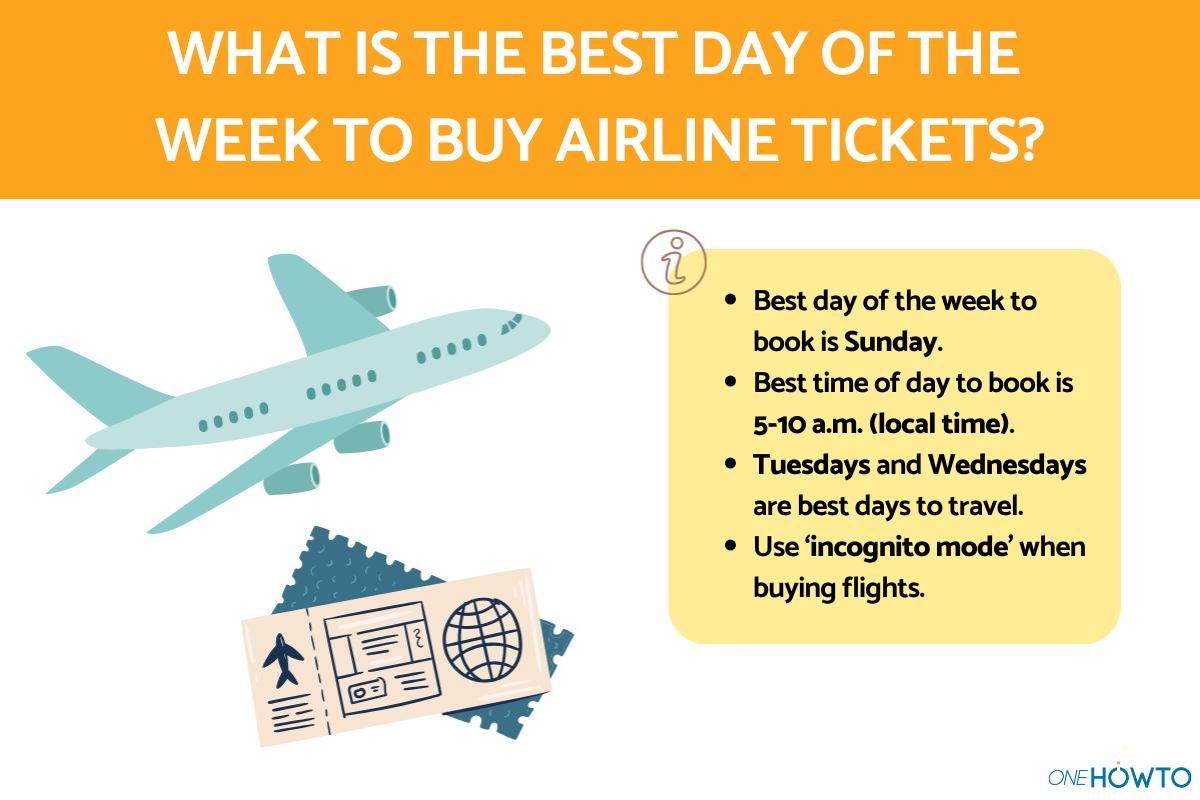
The lingering idea that Tuesdays are the best day to buy stems from a historical practice where airlines would launch sales on Monday evenings, and competing airlines would match those prices by Tuesday morning. While less rigid now, some residual patterns persist:
- Fare Resets: Airlines still often release new fare sales or adjust prices at the beginning of the week, typically Monday night or early Tuesday. This can sometimes create a window where cheaper fares become available as airlines compete or clear out unsold inventory.
- Business Travel: Many business travelers book flights during the working week. If you’re searching when these travelers are also active, you might see prices reflecting that demand. However, there’s a theory that mid-week (Tuesday/Wednesday) sees a dip in business bookings, potentially leading to slight price adjustments.
It’s more accurate to say that monitoring prices consistently from Monday through Wednesday might catch a fleeting lower fare, rather than exclusively logging on Tuesday.
Weekend Pricing Dynamics
Generally, weekend days (Saturday and Sunday) tend to be more expensive for booking flights. Why?
- Leisure Traveler Demand: Most people have free time on weekends and use it to plan and book travel. This surge in demand, coupled with leisure-focused algorithms, can lead to higher prices.
- Less Competition: Airlines may be less inclined to offer deep discounts over the weekend when they know many leisure travelers are actively searching and less likely to compare as rigorously as weekday shoppers.
However, remember the dynamic pricing rule: if an airline desperately needs to fill seats, a good deal could pop up at any time.
The Best Day to Fly vs. Best Day to Buy
This is a crucial distinction. While the “best day to buy” is a matter of market dynamics, the “best day to fly” is often more predictable:
- Cheapest Days to Fly: Generally, Tuesdays, Wednesdays, and Saturdays are the cheapest days to fly. These are typically less popular days for both business and leisure travel, leading to lower demand and thus lower prices.
- Most Expensive Days to Fly: Fridays and Sundays are almost universally the most expensive days to fly, as they align with weekend getaways and the start/end of business trips.
- Early Mornings & Late Nights: Flights departing very early in the morning or very late at night are often cheaper because they are less convenient for most travelers.
Being flexible with your travel dates, even by a day or two, can often yield greater savings than waiting for a specific “buy” day.
Strategic Tools and Tactics Beyond the Day
Beyond the timing of your purchase, several strategic tools and personal finance tactics can significantly enhance your ability to find cheap flights.
Price Alerts and Tracking Tools
Harness technology to do the heavy lifting for you:
- Google Flights: Excellent for its intuitive calendar view showing price fluctuations and its robust price tracking feature. Set alerts for specific routes and dates.
- Skyscanner: Renowned for its “Everywhere” search option, allowing you to find the cheapest destinations from your airport, and its “Cheapest Month” feature.
- Hopper: Predicts future price changes with remarkable accuracy, advising whether to “buy now” or “wait.”
- Kayak / Expedia / Priceline: Meta-search engines that aggregate prices from various airlines and online travel agencies (OTAs).
Utilize these tools to monitor prices over weeks or months. This consistent tracking is far more effective than hoping to log on the “right” day.
Flexibility is Key
This is arguably the most powerful money-saving tactic:
- Flexible Dates: If your travel dates are negotiable, use the “flexible date” search options on various platforms (e.g., Google Flights’ calendar view, Skyscanner’s “Cheapest Month”). Shifting your departure by just a day or two can save hundreds.
- Flexible Times: Early morning or late-night flights are often cheaper.
- Flexible Airports: Consider flying out of or into smaller, secondary airports near your origin or destination. Often, budget airlines operate from these, offering lower fares. Compare the cost savings against the additional transport time/cost.
- Flexible Destinations: If you’re simply looking for a getaway and not tied to a specific location, use tools like Skyscanner’s “Everywhere” search to find the absolute cheapest places to fly.
Incognito Mode and Clearing Cookies (Debated but Worth Trying)
The theory here is that airline websites and OTAs use cookies to track your searches. If they see you repeatedly searching for the same flight, they might subtly increase the price, assuming you’re highly interested and will pay more. While the impact of this is debated by experts, it’s harmless to try:
- Use your browser’s incognito or private browsing mode when searching for flights. This prevents websites from storing cookies related to your search.
- Clear your browser’s cookies and cache before conducting new searches.
Consider Budget Airlines and Layovers
- Budget Airlines: Airlines like Southwest (US), Spirit, Frontier, RyanAir, EasyJet, AirAsia, etc., often offer significantly lower base fares. Be mindful of their ancillary fees (baggage, seat selection, food) which can add up, but for minimalist travelers, they are excellent money savers.
- Layovers: Direct flights are convenient but often more expensive. If you’re willing to endure a layover or two, connecting flights can sometimes be substantially cheaper. Just ensure the layover times are reasonable and factor in potential delays.
The Power of Loyalty Programs and Credit Card Rewards
For frequent travelers, leveraging loyalty programs and travel-focused credit cards can lead to substantial savings:
- Airline Loyalty Programs: Accumulate miles/points through flights, and redeem them for free or discounted tickets, upgrades, or other travel perks.
- Travel Credit Cards: Many credit cards offer generous sign-up bonuses (often enough for a free flight or significant discount), earn points on spending, and provide travel benefits like lounge access, free checked bags, and travel insurance. Strategically using these cards is a cornerstone of advanced personal finance for travelers.
Avoiding Common Pitfalls and Maximizing Value
Even with the best strategies, missteps can negate potential savings. Awareness of common pitfalls is key to maximizing value.
Don’t Obsess Over Pennies: Know When to Book
While finding the absolute lowest fare is satisfying, don’t let “analysis paralysis” prevent you from booking. If you find a price that fits your budget and falls within the optimal booking window, sometimes it’s best to book it. Prices can always go lower, but they can also jump significantly. There’s a balance between meticulous tracking and decisive action.
Beware of Holiday Spikes
Major holidays (Christmas, New Year’s, Thanksgiving, Easter, national holidays, school breaks) are almost guaranteed to have inflated prices, regardless of when you book. For these periods, the “optimal booking window” shifts much earlier – think 6-12 months in advance for the best chances of a reasonable fare. Flexibility is also severely limited during these times.
Read the Fine Print
Low base fares can be deceptive. Always read the fine print regarding:
- Baggage Fees: Checked bags, carry-on size/weight limits, and associated costs.
- Seat Selection Fees: Some airlines charge for choosing a seat, even in economy.
- Change/Cancellation Policies: Understand the fees and restrictions if your plans change. Basic economy fares often have no changes or refunds allowed.
- Included Amenities: What’s included (or not) like meals, entertainment, and Wi-Fi.
Factor these additional costs into your total budget to get a true picture of the flight’s value.

Conclusion
The notion of a single “best day” to buy plane tickets is largely a relic of the past. In today’s hyper-dynamic airfare market, saving money on flights is a nuanced financial strategy that goes beyond simply logging on a Tuesday. The real secret lies in understanding the complex interplay of dynamic pricing, booking lead times, demand fluctuations, and leveraging smart tools.
By focusing on the optimal booking window (1-3 months for domestic, 2-8 months for international), being flexible with your travel dates and airports, setting price alerts, and utilizing powerful comparison sites, you empower yourself to navigate the airline pricing labyrinth effectively. Remember to differentiate between the best day to buy and the best day to fly, and don’t forget the added value of loyalty programs and travel credit cards. With these insights and strategies, you’re not just buying a plane ticket; you’re making a smart financial decision that opens up the world more affordably. Happy travels!
aViewFromTheCave is a participant in the Amazon Services LLC Associates Program, an affiliate advertising program designed to provide a means for sites to earn advertising fees by advertising and linking to Amazon.com. Amazon, the Amazon logo, AmazonSupply, and the AmazonSupply logo are trademarks of Amazon.com, Inc. or its affiliates. As an Amazon Associate we earn affiliate commissions from qualifying purchases.