
For the modern investor, the quarterly earnings cycle has transformed from a routine financial update into a high-stakes market event, and no company sits at the center of this storm more prominently than Nvidia (NVDA). As the primary beneficiary of the generative AI boom and a dominant force in the semiconductor industry, Nvidia’s financial disclosures have the power to move not just its own share price, but the entire S&P 500 and Nasdaq-100. Understanding when the next earnings report is due and what to look for within the balance sheet is essential for any disciplined participant in the capital markets.
Mark Your Calendar: The Logistics of Nvidia’s Earnings Cycle
Nvidia typically follows a fiscal year that ends in late January, which means its quarterly reporting schedule differs slightly from companies that follow the standard calendar year. Historically, Nvidia reports its quarterly results in the months of May (Q1), August (Q2), November (Q3), and February (Q4). These reports usually occur in the mid-to-late portion of the month, often on a Wednesday after the market close.
Understanding the Fiscal Calendar vs. The Calendar Year
For many retail investors, the discrepancy between the calendar year and Nvidia’s fiscal year can be a source of confusion. When Nvidia reports its “Fourth Quarter Fiscal 2024” results in February of 2024, it is actually reporting on the three-month period that ended in late January. For the upcoming cycle, investors should look for the official press release from Nvidia’s Investor Relations department, which is typically issued two to three weeks before the actual earnings call. Keeping a close eye on the “Investor Relations” section of the corporate website is the most reliable way to confirm the exact date and time.
Where to Find Real-Time Updates and Conference Call Details
The earnings announcement itself is a two-part event: the release of the financial press release (usually at 4:20 PM ET) and the subsequent conference call with CEO Jensen Huang and CFO Colette Kress (usually at 5:00 PM ET). While the raw numbers tell the story of the past three months, the conference call is where the “money” is made for long-term strategists. This is where management provides forward-looking guidance, discusses supply chain constraints, and provides color on the demand for next-generation architectures like Blackwell.
Why Nvidia is the Ultimate Market Bellwether
In the current economic landscape, Nvidia has transcended its origins as a gaming hardware company to become a critical infrastructure provider for the global economy. This shift has turned its earnings reports into a “macro” event. When Nvidia reports, the financial world treats it as a litmus test for the health of the entire technology sector and the viability of the multi-billion dollar investments being made into artificial intelligence.
The “AI Proxy” Status and Market Capitalization
As one of the largest companies in the world by market capitalization, Nvidia’s weight in major indices means that a 5% or 10% move in its stock price can result in billions of dollars of wealth creation or destruction in a single session. Institutional investors view Nvidia as the ultimate “AI proxy.” If Nvidia reports stellar growth, it validates the spending of other tech giants like Microsoft, Alphabet, and Meta. Conversely, any sign of slowing growth is often interpreted as a signal that the broader AI trade may be cooling, leading to sector-wide sell-offs.
Institutional Sentiment and Liquidity
The days leading up to Nvidia’s earnings often see a spike in options trading volume and a “wait-and-see” approach from institutional fund managers. Because so much liquidity is tied up in Nvidia and its related semiconductor ETFs (such as the SOXX or SMH), the earnings report acts as a clearing event. High-net-worth individuals and institutional desks use these reports to rebalance their portfolios, making the period surrounding the announcement one of the most volatile and significant windows in the trading year.
Key Financial Metrics to Analyze in the Upcoming Report
When the PDF of the earnings release hits the wires, professional analysts look far beyond the “top-line” revenue and “bottom-line” earnings per share (EPS). To truly understand Nvidia’s valuation and future prospects, you must dive into the specific segments that drive its profitability.

Data Center Revenue Growth
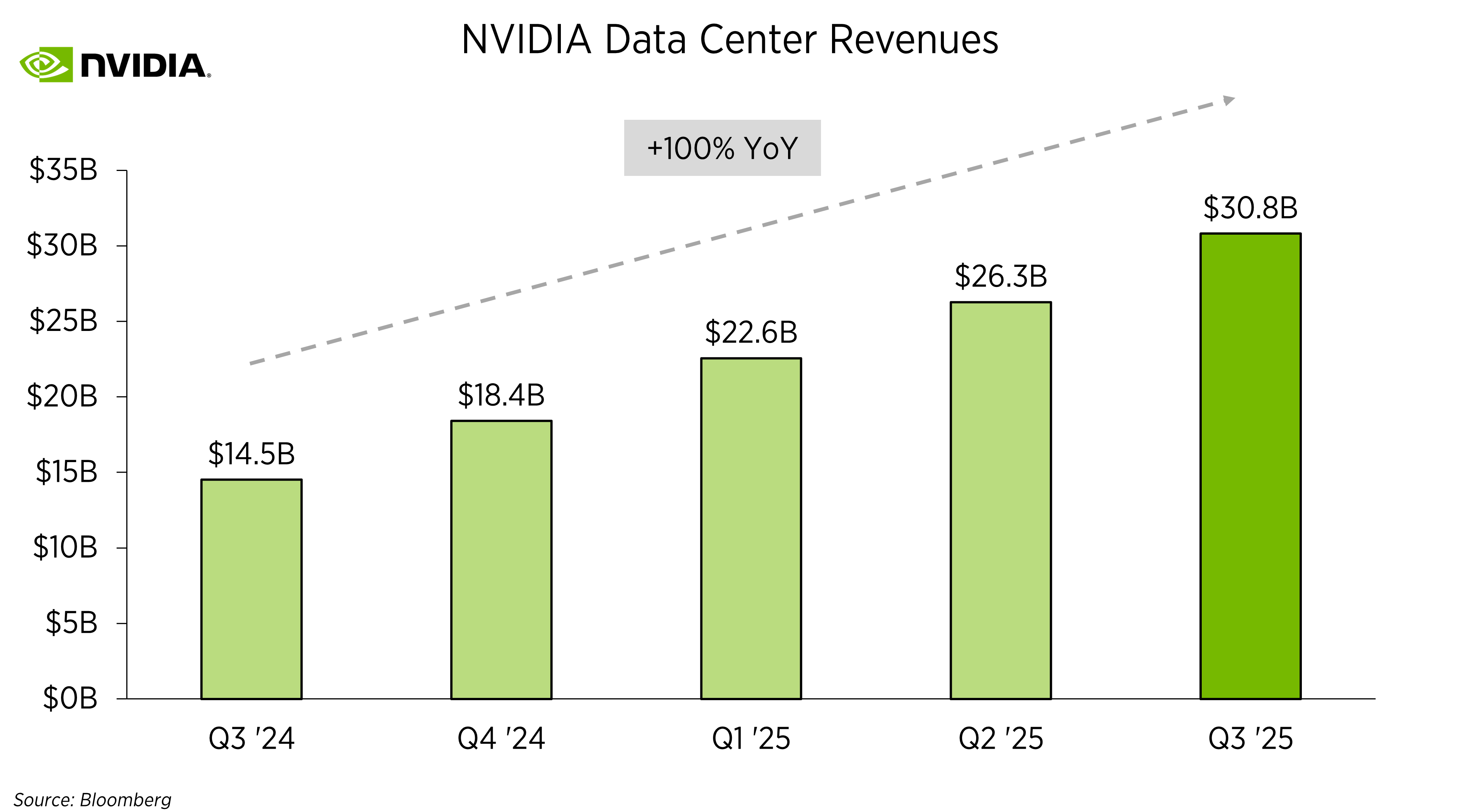
The Data Center segment is currently the engine of Nvidia’s valuation. This includes sales of the H100 and H200 GPUs that power large language models. Investors should look for the year-over-year growth rate in this segment. Is it accelerating, or is the “law of large numbers” finally starting to slow the percentage gains? A “beat” in Data Center revenue is often the primary driver of a post-earnings rally, as it signals that hyperscalers (Amazon, Google, Microsoft) are still aggressively building out their AI infrastructure.
Gross Margins and Pricing Power
One of Nvidia’s most impressive feats has been its ability to maintain—and even expand—its gross margins during a period of rapid scaling. Gross margin reflects the company’s pricing power and manufacturing efficiency. If margins remain high (often in the 70% range or higher), it suggests that Nvidia still holds a near-monopoly on high-end AI chips and that customers are willing to pay a premium. Any contraction in margins could indicate rising competition from AMD or internal chip development by Nvidia’s own customers.
Forward Guidance and the “Book-to-Bill” Ratio
In the world of investing, the past is already priced in. The market reacts most violently to the “guidance”—the company’s forecast for the upcoming quarter and the full year. If Nvidia beats current earnings but provides conservative guidance for the next quarter, the stock may actually fall. Analysts also listen closely for updates on the supply chain. Are they able to produce enough chips to meet demand? The gap between demand and supply is a critical indicator of future revenue “runway.”
Investment Strategies for Earnings Volatility
Trading or holding a stock through an earnings report is inherently risky. The “implied move”—how much the market expects the stock to fluctuate—can often be as high as 8% to 10% in either direction. For the retail investor, managing this volatility requires a clear strategy.
The Risk of the “Whisper Number”
Sometimes, a company can report excellent results that meet or even slightly exceed analyst expectations, yet the stock price still drops. This is often due to the “whisper number”—an unofficial, higher expectation held by traders that isn’t reflected in the formal consensus. If the market “whispers” that Nvidia will earn more than the official estimates, and the company only hits the official mark, the “sell the news” phenomenon may occur. Investors must be aware that “good” news isn’t always enough if the valuation is already “priced for perfection.”
Long-term Holding vs. Short-term Speculation
For those with a multi-year horizon, the quarterly noise is often just that—noise. However, for those looking to manage risk, some investors choose to “trim” their position ahead of earnings to lock in gains, or use protective puts to hedge against a potential downside surprise. Conversely, dollar-cost averaging (DCA) into a position after the earnings volatility has settled can be a more conservative way to build exposure without the stress of the immediate reaction.
Diversification Through ETFs
If the individual stock volatility of Nvidia is too high for your risk tolerance, but you still want exposure to its growth, ETFs are a viable alternative. By holding a semiconductor ETF where Nvidia is a top holding, you benefit from its success while mitigating the idiosyncratic risk of a single-company earnings miss. This “basket” approach allows you to participate in the broader “Money” trend of AI investment without being overly exposed to a single management team’s quarterly execution.
The Broader Economic Context: Interest Rates and Tech Valuations
Nvidia does not exist in a vacuum. Its earnings are reported against a backdrop of global macroeconomic conditions, most notably interest rate policy. Because Nvidia is a “growth” stock, its valuation is heavily dependent on the discounting of future cash flows.
The Impact of Fed Policy on Growth Stocks
When the Federal Reserve signals a “higher for longer” stance on interest rates, it generally puts pressure on high-multiple stocks like Nvidia. Even if Nvidia’s business is booming, a rising discount rate can lead to a lower stock price. Investors should weigh the earnings report against the current yield on the 10-year Treasury. If Nvidia’s growth rate continues to significantly outpace the cost of capital, the “Money” case for the stock remains strong despite macro headwinds.

Geopolitical Risks and Export Restrictions
Finally, any discussion of Nvidia’s financial health must include the regulatory environment. Changes in export controls—specifically regarding high-end AI chips to China—can have an immediate impact on the revenue outlook. During the earnings call, management is frequently questioned about how they are navigating these restrictions and whether “workaround” chips are successfully filling the revenue gap.
In conclusion, Nvidia’s next earnings report is more than just a tally of chips sold; it is a critical update on the capital flow of the 21st-century economy. By understanding the timing, the key metrics, and the broader market implications, investors can move away from speculative gambling and toward informed, strategic decision-making. Whether you are a day trader or a retirement saver, the data revealed in these quarterly windows is the most valuable currency you have in the pursuit of financial growth.
aViewFromTheCave is a participant in the Amazon Services LLC Associates Program, an affiliate advertising program designed to provide a means for sites to earn advertising fees by advertising and linking to Amazon.com. Amazon, the Amazon logo, AmazonSupply, and the AmazonSupply logo are trademarks of Amazon.com, Inc. or its affiliates. As an Amazon Associate we earn affiliate commissions from qualifying purchases.