
In an increasingly complex financial world, where subscriptions proliferate and payment methods evolve, the simple question “When is my bill due?” has become more pertinent than ever. For many, it’s a recurring internal query, often accompanied by a fleeting moment of anxiety or a frantic search through emails and physical mail. Beyond the immediate practical need to avoid late fees, understanding and managing bill due dates is a cornerstone of sound personal finance, impacting everything from credit scores to mental well-being. This article delves into why mastering your payment calendar is crucial, offers actionable strategies for effective bill management, explores the technological tools available, and discusses how proactive bill handling contributes to overall financial health.
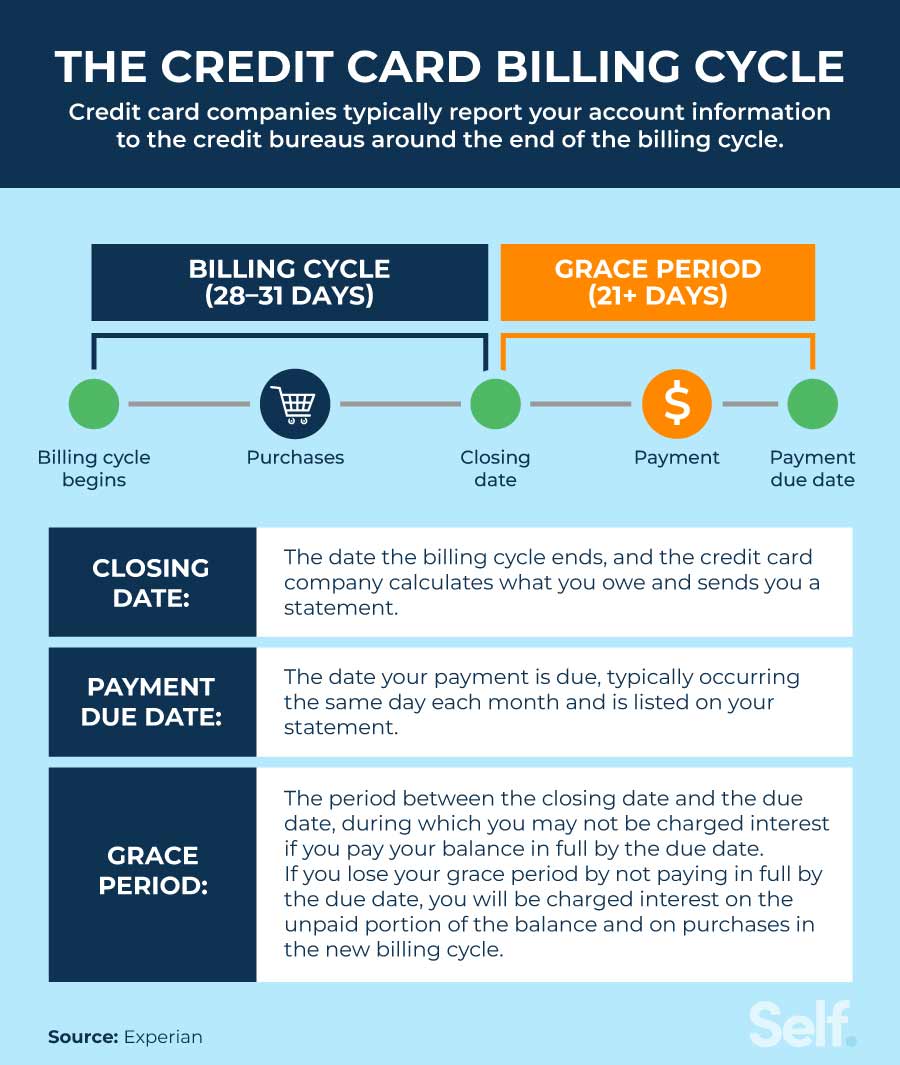
The Critical Importance of Knowing Your Due Dates
Missing a bill due date can trigger a cascade of negative consequences that extend far beyond a single late payment. Understanding these repercussions underscores why staying on top of your financial calendar is not just a good habit, but a financial imperative.
Avoiding Late Fees and Penalties
Perhaps the most immediate and tangible consequence of a missed due date is the imposition of late fees. Whether it’s a utility bill, a credit card statement, a loan installment, or a subscription service, companies are quick to levy charges for delayed payments. These fees, often a fixed amount or a percentage of the outstanding balance, can quickly add up, especially if you have multiple bills due around the same time. While a single late fee might seem minor, accumulated over months or across different accounts, they can significantly erode your disposable income and throw your meticulously planned budget off course. Moreover, some service providers may even impose higher interest rates on overdue balances, further escalating your costs. The objective is clear: avoid these avoidable expenses to keep more money in your pocket.
Protecting Your Credit Score
Your credit score is a numerical representation of your creditworthiness, a vital metric that lenders, landlords, and even some employers use to assess your financial reliability. Payment history is the single largest factor in calculating your FICO score, accounting for 35% of the total. A late payment, especially if it’s 30 days or more past due, can be reported to credit bureaus and negatively impact your score. A lower credit score can make it harder to secure favorable interest rates on loans (mortgages, car loans, personal loans), qualify for new credit cards, or even rent an apartment. The ripple effect can be long-lasting, taking months or even years of diligent payment to repair the damage. Proactive bill management is, therefore, a direct investment in your financial future and an essential component of maintaining a robust credit profile.
The Peace of Mind Factor
Beyond the tangible financial penalties, there’s a significant psychological cost associated with not knowing when your bills are due. The constant low-level anxiety, the nagging feeling that you might have forgotten something, or the sudden panic when a late notice arrives, can be incredibly stressful. Financial stress is a widespread issue, affecting mental and physical health. By implementing a clear system for tracking due dates, you eliminate this source of worry, fostering a sense of control and calm over your finances. This peace of mind allows you to focus your energy on other aspects of your life, knowing that your financial obligations are well-managed.
Impact on Budgeting and Financial Planning
Effective budgeting relies on a clear understanding of your income and expenses, including the timing of those expenses. When bill due dates are inconsistent or unknown, it becomes challenging to accurately allocate funds throughout the month. You might accidentally overspend early in the pay cycle, only to find yourself short when a large bill becomes due later. Knowing your due dates allows you to stagger payments, anticipate cash flow needs, and ensure that funds are available when required. This proactive approach supports more accurate budgeting, reduces the likelihood of overdrafts, and empowers you to make more informed financial decisions, laying a stable foundation for long-term financial planning and goal achievement.
Effective Strategies for Tracking and Managing Bills
Transitioning from reactive bill payment to proactive management requires adopting systematic strategies. By centralizing information and leveraging simple tools, you can transform the daunting task of bill tracking into a streamlined, stress-free process.
Centralizing Your Bill Information
The first step to effective bill management is to consolidate all your billing information in one accessible place. This means gathering details for every recurring expense: credit cards, utilities (electricity, water, gas, internet), rent/mortgage, insurance premiums, loan payments (student, auto, personal), subscriptions (streaming, gym, software), and any other regular commitments. For each bill, note down the provider, the typical amount, the account number, and, most critically, the due date. This centralized repository could be a dedicated spreadsheet (Google Sheets, Excel), a physical binder, or a digital document. The key is to have a single source of truth that you can easily refer to, eliminating the need to hunt for individual statements.
The Power of the Calendar: Digital vs. Physical
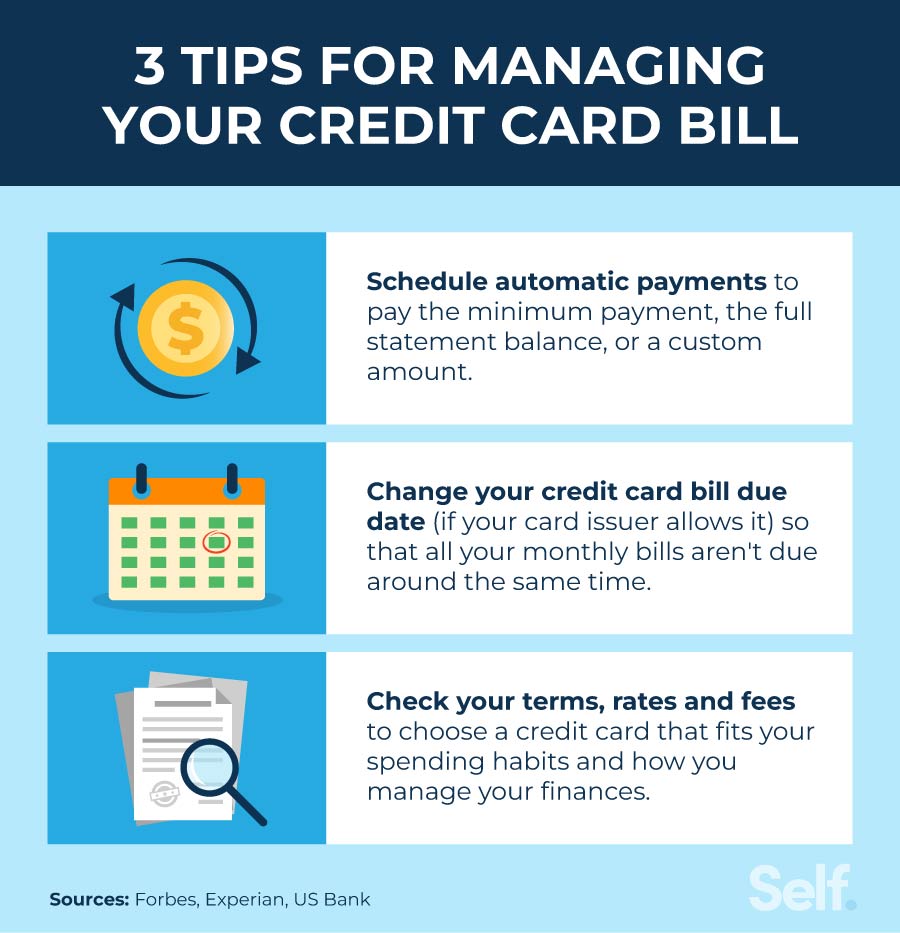
Once you have your centralized information, integrate these due dates into a calendar system. Both digital and physical calendars offer effective ways to visualize your payment schedule. A large wall calendar or a dedicated planner can be incredibly useful for those who prefer a tangible reminder. Highlight due dates in different colors for various types of bills, or use sticky notes for variable amounts. For digital natives, Google Calendar, Outlook Calendar, or dedicated calendar apps allow you to set recurring events for each bill. Crucially, these digital options often allow you to set multiple reminders days or even weeks before the due date, providing ample time to prepare and pay. The choice between digital and physical often comes down to personal preference, but the principle remains: make your due dates visible and impossible to ignore.
Automating Payments Wisely
Automation can be a powerful ally in ensuring bills are paid on time, but it must be implemented judiciously. For fixed expenses like mortgage payments, car loans, or insurance premiums that are consistent each month, setting up automatic payments from your checking account can virtually eliminate the risk of missing a due date. Most banks and service providers offer this option. For variable bills, such as credit cards or utility bills, you can often set up auto-pay to cover at least the minimum amount, with the option to manually pay the full balance before the due date. This strategy acts as a safety net. However, exercise caution: regularly review your automated payments to ensure they align with your budget and to catch any erroneous charges. Never automate payments without understanding the impact on your cash flow.
Setting Up Reminders and Alerts
Beyond calendar entries, leverage specific reminder systems. Most financial institutions and utility providers offer email or text message alerts leading up to a bill’s due date. Sign up for these services. Additionally, many personal finance apps and even your smartphone’s built-in reminder features can be configured to send notifications. Set reminders not just for the day the bill is due, but also several days in advance. This lead time gives you an opportunity to review the statement, ensure funds are available, and address any discrepancies before the payment is processed. Multiple layers of reminders act as an effective buffer against forgetfulness.
The “Pay It Now” Mentality for Certain Bills
For some individuals, a simple yet effective strategy is the “pay it now” mentality. As soon as a bill arrives (whether physically or digitally), review it and pay it immediately if you have the funds available and it’s close enough to the due date that you won’t forget. This is particularly effective for those with fewer recurring bills or those who prefer to clear their plate as quickly as possible. This approach removes the bill from your mental “to-do” list and significantly reduces the chances of it being overlooked later. While it might not be suitable for all bills (e.g., if you need to wait for your next paycheck), for many, it’s a straightforward way to stay ahead.

Leveraging Technology: Your Digital Allies in Bill Management
In the digital age, a plethora of technological tools have emerged to simplify and streamline bill management. Embracing these innovations can transform a once tedious task into an efficient, almost effortless part of your financial routine, firmly within the Money category’s purview of financial tools.
Personal Finance Software and Budgeting Apps
Modern personal finance software and budgeting apps are perhaps the most powerful allies in bill management. Tools like Mint, YNAB (You Need A Budget), Personal Capital, or Simplifi are designed to aggregate all your financial accounts – checking, savings, credit cards, investments, and loans – into a single dashboard. They can automatically track your income and expenses, categorize transactions, and crucially, identify upcoming bills and their due dates. Many of these apps allow you to create custom budgets, set financial goals, and send personalized alerts for impending payments. By providing a holistic view of your financial landscape, these platforms make it incredibly easy to see when funds are needed and ensure you have sufficient cash flow to cover your obligations.
Online Banking Portals and Bill Pay Features
Nearly all modern banks offer sophisticated online banking portals that go far beyond just checking your balance. Their integrated “Bill Pay” features are robust tools for managing your recurring expenses. You can add payees, schedule one-time or recurring payments, and often even link directly to the service provider to retrieve bill details. These systems are typically secure, user-friendly, and provide a clear record of all payments made. Leveraging your bank’s bill pay service can centralize your payment process for many bills, reducing the need to log into multiple individual provider websites. It’s an efficient way to initiate payments directly from your primary financial institution, giving you better oversight of your outgoing funds.
Dedicated Bill Management Apps
Beyond comprehensive personal finance suites, there are also specialized apps designed solely for bill management. Apps like Prism or BillMinder focus specifically on tracking due dates, sending reminders, and sometimes even facilitating payments directly through the app. These tools often connect directly to your various billing accounts, pulling in statements and payment information automatically. Their narrow focus means they excel at providing timely alerts and a clear visual overview of your upcoming financial obligations. For those who find comprehensive budgeting apps overwhelming, a dedicated bill management app can be an ideal, streamlined solution.
The Role of Digital Wallets and Payment Services
While not primarily bill management tools, digital wallets like Apple Pay, Google Pay, or services like PayPal, are increasingly offering features that can indirectly aid in managing payments. Some services allow you to set up recurring payments or provide easy access to recent transactions, helping you keep track of what you’ve paid. More significantly, they simplify the payment process itself, making it quicker and easier to settle a bill once you’ve been reminded. While they don’t replace the need for a dedicated tracking system, they contribute to the ease of execution once a due date is identified.
Security Considerations for Digital Payments
As you embrace technology for bill management, it’s paramount to remain vigilant about digital security. Always use strong, unique passwords for all your financial accounts and enable two-factor authentication (2FA) wherever possible. Be wary of phishing attempts; never click on suspicious links or provide personal information in response to unsolicited emails or texts. Only use reputable apps downloaded from official app stores. Regularly review your transaction history for any unauthorized activity. While technology offers unparalleled convenience, protecting your financial data should always be a top priority.
Beyond the Due Date: Proactive Steps for Long-Term Financial Health
While knowing “when is my bill due” is crucial for immediate financial stability, true financial mastery extends beyond mere timeliness. It involves proactive steps that integrate bill management into a broader strategy for long-term financial health and wealth building.
Creating a Comprehensive Budget
At the heart of sustained financial health is a comprehensive budget. A budget isn’t just about restricting spending; it’s a roadmap for your money, outlining where every dollar comes from and where it’s allocated. By categorizing your income and expenses, you gain clarity on your spending habits and identify areas where you can save. Integrating your bill due dates directly into your budget allows you to allocate funds strategically, ensuring that money is always available for your obligations. A well-crafted budget moves you from simply paying bills on time to intentionally directing your funds towards both current necessities and future goals.
Building an Emergency Fund
One of the most powerful proactive steps you can take is to build a robust emergency fund. Life is unpredictable, and unexpected expenses – a medical emergency, car repair, or job loss – can derail even the most diligent bill payer. An emergency fund, typically three to six months’ worth of living expenses saved in an easily accessible account, acts as a financial safety net. If an unforeseen event occurs, you won’t be forced to choose between paying a critical bill or addressing an emergency. Instead, you can draw from your emergency fund, ensuring your credit score remains intact and you avoid the spiral of debt.
Reviewing and Optimizing Your Recurring Expenses
Periodically, it’s wise to review all your recurring bills and subscriptions. Many people accumulate subscriptions over time – streaming services, software, gym memberships – some of which they no longer use or derive value from. This “subscription creep” can significantly impact your budget. Take the time to audit these expenses:
-
Cancel unused services: If you’re not using it, cut it.
-
Negotiate better rates: For services like internet, cable, or insurance, call your providers and inquire about current promotions or loyalty discounts.
-
Bundle services: Sometimes bundling internet and phone, or multiple insurance policies, can lead to savings.
-
Downgrade plans: If you’re paying for premium features you don’t need, consider a more basic plan.
Optimizing these expenses frees up cash flow that can be redirected towards savings, debt repayment, or investments.
Consolidating Debt and Streamlining Bills
If you find yourself juggling multiple credit card bills or personal loans, debt consolidation can be a strategic move. A personal loan or balance transfer credit card with a lower interest rate can combine several high-interest debts into a single, more manageable monthly payment. This simplifies your bill-paying process, often reduces your overall interest burden, and can make it easier to stay on top of due dates. Similarly, streamlining bills by opting for paperless statements, choosing a single bank for most of your transactions, or using a robust bill management app helps in reducing the mental load and administrative effort associated with numerous distinct payments.
Regular Financial Check-ups
Just as you schedule regular medical check-ups, your finances benefit from periodic reviews. At least once a quarter, or annually, set aside time to review your budget, monitor your progress towards financial goals, check your credit report, and reassess your bill management system. Are there new bills to add? Have old ones been canceled? Is your automated payment system still optimal? These check-ups allow you to identify potential issues early, adjust your strategies as life circumstances change, and ensure your financial health remains on track for the long haul.
In conclusion, answering the question “When is my bill due?” is more than just a momentary lookup; it’s an essential component of responsible financial stewardship. By understanding the profound implications of missed due dates, implementing effective tracking strategies, leveraging modern financial technology, and adopting a proactive mindset towards long-term financial health, you can move beyond mere bill payment to genuinely master your money. This journey not only protects your credit and saves you money but also grants you the invaluable gift of financial peace of mind.
aViewFromTheCave is a participant in the Amazon Services LLC Associates Program, an affiliate advertising program designed to provide a means for sites to earn advertising fees by advertising and linking to Amazon.com. Amazon, the Amazon logo, AmazonSupply, and the AmazonSupply logo are trademarks of Amazon.com, Inc. or its affiliates. As an Amazon Associate we earn affiliate commissions from qualifying purchases.