
In the landscape of North American professional sports, the “when” is often just as critical as the “who.” For fans, the timing of the MLS Cup—the Major League Soccer championship match—dictates travel plans and viewing parties. However, for investors, sponsors, and club owners, the date of the MLS Cup is a focal point of a multi-billion dollar financial ecosystem. Determining when the championship occurs is not merely a matter of checking a calendar; it is an analysis of a strategic window designed to maximize broadcast revenue, capitalize on sports betting cycles, and optimize the fiscal year-end for a league that has seen its valuation skyrocket over the last decade.
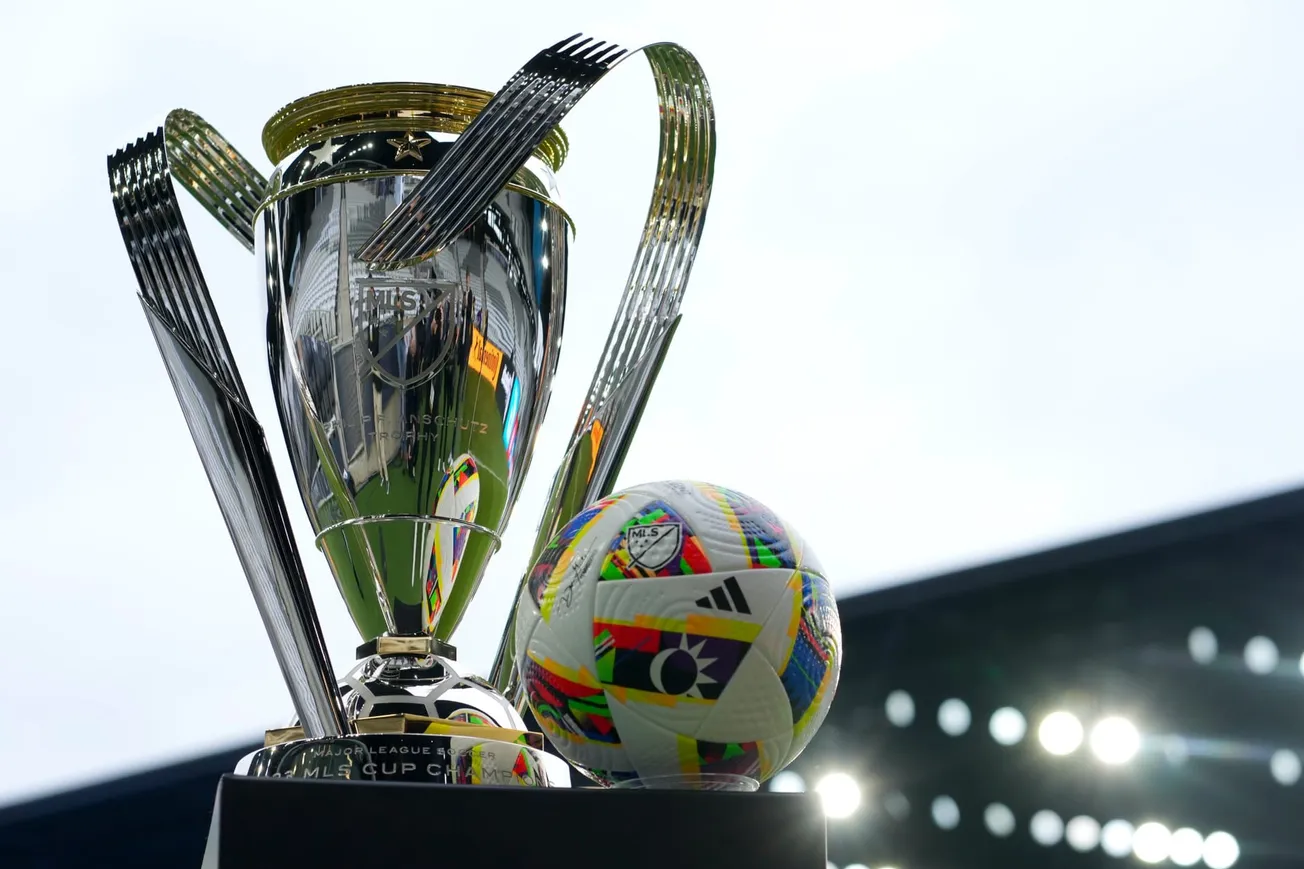
The MLS Cup typically takes place in early December, serving as the crescendo of a postseason that begins in late October. This timing is a deliberate choice, positioning the league at a crossroads of the global sports economy. Understanding the financial implications of this schedule reveals the intricate machinery behind American soccer’s commercial success.
The Financial Roadmap: Understanding the MLS Cup Calendar
The specific date of the MLS Championship is finalized during the regular season, typically landing on a Saturday in the first or second week of December. From a personal finance and investment perspective, this placement is significant. It concludes a long fiscal journey that begins in February, allowing clubs to consolidate their revenue streams across three quarters before the final Q4 push.
For the participating clubs, reaching the final is a massive financial windfall. Unlike many global leagues that utilize a neutral-site format, Major League Soccer awards hosting rights to the finalist with the higher regular-season point total. This creates a high-stakes economic incentive for performance throughout the year. A hosted MLS Cup can generate millions of dollars in a single afternoon through ticket sales, premium hospitality suites, and day-of-game stadium commerce.
Furthermore, the timing in early December aligns with the peak of the holiday consumer spending season. For the league’s merchandising arm, a championship game at this time ensures that “Championship Edition” jerseys, scarves, and memorabilia are top-of-mind for consumers during the highest-volume retail weeks of the year. This synergy between the sporting calendar and the retail cycle is a cornerstone of the MLS business model.
The Impact of the Apple TV Deal on Scheduling
In recent years, the “when” of the MLS Cup has been influenced by the league’s landmark 10-year, $2.5 billion partnership with Apple. This digital-first broadcasting model has shifted the economic focus from traditional Nielsen ratings to global subscription growth for the MLS Season Pass.
The championship date is strategically placed to maximize “subscription retention.” By holding the final in December, the league ensures that subscribers remain engaged through the final months of the year. For investors monitoring the intersection of tech and sports finance, the MLS Cup serves as a primary case study in how a fixed championship date can drive recurring revenue in a streaming-based economy.
The Economics of the Final: Broadcast Rights and Sponsorship Valuations
The MLS Championship is the league’s premier asset for demonstrating value to corporate partners. When the championship kicks off, it represents the culmination of millions of dollars in contractual obligations. Sponsorship agreements with giants like Adidas, Audi, and Continental Tire often include “escalator clauses”—performance-based bonuses that trigger when the league hits specific viewership milestones or when specific high-value markets reach the final.
The Valuation of the “Championship Window”
The broadcast window for the MLS Cup is one of the most expensive pieces of real estate in American soccer. While it must compete for eyeballs with the NFL and college football, the MLS Cup carves out a niche by targeting a younger, more tech-savvy, and more affluent demographic. Advertisers are willing to pay a premium for this window because it offers access to a “growth market” of consumers who may not be reached by traditional legacy sports.
For the clubs involved, the financial stakes of the 90-minute match go beyond the trophy. Winning the MLS Cup provides an automatic entry into the CONCACAF Champions Cup. This qualification is a financial asset in itself, opening doors to international prize money, increased global visibility, and the opportunity to participate in the FIFA Club World Cup—a tournament with a massive global purse.
Corporate Hospitality and B2B Revenue
The weeks leading up to the December final are a peak period for B2B (business-to-business) revenue. Corporate hospitality packages for the MLS Cup can run into the tens of thousands of dollars per suite. For a host city, this represents a concentrated influx of high-net-worth individuals and corporate decision-makers. The “when” of the championship—falling during the corporate holiday party season—allows companies to utilize the event as a high-end networking opportunity, further cementing the league’s status within the professional financial community.
Local Impact and Tourism: The Revenue Surge for Host Cities
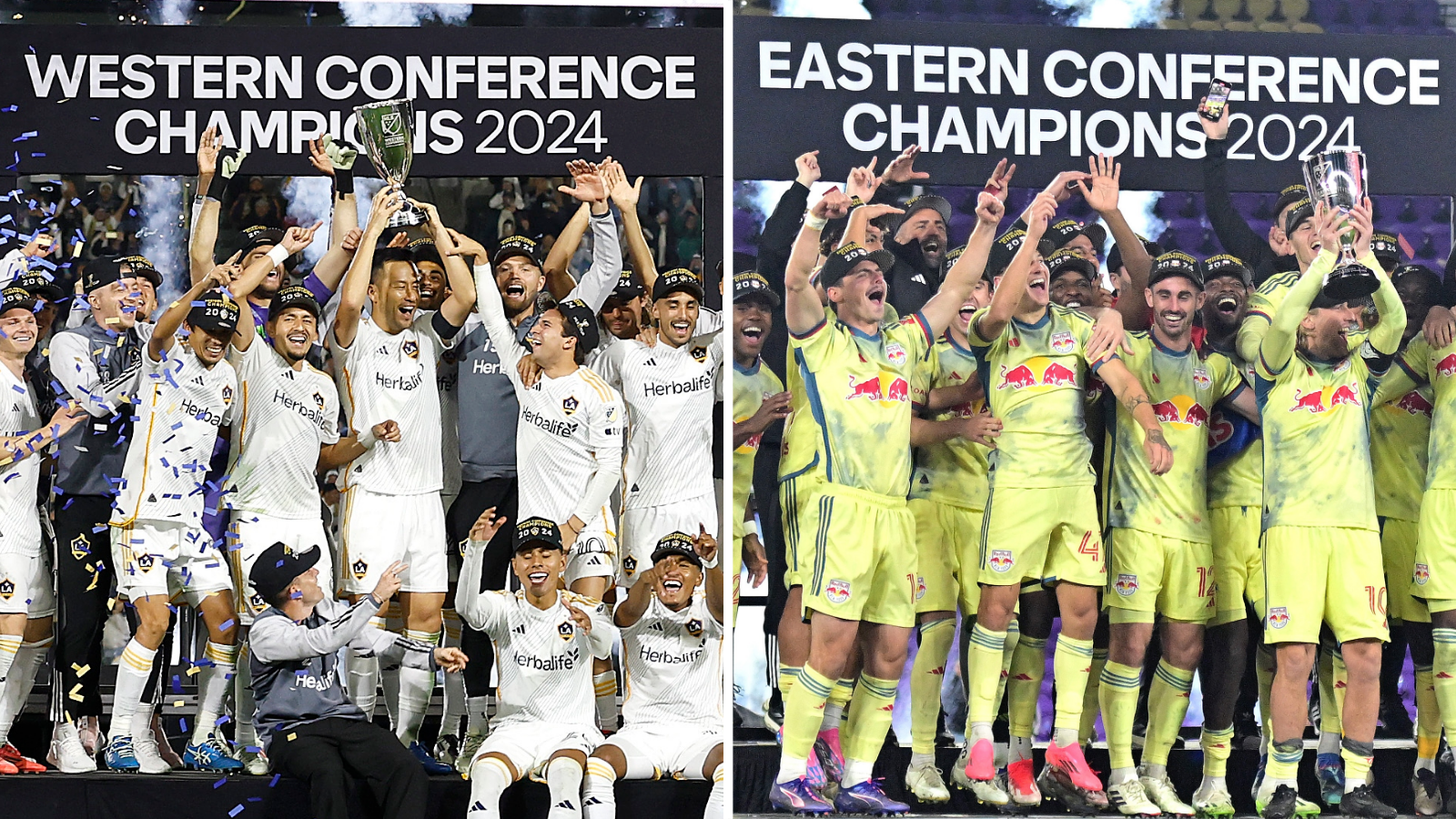
The economic ripple effect of the MLS Cup is most visible in the host city. Because the venue is determined by regular-season performance, the “Finals Window” triggers an immediate, localized economic boom. When the host is confirmed, hotel occupancy rates in the metropolitan area typically spike within hours.
Hospitality and the Service Economy
Economic impact studies of previous MLS Cups have shown that the event can generate between $15 million and $25 million in direct economic impact for the host city. This includes:
-
Hotel Tax Revenue: Out-of-town fans and media personnel fill hotels during a period that is often a “shoulder season” for traditional tourism.
-
Small Business Support: Local bars, restaurants, and transportation services see a massive uptick in volume.
-
Temporary Job Creation: The logistical demands of a major final require a surge in staffing for security, catering, and event management.
From a municipal finance perspective, hosting an MLS Cup is a low-risk, high-reward scenario. Unlike the Olympics or the Super Bowl, which require years of infrastructure investment, the MLS Cup utilizes existing stadium infrastructure to deliver a quick infusion of capital into the local economy.
Real Estate and Stadium District Development
The timing and success of the MLS Championship also play a role in long-term real estate valuations. Many MLS stadiums are the centerpieces of “Sport-Anchored Development” projects. A successful championship run validates the investment in these districts, driving up the value of surrounding commercial and residential real estate. For property investors, the MLS Cup is a proof-of-concept for the vibrancy and economic viability of the stadium zone.
Betting Markets and Fan Engagement: Capitalizing on the Championship
The rise of legalized sports betting in North America has fundamentally changed the financial significance of the MLS Cup date. As the final draws near, the volume of capital flowing through sportsbooks reaches its seasonal peak for soccer.
The Growth of In-Game Wagering
The MLS Cup is a major driver for “handle”—the total amount of money wagered by bettors. Professional bettors and casual fans alike flood the market with futures bets, prop bets, and live in-game wagering. For the league’s official betting partners, the championship is the ultimate customer acquisition tool. The financial data suggests that a significant portion of annual soccer betting volume is concentrated in the three-week playoff period leading up to the December final.
Merchandise and Direct-to-Consumer Sales
The “when” of the championship is also timed to coincide with the “scarcity principle” in economics. Because only two teams reach the final, the demand for limited-edition merchandise is intense. This period allows the league to test high-margin product lines, from premium apparel to digital collectibles (NFTs). The revenue generated from these high-margin sales contributes significantly to the league’s “centralized revenue” pool, which is then redistributed among all member clubs.
Future Growth: Investment Trends in American Soccer
As we look at when the MLS Championship occurs, we must also look at the broader investment trend it represents. The average valuation of an MLS franchise has recently crossed the $500 million mark, with some clubs like LAFC and Inter Miami CF being valued at over $1 billion.
Private Equity and Franchise Valuations
The championship serves as a “valuation event.” A team’s performance in the playoffs and its appearance in the final are key metrics used by private equity firms and institutional investors when assessing the value of a stake in a club. The December final provides a closing data point for annual valuations, influencing the price of ownership shares for the following season.

The Messi Effect and Global Capital
The arrival of global icons like Lionel Messi has shifted the financial timing of the league. The MLS Cup is no longer just a North American event; it is a global financial product. The timing of the final must now account for international time zones to maximize global viewership and advertising revenue from European and Asian markets. This globalized approach ensures that the “when” of the MLS Cup is optimized for the maximum possible ROI on a worldwide scale.
In conclusion, the question of “when is the MLS championship” is answered not just with a date, but with a complex financial strategy. By positioning the final in the early December window, Major League Soccer maximizes its broadcast value, boosts host-city economies, and aligns itself with the peak of the global consumer and betting markets. For anyone invested in the business of sports, the MLS Cup is the ultimate year-end indicator of the league’s growing economic power.
aViewFromTheCave is a participant in the Amazon Services LLC Associates Program, an affiliate advertising program designed to provide a means for sites to earn advertising fees by advertising and linking to Amazon.com. Amazon, the Amazon logo, AmazonSupply, and the AmazonSupply logo are trademarks of Amazon.com, Inc. or its affiliates. As an Amazon Associate we earn affiliate commissions from qualifying purchases.