
For many, the allure of travel is often tempered by the daunting cost of airfare. Deciphering the optimal moment to purchase plane tickets feels akin to predicting the stock market – a complex interplay of algorithms, demand, and elusive “sweet spots.” Yet, understanding the financial mechanics behind airline pricing is not an exercise in futility; it’s a critical component of savvy personal finance, allowing travelers to unlock significant savings and allocate their budgets more effectively. This deep dive into the dynamics of airfare aims to demystify the process, providing actionable insights for making financially sound travel booking decisions.
Understanding the Dynamic Nature of Airfare Pricing
The price you pay for a plane ticket is rarely static. It’s a highly fluid figure, influenced by a myriad of factors that shift constantly. Airlines employ sophisticated revenue management systems designed to maximize profitability, meaning prices can fluctuate not just daily, but even hourly. Recognizing this inherent volatility is the first step toward strategically timing your purchase and making financially astute choices.
The Algorithms Behind Ticket Costs
At the heart of modern airfare pricing are complex algorithms, often powered by artificial intelligence and machine learning. These systems process vast amounts of data, including historical booking trends, current demand for specific routes, competitor pricing, fuel costs, seasonal demand patterns, and even weather forecasts. They dynamically adjust prices in real-time to fill seats and optimize revenue. This means that two passengers on the same flight might have paid significantly different amounts for their tickets, simply because they booked at different times or under different market conditions. From a financial perspective, understanding that prices are dictated by data-driven predictive models rather than arbitrary decisions empowers consumers to look for patterns and exploit opportune moments.
Supply, Demand, and Real-Time Adjustments
The fundamental economic principles of supply and demand play an enormous role in airfare pricing. When demand for a particular flight or route is high – perhaps due to a major event, a popular holiday, or limited seat availability – prices tend to rise. Conversely, when demand is low, airlines may reduce fares to stimulate bookings and ensure planes depart with as few empty seats as possible. The real-time adjustment capability of airline pricing systems means that as seats are sold, the remaining inventory is re-priced based on the perceived willingness of future buyers to pay more. For a budget-conscious traveler, monitoring these dynamics, often through price tracking tools, becomes an invaluable financial strategy to catch fares when supply is relatively high and demand is manageable. Early booking often secures a better price because initial inventory is priced lower to attract early demand, before the algorithms ratchet up prices as seats dwindle and departure dates approach.
The “Sweet Spot” for Domestic and International Travel
While no single magic formula guarantees the absolute lowest price every time, extensive data analysis reveals discernible “sweet spots” – periods where prices tend to be most favorable. These windows are critical for travelers looking to optimize their spending and ensure their travel budget stretches further.
Domestic Flights: The 1-3 Month Window
For domestic travel within your home country, the general consensus among travel experts and financial analysts points to a booking window approximately 1 to 3 months (30 to 90 days) before your departure date. Within this period, airlines are typically working to fill their planes, and prices have often settled after initial early-bird promotions and before the last-minute price hikes. Booking too early (e.g., 6+ months out) can sometimes mean missing out on sales that might emerge closer to the travel date, as airlines are still calibrating their demand forecasts. Conversely, waiting until the last month often triggers a rapid escalation in prices, as airlines anticipate that late bookers are typically business travelers or those with urgent needs, who are less price-sensitive. Therefore, aiming for the middle ground within this 1-3 month window represents the financially prudent approach for most domestic routes.
International Flights: The 2-8 Month Advantage
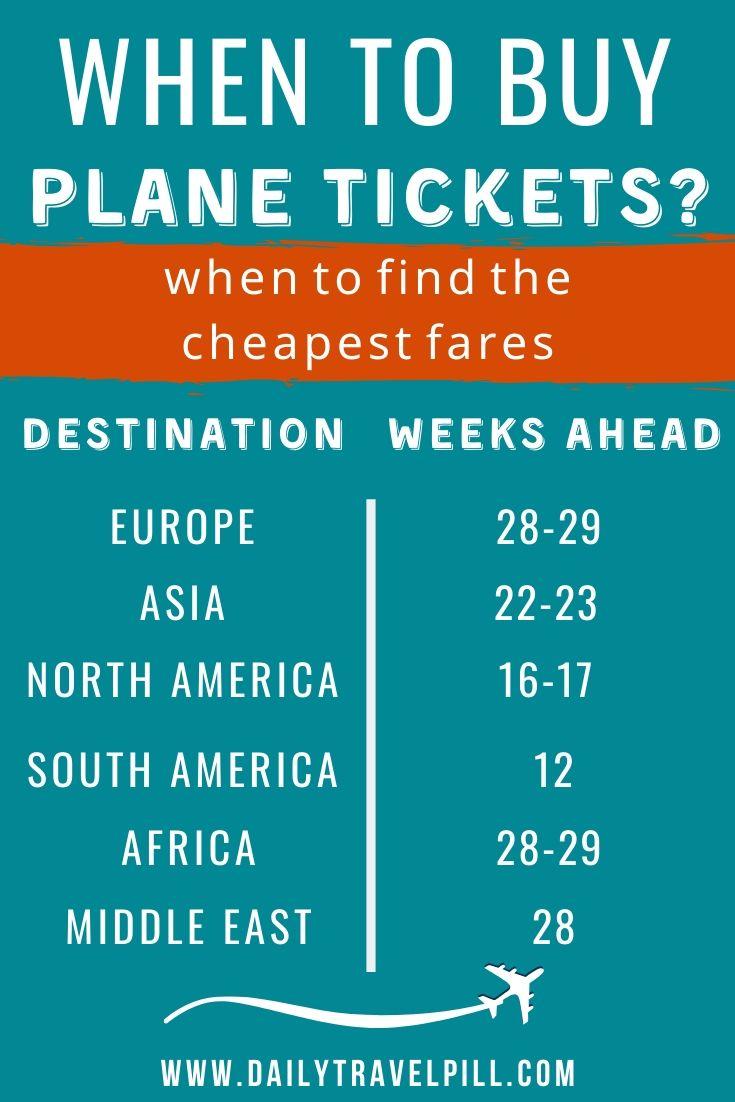
International travel demands a longer lead time for optimal financial outcomes. For journeys across borders, the sweet spot widens considerably, extending from 2 to 8 months (approximately 60 to 240 days) before departure. The earlier end of this spectrum is particularly beneficial for popular international routes, peak travel seasons, or destinations with limited flight options. Airlines often release their cheapest international fares well in advance to capture early demand. As these cheaper fare buckets fill up, prices steadily climb. Factors like visa applications, connecting flights, and potentially more complex itinerary planning also make early booking a practical necessity, beyond just the financial advantage. Missing this window often results in substantially higher costs, sometimes by hundreds or even thousands of dollars, making diligent early planning a significant financial saver for international adventurers.
Debunking the Last-Minute Bargain Myth
A common misconception is that waiting until the last minute can yield incredible deals on unsold seats. While this might occasionally happen in very specific, low-demand scenarios, for the vast majority of flights, especially popular routes and peak travel times, this is a dangerous financial gamble. Airlines use their pricing algorithms to capitalize on urgent bookings. As the departure date nears, any remaining seats are often priced at a premium, targeting business travelers or those with emergencies who have limited flexibility and are less price-sensitive. For leisure travelers focused on saving money, relying on last-minute deals is a strategy fraught with risk and almost always leads to paying significantly more. The “sweet spot” approach is a far more reliable and financially sound strategy for securing good value.
Strategic Timing: Days, Seasons, and Special Events
Beyond the overall booking window, the specific day you choose to purchase and the days you choose to fly can have a tangible impact on your ticket price. Understanding these nuances can further refine your financial strategy for air travel.
Best Days to Purchase: Weekday Wonders
While the impact of the specific day of the week you purchase your ticket has diminished somewhat with real-time pricing, historical data suggests that Tuesday and Wednesday afternoons often present slightly lower prices. Airlines sometimes launch sales on Monday evenings to gauge competitor reactions, and by Tuesday afternoon, they may adjust prices downward to remain competitive. Conversely, weekend bookings tend to be slightly more expensive, as many leisure travelers have more time to browse and book during their days off, leading to a surge in demand that algorithms capture. For maximum financial prudence, it’s worth checking prices mid-week, though the difference might not be as dramatic as the day you fly.
Optimal Days to Fly: Avoiding Peak Travel
The greatest financial savings often come from choosing the right days to fly. Generally, Tuesdays, Wednesdays, and Saturdays are the cheapest days to fly for most routes. Business travelers often fly at the beginning and end of the week, making Monday, Thursday, and Friday flights more expensive due to higher demand. Sundays are also typically premium days for leisure travelers returning home. If your schedule allows for flexibility, opting for mid-week departures and returns can lead to substantial savings, allowing you to reallocate those funds elsewhere in your travel budget or save them for future endeavors. This flexibility is a powerful financial tool for any traveler.
Navigating Holiday and High-Season Surges
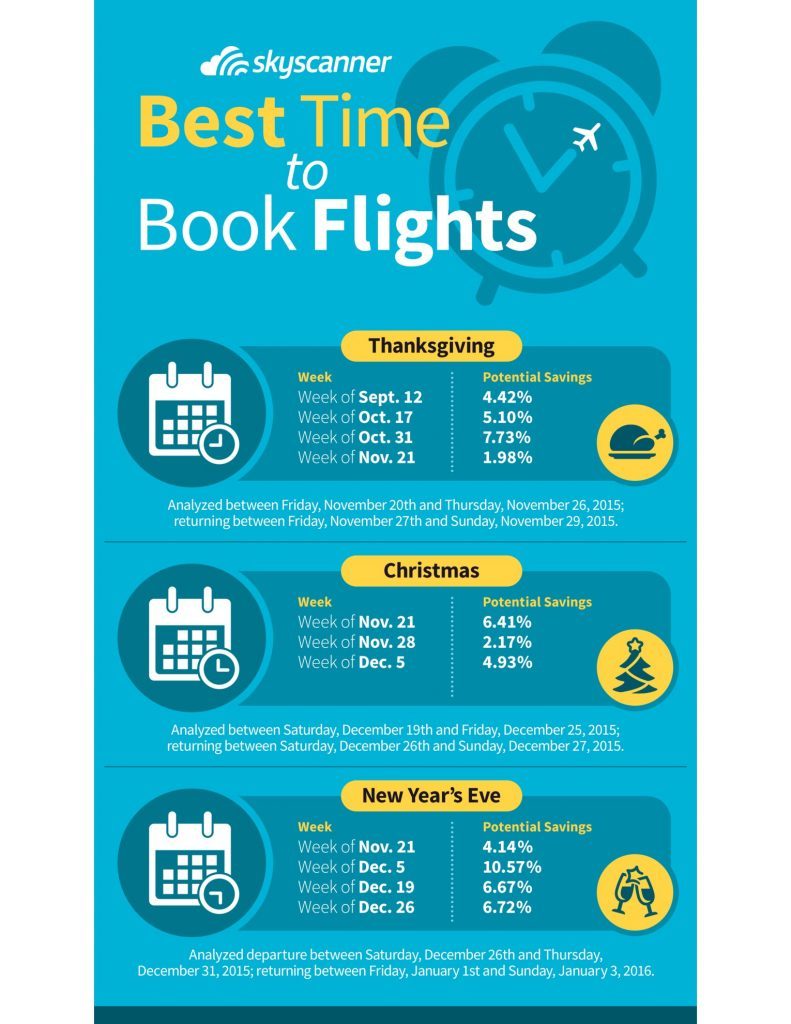
Travel during major holidays (e.g., Christmas, New Year’s, Thanksgiving, Easter) or peak seasons (e.g., summer in Europe, spring break) is almost always significantly more expensive. Demand skyrockets during these periods, and airlines have little incentive to offer discounts. To mitigate these elevated costs:
- Book as early as possible: For peak holiday travel, extending the international “sweet spot” to 9-12 months out is advisable.
- Fly on the holiday itself: Sometimes, flying on Christmas Day or Thanksgiving Day can be cheaper than the days immediately surrounding them, as fewer people prefer to travel on the actual holiday.
- Consider shoulder seasons: Traveling just before or after the absolute peak season can offer a better balance of good weather, fewer crowds, and lower prices, representing a smart financial compromise.
- Be flexible with dates: Even shifting your departure or return by a day or two around a holiday can sometimes unlock significant savings.
Advanced Strategies for Maximizing Savings
Beyond timing, several proactive financial strategies and tools can help travelers secure the best possible airfare and ensure their travel budget is managed effectively.
Leveraging Price Alerts and Comparison Tools
In today’s digital age, relying solely on manual searching is inefficient. Financial intelligence in travel booking means employing technology. Flight comparison websites (e.g., Google Flights, Skyscanner, Kayak, Expedia) aggregate prices from hundreds of airlines and online travel agencies, providing a panoramic view of options. More importantly, nearly all these platforms offer price alerts. By setting an alert for your desired route and dates, you receive email notifications when the price drops, allowing you to pounce on a deal. This passive monitoring is a powerful financial safeguard, ensuring you don’t miss out on a favorable price fluctuation without constantly checking manually. Some tools even predict whether prices are likely to rise or fall, offering an educated guess that can inform your booking decision.
The Power of Flexible Dates and Destinations
Flexibility is perhaps the single greatest financial asset a traveler can possess. If your travel dates are malleable, you can often find significantly cheaper fares.
- “Flexible Dates” Search: Most flight search engines allow you to search for prices across an entire month or even a range of months, highlighting the cheapest days to fly. This can reveal hundreds of dollars in savings just by shifting your trip by a few days.
- “Everywhere” or “Explore” Search: If you’re open to your destination, using features that show the cheapest flights to various locations from your departure city can inspire budget-friendly trips. Instead of deciding where to go and then finding flights, you find cheap flights and then decide where to go – a fundamentally different and often more economical approach. This strategy directly optimizes the “value for money” aspect of your travel budget.
Considering Alternative Airports and Stopovers
Focusing solely on the most convenient airport or direct flights can unnecessarily inflate costs. A financially astute traveler considers alternatives:
- Alternative Airports: Many major cities are served by multiple airports (e.g., London Heathrow vs. Gatwick vs. Stansted). Sometimes flying into or out of a smaller, less popular airport in the same region can be considerably cheaper, even factoring in the cost and time of ground transportation.
- Stopovers and Layovers: Direct flights are convenient, but they often come at a premium. Opting for a flight with one or more stopovers, particularly if the layover is longer, can frequently reduce the ticket price. Weigh the value of your time against the financial savings to determine if a longer journey is worthwhile. This is a classic financial trade-off that can significantly impact your overall travel expenditure.
The Incognito Mode and Browser Cookies Debate
A frequently debated topic is whether browsing in incognito/private mode or clearing browser cookies can yield lower prices. The theory is that airlines and online travel agencies track your searches through cookies and may raise prices on routes you’ve repeatedly viewed, creating a sense of urgency. While concrete, universally accepted evidence is elusive, and airlines typically deny this practice, many travelers report anecdotal success. From a financial hygiene perspective, there’s no harm in trying. Browsing in incognito mode ensures a fresh search slate, potentially preventing any price adjustments that might be triggered by your browsing history. It’s a low-effort financial tactic that, even if minimally effective, costs nothing to implement.
Beyond the Purchase: Additional Financial Considerations
The ticket price is just one component of your overall travel expenses. A comprehensive financial plan for travel extends to understanding other potential costs and leveraging financial tools to maximize value and minimize risk.
Understanding Fare Classes and Baggage Fees
When comparing ticket prices, it’s crucial to look beyond the headline number. “Basic Economy” fares, while appealingly cheap, often come with significant restrictions: no seat selection, no changes, and often no carry-on bag included (beyond a small personal item). Checked baggage fees can quickly erode initial savings, especially on budget airlines. Always read the fine print regarding baggage allowances, seat selection fees, and change/cancellation policies. A slightly more expensive standard economy ticket that includes a checked bag and allows for changes might be the more financially sound choice in the long run, avoiding hidden costs and providing greater flexibility should plans change. This holistic view of the total cost of travel is fundamental to effective personal financial management.
Travel Insurance: A Financial Safeguard
While an upfront cost, travel insurance can be an invaluable financial safeguard, especially for international trips or expensive domestic travel. It covers unforeseen events such as trip cancellations, medical emergencies abroad, lost luggage, and travel delays. Without insurance, a medical emergency in a foreign country or a last-minute cancellation due to an illness could lead to devastating financial losses. The cost of a comprehensive travel insurance policy is typically a small fraction of your total trip cost, representing a prudent financial investment against potentially catastrophic expenses. It’s a form of risk management that every financially responsible traveler should consider.

Credit Card Rewards and Airline Loyalty Programs
Leveraging financial tools like credit cards with travel rewards or participating in airline loyalty programs can significantly reduce future travel costs.
- Travel Rewards Credit Cards: Many credit cards offer substantial sign-up bonuses (in points or miles) and earn rewards on everyday spending that can be redeemed for flights, hotels, or travel credits. Utilizing these strategically can effectively make future flights free or significantly discounted.
- Airline Loyalty Programs: Even if you don’t fly frequently, joining an airline’s loyalty program is free and can accrue miles that can be redeemed for upgrades, free flights, or discounted fares over time. Consolidating your travel with one or two airline alliances can accelerate earning status and perks like free checked bags or lounge access, which translate directly into financial savings. Smart use of these programs is an advanced form of personal finance optimization for recurring travel expenses.
In conclusion, purchasing plane tickets at the optimal time is not merely about luck; it’s about informed financial decision-making. By understanding the underlying economic principles of airfare pricing, leveraging technological tools, and adopting a strategic approach to timing and flexibility, travelers can significantly reduce their expenditures. This allows for either more frequent travel, a more comfortable journey, or simply more funds remaining in their personal budget – all hallmarks of excellent financial stewardship.
aViewFromTheCave is a participant in the Amazon Services LLC Associates Program, an affiliate advertising program designed to provide a means for sites to earn advertising fees by advertising and linking to Amazon.com. Amazon, the Amazon logo, AmazonSupply, and the AmazonSupply logo are trademarks of Amazon.com, Inc. or its affiliates. As an Amazon Associate we earn affiliate commissions from qualifying purchases.