
Navigating the labyrinthine world of airline ticket pricing can often feel like a high-stakes game of chance. For the savvy traveler, however, understanding the nuances of how and when to book flights isn’t just about convenience; it’s a critical component of personal financial management. Every dollar saved on airfare is a dollar available for experiences at your destination, contributing to investments, or simply bolstering your savings. This comprehensive guide will delve into the financial strategies and market dynamics that dictate airline ticket prices, helping you master the art of booking economically.
Deconstructing Airline Pricing: A Financial Perspective
Before we can pinpoint the “best time,” it’s essential to understand the complex financial models airlines employ. It’s not a static price list; it’s a fluid, algorithm-driven system designed to maximize revenue. For consumers, this means prices fluctuate wildly, making informed purchasing decisions paramount to financial prudence.
The Dynamic Nature of Airfare Algorithms
Airlines utilize sophisticated algorithms that constantly monitor a multitude of factors to adjust ticket prices in real-time. From a financial standpoint, these algorithms are designed for yield management – selling the right seat to the right customer at the right price. Key inputs include:
- Demand Forecasting: Predicting passenger volume for specific routes and dates. High demand, even anticipated, often means higher prices.
- Competitor Pricing: Monitoring rival airlines’ fares and adjusting to remain competitive while maximizing profit margins.
- Historical Data: Analyzing past booking trends for similar routes, times, and seasons to identify patterns.
- Seat Inventory: As fewer seats remain, prices typically increase, especially for popular routes or peak travel times, reflecting scarcity value.
- Fuel Costs: Although less directly impacting daily fluctuations, long-term trends in fuel prices influence the baseline cost of air travel.
Understanding these underlying mechanisms empowers you to approach ticket buying with a strategic financial mindset, rather than simply reacting to sticker shock.
The Illusion of “Last-Minute Deals”
A common misconception is that waiting until the very last minute can yield incredible deals. While airlines sometimes offer distressed inventory at a discount, this is increasingly rare and risky from a financial planning perspective. For most leisure travelers, last-minute bookings are a recipe for financial strain. Airlines know that business travelers, or those with urgent family matters, often must travel, regardless of price. These individuals represent inelastic demand, and airlines capitalize on it by charging premium rates. Financially, gambling on a last-minute deal is often a losing proposition, as the potential savings are usually outweighed by the risk of significantly higher fares or complete unavailability.
Timing Your Purchase: The Golden Windows for Savings
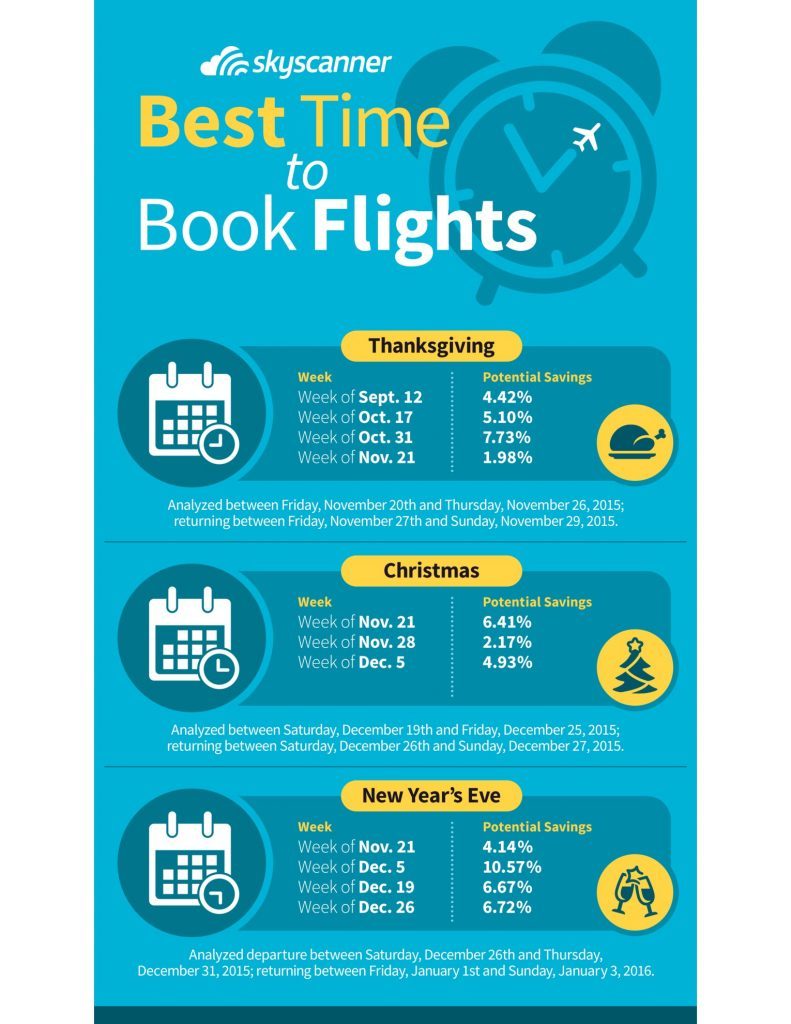
While there’s no single magic number, extensive financial analysis of flight data reveals specific windows that tend to offer the optimal balance between price and availability. This is where strategic timing becomes a tangible money-saving tactic.
The “Sweet Spot” Booking Window
For domestic flights, the financial sweet spot generally falls between 1 to 3 months (30-90 days) before departure. This window is early enough to avoid the premium charged for last-minute bookings but late enough that airlines have typically adjusted their initial, often higher, release prices to stimulate sales. For international travel, this window expands, typically ranging from 3 to 6 months (90-180 days) out. Booking too early (e.g., more than 6-12 months out) can also be financially disadvantageous, as airlines initially set higher prices to capture early planners and then adjust downwards as departure approaches if demand isn’t met.
- Financial Rationale: Within this window, airlines are aiming to fill seats efficiently. They’ve assessed initial demand and are now more likely to offer competitive pricing to ensure high load factors without resorting to last-minute fire sales that cut into profit margins.
The Best Day of the Week to Buy
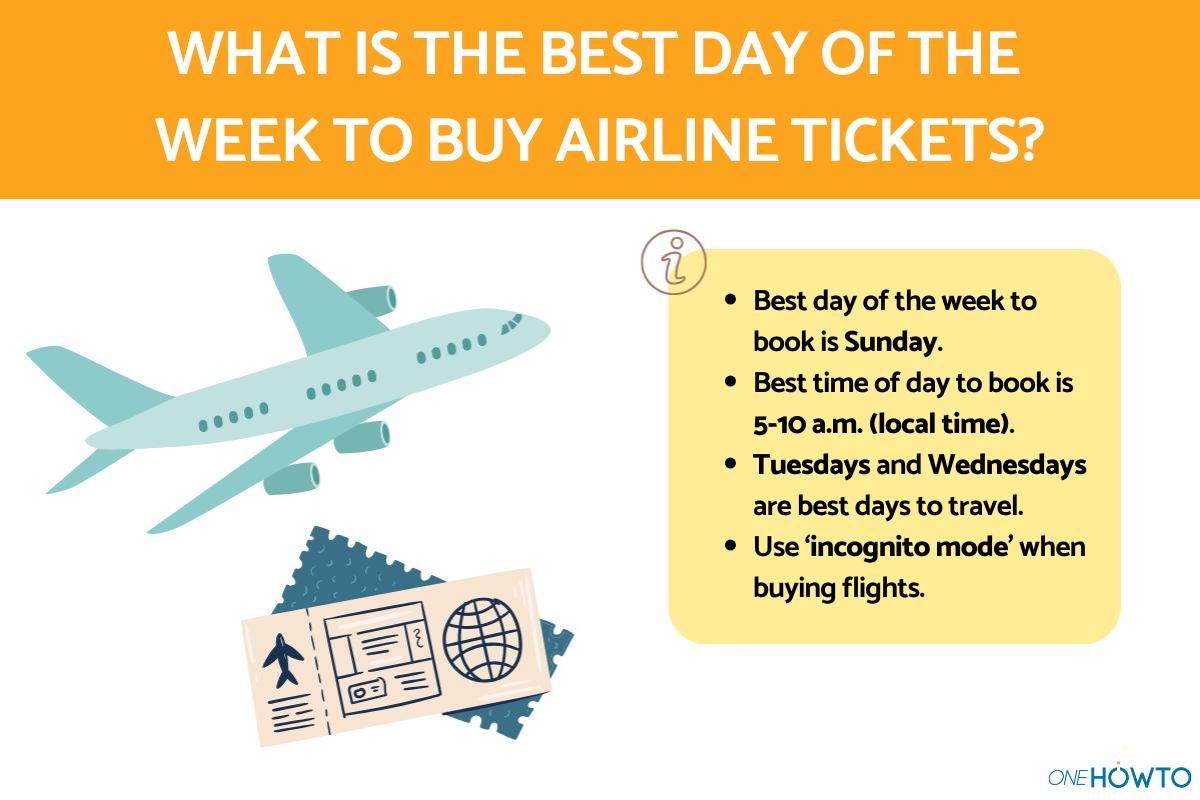
Conventional wisdom often points to Tuesdays or Wednesdays as the best days to purchase flights. While this isn’t an ironclad rule, there’s a financial basis behind it. Airlines often launch sales or adjust prices late on Monday or early Tuesday. Competitors then respond, leading to a pricing skirmish that typically peaks mid-week. By the weekend, prices often creep up as leisure travelers, who have more time to browse, begin their searches.
- Practical Application: Consider setting price alerts and checking fares during the Tuesday-Wednesday window. It’s not always guaranteed, but historically, this period has offered a higher probability of finding financially advantageous deals.
The Best Day of the Week to Fly
Beyond the purchase day, the actual day of the week you choose to fly significantly impacts your ticket cost. From a financial perspective, understanding demand patterns is key.
- Least Expensive Days: Tuesdays, Wednesdays, and Saturdays (for domestic flights) are generally the least expensive days to fly. Business travel is minimal mid-week, and Saturday flights are often less appealing for quick weekend getaways.
- Most Expensive Days: Fridays and Sundays are consistently the priciest due to high demand from weekend travelers and business commuters.
- Financial Impact: Shifting your travel by just one day can sometimes result in substantial savings, making a minor inconvenience a financially savvy choice.

Leveraging Tools and Flexibility for Maximum Savings
In the digital age, a multitude of tools and a flexible mindset are your greatest assets in securing the best flight deals. Integrating these into your financial planning for travel can yield significant returns.
Harnessing Price Comparison Websites and Alerts
Treat flight comparison websites (e.g., Google Flights, Skyscanner, Kayak) as your financial analysts for airfare. These platforms aggregate data from numerous airlines, allowing you to quickly compare prices across different carriers and dates.
- Price Alerts: One of the most powerful financial tools is the price alert. Set up notifications for your desired route and dates. These alerts will inform you when prices drop, allowing you to pounce on a good deal without constantly monitoring fares manually. This eliminates the need for speculative checking and provides a data-driven trigger for purchase.
- “Everywhere” or “Explore” Features: If your travel dates are flexible but your destination is not, or vice versa, use these features to identify the cheapest destinations from your origin, or the cheapest times to visit a particular place. This open-minded approach can unlock unexpected budget-friendly travel opportunities.
The Power of Flexibility: Dates, Airports, and Layover
Financial savings are often directly proportional to your willingness to be flexible. Rigidity in travel plans is almost always more expensive.
- Flexible Dates: If your travel dates can shift by a day or two, use the “flexible dates” or “calendar view” options on flight search engines. You’ll often find significantly cheaper fares just outside your initial preferred dates. This is a prime example of how adapting to market prices saves money.
- Alternative Airports: Consider flying into or out of smaller, secondary airports near your destination. While potentially requiring a bit more ground transportation, the savings on airfare can often outweigh the added cost and time, making it a sound financial decision.
- Layovers: Direct flights are convenient, but they nearly always come at a premium. Opting for a flight with a layover, especially a longer one, can often reduce the ticket price significantly. Evaluate whether the time saved on a direct flight is worth the extra financial outlay.
The “Incognito Mode” Myth vs. Reality
A persistent myth suggests that airlines track your searches and raise prices when you revisit a flight. While airlines do use cookies and tracking, the impact on immediate price changes for a single user is often overstated. Prices fluctuate constantly based on overall demand, not necessarily your individual browsing history. However, using incognito mode or clearing cookies doesn’t hurt and can ensure you’re seeing the most current, unbiased pricing without any potential caching issues. From a financial security perspective, it’s also a good practice for general online privacy.
Beyond Timing: Smart Money-Saving Strategies for Airfare
While timing and flexibility are crucial, a holistic financial approach to buying airline tickets involves several other astute strategies that can further reduce costs.
Budget Airlines: A Double-Edged Financial Sword
Budget airlines often present tempting headline fares, but it’s crucial to understand their financial model. They unbundle services, charging extra for everything from checked bags and carry-ons to seat selection, priority boarding, and even printing your boarding pass at the airport.
- Due Diligence: Always calculate the total cost, including all potential fees, before booking a budget airline. For light travelers with no checked bags and no need for specific seats, they can offer significant savings. For others, the “budget” fare might end up being more expensive than a full-service carrier once all add-ons are considered. This requires careful financial assessment of your individual needs.
Using Loyalty Programs and Credit Card Rewards
For frequent travelers, leveraging loyalty programs and travel-focused credit cards can translate into substantial financial benefits.
- Airline Miles: Accumulating miles through an airline’s loyalty program can lead to free flights or upgrades, effectively reducing your travel expenses to zero for certain trips.
- Travel Credit Cards: Many credit cards offer generous sign-up bonuses in travel points or miles, cash back on travel purchases, or perks like free checked bags and lounge access. Strategically using these cards can transform routine spending into future travel savings. However, always ensure you pay off your balance in full to avoid interest charges that would negate any travel rewards.
Consider Package Deals and Bundling
Sometimes, bundling your flight with a hotel or car rental can result in overall savings compared to booking each component separately. Travel agencies and websites often secure discounted rates for these packages. While the individual flight price might not look like the “cheapest,” the total cost for your trip could be significantly lower, representing a smarter financial outlay. Always compare the bundled price against the sum of individually booked components to ensure actual savings.
The Art of the Open-Jaw Ticket and Stopovers
An open-jaw ticket, where you fly into one city and depart from another, can sometimes be more cost-effective, particularly for multi-destination trips. Similarly, incorporating a longer stopover on an international flight can sometimes yield lower fares than direct routes, and some airlines even offer free stopovers, allowing you to explore an additional city at no extra airfare cost. These are clever financial maneuvers for the adventurous and flexible traveler.
Conclusion: Mastering Your Travel Budget
The quest for the “best time to buy airline tickets” is fundamentally a financial one. It’s about understanding market dynamics, leveraging data-driven strategies, and adopting a flexible, proactive mindset to maximize your travel budget. By deconstructing airline pricing, timing your purchases within the optimal windows, utilizing powerful online tools, and employing smart booking strategies, you transform the often-stressful act of buying flights into a strategic financial decision. Every calculated move you make in the booking process contributes directly to your personal wealth management, allowing you to experience the world without breaking the bank. Happy travels, and happy savings!
aViewFromTheCave is a participant in the Amazon Services LLC Associates Program, an affiliate advertising program designed to provide a means for sites to earn advertising fees by advertising and linking to Amazon.com. Amazon, the Amazon logo, AmazonSupply, and the AmazonSupply logo are trademarks of Amazon.com, Inc. or its affiliates. As an Amazon Associate we earn affiliate commissions from qualifying purchases.