
The quest for affordable airfare is a universal pursuit, an enduring challenge for budget-conscious travelers and a significant component of personal financial planning. For many, the cost of plane tickets represents the largest single expense in their travel budget, making the question “when is it cheapest to buy plane tickets?” not just a matter of convenience, but of genuine financial impact. Navigating the complex algorithms of airline pricing can feel like a labyrinth, with prices fluctuating dramatically day-to-day, sometimes even hour-to-hour. This article delves into the financial mechanics behind airline ticket pricing, offering insights and actionable strategies to help you secure the best possible deals. It’s not merely about luck; it’s about understanding market dynamics, employing strategic timing, and leveraging financial tools to your advantage, transforming what seems like a gamble into a calculated saving.

Understanding Airline Pricing Dynamics
To effectively tackle the challenge of finding cheap flights, one must first appreciate the intricate financial ecosystem that governs airline ticket pricing. Airlines are businesses, and their primary goal is to maximize revenue per flight. This objective drives sophisticated pricing strategies that continuously adjust fares based on a myriad of factors.
The Complex Algorithms at Play
Airlines employ highly advanced yield management systems, which are essentially complex algorithms designed to predict demand and optimize pricing. These systems analyze vast datasets, including historical booking patterns, competitor pricing, seasonality, special events, fuel costs, and even current website traffic. Dynamic pricing models mean that the price of a seat can change instantly based on perceived demand. For instance, if a particular flight route starts selling out faster than anticipated, the algorithm will automatically increase the price of the remaining seats. Conversely, if a flight is underselling, prices might drop to stimulate demand. This constant adjustment is a core financial strategy for airlines, ensuring they extract the maximum possible revenue from each flight, regardless of individual passenger circumstances. As a consumer, understanding this dynamic system allows you to approach your ticket purchase with a more informed financial strategy, looking for opportune moments rather than reacting to static prices.
Supply, Demand, and Seasonality
At the heart of airline pricing are fundamental economic principles: supply and demand. When demand for a particular route or time period is high, and the supply of available seats is limited, prices naturally escalate. Conversely, when demand is low, and seats are plentiful, prices tend to drop. Seasonality plays a crucial role in this dynamic. Peak travel seasons, such as summer holidays, Christmas, New Year, and major public holidays, invariably see higher prices. This is because a large number of people want to travel during these periods, creating a surge in demand. Similarly, major events like the Olympic Games, popular festivals, or large conferences in a specific destination can significantly drive up airfare. Conversely, off-peak or “shoulder” seasons (e.g., late fall or early spring, outside of major holidays) typically offer more affordable options. Financially savvy travelers often target these periods to significantly reduce their travel costs, understanding that flexibility with travel dates directly translates into potential monetary savings.
The “Sweet Spot” for Booking – Timing Your Purchase
While there’s no magic formula that guarantees the absolute lowest price every time, extensive data analysis reveals predictable patterns and windows that tend to offer the best financial value. Timing is arguably the most critical factor in securing cheaper plane tickets.
The 3-Week to 3-Month Window
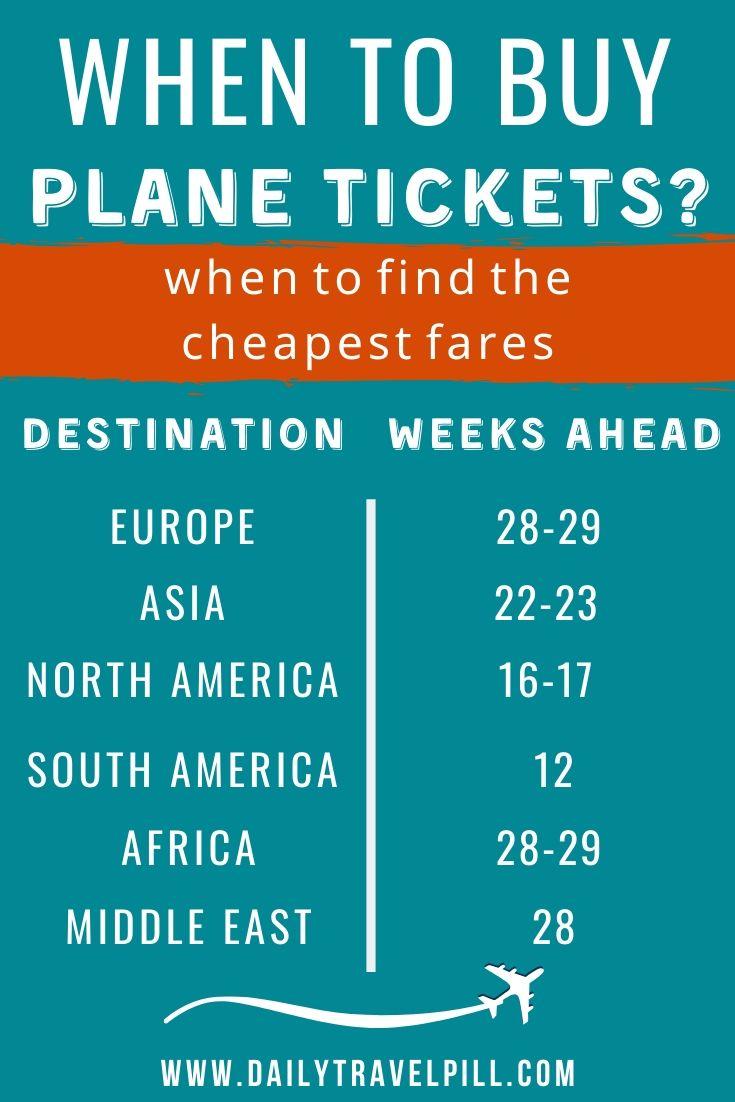
For domestic flights, the consensus among travel experts and financial analysts points to a “sweet spot” of booking between one to three months before your departure date. Within this window, airlines are typically calibrating their prices, adjusting them based on initial demand signals without yet resorting to last-minute price gouging. Booking too early (e.g., six months or more in advance) might mean you miss out on sales or price drops that occur closer to the departure date, as airlines are still testing the market. Booking too late, especially within three weeks of departure, almost invariably results in higher prices, as airlines anticipate that last-minute travelers have less price sensitivity.
For international flights, this window extends slightly, typically ranging from two to eight months out. International travel often involves more complex logistics, higher demand for specific seasons, and a longer lead time for planning, prompting airlines to solidify their pricing earlier. Sticking to these general booking windows can significantly improve your chances of finding a financially attractive fare.
Best Days to Book and Fly
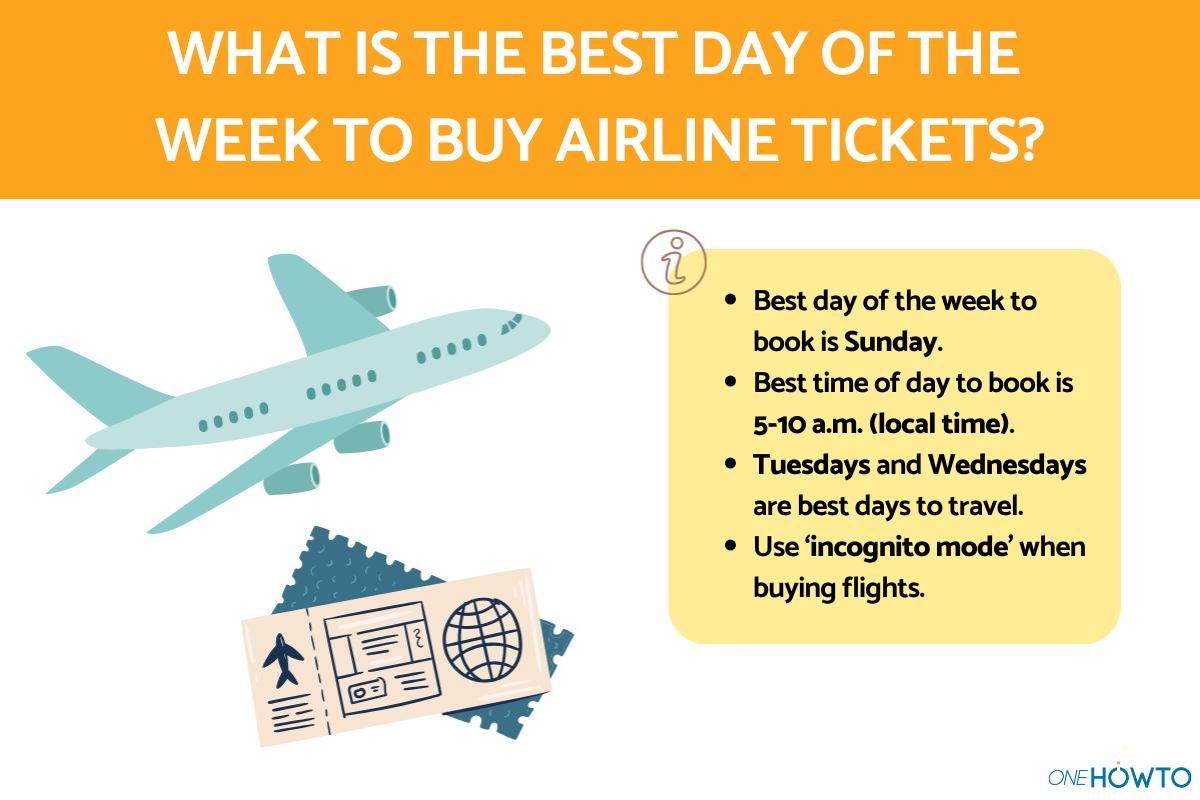
The day of the week you choose to book your flight can also have a subtle, yet noticeable, financial impact. While the legendary “Tuesday trick” (booking on a Tuesday afternoon) isn’t as universally true as it once was due to dynamic pricing, Tuesdays and Wednesdays often still prove to be good days to search and book. This is because airlines frequently release new sales or adjust prices based on competitor actions early in the week, and by Tuesday afternoon, many of these adjustments and competitive responses have settled.
Even more significant is the day you choose to fly. Financially, flying mid-week – specifically on Tuesdays, Wednesdays, and often Saturdays for international routes – is generally cheaper than flying on peak travel days like Fridays and Sundays. Weekend travel, particularly Sunday returns, sees a surge in business and leisure travelers, driving prices up. Furthermore, early morning or late-night flights, while less convenient, often come with a lower price tag, representing another opportunity for financial savings if you’re willing to sacrifice some comfort.
Avoiding Peak Travel Times
This point ties directly into the seasonality discussed earlier but warrants specific emphasis for its significant financial implications. If your goal is to save money, it is paramount to avoid booking travel during peak holiday periods such as Christmas, New Year’s, Thanksgiving, Easter, and major school breaks (spring break, summer vacation). During these times, demand skyrockets, and airlines have little incentive to offer discounts. Prices can easily be double or triple the off-peak rates for the same route. Similarly, major sporting events, cultural festivals, or industry conferences can cause localized price surges. Financially astute travelers either plan their trips well in advance for these periods (within the earliest part of the “sweet spot” booking window) or, more effectively, adjust their travel dates to just before or after these peak periods. Even shifting your departure or return by a day or two can sometimes yield substantial financial savings.
Leveraging Financial Tools and Strategies for Savings
Beyond timing, a proactive approach involves utilizing various tools and strategies to monitor prices, maintain flexibility, and capitalize on every potential saving opportunity.
Price Tracking and Alert Tools
In the digital age, a wealth of online tools has emerged to empower consumers in their quest for cheaper flights. Websites like Google Flights, Skyscanner, Kayak, and Hopper offer robust price tracking and alert functionalities. These tools allow you to set up alerts for specific routes and dates, notifying you via email or push notification when prices drop or are predicted to change. This continuous financial monitoring negates the need for manual, daily checking and ensures you don’t miss out on a fleeting deal. Many also offer “price prediction” features, advising whether to “buy now” or “wait,” though these are based on algorithms and should be used as guides, not guarantees. Integrating these tools into your financial planning for travel is essential for staying ahead of price fluctuations.
Flexibility is Your Financial Friend
One of the most powerful money-saving strategies is flexibility. If your travel dates are not set in stone, exploring a range of departure and return dates, or even slightly altering your destination airport, can unlock significant savings. Many flight search engines offer “flexible date” options, allowing you to view prices across an entire month or even year. A difference of just one or two days can sometimes slash hundreds of dollars off your fare. Similarly, if your destination has multiple airports (e.g., New York City with JFK, LGA, EWR), checking prices to all of them, or even nearby cities, can reveal cheaper alternatives, especially when paired with affordable ground transportation. This financial agility requires a shift in mindset from rigid planning to opportunistic adaptation.
Browser Habits and Data Privacy
While not a universally proven tactic, many travelers advocate for using incognito or private browsing modes when searching for flights, or even a Virtual Private Network (VPN) to appear as though you’re searching from a different country. The theory is that some airline websites or Online Travel Agencies (OTAs) may use cookies to track your search history and potentially inflate prices for routes you’ve repeatedly viewed, creating a sense of urgency. While concrete evidence for widespread implementation of this specific dynamic pricing mechanism is debated, it costs nothing to employ and can provide peace of mind. Clearing your browser’s cookies regularly, or starting your search in incognito mode, are simple steps that might prevent perceived price manipulation and maintain financial privacy during your search.
Credit Card Rewards and Airline Loyalty Programs
For frequent travelers, leveraging credit card rewards and airline loyalty programs can significantly reduce the out-of-pocket cost of flights. Many travel-focused credit cards offer substantial sign-up bonuses in the form of miles or points, which can be redeemed for free or discounted flights. These cards often come with additional perks like free checked bags, lounge access, or priority boarding, further enhancing the financial value of your travel. Similarly, enrolling in airline loyalty programs allows you to earn miles with every flight, which accumulate over time. By strategically choosing credit cards and consistently flying with preferred airlines (or their partners), you can build up a valuable reserve of points and miles that act as a personal travel savings account, substantially impacting your overall travel expenditure.
Common Pitfalls and How to Avoid Them (Financial Mistakes)
Even with the best intentions, travelers often fall into common traps that lead to overpaying for plane tickets. Recognizing and avoiding these financial missteps is crucial for maximizing your savings.
Last-Minute Bookings
One of the most expensive financial mistakes a traveler can make is booking a flight at the last minute. Airlines know that travelers needing to fly urgently have very little price elasticity – they need to be on that flight, regardless of cost. Consequently, fares for flights booked within a week or even two weeks of departure tend to be astronomically higher. While an emergency may sometimes necessitate a last-minute trip, for planned travel, spontaneity comes with a hefty financial penalty. Proactive planning, adhering to the “sweet spot” booking windows, is the best defense against these inflated fares.
Overlooking Hidden Fees
The advertised price of a plane ticket is often just the baseline. Many budget airlines, and increasingly traditional carriers, unbundle their services, charging extra for what used to be standard inclusions. These “hidden fees” can quickly erode any perceived savings. Common culprits include:
- Baggage fees: For checked bags, and sometimes even carry-on bags.
- Seat selection fees: Charging extra to pick your preferred seat.
- Printing boarding pass fees: Some airlines charge if you don’t check-in online or use their app.
- Credit card processing fees: For certain payment methods.
Always calculate the total cost of your flight, including all necessary add-ons, before making a purchase decision. Sometimes, a slightly more expensive ticket from a full-service carrier might end up being cheaper overall once all the fees from a budget airline are factored in. This holistic financial evaluation prevents unwelcome surprises.
Not Comparing Enough
In today’s fragmented travel market, relying on a single airline website or even just one online travel agency (OTA) is a significant financial oversight. Prices can vary considerably across different platforms. It is always wise to compare prices across several major flight aggregators (e.g., Google Flights, Skyscanner, Kayak, Expedia, Priceline) and, crucially, to then check the airline’s own website directly. Sometimes airlines offer exclusive deals or slightly lower prices on their own sites, or they might not even list all their fares on third-party aggregators. A diligent comparison shopping approach, treated as a fundamental financial due diligence, is key to uncovering the best available fare.
Conclusion
Finding the cheapest plane tickets is less about a single “trick” and more about adopting a strategic, financially informed approach to travel planning. It involves understanding the complex algorithms that drive airline pricing, timing your purchases within optimal windows, leveraging modern price-tracking tools, and embracing flexibility in your travel dates and destinations. By avoiding common financial pitfalls like last-minute bookings and overlooking hidden fees, and by diligently comparing options, you empower yourself to make smarter financial decisions for your travel. While the market for airfare will always remain dynamic, armed with these insights and strategies, you can transform the daunting task of flight booking into an opportunity for significant savings, allowing you to allocate more of your budget to enjoying the destination itself. Proactive planning and a keen eye for value are your best allies in the continuous quest for affordable air travel.
aViewFromTheCave is a participant in the Amazon Services LLC Associates Program, an affiliate advertising program designed to provide a means for sites to earn advertising fees by advertising and linking to Amazon.com. Amazon, the Amazon logo, AmazonSupply, and the AmazonSupply logo are trademarks of Amazon.com, Inc. or its affiliates. As an Amazon Associate we earn affiliate commissions from qualifying purchases.