
In an increasingly digital world, the simple question “When is Bank of America open?” still holds significant weight for millions of individuals and businesses managing their finances. While online banking and mobile apps offer unprecedented 24/7 access, understanding the operating hours of physical branches, customer service lines, and the broader financial ecosystem is crucial for effective money management, especially when in-person assistance, specialized services, or immediate cash access is required. This article delves into the various ways you can access Bank of America’s services, from traditional branch hours to the continuous availability of digital tools, empowering you to optimize your financial interactions.
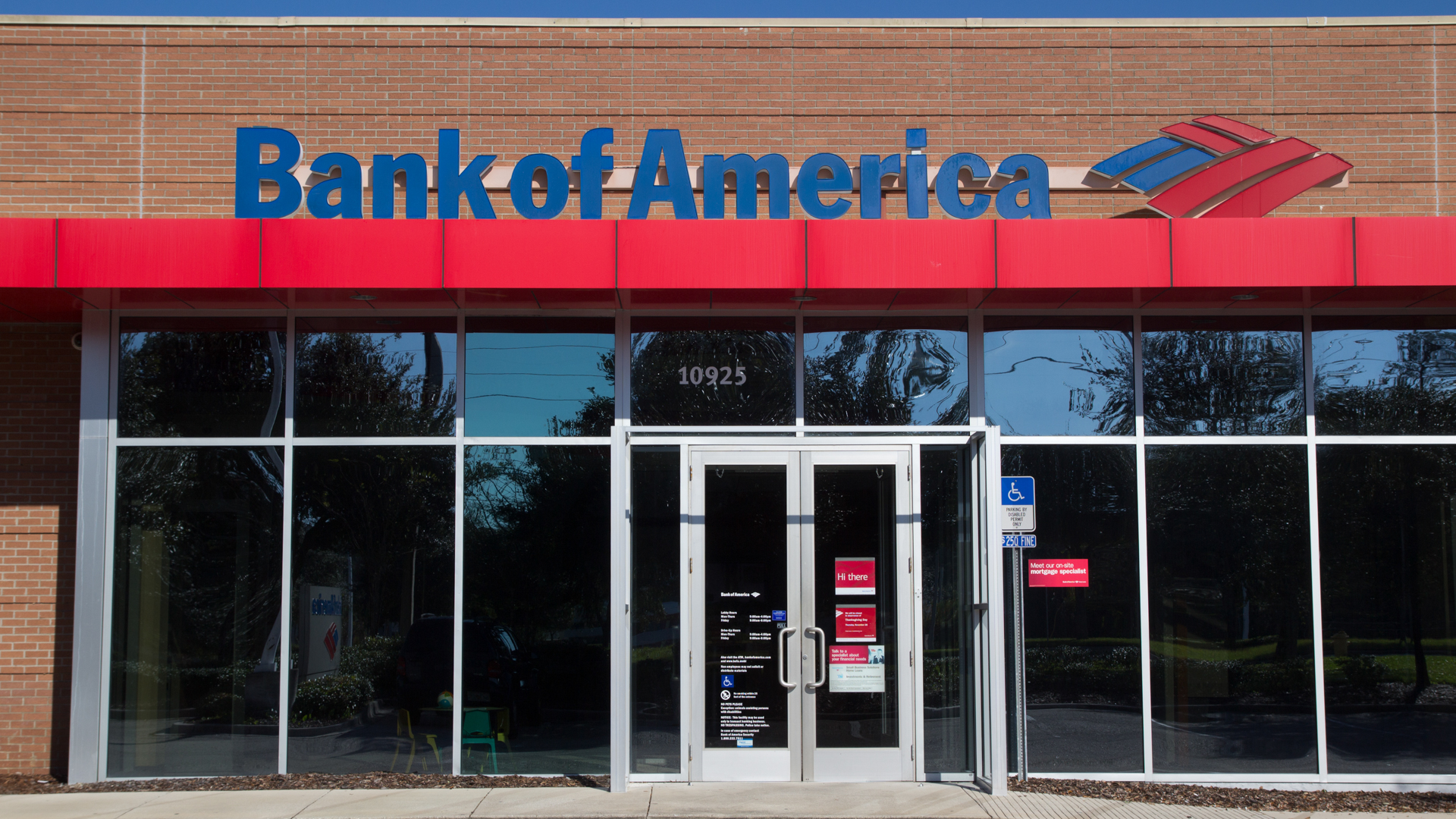
Traditional Branch Hours: The Core of Your Banking Needs
For many, a physical bank branch remains an indispensable part of their financial life. Whether it’s depositing a large check, discussing a loan, opening a new account, or resolving a complex issue, face-to-face interaction with a banking professional offers a level of assurance and personalized service that digital platforms sometimes cannot replicate. However, understanding the nuances of branch operating times is key to avoiding frustration and making the most of your visit.
Standard Operating Times: The Weekday Rhythm
Bank of America, like most major financial institutions, adheres to a typical weekday schedule for its branch operations. Generally, you can expect most branches to be open from Monday to Friday, with hours often falling within the range of 9:00 AM to 5:00 PM local time. However, these hours are not universal and can vary significantly based on the branch’s location, the volume of traffic it typically handles, and its specific service offerings. For instance, branches in busy urban centers might have extended hours compared to those in quieter suburban or rural areas. Some locations, especially those catering to a business clientele, might open slightly earlier, while others might close a bit later on certain days. It’s important to recognize that these are general guidelines, and relying on them without verification can lead to an untimely visit.
Weekend Availability and Exceptions: Planning Ahead
While weekday banking is standard, weekend access to Bank of America branches is often more limited. Many branches offer Saturday hours, typically for a shorter duration, such as 9:00 AM to 1:00 PM or 2:00 PM. These shortened Saturday schedules are designed to accommodate customers who cannot visit during the work week but still need in-person services. It is rare, almost unheard of, for Bank of America branches to be open on Sundays, as this is a universal day of rest and non-operation for most traditional banks.
Furthermore, federal holidays play a significant role in determining bank closures. Bank of America branches observe all federal holidays, meaning they will be closed on days like New Year’s Day, Martin Luther King, Jr. Day, Presidents’ Day, Memorial Day, Juneteenth, Independence Day, Labor Day, Columbus Day, Veterans Day, Thanksgiving Day, and Christmas Day. It is always prudent to check the holiday schedule in advance, especially if you have time-sensitive financial transactions planned. Understanding these exceptions is crucial for any diligent financial planner, as a missed deadline due to an unexpected closure can have real financial implications.
Finding Specific Branch Hours: Your Best Resource
Given the variability in operating hours, the most reliable way to confirm when a specific Bank of America branch is open is to use their official resources. The Bank of America website and its mobile banking app feature robust “branch locator” tools. By entering your zip code or current location, you can find nearby branches, view their precise operating hours, check for holiday closures, and even see available services. Calling the specific branch directly during their operating hours is also an option, though potentially less convenient. Always verify before making a special trip, especially for critical transactions. This proactive approach ensures you maximize your time and successfully complete your financial errands.
Beyond the Teller: Expanding Access Through Digital and Automated Channels
While physical branches provide crucial services, modern banking extends far beyond brick-and-mortar locations. Bank of America has invested heavily in digital and automated channels, offering customers unprecedented access to their finances 24 hours a day, 7 days a week, often from the palm of their hand. Leveraging these tools effectively is a cornerstone of contemporary money management.
24/7 Digital Banking: Your Pocket Branch
The Bank of America online banking portal and its highly-rated mobile app serve as your personal, always-open branch. These platforms offer comprehensive financial management capabilities around the clock, empowering you to perform a vast array of transactions and inquiries from anywhere with an internet connection. You can:
-
Check account balances and transaction history for all your linked accounts (checking, savings, credit cards, investments).
-
Transfer funds between your Bank of America accounts or to external accounts.
-
Pay bills to virtually any payee, often with scheduling options.
-
Deposit checks simply by taking a photo with your mobile device.
-
Send and receive money quickly and securely with Zelle®.
-
Manage credit cards, view statements, and make payments.
-
Set up alerts for account activity, balance thresholds, and payment reminders.
-
Access financial planning tools and insights.
These digital tools liberate you from the constraints of banking hours, allowing you to manage routine financial tasks at your convenience, whether it’s early morning before work or late at night.
ATM Network: Convenient Cash and Basic Transactions
Bank of America boasts an extensive network of ATMs (Automated Teller Machines) strategically located across the country, often available 24 hours a day. These machines provide critical access for immediate cash needs and several basic banking functions, even when branches are closed. Through an ATM, you can typically:
-
Withdraw cash from your checking or savings accounts.
-
Deposit checks and cash directly into your accounts (note that funds availability will still depend on processing times).
-
Check account balances.
-
Transfer funds between linked Bank of America accounts.
For Bank of America customers, using their branded ATMs is typically fee-free. The widespread availability of ATMs ensures that even during off-hours, you have a reliable way to access your funds for urgent needs, making them a crucial component of your financial access strategy.
Customer Service Hotlines: Assistance Anytime
For issues that require human intervention but don’t necessitate an in-person visit, Bank of America’s customer service hotlines are an invaluable resource. While specific departmental hours may vary, the general customer service lines are often available for extended hours, if not 24/7, for certain types of inquiries. You can typically reach out via phone for:
-
Reporting lost or stolen cards.
-
Disputing transactions.
-
General account inquiries.
-
Technical support for online banking or the mobile app.
-
Assistance with fraud protection.
These hotlines bridge the gap between self-service digital tools and in-person branch visits, providing a critical layer of support for urgent and complex issues outside of standard banking hours.
Strategic Banking: Optimizing Your Interactions with Bank of America
Understanding Bank of America’s various access points is only half the battle; the other half is learning how to use them strategically to optimize your time and financial outcomes. Effective financial management involves choosing the right channel for the right task at the right time.
Planning for Peak Times vs. Off-Peak: Minimizing Wait Times
If an in-person branch visit is unavoidable, being strategic about when you go can significantly impact your experience. Bank branches, like any service-oriented business, have peak hours. These typically include lunchtimes (12 PM – 2 PM), early mornings (9 AM – 10 AM), and late afternoons (3 PM – 5 PM), especially towards the end of the work week (Fridays).
To minimize wait times, consider visiting during mid-morning (10 AM – 12 PM) or mid-afternoon (2 PM – 3 PM) on weekdays. Tuesdays, Wednesdays, and Thursdays often see lighter traffic than Mondays (when people handle weekend backlogs) or Fridays (when people prepare for the weekend). By avoiding peak times, you can often enjoy quicker service and a more focused interaction with banking professionals.
Leveraging Digital Tools for Efficiency: Streamlining Routine Tasks
For the vast majority of routine banking tasks, the Bank of America mobile app and online banking platform are your most efficient tools. By consciously directing these tasks to digital channels, you free up your time and reserve branch visits for complex issues that truly require personal consultation, such as:
-
Applying for a mortgage or personal loan.
-
Setting up trust accounts.
-
Financial planning and wealth management consultations.
-
Notary services.
-
Resolving highly unusual or sensitive account discrepancies.
Think of it this way: if you can do it on your phone in under five minutes, don’t wait in line at a branch. This mindful approach to channel selection not only saves you time but also helps the bank serve all customers more effectively by reducing congestion for simple transactions.
Understanding Transaction Cut-off Times: When Your Money Moves
While digital platforms allow you to initiate transactions 24/7, it’s crucial to understand that processing cut-off times still apply. For example, a check deposited via the mobile app or ATM after a certain time (e.g., 8:00 PM EST) on a weekday might not begin processing until the next business day. Similarly, funds transferred to an external bank after the cut-off may not initiate until the following business day.
This means that while you can access your accounts anytime, the effective date or availability of funds might be delayed based on these processing windows. Always check the specific cut-off times for different transaction types (e.g., mobile deposits, wire transfers, bill payments) if timing is critical. This awareness is vital for managing cash flow, avoiding late fees, and ensuring timely payments.
Special Considerations and Future Trends in Banking Accessibility
The landscape of banking is constantly evolving, and staying informed about special considerations and future trends can further empower your financial management.
Holiday Schedules and Unexpected Closures: Always Verify
As mentioned earlier, Bank of America branches observe all federal holidays. However, it’s also important to be aware of potential unexpected closures. These can occur due to severe weather events, natural disasters, or local emergencies. In such cases, Bank of America typically communicates closures through its website, mobile app alerts, and local news outlets. Developing a habit of quickly verifying branch status during holidays or adverse conditions can save you a wasted trip and prevent disruptions to urgent financial plans.
The Evolution of Branch Banking: From Transaction to Advisory
The role of the physical bank branch is subtly shifting. With digital platforms handling most routine transactions, branches are increasingly evolving into advisory centers. This means you might find fewer teller lines and more dedicated spaces for consultations with financial specialists, loan officers, and wealth managers. This transformation aims to provide more value-added services in person, allowing customers to engage in deeper financial planning and complex problem-solving. Understanding this shift can help you set expectations for your branch visits and prepare accordingly.
Global Access and Travel: Banking Beyond Borders
For those who travel internationally, knowing how Bank of America operates globally is essential. Your Bank of America debit and credit cards are typically accepted worldwide wherever Visa or Mastercard are honored. You can use international ATMs (though foreign transaction fees and ATM operator fees may apply), and your online and mobile banking remains accessible from abroad (though data roaming charges or Wi-Fi access are needed). It’s always advisable to notify Bank of America of your travel plans to prevent your cards from being flagged for suspicious activity. This ensures seamless financial access even when you’re far from home.

Conclusion
The question “When is Bank of America open?” no longer has a single, simple answer. Instead, it reflects a multifaceted approach to financial access that balances traditional in-person services with the boundless convenience of digital and automated tools. While physical branches offer critical support during their defined operating hours, Bank of America’s online portal, mobile app, extensive ATM network, and customer service hotlines provide continuous access to your finances, empowering you to manage your money on your own terms, 24/7. By strategically leveraging these diverse access points and understanding their nuances, you can navigate your financial landscape with greater efficiency, control, and confidence.
aViewFromTheCave is a participant in the Amazon Services LLC Associates Program, an affiliate advertising program designed to provide a means for sites to earn advertising fees by advertising and linking to Amazon.com. Amazon, the Amazon logo, AmazonSupply, and the AmazonSupply logo are trademarks of Amazon.com, Inc. or its affiliates. As an Amazon Associate we earn affiliate commissions from qualifying purchases.