
For the global financial markets, few events carry as much weight as Apple Inc.’s quarterly earnings reports. As one of the world’s most valuable companies and a cornerstone of major indices like the S&P 500 and the Nasdaq-100, Apple’s financial performance acts as a barometer for consumer health, the strength of the technology sector, and the broader global economy. For investors, knowing when Apple reports is only the beginning; understanding how to interpret these reports is essential for making informed capital allocation decisions.
The Seasonal Rhythm of Apple’s Financial Calendar
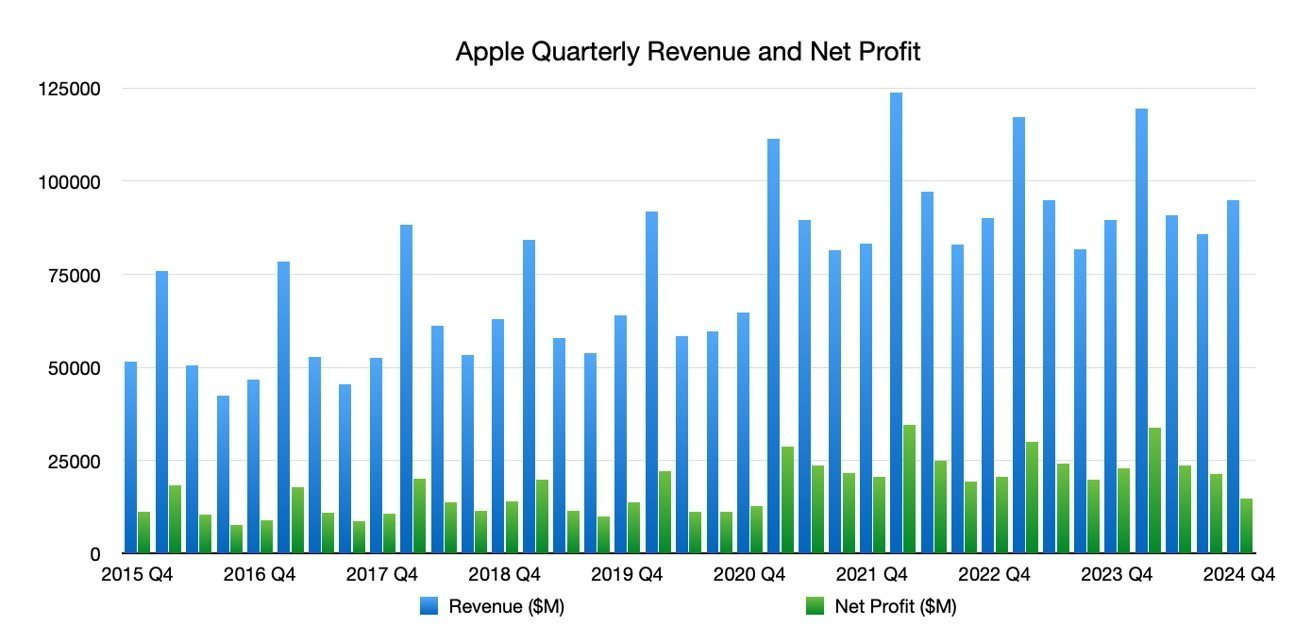
Apple operates on a fiscal year that typically begins in late September or early October. This means their first fiscal quarter (Q1) coincides with the heavy-spending holiday season, usually making it their most significant reporting period of the year. Investors generally anticipate earnings releases four times a year, occurring roughly one month after the close of each fiscal quarter.
Typical Timing and After-Hours Dynamics
While exact dates vary annually, Apple traditionally follows a consistent schedule. The first-quarter results are typically released in late January, the second-quarter in late April or early May, the third-quarter in late July or early August, and the fourth-quarter/fiscal year-end results in late October or early November.
The mechanics of the release are standardized: Apple issues its formal earnings press release shortly after the market closes at 4:00 PM ET. This is followed by a live audio webcast and conference call at 5:00 PM ET, featuring CEO Tim Cook and CFO Luca Maestri. During these calls, management provides granular details that the raw numbers might obscure, offering insights into regional performance and future expectations. For the active trader, the period between 4:00 PM and 5:00 PM is often characterized by intense price volatility as institutional algorithms and retail investors digest the headline figures—Revenue and Earnings Per Share (EPS).
Why the Date Matters for Market Volatility
The announcement of the earnings date itself often triggers a shift in market sentiment. When Apple confirms its reporting date (usually two to three weeks in advance), options activity often spikes. Traders use “straddles” or “strangles” to bet on the magnitude of the stock’s movement, regardless of the direction.
Because Apple carries such a heavy weighting in passive investment vehicles like ETFs, its earnings can pull the entire market up or down. A “beat and raise”—where the company exceeds analyst estimates and provides positive forward guidance—can spark a rally across the tech sector. Conversely, a miss or cautious guidance can lead to a “risk-off” environment, impacting everything from semiconductor suppliers to luxury consumer goods.
Key Indicators: What Every Investor Should Watch
To the uninitiated, an earnings report is a sea of numbers. However, savvy investors focus on a specific set of metrics that reveal the underlying health of Apple’s business model and its ability to generate sustainable long-term value.
The Services Pivot and Margin Expansion
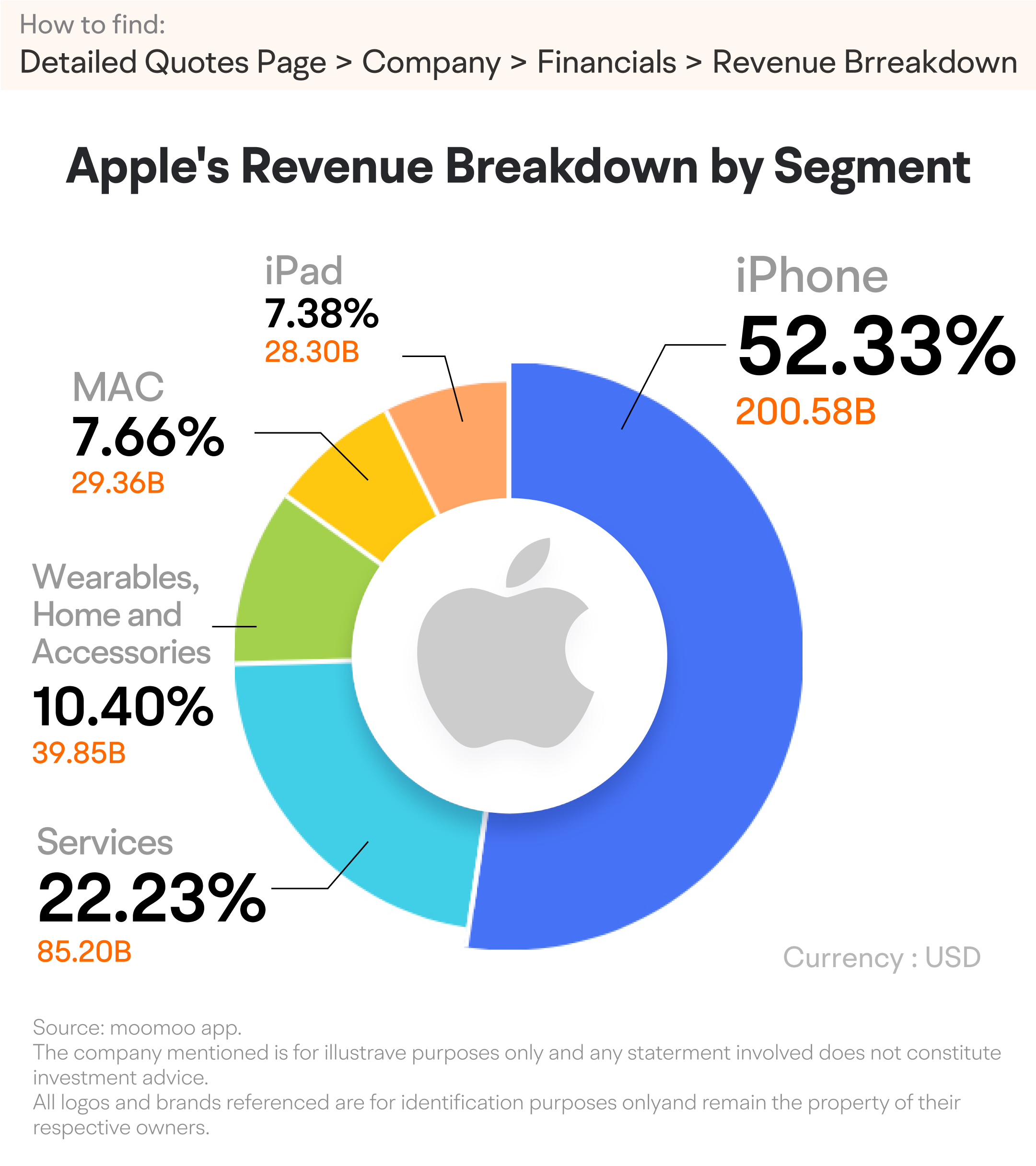
While the iPhone remains the flagship product, the “Services” segment has become the darling of Wall Street. This includes revenue from the App Store, Apple Music, iCloud, Apple Pay, and Apple TV+. From a financial perspective, Services are highly attractive because they provide recurring revenue and carry significantly higher gross margins than hardware.
When reviewing the earnings report, investors should look at the year-over-year growth rate of the Services division. A growing Services segment suggests that Apple is successfully “monetizing” its massive installed base of active devices. If hardware sales slow down due to longer upgrade cycles, a robust Services segment can act as a financial cushion, maintaining profitability even in lean years for the iPhone.
Greater China and Global Macroeconomic Headwinds
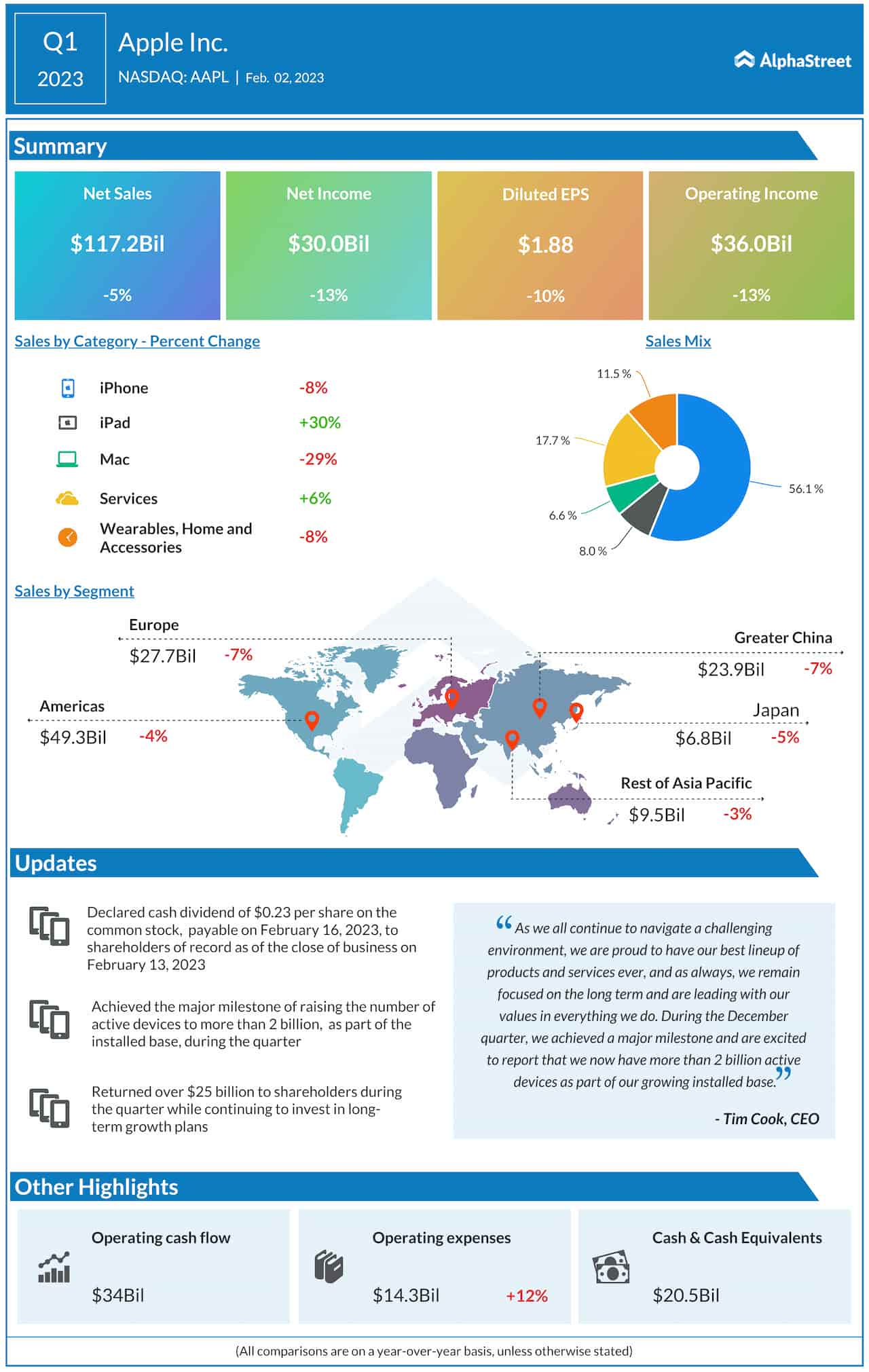
Apple is a truly global corporation, but its performance in “Greater China” is often the most scrutinized regional data point. China serves as both a critical manufacturing hub and a massive consumer market. Financial analysts look for signs of shifting consumer preferences or geopolitical tensions that might affect sales.
Furthermore, because Apple generates a significant portion of its revenue outside the United States, foreign exchange (FX) fluctuations play a major role in the bottom line. A strong U.S. dollar can act as a “headwind,” making Apple’s products more expensive abroad or reducing the value of international sales when converted back to dollars. Management’s commentary on “constant currency” growth provides a clearer picture of how the business is performing without the noise of currency volatility.
The Strategic Role of Capital Return Programs
One of the primary reasons Apple remains a favorite among institutional investors and pension funds is its aggressive capital return program. Even if revenue growth stays modest, the company’s ability to return cash to shareholders is unparalleled in corporate history.
Dividends and the Power of Compounding
Apple’s dividend, while perhaps offering a lower yield than traditional utility or consumer staple stocks, is characterized by its safety and consistent growth. For long-term investors, the quarterly dividend provides a stream of passive income that can be reinvested to purchase more shares. During earnings calls, investors look for announcements regarding dividend increases, which typically occur during the April/May reporting cycle. A consistent increase in the dividend is a signal of management’s confidence in the company’s long-term cash flow generation.
Share Repurchases and EPS Accretion
Perhaps more significant than the dividend is Apple’s share buyback program. By spending tens of billions of dollars each year to repurchase its own stock, Apple reduces its total shares outstanding. This is a critical financial engineering tool: when there are fewer shares, the “earnings” are divided among a smaller pool, which naturally increases the Earnings Per Share (EPS).
Investors track the “Cash and Marketable Securities” balance on the balance sheet to estimate how much “firepower” Apple has for future buybacks. A shrinking share count provides a “floor” for the stock price and demonstrates a commitment to shareholder value that is highly valued in the financial community.
Analyzing the Post-Earnings Market Reaction
The initial reaction to Apple’s earnings is often driven by “The Beat.” Analysts provide consensus estimates for revenue and EPS. If Apple reports $1.50 EPS against an estimate of $1.45, it is a “beat.” However, the stock price doesn’t always go up on a beat. This is where the concept of “priced in” comes into play.
“Beats,” “Misses,” and Forward Guidance
If the market has already rallied 10% in the weeks leading up to the earnings report, even a strong “beat” might result in a price drop—a phenomenon known as “sell the news.” The most important part of the report is often the guidance. Since the 2020 pandemic, Apple has occasionally refrained from providing specific numerical guidance, instead offering “directional insights.”
Investors listen closely to these insights. Are they seeing a slowdown in demand for the latest iPhone? Is the supply chain operating at full capacity? Are they increasing their investment in R&D for new categories like spatial computing or AI? The market is forward-looking; it cares far more about what Apple will do in the next six months than what it did in the last three.
Preparing Your Portfolio for Earnings Season
For the individual investor, Apple’s earnings date should be marked on the calendar not as a day to gamble, but as a day to audit their investment thesis. If you own Apple stock or an S&P 500 index fund, your net worth is directly tied to these numbers.
A prudent financial strategy involves looking past the immediate price action. High-frequency trading may cause the stock to swing 5% in either direction within minutes of the release, but long-term value is built on the trends identified over several quarters. Are margins staying consistent? Is the cash pile being used effectively? Is the ecosystem expanding?
By treating the “when” of Apple’s earnings as a scheduled check-up on one of the world’s most sophisticated financial engines, investors can move away from the noise of day-trading and toward a strategy of informed, long-term wealth building. Whether the news is a record-breaking holiday quarter or a cautious outlook on global trade, each earnings report is a new chapter in the financial story of a company that continues to define the modern economic landscape.
aViewFromTheCave is a participant in the Amazon Services LLC Associates Program, an affiliate advertising program designed to provide a means for sites to earn advertising fees by advertising and linking to Amazon.com. Amazon, the Amazon logo, AmazonSupply, and the AmazonSupply logo are trademarks of Amazon.com, Inc. or its affiliates. As an Amazon Associate we earn affiliate commissions from qualifying purchases.