
For any employer navigating the complexities of payroll taxes in the United States, understanding the IRS Form 941, Employer’s QUARTERLY Federal Tax Return, is paramount. This critical document ensures businesses accurately report and pay their federal income tax, Social Security, and Medicare taxes withheld from employee wages, along with the employer’s share of Social Security and Medicare taxes. Missing these deadlines or filing inaccurately can lead to significant penalties, making a clear grasp of Form 941’s due dates an essential component of sound business finance.
Understanding Form 941: The Employer’s Quarterly Obligation
Form 941 serves as the primary mechanism for most employers to report their payroll tax liabilities to the IRS. Unlike annual returns, this form is a quarterly obligation, reflecting the ongoing nature of employment tax collection. Its consistent and accurate submission is fundamental to maintaining compliance with federal tax law and avoiding costly financial repercussions.
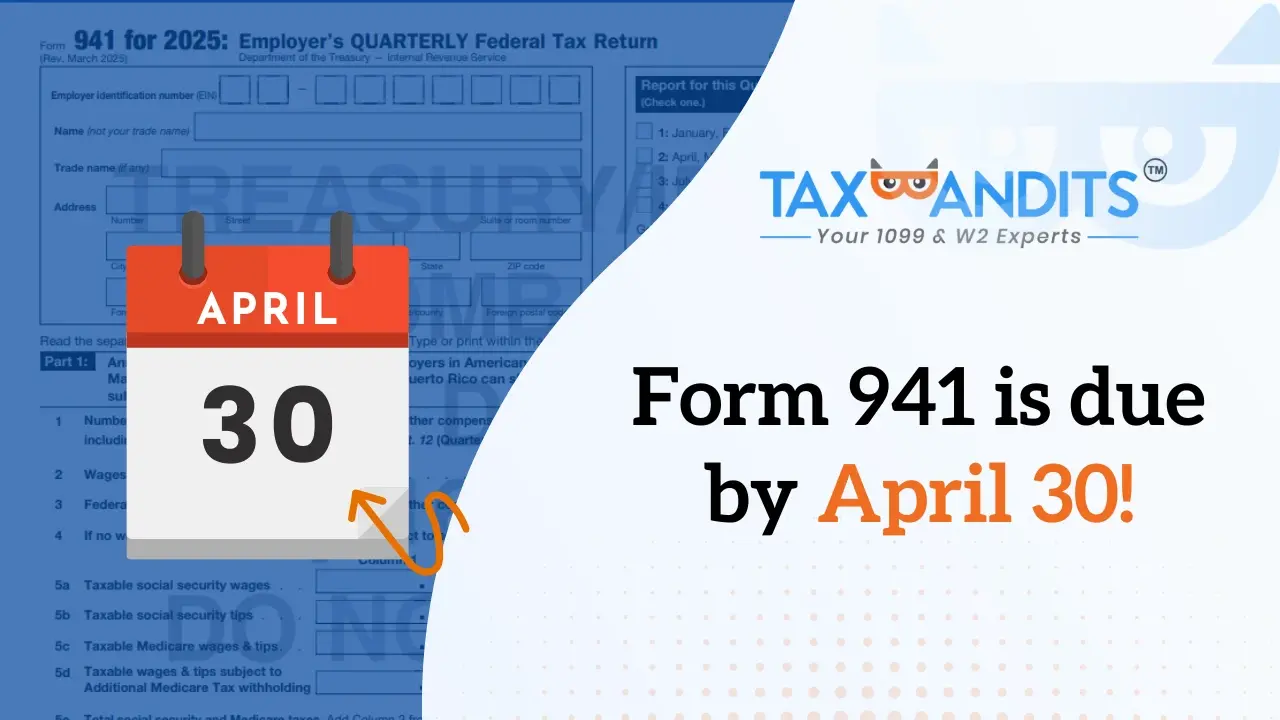
What is Form 941?
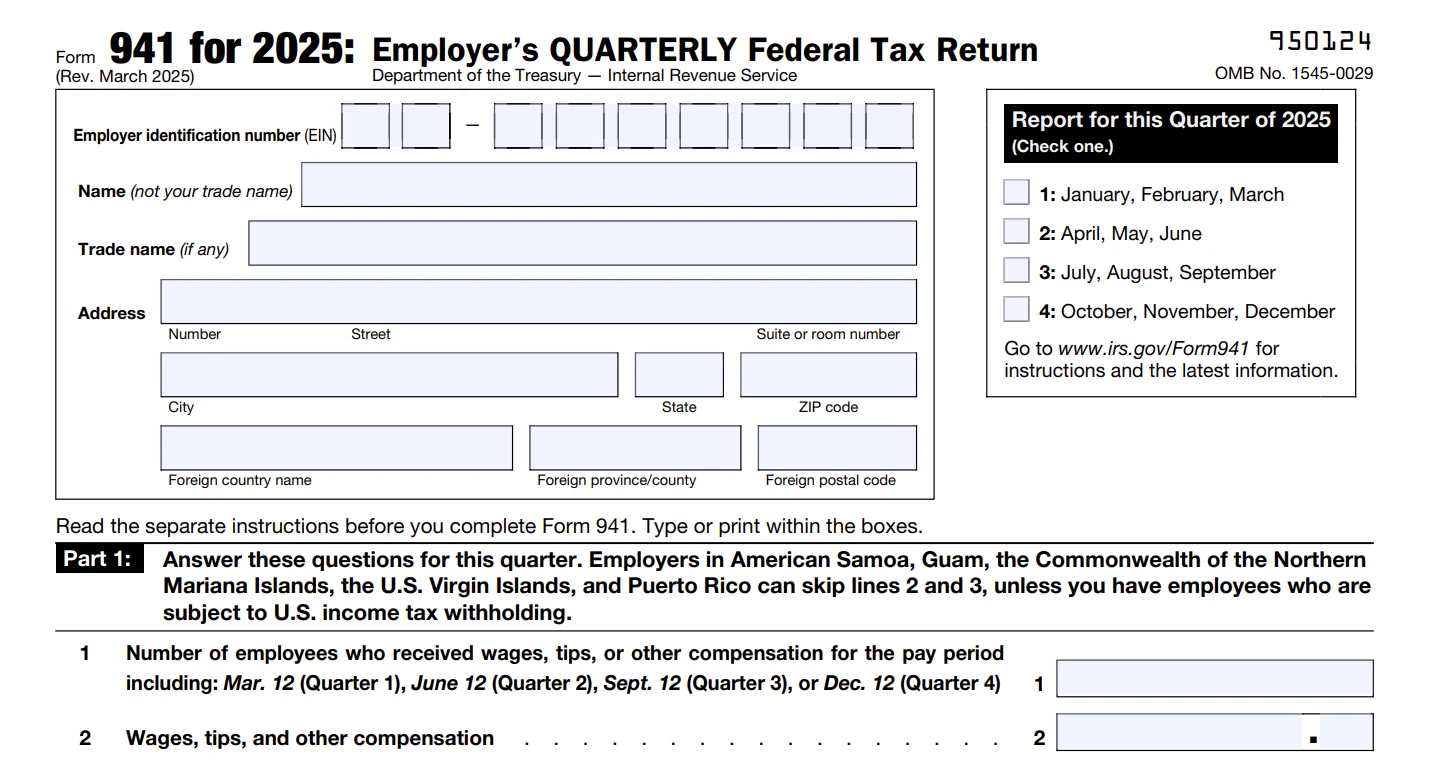
Form 941, officially titled “Employer’s QUARTERLY Federal Tax Return,” is used by employers to report:
- Wages paid to employees.
- Federal income tax withheld from those wages.
- Social Security and Medicare taxes (FICA taxes) withheld from employee wages.
- The employer’s share of Social Security and Medicare taxes.
- Adjustments for fractions of cents, sick pay, tips, and group-term life insurance.
- Qualified small business payroll tax credit for increasing research activities.
This form essentially consolidates all federal payroll tax activity for a given quarter, providing a comprehensive snapshot of an employer’s tax obligations related to their workforce. Most businesses with employees are required to file Form 941, with only a few specific exceptions for very small employers (who might file annually using Form 944) or those with agricultural employees (Form 943).
Who Needs to File Form 941?
Virtually every employer who pays wages subject to income tax withholding and Social Security and Medicare taxes must file Form 941 quarterly. This includes corporations, partnerships, and sole proprietors who have employees. Even if a business has no employees for a particular quarter, but previously filed Form 941, they must still file a “zero return” or indicate that they are no longer in business.
There are specific situations where a business might not need to file Form 941:
- Seasonal Employers: If a business hires employees only for certain times of the year, they are still generally required to file Form 941 for the quarters in which they pay wages. They must indicate on the form if they are a seasonal employer and do not have to file for quarters when they have no employees and pay no wages.
- Household Employers: Those who employ nannies, housekeepers, or other domestic workers generally report their taxes on Schedule H (Form 1040), Household Employment Taxes, not Form 941.
- Agricultural Employers: Employers of farmworkers typically file Form 943, Employer’s Annual Federal Tax Return for Agricultural Employees.
- Small Employers (Annual Filers): Very small employers who owe $1,000 or less in employment taxes for the year and paid $1,000 or less in employment taxes in either of the two previous years may be eligible to file Form 944, Employer’s ANNUAL Federal Tax Return, instead of Form 941. This allows them to report and pay their federal employment taxes annually rather than quarterly.
It’s crucial for businesses to correctly identify their filing obligations to ensure compliance and avoid potential penalties.
Navigating the Form 941 Quarterly Due Dates
The cornerstone of Form 941 compliance lies in understanding and adhering to its strict quarterly due dates. The IRS has established a predictable schedule, linking each quarter to a specific filing deadline. Diligence in meeting these deadlines is not merely a formality but a critical element of responsible financial management.
Standard Filing Schedule
Form 941 is a quarterly return, and as such, it covers four distinct periods throughout the year, each with its own filing deadline. These deadlines apply to both the submission of the form and the payment of any taxes due.
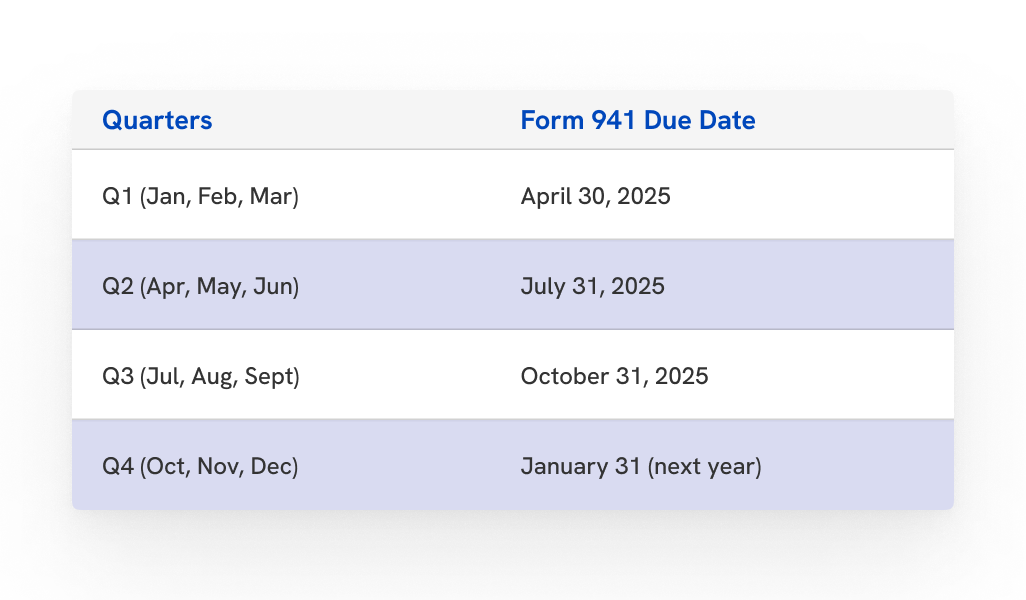
The four quarters and their corresponding due dates are as follows:
-
Quarter 1: January 1 to March 31
- Due Date: April 30
- Example: For wages paid from January 1 to March 31, 2024, Form 941 is due by April 30, 2024.
-
Quarter 2: April 1 to June 30
- Due Date: July 31
- Example: For wages paid from April 1 to June 30, 2024, Form 941 is due by July 31, 2024.
-
Quarter 3: July 1 to September 30
- Due Date: October 31
- Example: For wages paid from July 1 to September 30, 2024, Form 941 is due by October 31, 2024.
-
Quarter 4: October 1 to December 31
- Due Date: January 31 of the next year
- Example: For wages paid from October 1 to December 31, 2024, Form 941 is due by January 31, 2025.
It is important to note that these due dates are for filing the return and paying any remaining tax due. Most employers are required to deposit their federal employment taxes much more frequently (monthly or semi-weekly) throughout the quarter, rather than waiting until the Form 941 due date. The Form 941 reconciles these deposits with the actual tax liability.
What Happens if a Due Date Falls on a Weekend or Holiday?
The IRS provides a common-sense allowance for due dates that fall on non-business days. If any of the standard Form 941 due dates (April 30, July 31, October 31, or January 31) fall on a Saturday, Sunday, or legal holiday, the due date is automatically pushed to the next business day. This prevents businesses from being penalized for circumstances outside their control.
For instance, if April 30th falls on a Saturday, the deadline for Quarter 1 would shift to the following Monday, May 2nd (assuming it’s not also a holiday). Businesses should always consult the official IRS calendar or their payroll provider to confirm exact due dates for a given year, especially if a statutory holiday is near a filing deadline.
Furthermore, employers who make timely deposits of their taxes throughout the quarter may receive an extended filing deadline. If you made deposits on time in full payment of your taxes for the quarter, you have an additional 10 calendar days to file Form 941. This means the deadline for Quarter 1 would become May 10, Quarter 2 August 10, Quarter 3 November 10, and Quarter 4 February 10 of the next year. This extension is automatically granted when deposits are made correctly and on time, offering a small but helpful buffer for businesses.
Consequences of Late Filing and Non-Compliance
The IRS does not take employment tax non-compliance lightly. The taxes reported on Form 941 represent funds withheld from employees’ wages and the employer’s contributions, which are effectively held in trust for the government. Consequently, late filing, late payment, or inaccuracies can trigger a cascade of penalties and interest charges that can significantly impact a business’s financial health.
Penalties for Late Filing or Payment
The IRS imposes two primary types of penalties related to Form 941:
- Failure to File Penalty: If Form 941 is not filed by the due date (including extensions), the penalty is 5% of the unpaid tax for each month or part of a month that the return is late. This penalty is capped at 25% of your unpaid taxes.
- Failure to Pay Penalty: If you file on time but fail to pay the taxes due by the deadline, a penalty of 0.5% of the unpaid taxes is assessed for each month or part of a month that the taxes remain unpaid. This penalty is also capped at 25% of your unpaid taxes.
It’s crucial to understand that both penalties can be applied simultaneously if a business fails to file and pay on time. The maximum combined penalty can reach 47.5% (22.5% for failure to file and 25% for failure to pay) of the unpaid tax, in addition to the original tax liability. However, generally, the failure-to-file penalty is reduced by the failure-to-pay penalty when both apply, so the maximum combined penalty for both is 5% per month, up to 25%.
These penalties can accumulate rapidly, underscoring the importance of strict adherence to filing and payment schedules.
Interest on Underpayments
Beyond penalties, the IRS also charges interest on underpayments of tax. This interest is calculated on the amount of unpaid tax from the due date of the payment until the date the tax is fully paid. The interest rate is determined quarterly and is typically the federal short-term rate plus 3 percentage points. Unlike penalties, interest continues to accrue as long as there is an outstanding balance, and there is no cap on the total amount of interest that can be charged. This means a small underpayment can grow substantially over time if not addressed promptly.
The Importance of Accuracy
While late filing and payment penalties are steep, inaccurate reporting on Form 941 can also lead to significant issues. Errors in calculating wages, withholding amounts, or employer contributions can result in either an underpayment or an overpayment. If an underpayment is discovered during an audit, penalties and interest will apply. If an overpayment occurs, the process to claim a refund or adjustment (using Form 941-X, Adjusted Employer’s Quarterly Federal Tax Return or Claim for Refund) can be time-consuming and complex.
Deliberate misreporting or failure to remit taxes can lead to severe consequences, including criminal charges and personal liability for “trust fund recovery penalties” for responsible individuals within the business. These penalties can be equivalent to 100% of the unpaid trust fund taxes (income and employee FICA taxes).
Best Practices for Timely and Accurate Form 941 Filing
Proactive strategies and robust internal controls are indispensable for businesses aiming for flawless Form 941 compliance. By integrating best practices into their financial operations, employers can mitigate risks, ensure accuracy, and avoid the burdensome consequences of non-compliance.
Establishing Robust Payroll Systems
A well-organized payroll system is the backbone of accurate Form 941 reporting. This involves maintaining meticulous records of:
- Employee Information: Up-to-date W-4 forms, personal details, and compensation agreements.
- Wage and Hour Records: Precise tracking of hours worked, regular pay, overtime, bonuses, commissions, and other taxable compensation for each pay period.
- Withholding Calculations: Accurate calculations for federal income tax, Social Security, and Medicare taxes based on employee W-4s and current tax tables.
- Tax Deposits: Detailed records of all federal tax deposits made throughout the quarter, including dates and amounts.
Implementing a consistent process for data entry, reconciliation, and verification at each pay cycle minimizes the chances of errors accumulating by the end of the quarter. Regular audits of these records can catch discrepancies before they become larger issues.
Utilizing Payroll Software and Services
For many businesses, particularly small to medium-sized enterprises, leveraging dedicated payroll software or outsourcing payroll to a professional service provider is a highly effective strategy.
- Payroll Software: Modern payroll software solutions (e.g., QuickBooks Payroll, ADP Run, Gusto) automate many of the complex calculations involved in payroll. They track wages, calculate withholdings, determine employer contributions, and often prepare Form 941 automatically based on the payroll data entered. Many also integrate with tax deposit systems, ensuring timely payments. This reduces manual errors and frees up valuable time.
- Payroll Service Providers: Outsourcing payroll to a reputable service means that experts handle all aspects of payroll processing, tax calculations, and compliance filings, including Form 941. These services stay abreast of changing tax laws and can provide peace of mind that filings are accurate and timely. This is particularly beneficial for businesses without dedicated in-house payroll specialists.
Regardless of the chosen method, ensure the software or service is up-to-date with current IRS regulations and tax rates.
Regular Reconciliation and Review
Before submitting Form 941, a thorough reconciliation process is critical. This involves comparing the total tax liability calculated for the quarter (as shown on Form 941) against the total federal tax deposits made during that quarter. Any discrepancies must be investigated and resolved.
Key reconciliation steps include:
- Verify Total Wages: Ensure the sum of all taxable wages reported on Form 941 matches your internal payroll records.
- Cross-check Withholdings: Confirm that the total federal income tax, Social Security, and Medicare taxes withheld from employees align with your payroll reports.
- Match Employer Contributions: Verify the employer’s share of Social Security and Medicare taxes.
- Reconcile Deposits: Ensure that the sum of all tax deposits made matches the reported liability.
This review process is an opportunity to catch and correct errors before the form is filed, preventing potential penalties and the need for amendments.
Proactive Planning for Peak Seasons
Businesses with seasonal fluctuations in employment or revenue should plan proactively for their Form 941 obligations. During periods of high activity, it’s easy for administrative tasks to be overlooked. Establishing clear internal deadlines that precede the official IRS due dates can create a necessary buffer. This might involve:
- Scheduling Payroll Reviews: Designating specific times for payroll review and reconciliation well in advance of the quarterly due date.
- Delegating Responsibilities Clearly: Ensuring that specific individuals or teams are assigned responsibility for different aspects of payroll and tax filing, with backup plans in place.
- Budgeting for Tax Liabilities: Ensuring adequate funds are available to cover tax deposits and the final quarterly payment, especially during peak seasons when cash flow might be tighter.
By embedding these best practices into their routine operations, businesses can transform the often-daunting task of Form 941 compliance into a streamlined and manageable process, safeguarding their financial standing and reputation.
Special Circumstances and Exceptions
While the standard rules for Form 941 filing apply to most employers, certain situations necessitate a slightly different approach or provide specific considerations. Understanding these exceptions is crucial for comprehensive compliance.
Business Closures or Seasonal Employers
When a business ceases operations, its obligation to file Form 941 doesn’t automatically end on the closure date. The final Form 941 must be filed for the quarter in which the business made its final wage payments. On this final return, the employer must check the box indicating that they have gone out of business or stopped paying wages, and they must enter the final date wages were paid. This ensures that the IRS has a clear record of the business’s termination of employment tax obligations.
For seasonal employers, as mentioned earlier, they must check the box on Form 941 indicating that they are seasonal. This signals to the IRS that they will not be filing returns for certain quarters when they have no employees or wages, preventing unnecessary inquiries about missing returns. They are only required to file for the quarters in which they pay wages.
De Minimis Exceptions
While most employers fall under the Form 941 requirement, there are specific de minimis exceptions related to tax deposit schedules. However, these exceptions do not exempt an employer from filing Form 941 itself.
- Annual Filers (Form 944): Very small employers whose annual federal employment tax liability (income tax, Social Security, and Medicare) is expected to be $1,000 or less may be instructed by the IRS to file Form 944 annually instead of Form 941 quarterly. If the IRS notifies a business that they must file Form 944, they should not file Form 941. This simplifies reporting for the smallest businesses.
- $2,500 Threshold for Deposit: If an employer’s total tax liability for the entire quarter is less than $2,500, they are generally allowed to pay the taxes when they file Form 941 for that quarter, rather than making monthly or semi-weekly deposits. This is a payment exception, not a filing exception, meaning Form 941 is still due on the standard quarterly deadlines. If the liability is $2,500 or more, then regular deposit rules (monthly or semi-weekly) apply.
These nuances highlight the importance of regularly reviewing IRS guidance and consulting with tax professionals to ensure that a business is meeting its specific federal tax obligations accurately and on time. Staying informed is the best defense against compliance pitfalls and unexpected penalties.
aViewFromTheCave is a participant in the Amazon Services LLC Associates Program, an affiliate advertising program designed to provide a means for sites to earn advertising fees by advertising and linking to Amazon.com. Amazon, the Amazon logo, AmazonSupply, and the AmazonSupply logo are trademarks of Amazon.com, Inc. or its affiliates. As an Amazon Associate we earn affiliate commissions from qualifying purchases.