
In the complex ecosystem of the global stock market, few events carry as much weight as the quarterly earnings release from Alphabet Inc., the parent company of Google. For institutional investors, day traders, and long-term retail holders alike, the question of “when Google earnings” occur is more than a matter of date and time; it is a pivotal moment that defines market sentiment, dictates capital flow, and serves as a barometer for the health of the digital economy. Understanding the nuances of these financial disclosures requires a deep dive into the mechanics of the earnings calendar, the critical metrics that move the needle, and the strategic implications for a diversified investment portfolio.
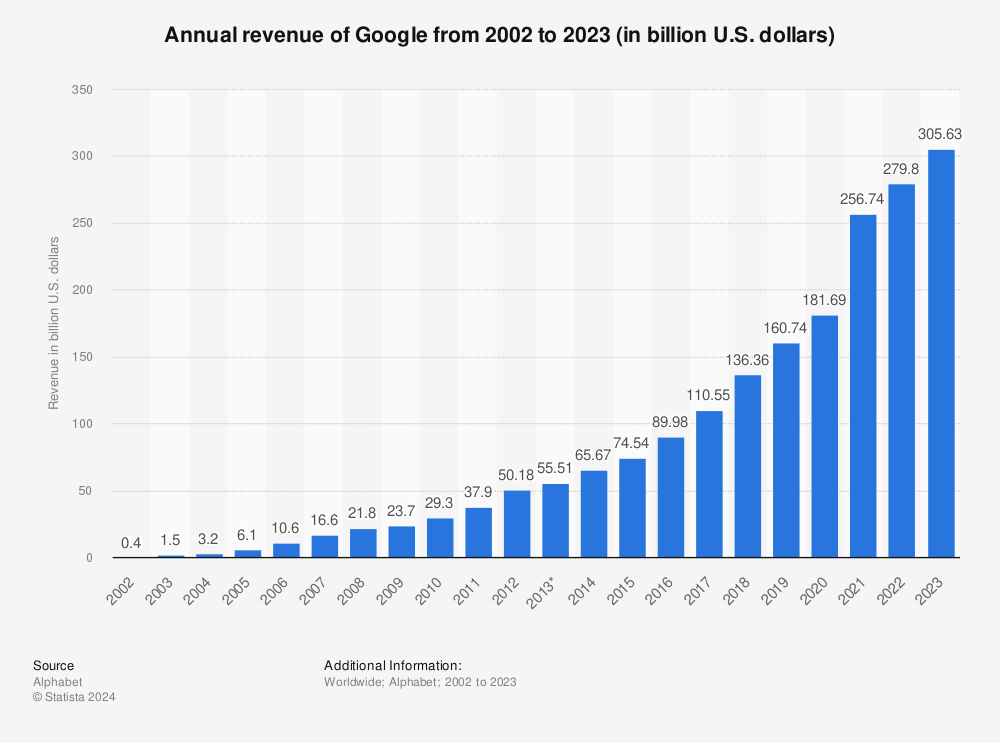
The Cadence of the Earnings Calendar
Alphabet operates on a standard fiscal year that aligns with the calendar year, ending on December 31st. Consequently, the company releases its financial results four times a year, typically following a predictable rhythm that market participants track with meticulous precision. These reports are usually scheduled for late January (covering the fourth quarter and full fiscal year), late April (first quarter), late July (second quarter), and late October (third quarter).
The Anticipation and the “Quiet Period”
Leading up to the announcement, the company enters what is known as a “quiet period.” During this time, federal regulations and internal policies prevent corporate executives from speaking publicly about the company’s financial health or providing guidance to analysts. For the investor, this period is often characterized by increased volatility and a flurry of “earnings whispers”—unofficial forecasts from analysts and insiders that may differ from the consensus estimates published on major financial platforms.
The actual announcement typically occurs after the market close, around 4:00 PM Eastern Time. This timing is strategic, allowing the market to digest the raw data of the press release before the official earnings call begins, usually 30 to 45 minutes later. During this call, the CEO and CFO provide context to the numbers, discuss forward-looking guidance, and answer questions from top-tier equity analysts.
The Role of the SEC Filings
While the press release offers the “highlights,” the true depth of Google’s financial position is found in the Form 10-Q (quarterly) and Form 10-K (annual) filings submitted to the Securities and Exchange Commission (SEC). These documents provide granular detail on everything from legal risks to the specific performance of various business segments. Investors who prioritize fundamental analysis wait for these filings to confirm the sustainability of the growth patterns reported in the initial headlines.
Deciphering the Numbers: Metrics That Matter
When the earnings report finally drops, the “headline” numbers—Revenue and Earnings Per Share (EPS)—are the first to hit the news wires. However, for a behemoth like Alphabet, these figures only tell part of the story. Professional investors look beneath the surface at specific operational segments to gauge the company’s competitive moat and future profitability.
Google Search and Advertising Resilience
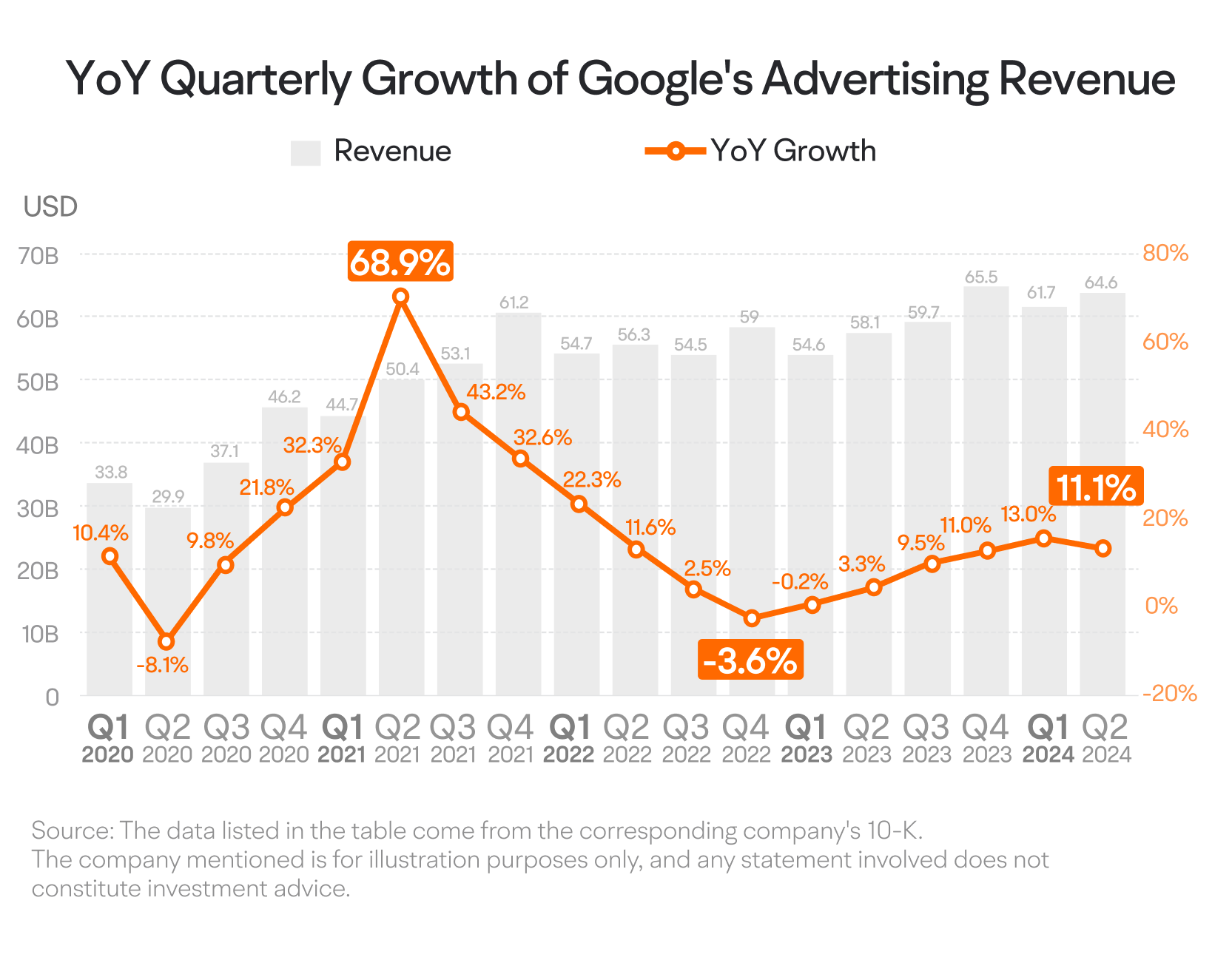
At its core, Alphabet remains an advertising powerhouse. Investors scrutinize “Google Search & other” revenues as the primary engine of the business. Even in a fluctuating macroeconomic environment, search advertising is often viewed as “must-have” spend for businesses, making it more resilient than brand-building display ads. Analysts pay close attention to “Cost Per Click” (CPC) and “Paid Clicks” to determine if the company is maintaining its pricing power in an increasingly competitive landscape.
The Growth Engine: Google Cloud
Google Cloud has transitioned from a high-growth experiment to a significant contributor to the bottom line. As businesses migrate to the cloud and integrate artificial intelligence into their operations, this segment’s growth rate is a critical indicator of Alphabet’s success in diversifying away from advertising. Investors look for “Operating Margin” within the Cloud segment; seeing this move from a loss to a consistent profit is often a major catalyst for stock price appreciation.
YouTube and the Creator Economy
YouTube is not just a video platform; it is a significant portion of the global entertainment budget. When reviewing earnings, savvy investors look for growth in YouTube’s advertising revenue as well as its “Subscription, Platforms, and Devices” revenue, which includes YouTube TV and YouTube Music. The rise of “Shorts” and the platform’s ability to compete with TikTok is a recurring theme in earnings calls, as it directly impacts long-term user retention and monetization.
“Other Bets” and Long-Term Speculation
Alphabet’s “Other Bets” segment includes moonshot projects like Waymo (autonomous driving) and Verily (life sciences). While these segments typically operate at a loss, any narrowing of those losses or news of commercial breakthroughs can spark investor interest. This section of the earnings report provides a glimpse into the company’s vision for the next decade of technological and financial growth.

Market Volatility and the “Earnings Whisper”
The period surrounding the earnings release is often the most volatile time for Alphabet’s stock (GOOG and GOOGL). This volatility is driven by the gap between “Consensus Estimates” and actual performance. If Alphabet reports record-breaking profits but misses the consensus revenue target by even a small margin, the stock may sell off sharply.
Managing Post-Earnings Reaction
The “after-hours” market reaction is often a knee-jerk response to the headline figures. It is not uncommon for the stock to swing 5% to 10% in the minutes following the release. Strategic investors often avoid making trades in this highly illiquid window, choosing instead to wait for the earnings call. Frequently, a stock that was “down” on the initial news will recover during the call if management provides optimistic guidance or announces a new share buyback program.
The Significance of Share Buybacks and Dividends
Alphabet has historically used its massive cash reserves to repurchase its own shares, which increases the value of remaining shares by reducing the total supply. In recent years, the introduction of a dividend has also changed the investor profile of the company, attracting income-focused investors alongside traditional growth hunters. The announcement of an increased buyback authorization or a dividend hike during an earnings call is almost always viewed as a sign of financial strength and management confidence.
Long-Term Investment Strategies for Alphabet
Given the magnitude of Google’s impact on the S&P 500 and the Nasdaq 100, “when Google earnings” happen, the entire market moves. For the individual investor, navigating this requires a disciplined approach that prioritizes long-term value over short-term noise.
Dollar-Cost Averaging Around Earnings
For many, the best strategy is to ignore the timing of earnings entirely and utilize dollar-cost averaging (DCA). By investing a fixed amount at regular intervals, an investor buys more shares when the price is low (perhaps after a disappointing earnings report) and fewer shares when the price is high. This mitigates the risk of “timing the market” and failing, which is a common pitfall during the high-stakes earnings season.
Analyzing Relative Valuation
Earnings provide the “E” in the P/E (Price-to-Earnings) ratio. Following the release, investors should update their valuation models. Is Alphabet trading at a discount or a premium compared to its historical average? How does its growth-adjusted valuation (PEG ratio) compare to other “Magnificent Seven” peers like Microsoft or Amazon? A strong earnings report that isn’t accompanied by a massive price surge can often create a “buying the dip” opportunity for those focused on fundamentals.
The Role of Artificial Intelligence in Future Earnings
As we look toward future earnings cycles, AI integration will be the dominant narrative. Investors are no longer just looking for revenue growth; they are looking for evidence that AI is improving internal efficiencies and creating new revenue streams. The capital expenditure (CapEx) figures reported in the earnings release tell the story of how much Alphabet is investing in the chips and data centers required to lead the AI revolution. High CapEx can temporarily weigh on margins, but for the long-term investor, it represents the “moat-building” necessary to ensure dominance in the next era of computing.
Tools for Tracking Performance
To stay ahead, investors must utilize professional-grade tools to monitor these financial milestones. Relying on news headlines is often insufficient, as the market moves faster than the reporting.
-
Alphabet Investor Relations: The most reliable source for the official press release, the slide deck presentation, and the link to the live earnings webcast.
-
SEC EDGAR Database: For those who want to read the full 10-Q or 10-K filings to understand the granular financial health of the company.
-
Financial News Aggregators: Tools like Bloomberg, Reuters, and CNBC provide real-time updates on beat/miss expectations.
-
Earnings Calendars: Most brokerage platforms offer an automated calendar that can alert you to the specific date and time of the release weeks in advance.
By treating the “when” of Google earnings as a strategic opportunity rather than a moment of uncertainty, investors can position themselves to capitalize on the growth of one of the world’s most influential corporations. Whether you are looking for capital appreciation, dividend income, or a hedge against broader market movements, the quarterly report from Alphabet remains the gold standard for financial transparency and market direction.
aViewFromTheCave is a participant in the Amazon Services LLC Associates Program, an affiliate advertising program designed to provide a means for sites to earn advertising fees by advertising and linking to Amazon.com. Amazon, the Amazon logo, AmazonSupply, and the AmazonSupply logo are trademarks of Amazon.com, Inc. or its affiliates. As an Amazon Associate we earn affiliate commissions from qualifying purchases.