
In the fast-paced world of retail, the question “When does Urban Outfitters close?” is more than just a query about operational hours; it is a gateway into understanding the strategic cadence of one of the most successful lifestyle brands of the 21st century. While the literal answer varies by location—typically ranging from 7:00 PM to 10:00 PM depending on the urban density and local mall schedules—the metaphorical “closing” of Urban Outfitters refers to its ability to sunset outdated retail models and pivot toward a digitally-native, experience-driven brand identity.

To understand the operational logic of Urban Outfitters, one must look past the vinyl records and vintage-inspired apparel to the sophisticated brand strategy that dictates how, where, and when the brand interacts with its core demographic. This analysis explores the brand’s lifecycle, its corporate identity under the URBN umbrella, and the marketing maneuvers that keep its doors open—both physically and digitally—in an increasingly volatile retail landscape.
The Temporal Strategy: Why Store Hours Reflect Brand Positioning
The operating hours of an Urban Outfitters store are rarely arbitrary. They are a calculated reflection of the brand’s “Bohemian-Chic” and “Indie-Alternative” identity. Unlike big-box retailers that open at dawn to capture the early-morning commuter, Urban Outfitters typically opens later in the morning, aligning with the lifestyle of its primary audience: college students, creative professionals, and Gen Z trendseekers.
The Psychology of the Evening Rush
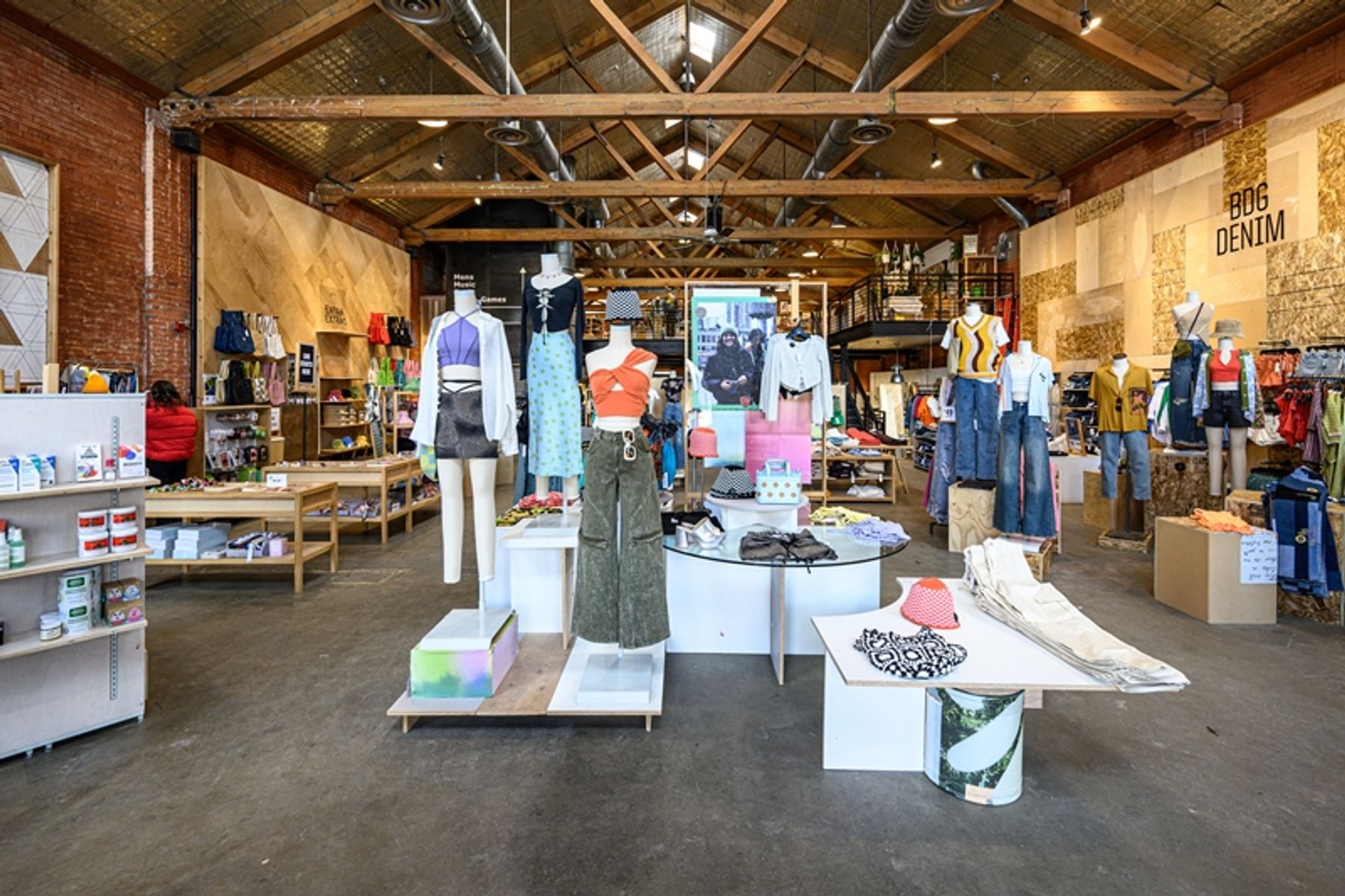
Most Urban Outfitters locations remain open later than traditional boutiques, often mirroring the foot traffic of nightlife districts or high-end shopping hubs. This is a deliberate branding move. By staying open until 9:00 PM or 10:00 PM, the brand positions itself as a destination for social exploration rather than just a place for transactional utility. The store environment—complete with curated playlists, industrial-chic lighting, and interactive displays—is designed to be a “third space.” For the Urban Outfitters brand, “closing time” is often the peak of brand engagement, where the physical store acts as a gallery of modern culture.
Regional Variations and Market Saturation
The brand’s corporate strategy involves a highly localized approach to operational hours. A flagship store in Manhattan’s Herald Square operates on a fundamentally different timeline than a location in a suburban outdoor mall in the Midwest. This flexibility allows the brand to maintain a premium “boutique” feel while operating at the scale of a global corporation. By adjusting closing times to match local peak hours, Urban Outfitters optimizes its labor costs and energy expenditure, ensuring that the brand’s physical presence remains profitable and sustainable.
The “Closing” of Traditional Retail: A Brand Pivot to Omnichannel
As many traditional retailers face the “closing” of their physical empires, Urban Outfitters has managed to thrive by redefining what a “store” actually is. The brand has transitioned from a brick-and-mortar clothing shop to a comprehensive lifestyle curator. This shift is a masterclass in brand strategy, focusing on the integration of physical and digital spaces.
The Curation of the “Store as an Experience”
Urban Outfitters has long understood that in the age of Amazon, people don’t go to stores just to buy products; they go to experience a brand. This is why many locations have experimented with in-store cafes, photo booths, and event spaces. The “closing” of a store’s daily operations does not end the consumer journey. Through their highly successful “UO Rewards” program and a seamless mobile app interface, the brand remains “open” 24/7.
The strategy here is “Omnichannel Excellence.” If a customer sees a jacket in-store at 8:55 PM but the store closes at 9:00 PM before they can decide, the brand’s digital infrastructure is designed to capture that intent immediately. Ship-from-store capabilities and “Buy Online, Pick Up In Store” (BOPIS) services ensure that the brand’s revenue stream is never restricted by the physical clock.
Moving Beyond Apparel: The Lifestyle Expansion
A key component of the Urban Outfitters brand strategy is its expansion into home goods, beauty, and tech accessories. By diversifying its inventory, the brand ensures it is relevant to the consumer at every hour of the day. From the bedding they wake up in to the speaker they use at a party, Urban Outfitters aims to be the silent partner in the customer’s lifestyle. This diversification insulates the brand against the cyclical nature of fashion trends, providing a more stable financial foundation.
Managing a Legacy Brand in a Fast-Fashion World
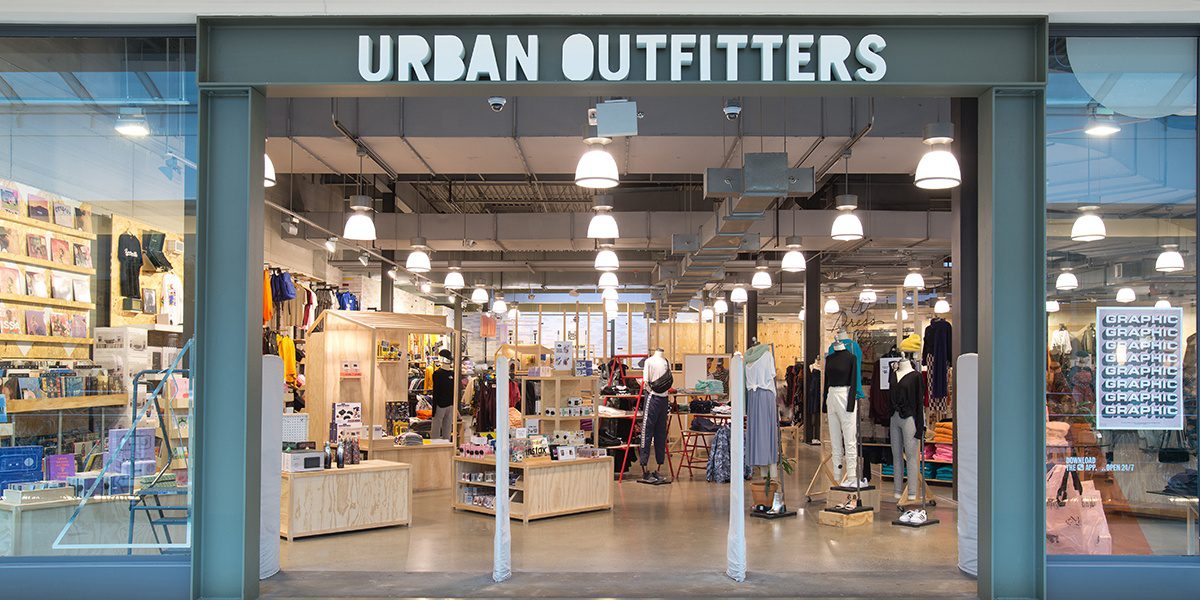
Maintaining a “cool” factor for over five decades is no small feat. Urban Outfitters, founded in 1970, has survived by constantly reinventing its corporate identity while staying true to its core ethos of individuality and creativity.
Authenticity and the Urban Outfitters Ethos
The brand’s marketing strategy relies heavily on “perceived authenticity.” Unlike fast-fashion giants that prioritize mass production and low costs, Urban Outfitters positions its products as curated finds. Even their mass-produced items are marketed with an aesthetic that suggests vintage rarity. This branding strategy allows them to command higher price points and foster deeper brand loyalty.
When a store closes for the night, the brand’s social media presence takes over. Their Instagram and TikTok strategies are not merely promotional; they are aesthetic-driven. By collaborating with influencers who embody the “UO girl” or “UO guy” persona, the brand maintains a constant dialogue with its audience, ensuring that the brand identity is reinforced even when the physical registers are silent.
The URBN Portfolio and Strategic Synergy
Urban Outfitters does not operate in a vacuum. It is part of the URBN portfolio, which includes Anthropologie, Free People, FP Movement, Terrain, and Nuuly. This corporate structure is a vital part of its brand strategy. By segmenting their market—Urban Outfitters for the younger, trend-focused crowd; Anthropologie for the affluent, mature creative; and Free People for the bohemian spirit—the parent company covers the entire lifecycle of a consumer.
This synergy allows for shared logistics, data analytics, and real estate strategies. If an Urban Outfitters location “closes” permanently in a specific mall, it is often replaced by another URBN brand that better fits the changing demographics of that area. This “portfolio agility” is why the brand remains a dominant force in retail real-world economics.
Financial and Strategic Indicators of Store Longevity
To truly answer when an Urban Outfitters might “close” in a broader sense—meaning, when a location might be shuttered—one must look at the financial metrics that guide the brand’s decision-making.
Data-Driven Real Estate
Urban Outfitters uses sophisticated data analytics to determine the health of its locations. They track everything from zip code density of online orders to local foot traffic patterns. A store doesn’t just close because sales are low; it closes if it no longer serves as an effective “showroom” for the brand. In the modern branding landscape, physical stores often serve as high-impact billboards. Even if a store’s direct sales are modest, its presence in a high-profile neighborhood might drive significant online traffic in that region.
The Role of Nuuly and the Circular Economy
One of the most innovative moves in recent URBN history is the launch of Nuuly, a clothing rental and resale platform. This move addresses the growing consumer demand for sustainability and the “circular economy.” By integrating Nuuly into the brand ecosystem, Urban Outfitters ensures that it stays relevant to the environmentally conscious Gen Z shopper. This forward-thinking strategy prevents the brand from becoming a “closing” relic of the era of disposable fashion.
The Future of Urban Outfitters: A Brand That Never Sleeps
The question of when Urban Outfitters closes is ultimately answered by the brand’s evolution into a digital-first entity. While the neon signs in the windows might dim at 9:00 PM, the brand’s influence is omnipresent.
Innovation in the Retail Space
Looking forward, the brand is likely to continue its investment in AI-driven personalization and augmented reality (AR) shopping experiences. Imagine a world where the “store” never closes because you can walk through a virtual Urban Outfitters via your headset at midnight, or use your phone to see how a UO Home rug looks in your living room at 3:00 AM. This is the direction of the brand’s current trajectory.
Conclusion: The Timelessness of a Lifestyle Brand
Urban Outfitters has mastered the art of the “perpetual open.” By aligning its store hours with the lifestyles of its customers, leveraging its corporate portfolio for maximum agility, and embracing the digital transformation of retail, the brand has ensured its longevity. The physical doors may close at the end of the day, but the brand’s strategic placement in the cultural zeitgeist keeps it open and operational in the minds of consumers worldwide.
In the landscape of modern branding, Urban Outfitters serves as a case study in how to age without losing relevance. It is a brand that understands that “closing” is not an end, but an opportunity to reset, restock, and re-engage with a consumer base that is always looking for the next trend. Whether you are checking the hours for a store in London, New York, or Los Angeles, you aren’t just looking for a time—you are looking for an entry point into a carefully constructed world of style and identity.
aViewFromTheCave is a participant in the Amazon Services LLC Associates Program, an affiliate advertising program designed to provide a means for sites to earn advertising fees by advertising and linking to Amazon.com. Amazon, the Amazon logo, AmazonSupply, and the AmazonSupply logo are trademarks of Amazon.com, Inc. or its affiliates. As an Amazon Associate we earn affiliate commissions from qualifying purchases.