
Every brand, no matter how iconic or seemingly invincible, faces the specter of decline. Like a long-running saga where beloved characters meet their untimely end, even the most successful brands can falter, lose their way, and eventually, “get bad” in the eyes of their audience. “The Walking Dead,” a cultural phenomenon that redefined the zombie genre and dominated television ratings for years, offers a compelling, albeit cautionary, tale in brand strategy. While fans debate endlessly about the exact moment the show started to falter creatively, for a brand strategist, the question isn’t just about narrative quality; it’s about the erosion of brand equity, audience engagement, and long-term viability. This analysis delves into how a juggernaut brand can succumb to fatigue, strategic missteps, and market saturation, offering invaluable lessons for any organization striving for enduring success.
The Anatomy of a Phenomenon: Building an Unstoppable Brand
To understand how a brand “gets bad,” we must first appreciate what made it good—or, in the case of “The Walking Dead,” truly exceptional. The show launched into a media landscape hungry for gritty, serialized drama, and it delivered in spades, building a brand that resonated deeply with a global audience.
Identifying the Core Appeal: What Made TWD Great?
“The Walking Dead” wasn’t just another zombie show; it was a character-driven drama set against the backdrop of an apocalypse. Its initial allure stemmed from several key brand pillars:
- Humanity Amidst Horror: The show masterfully explored the depths of human nature under extreme duress. It wasn’t about the zombies (walkers) as much as it was about the survivors – their alliances, betrayals, moral compromises, and desperate fight for a semblance of civilization. This narrative depth created a powerful emotional connection.
- Relatable Archetypes and Emotional Investment: From the stoic leader Rick Grimes to the resourceful Daryl Dixon and the pragmatic Michonne, the characters were complex, flawed, and often archetypal, making them instantly engaging. Viewers invested heavily in their fates, fostering intense loyalty.
- Constant, Unpredictable Threat: The world of “The Walking Dead” was brutal and unforgiving. The ever-present danger, coupled with unexpected character deaths, kept audiences on the edge of their seats, creating an addictive viewing experience. This unpredictability was a core part of its brand promise.
- Strong Source Material: Based on Robert Kirkman’s acclaimed comic book series, the show had a rich narrative foundation, a pre-existing fanbase, and a ready-made mythology to draw upon, providing a strategic advantage from the outset.
Strategic Launch and Market Penetration: Early Success Factors
AMC, the network behind the show, executed a brilliant brand launch and sustained growth strategy. They recognized the unique blend of horror, drama, and philosophical inquiry that the source material offered, positioning it as premium cable fare.
- Targeted Marketing: Early campaigns focused on the psychological thriller aspects, appealing to a broad audience beyond just horror fans.
- Cultivating a Community: The show fostered an incredibly active and passionate fan community through social media, fan conventions, and live after-shows like “Talking Dead.” This active community became powerful brand evangelists, driving organic growth and buzz.
- Consistent Quality and Pacing: In its early seasons, “The Walking Dead” maintained a high level of production quality, compelling storytelling, and a relentless pace, setting a benchmark for what viewers expected from the brand. This consistency built trust and reinforced its premium positioning.
The Inevitable Crossroads: Signs of Brand Fatigue and Audience Erosion
Even the most robust brands encounter challenges. For “The Walking Dead,” the transition from cultural phenomenon to a brand perceived by many as “bad” wasn’t a sudden collapse but a gradual erosion, marked by a series of creative and strategic missteps.
Creative Stagnation and Narrative Drift: Losing the Plot
A core strength of any entertainment brand is its storytelling. When that falters, the brand suffers.
- Repetitive Story Arcs: Critics and fans increasingly pointed to a predictable formula: survivors find a safe haven, a new antagonist emerges, conflict ensues, and the group moves on. This cyclical narrative led to a sense of déjà vu, diminishing the thrill of the unknown that was once a brand hallmark.
- Pacing Issues and Filler Episodes: The show began to struggle with its episodic pacing, with entire seasons sometimes dedicated to the build-up of a single conflict, followed by rushed resolutions. “Filler” episodes that didn’t advance the plot or character development became more common, frustrating dedicated viewers.
- Character Inconsistency and Uninspired Endings: Beloved characters sometimes made decisions that seemed out of character, or their development stagnated. Furthermore, the show’s controversial “death fakes” and prolonged farewells for key characters eroded trust and emotional impact.
Strategic Missteps and Fan Alienation: Disregarding the Core Audience
No brand can afford to ignore its most loyal customers. “The Walking Dead” made some critical errors that alienated its dedicated fanbase.
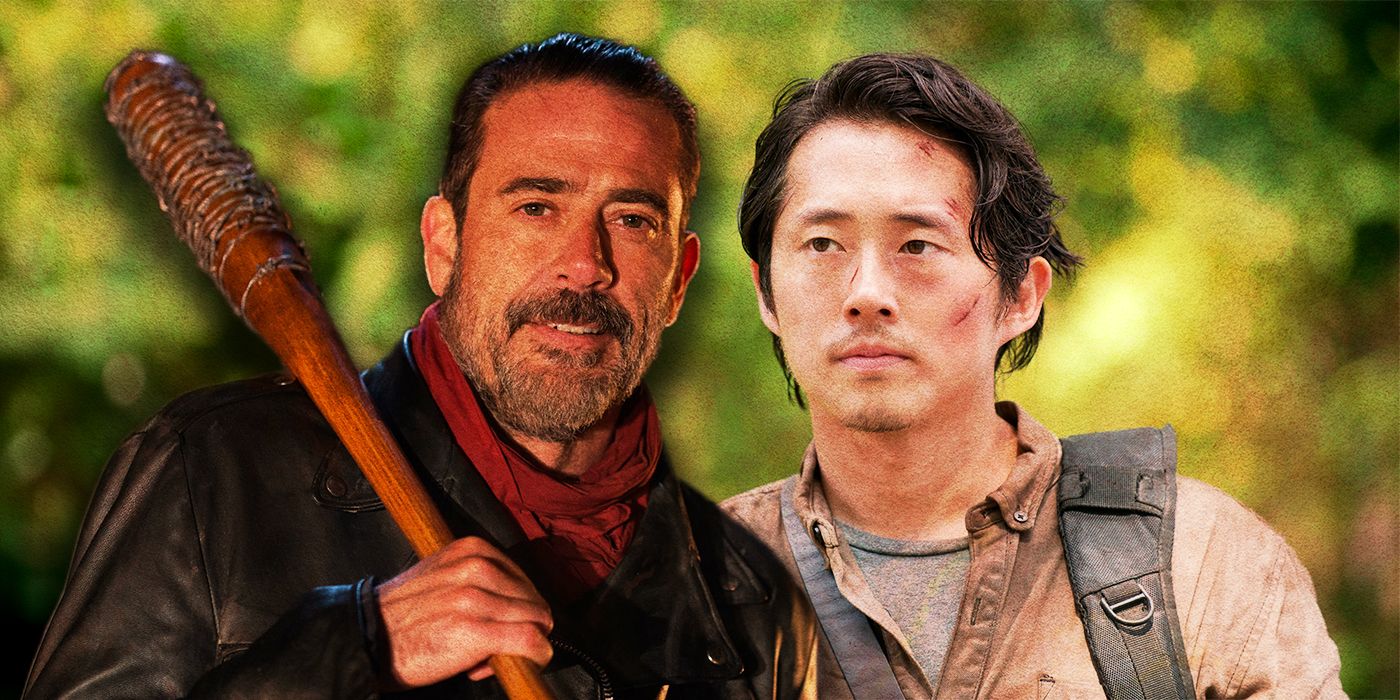
- Controversial Storyline Decisions: The brutal introduction of Negan and the subsequent cliffhanger, which promised a major character death without revealing who, drew widespread backlash. This felt like a cheap narrative trick, disrespecting the audience’s investment.
- Perceived Disregard for Source Material: While adaptations must evolve, significant departures from the comic, especially those that didn’t land well, frustrated fans who appreciated the original narrative blueprint.
- Loss of Core Identity: As the show progressed, some argued it strayed from its initial premise of survival and moral dilemmas, becoming more focused on inter-group warfare, which diluted its unique selling proposition.
Market Saturation and Spin-off Dilution: Spreading the Brand Too Thin
Success can lead to overextension. For “The Walking Dead” brand, the drive for expansion may have inadvertently contributed to its decline.
- “Fear The Walking Dead” and Other Spin-offs: While spin-offs can extend a brand’s life, introducing too many or poorly executed ones can dilute the core brand’s power. “Fear The Walking Dead,” while finding its own audience, arguably diverted creative energy and fragmented the fanbase.
- Diminishing Returns: Each new venture within the “Walking Dead Universe” had to compete not only with other shows but also with the original series, leading to diminishing returns in terms of critical acclaim and audience engagement. The scarcity and specialness of the original brand were lost.
Measuring the Decay: Quantifying Brand “Badness”
How do we quantify a brand “getting bad” beyond anecdotal fan sentiment? For a brand like “The Walking Dead,” the metrics tell a clear story of decline in brand health.
Shifting Audience Metrics: From Ratings to Engagement
While initial linear TV ratings were astronomical, they began a steady, often dramatic, decline.
- Declining Viewership: Peak ratings gave way to significant year-over-year drops. While some of this is attributable to broader shifts in TV consumption, the steepness of the decline for “The Walking Dead” outpaced many contemporaries.
- Social Media Sentiment: A shift from overwhelmingly positive, excited discussion to more critical, frustrated, or apathetic commentary on platforms like Twitter and Reddit indicated a significant downturn in brand perception.
- Merchandise and Ancillary Sales: While harder to track publicly, a dip in interest in related products, video games, or convention attendance could also signal a weakening brand halo.
- Critical Reception: Review aggregators like Rotten Tomatoes often showed a downward trend in critical scores for later seasons, aligning with fan sentiment.

Perceptual Value and Reputation Damage: The Long-Term Impact
The decline in immediate metrics has a profound impact on a brand’s long-term perceptual value.
- Brand Legacy: What started as a groundbreaking show eventually risked being remembered more for its decline than its peak, impacting its legacy and future syndication value.
- Cultural Relevance: The show’s ability to drive watercooler conversations and permeate popular culture diminished, ceding its place to newer, fresher narratives.
- Talent Attrition: High-profile cast departures, often cited as creative exhaustion or a desire for new challenges, can also be a symptom of a brand in decline, as top talent seeks more creatively fulfilling opportunities.
Resurrection or Rebranding? Strategies for a Stumbling Giant
When a brand reaches this “bad” stage, the organization behind it faces a critical choice: attempt a resurrection, embark on a comprehensive rebranding, or accept its natural life cycle and plan a graceful exit.
Re-evaluating Brand Purpose and Vision: Back to Basics
For “The Walking Dead,” and indeed any brand facing similar challenges, the first step is often a strategic introspection.
- Recapturing Original Magic: This involves revisiting the core tenets that made the brand successful and understanding if they are still relevant or if their execution has simply faltered. For the show, it might mean re-emphasizing human drama over zombie gore, or focusing on character agency.
- Fresh Perspectives: Bringing in new creative talent, showrunners, or marketing strategists can inject new life and help break free from established, but now detrimental, patterns.
- Clarity of Vision: Re-establishing a clear, compelling vision for the brand’s future – whether it’s a definitive ending, a new narrative direction, or a focused expansion – is crucial for internal alignment and external communication.
Innovation and Adaptability: Evolving with the Market
Brands must evolve. Sticking rigidly to a failing formula guarantees obsolescence.
- New Formats and Storytelling Approaches: The “Walking Dead” universe has attempted this with anthology series (“Tales of the Walking Dead”) and character-specific spin-offs, indicating an effort to innovate beyond the core show’s format.
- Platform Strategy: Adapting to streaming-first audiences and leveraging diverse platforms is critical for modern entertainment brands.
- Targeted Re-engagement: Identifying segments of the lost audience and designing specific campaigns or content tailored to their feedback can be a powerful reclamation strategy.
Nurturing Fan Loyalty and Community: Rebuilding Trust
A brand’s most valuable asset is its loyal community. Rebuilding trust requires genuine effort.
- Active Engagement and Listening: Brands must actively listen to feedback, acknowledge criticisms, and demonstrate a commitment to addressing concerns. Transparent communication can go a long way.
- Delivering Value Consistently: After a period of perceived decline, any new content or initiative must consistently deliver high quality and value to prove the brand has learned its lessons.
- Fan-Centric Content: Creating content that directly speaks to fan desires, celebrates their passion, and incorporates their insights can reignite enthusiasm.
Lessons from the Undead: Preventing Your Brand’s Zombie Apocalypse
“The Walking Dead” serves as a powerful case study for any brand leader. The journey from groundbreaking success to a brand struggling with its identity offers universal lessons.
The Importance of Consistent Brand Stewardship
A brand is a living entity that requires constant care and strategic oversight.
- Protecting Core Values: Never lose sight of what made your brand great. Diluting your core offering or compromising on quality for short-term gains can lead to long-term erosion.
- Maintaining Quality Control: Whether it’s product development or creative output, rigorous quality control is non-negotiable. Inconsistent quality is a fast track to brand “badness.”
- Strategic Leadership: Strong, consistent leadership with a clear vision is essential to steer the brand through challenges and avoid creative or strategic drift.
Balancing Innovation with Core Identity
Growth requires innovation, but it must be balanced with a deep respect for the brand’s established identity.
- Measured Expansion: Don’t overextend your brand through too many spin-offs, product lines, or ventures that dilute its focus or quality. Every expansion should enhance, not diminish, the core brand.
- Evolution, Not Revolution: Brands should evolve to remain relevant, but this evolution should feel like a natural progression, not a jarring departure from what customers love.
- Customer-Centric Innovation: Innovations should solve customer problems, meet their evolving needs, or enhance their experience, rather than being driven solely by internal creative impulses or market trends.

Strategic Exit or Transformation: Knowing When to Pivot
Finally, understanding the life cycle of a brand is crucial. Not all brands are meant to last forever in their original form.
- Recognizing Decline: Be honest about when a brand is genuinely “bad” and requires drastic action. Denying decline only prolongs the suffering.
- Planning for the Future: This might involve a planned conclusion, a complete rebranding, a pivot to a new market, or even a graceful retirement of the brand to preserve its legacy.
- Embracing New Narratives: Sometimes, the best way to move forward is to conclude a story and begin anew, allowing for fresh perspectives and revitalized engagement, much like the “Walking Dead” universe is attempting with its numerous spin-off series focusing on fan-favorite characters.
In conclusion, “The Walking Dead’s” journey through the brand lifecycle offers a chilling, yet insightful, glimpse into the fragility of even the most successful brands. While fans may forever debate “when it got bad” from a creative standpoint, the underlying brand lessons are clear: cultivate a strong core, protect your vision, nurture your audience, and adapt strategically, lest your brand too fall victim to its own zombie apocalypse.
aViewFromTheCave is a participant in the Amazon Services LLC Associates Program, an affiliate advertising program designed to provide a means for sites to earn advertising fees by advertising and linking to Amazon.com. Amazon, the Amazon logo, AmazonSupply, and the AmazonSupply logo are trademarks of Amazon.com, Inc. or its affiliates. As an Amazon Associate we earn affiliate commissions from qualifying purchases.