
For seasoned investors and curious beginners alike, the precise opening and closing times of the US stock market are not merely logistical details; they represent crucial temporal windows dictating market activity, volatility, and trading strategies. The rhythm of the market’s trading day shapes how investments are made, news is digested, and capital flows. Understanding these hours is the first step in effectively engaging with the world’s largest and most influential financial exchanges.
The US stock market, primarily represented by the New York Stock Exchange (NYSE) and the Nasdaq Stock Market, operates on a structured schedule designed to facilitate orderly trading while accommodating global financial flows. However, the concept of “opening” is more nuanced than a single clock chime, extending into pre-market and after-hours sessions that offer different opportunities and challenges. This comprehensive guide will demystify the US stock market’s operating hours, explore the rationale behind them, and provide insights into how investors navigate these critical periods.
Understanding Standard Trading Hours
The core of US stock market activity unfolds during its standard trading hours, a period characterized by high liquidity and regulated trading. These hours are foundational for most investors and define the official “market day.”
Regular Market Schedule
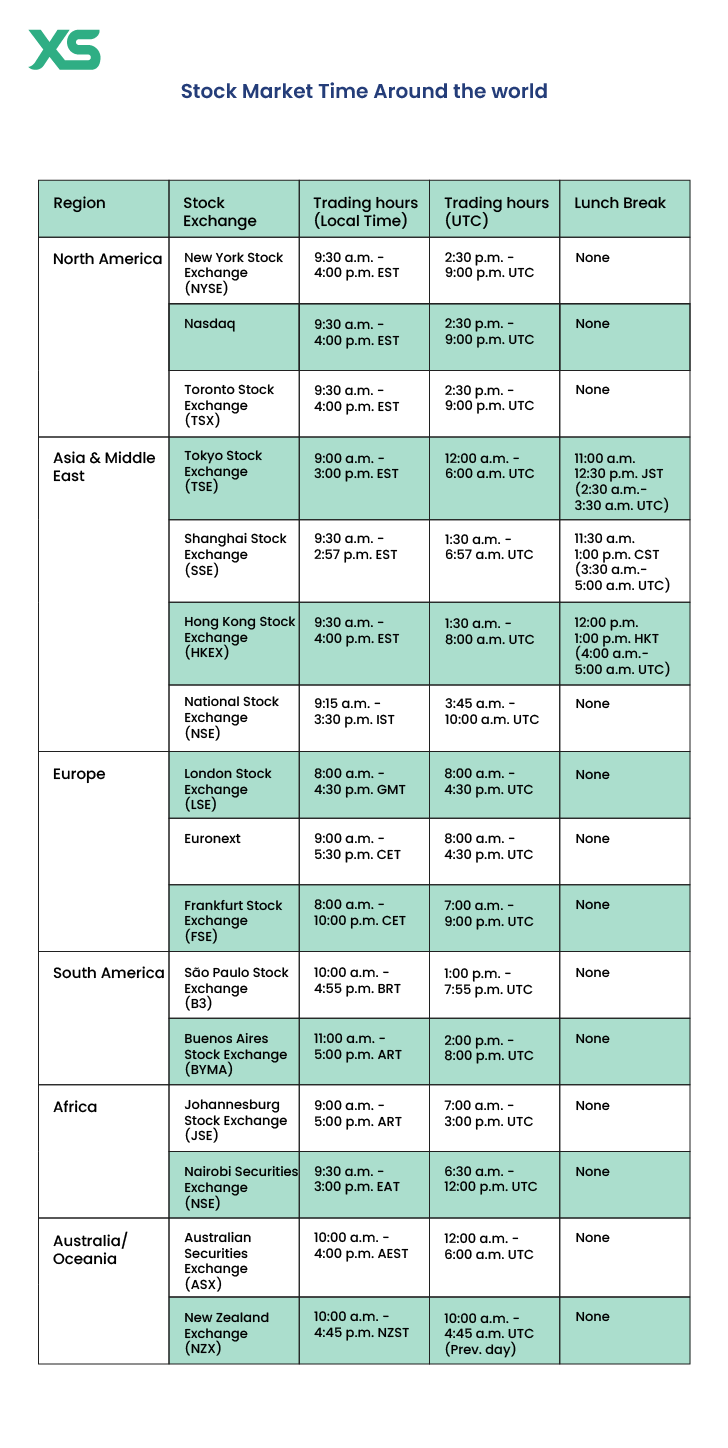
The standard trading hours for the major US stock exchanges, including the New York Stock Exchange (NYSE) and the Nasdaq Stock Market, are from 9:30 AM to 4:00 PM Eastern Time (ET), Monday through Friday. This 6.5-hour window is when the vast majority of trading volume occurs, and it’s the period typically referred to when people talk about the stock market being “open.”
During these hours, buyers and sellers continuously interact, executing trades that determine stock prices in real-time. This regulated environment ensures fair pricing and robust liquidity, making it the most predictable and accessible time for individual and institutional investors to execute trades. Understanding this core schedule is paramount for planning investment activities, tracking portfolio performance, and reacting to market-moving news during peak trading times.
Key Exchanges: NYSE and Nasdaq
While many exchanges operate globally, the NYSE and Nasdaq are the two behemoth exchanges that largely define the US stock market. Both adhere to the 9:30 AM to 4:00 PM ET trading window.
- New York Stock Exchange (NYSE): Often referred to as “The Big Board,” the NYSE is known for its hybrid market, blending traditional floor trading with electronic systems. It lists many of the oldest and largest companies in the world, iconic names across various sectors. The opening and closing bells at the NYSE are celebrated rituals, often rung by CEOs or dignitaries, signifying the start and end of the trading day.
- Nasdaq Stock Market: Primarily an electronic exchange, Nasdaq is home to many leading technology and growth companies. It pioneered electronic trading and offers a fully digital, order-driven market. While its operations are more technologically driven, its market hours align perfectly with the NYSE.
Despite their operational differences, both exchanges synchronize their regular trading hours to provide a consistent market environment across the dominant US equity platforms. This synchronization prevents arbitrage opportunities that might arise from staggered open or close times and ensures a unified market perception.
Time Zones and Their Impact
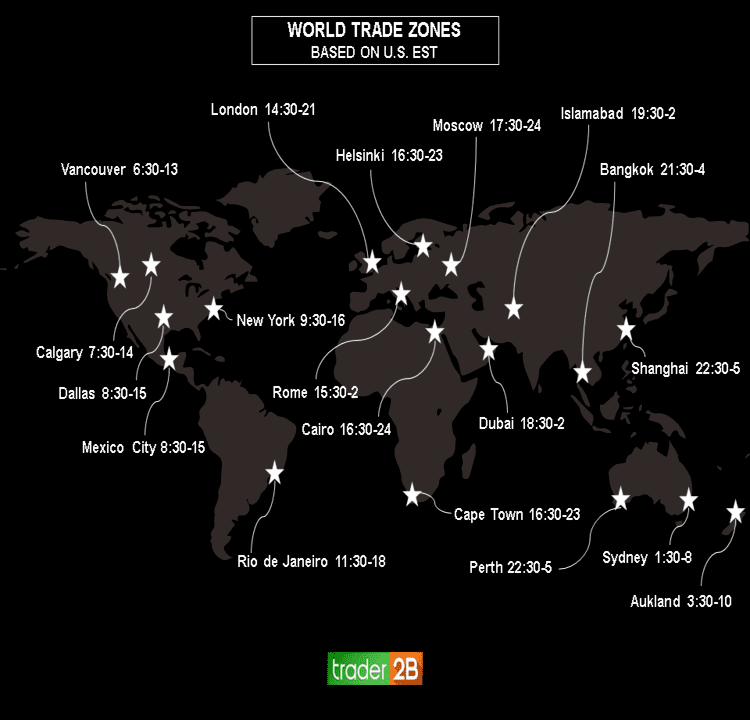
Given the vast geographical spread of the United States, time zones play a critical role in how investors perceive and interact with the market’s opening hours. The 9:30 AM ET opening translates differently for investors across the country:
- Eastern Time (ET): 9:30 AM – 4:00 PM
- Central Time (CT): 8:30 AM – 3:00 PM
- Mountain Time (MT): 7:30 AM – 2:00 PM
- Pacific Time (PT): 6:30 AM – 1:00 PM
For investors on the West Coast, the market opens quite early in the morning, often before their workday begins, and closes early in the afternoon. This requires careful planning for those who wish to actively trade during market hours while also managing other commitments. Conversely, investors in Europe or Asia face even more significant time differences, often requiring them to trade late at night or very early in the morning, which emphasizes the importance of understanding pre-market and after-hours trading. Always confirm the market open and close in your local time zone to avoid missed opportunities or mistimed trades.
Beyond the Opening Bell: Pre-Market and After-Hours Trading
While standard hours define the market’s core, trading activity isn’t confined to this window. Electronic communication networks (ECNs) and brokerage platforms offer opportunities to trade outside the traditional 9:30 AM to 4:00 PM ET timeframe, known as pre-market and after-hours trading.
What is Pre-Market Trading?
Pre-market trading refers to the period before the official market open, typically from 4:00 AM to 9:30 AM ET. During this time, investors can place buy and sell orders, though actual execution can be limited by liquidity. Major news announcements, such as quarterly earnings reports or significant economic data, are often released before the market opens, leading to substantial price movements in pre-market trading as investors react.
- Opportunities: Pre-market trading can offer early movers an advantage, allowing them to react to overnight news or corporate announcements before the broader market does. This can lead to significant gains if one correctly anticipates the market’s reaction.
- Risks: The primary risk in pre-market trading is lower liquidity. With fewer participants, bid-ask spreads can be wider, and it might be harder to execute large orders without impacting the price. Prices can also be more volatile and less representative of the stock’s true value, as fewer trades set the price. It’s often institutional investors or experienced day traders who leverage this period.
Navigating After-Hours Sessions
After-hours trading takes place after the official market close, usually from 4:00 PM to 8:00 PM ET. Similar to pre-market, this period also sees lower liquidity and wider spreads compared to regular hours. Companies might release critical information, like earnings or guidance updates, after the market closes, prompting swift reactions in after-hours trading.
- Opportunities: For investors unable to trade during regular hours, after-hours sessions provide a window to adjust portfolios or react to late-breaking news. It can also be a time to capitalize on continued momentum from the day’s trading or to exit positions before the next day’s open if negative news emerges.
- Risks: Just like pre-market, liquidity is the main concern. Volatility can be pronounced, and the prices discovered during after-hours trading may not always hold when the full market opens the next day. New investors should approach extended-hours trading with caution and typically use limit orders to control their execution price.
Risks and Opportunities in Extended Hours
Both pre-market and after-hours trading present a unique risk-reward profile. The ability to react quickly to news can be a powerful advantage, but the reduced liquidity and increased volatility amplify potential losses. Investors trading in extended hours should be aware of:
- Wider Spreads: The difference between the highest bid price and the lowest ask price can be significantly larger, making it more expensive to execute trades.
- Lower Volume: Fewer shares are traded, making it harder to buy or sell large blocks of stock without moving the price.
- Increased Volatility: Prices can swing dramatically on relatively small volumes or news, making sudden losses more likely.
- Competition with Professionals: Many participants in extended hours are institutional traders or highly experienced professionals who have advanced tools and information access.
For these reasons, many financial advisors recommend that novice investors stick to regular market hours when liquidity is highest and price discovery is most efficient.
Factors Influencing Market Openings and Closures
The stock market’s schedule is not entirely static. Several factors can alter the typical 9:30 AM to 4:00 PM ET routine, ranging from national holidays to unforeseen events.
Public Holidays and Market Closures
The US stock market observes several national holidays, during which it remains completely closed. These closures are pre-scheduled and widely publicized, giving investors ample time to plan. Common market holidays include:
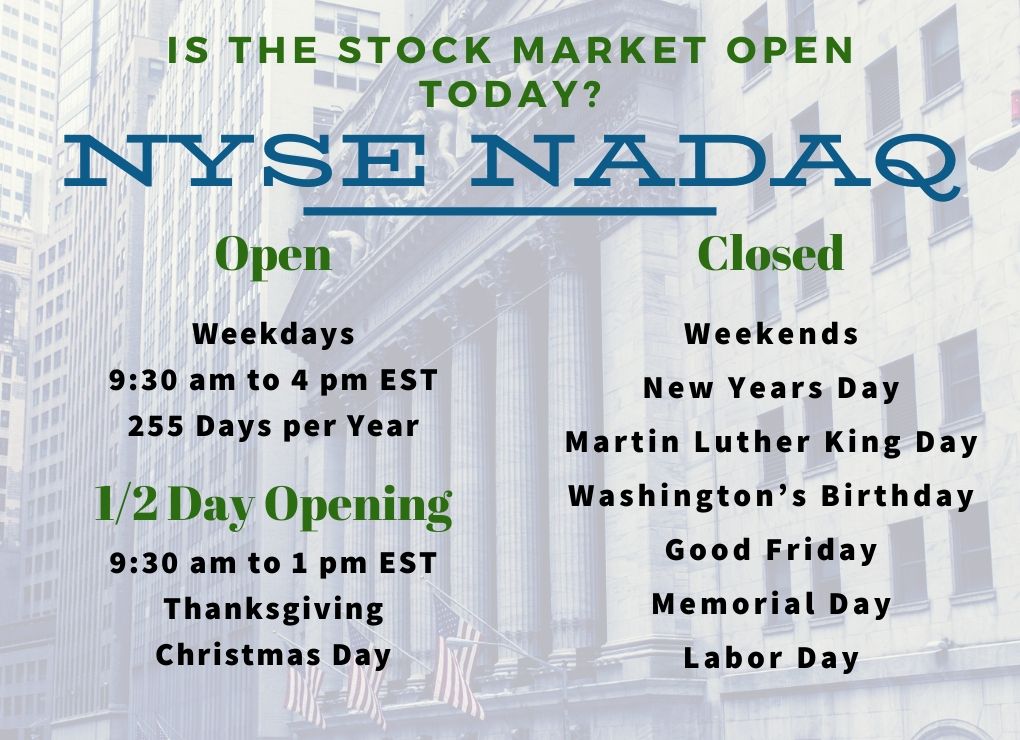
- New Year’s Day
- Martin Luther King, Jr. Day
- Presidents’ Day
- Good Friday
- Memorial Day
- Juneteenth National Independence Day
- Independence Day (July 4th)
- Labor Day
- Thanksgiving Day
- Christmas Day
It’s crucial for investors to consult an up-to-date market holiday calendar, typically available on exchange websites or through brokerage platforms, to avoid attempting to trade on a closed day. Missing these closures can lead to delayed trade executions and missed opportunities or reactions to news.
Early Closures and Special Circumstances
In addition to full-day holidays, the market occasionally operates on an abbreviated schedule, closing early. For example, the market typically closes at 1:00 PM ET on the day before Independence Day and on Black Friday (the day after Thanksgiving). These early closures are usually announced well in advance.
Rarely, unforeseen events such as extreme weather conditions, national emergencies, or significant technical glitches can also lead to market delays or full closures. While these are infrequent, they underscore the importance of staying informed through reliable financial news sources. Historically, such closures have been rare, with the market prioritizing continuous operation even in challenging circumstances.
Impact of Economic Data Releases on Trading Sessions
Economic data releases, such as inflation reports (CPI), employment figures (Non-Farm Payrolls), and central bank announcements (Federal Reserve interest rate decisions), are meticulously timed to influence market behavior. Many of these high-impact reports are released at 8:30 AM ET, before the market officially opens, or at 10:00 AM ET or 2:00 PM ET during regular trading hours.
- Pre-Market Releases (8:30 AM ET): Releasing data before the market opens allows investors to digest the information and for pre-market trading to price in the initial reactions. This can lead to significant volatility at the 9:30 AM ET open as the broader market reacts.
- During-Market Releases (10:00 AM ET, 2:00 PM ET): Data released during regular hours can cause immediate and sharp price movements across various assets. Traders often anticipate these releases and adjust their positions accordingly, leading to heightened activity around these specific times.
Understanding the economic calendar and the timing of these releases is a key component of a robust investment strategy, allowing investors to anticipate potential volatility and adjust their risk exposure.
Why Market Opening Times Matter for Investors
The timing of market open and close is not just an administrative detail; it significantly influences trading dynamics, strategy, and risk management for all investors.
Strategic Trading at the Open
The first 30 to 60 minutes after the market opens at 9:30 AM ET are often characterized by heightened volatility, high trading volume, and significant price swings. This period, known as “the open” or “the opening bell,” is a critical time for many active traders.
- Reacting to Overnight News: All the news and global market movements that occurred since the previous day’s close are integrated into prices at the open. This creates strong directional moves.
- Order Imbalances: A backlog of buy and sell orders accumulated overnight is processed, leading to large swings as supply and demand find equilibrium.
- Opportunity for Day Traders: Experienced day traders often focus on this period to capitalize on sharp movements, aiming for quick profits from intra-day trends. However, this high volatility also presents increased risk for inexperienced traders.
Strategic investors may choose to observe the initial chaos before placing orders, waiting for the market to “settle down” around 10:00 AM ET or later to avoid knee-jerk reactions and potentially suboptimal entry/exit points.
Volatility and Price Discovery
Market opening and closing times are naturally periods of elevated volatility. The open sees prices reacting to a whole night’s worth of information, while the close (the “closing bell”) sees traders scrambling to close positions or execute last-minute trades, often driven by end-of-day order flows and rebalancing.
Price discovery – the process by which market participants arrive at the fair value of an asset – is most efficient during regular trading hours when liquidity is highest. While pre-market and after-hours trading offer earlier or later access, the prices during these periods can be less reliable due to thinner trading volumes. For long-term investors, the focus might be less on these brief volatile windows and more on the broader trends over days or weeks, but even they need to understand how the opening and closing prices factor into daily performance metrics.
Informational Advantage and News Reactions
The timing of market open dictates when new information has its most profound impact. Company earnings reports, analyst upgrades/downgrades, geopolitical events, and macroeconomic announcements released before the market open can lead to significant price gaps when trading commences.
Being aware of these release schedules and understanding how the market typically reacts to specific types of news can provide an informational advantage. For example, a company releasing better-than-expected earnings pre-market might see its stock gap up at the open. Conversely, negative news can cause a sharp drop. Investors need to decide whether to react quickly during the volatile open or to wait for more stable trading conditions to assess the true implications of the news.
Tools and Resources for Tracking Market Hours
Staying informed about market hours, holidays, and real-time data is crucial for any investor. Fortunately, numerous tools and resources are available to help.
Brokerage Platforms and Apps
Virtually all modern online brokerage platforms (e.g., Fidelity, Charles Schwab, E*TRADE, Robinhood) provide real-time market status, displaying whether the market is open, closed, or in extended hours. Their trading apps often feature:
- Live Market Status: A clear indicator of market open/close times and current trading sessions.
- Market Holiday Calendars: Integrated schedules for upcoming market holidays and early closures.
- Extended Hours Trading Options: Specific functionalities to place orders during pre-market and after-hours sessions, often with clear warnings about associated risks.
- Alerts and Notifications: Customizable alerts for market opens/closes or significant news events.
These platforms are often the most direct and convenient way for individual investors to track market hours pertinent to their trading activities.
Financial News Websites
Reputable financial news outlets are indispensable for staying updated on market schedules and any potential disruptions. Websites like The Wall Street Journal, Bloomberg, Reuters, CNBC, and Yahoo Finance regularly publish articles detailing upcoming market holidays, early closures, and any special trading hours. They also provide comprehensive coverage of economic data release schedules and their potential impact on the market. These sites offer a broader perspective, often including global market hours which can influence US market sentiment.
Calendar Tools and Alerts
Beyond brokerage platforms and news sites, dedicated financial calendar tools and smartphone apps can provide tailored reminders and alerts. Many investment research platforms offer robust economic calendars that not only list market holidays but also time key economic data releases down to the minute. Setting up push notifications for market open/close or for specific economic announcements can help investors stay proactive and avoid missing critical trading windows or news events. Integrating these tools into one’s daily routine can provide a significant edge in managing investments effectively.
In conclusion, understanding when the US stock market opens, its standard hours, and the nuances of extended-hours trading is fundamental for anyone participating in financial markets. It empowers investors to craft informed strategies, manage risk effectively, and react judiciously to the constant flow of information that shapes asset prices. By leveraging available tools and staying vigilant, investors can navigate the complexities of market timing and pursue their financial objectives with greater confidence.
aViewFromTheCave is a participant in the Amazon Services LLC Associates Program, an affiliate advertising program designed to provide a means for sites to earn advertising fees by advertising and linking to Amazon.com. Amazon, the Amazon logo, AmazonSupply, and the AmazonSupply logo are trademarks of Amazon.com, Inc. or its affiliates. As an Amazon Associate we earn affiliate commissions from qualifying purchases.