
Understanding the operational hours of the New York Stock Exchange (NYSE) is fundamental for anyone involved in the financial markets, from seasoned institutional investors to budding individual traders. The NYSE, often considered the heart of global capitalism, orchestrates billions of dollars in transactions daily, profoundly influencing investment strategies, financial planning, and economic sentiment worldwide. Knowing when its trading floor opens and closes, and the nuances of extended trading sessions, isn’t just a matter of trivia; it’s a critical component of successful market engagement. This article delves into the precise timings of the NYSE, exploring the standard trading day, the opportunities and risks of extended hours, and the vital role of market holidays, all from an investor’s perspective focused on the Money niche.
The Standard Trading Day: Core Hours Unveiled
The core trading hours of the NYSE are the most widely recognized and liquid period for stock transactions. This window is designed to balance broad market access with sufficient time for order execution and price discovery, establishing a predictable rhythm for global financial activity.
Opening Bell: The Daily Commencement
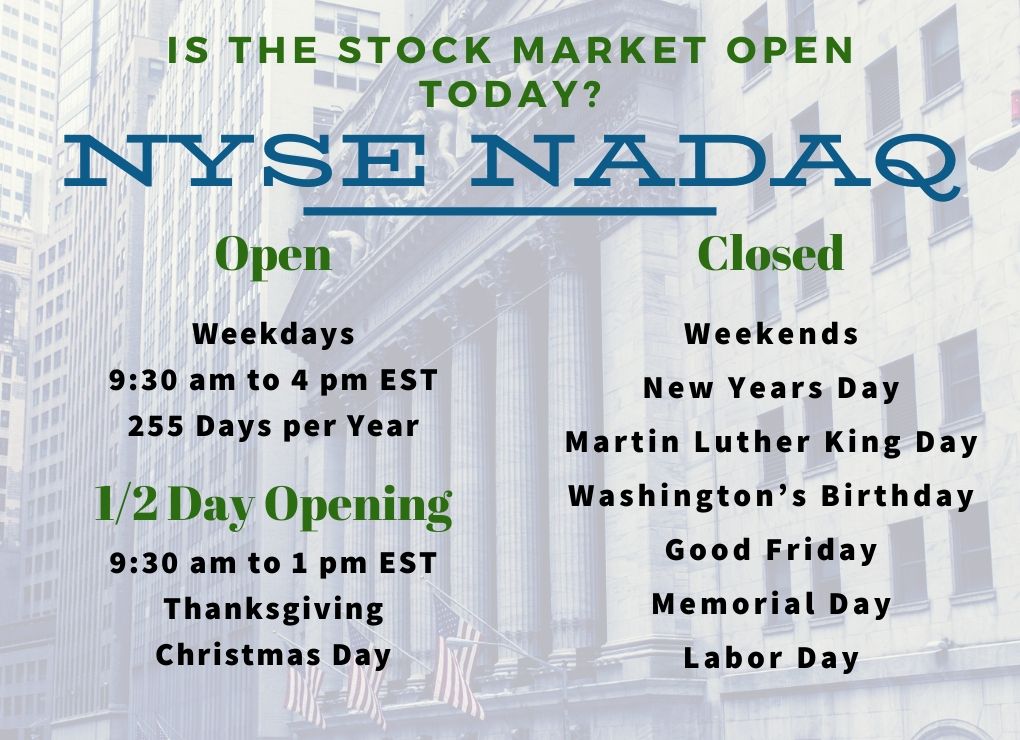
The NYSE trading day officially commences with the iconic Opening Bell at 9:30 AM Eastern Time (ET). This moment is more than just a ceremonial signal; it marks the official start of continuous trading, where buyers and sellers meet to set prices based on pre-market activity, overnight news, and economic data released before the open. The period leading up to the opening bell sees a flurry of activity as market participants review overnight news, analyst reports, and futures market movements to prepare their initial strategies. For many investors, especially those focused on short-term gains, the opening minutes can be highly volatile yet potentially lucrative, offering swift price movements as initial supply and demand imbalances are resolved. It’s a period where professional traders often make swift decisions based on pre-calculated risk parameters, while retail investors should exercise caution due to elevated volatility and potential for significant price swings.
The Main Session: Navigating Peak Activity
Following the opening frenzy, the market settles into its main session, which spans from 9:30 AM ET to 4:00 PM ET. This six-and-a-half-hour window is characterized by its high liquidity and relatively stable price discovery. During these hours, the vast majority of trading volume occurs. Institutional investors execute large block trades, retail investors place orders through their brokers, and market makers ensure an orderly flow of transactions. This period is often seen as the most reliable for accurate price discovery, as a wide array of participants contributes to the market’s collective intelligence. Economic data releases, corporate earnings announcements, and geopolitical news throughout the day can introduce significant volatility, prompting rapid shifts in stock prices and market sentiment. For those involved in financial planning, this is the time when portfolio adjustments, rebalancing, and long-term investment strategies are typically executed, often under the guidance of financial advisors leveraging real-time market data.
Closing Bell: Marking the End of Standard Trading
The standard NYSE trading day concludes with the Closing Bell at 4:00 PM ET. Similar to the opening, the closing period can experience increased volatility as traders seek to liquidate positions, execute last-minute orders, or rebalance their portfolios ahead of the market close. The closing price of a stock is often a significant metric, used in calculating daily returns, valuing portfolios, and informing subsequent day’s strategies. Understanding this closing time is crucial for investors who place end-of-day orders or want to ensure their trades are executed within the most liquid period. For financial professionals, the close signifies the end of one trading cycle and the beginning of analysis and preparation for the next. The final prices set at 4:00 PM ET serve as the benchmark for after-hours trading and influence the sentiment for the following morning.
Beyond the Bell: Understanding Extended Trading Hours
While the 9:30 AM to 4:00 PM ET window defines the core trading day, modern financial markets offer opportunities to trade outside these hours through what are known as extended trading sessions. Enabled by electronic communication networks (ECNs), these sessions provide flexibility but also present unique challenges and considerations for investors.
Pre-Market Trading: Early Opportunities and Risks
Pre-market trading typically begins as early as 4:00 AM ET and extends until the market opens at 9:30 AM ET. This period allows investors to react swiftly to news that breaks before the standard market opens, such as overnight corporate earnings reports, economic data from international markets, or breaking geopolitical events. For active traders, pre-market can offer opportunities to capitalize on early price movements. However, it’s a segment of the market characterized by significantly lower liquidity compared to regular hours. Fewer participants mean wider bid-ask spreads and potentially larger price swings on smaller volumes, making it riskier for less experienced investors. Trades placed during pre-market hours may not reflect the full market consensus and can be prone to manipulation or sharp reversals once the main market opens and liquidity improves. Financial tools and platforms that offer real-time pre-market data are essential for navigating this early window.
After-Hours Trading: Post-Close Market Dynamics
Conversely, after-hours trading typically runs from 4:00 PM ET until 8:00 PM ET. This session allows investors to react to news released after the market close, such as late-breaking earnings announcements, analyst upgrades/downgrades, or corporate developments. Similar to pre-market trading, after-hours trading features reduced liquidity and increased volatility. While it provides flexibility for investors to adjust their portfolios based on new information, the same risks associated with low liquidity and wide spreads apply. For many individual investors, the primary use of after-hours trading is to manage positions based on late-day news that might significantly impact their investments, but it often involves higher execution risk and potentially less favorable pricing. Understanding the limitations and risks of this period is critical for protecting capital.
The Rationale Behind Extended Sessions
The advent of extended trading hours is a direct consequence of technological advancements and the increasingly globalized nature of financial markets. ECNs allow orders to be matched electronically outside traditional exchange floors, making 24/7 trading a technical possibility. The rationale for these sessions includes:
- Increased Accessibility: Allowing investors, particularly those in different time zones or with busy daytime schedules, greater flexibility to trade.
- Timely Reaction to News: Enabling quicker responses to critical information released outside core hours, potentially reducing price gaps at the next market open.
- Global Market Integration: Bridging the gap between the NYSE and other global markets that may be open when the NYSE is closed, fostering a more continuous flow of capital.
- Competition and Innovation: Exchanges and brokerage firms offer extended hours to attract more trading volume and cater to diverse client needs.
However, regulators and financial educators often advise caution, emphasizing the importance of understanding the inherent risks, especially for retail investors.
Navigating Market Closures: Weekends, Holidays, and Special Circumstances
Beyond the daily rhythm of opening and closing bells, the NYSE observes specific closures that are vital for investors to monitor. These pauses in trading are designed to align with public holidays and provide respite from the intense daily demands of market operations.
The Regular Weekend Pause
The NYSE, like most major global stock exchanges, operates on a standard Monday-to-Friday schedule. This means the market is closed throughout Saturdays and Sundays. This weekend pause offers a crucial break for market participants to analyze the week’s performance, strategize for the coming week, and detach from the constant demands of real-time trading. For financial planners, weekends are often when they engage with clients for comprehensive reviews, as the market’s stillness allows for focused discussion without the immediate pressures of price fluctuations. While trading platforms might be accessible, no official transactions are processed during these periods. Any orders placed will typically queue for execution at the next market open.
Annual Market Holidays: A Comprehensive Guide
The NYSE observes a set list of annual holidays during which the market is fully closed. These closures align with federal holidays in the United States, ensuring that the financial industry can participate in national observances. Key NYSE holidays typically include:
- New Year’s Day (January 1)
- Martin Luther King, Jr. Day (Third Monday in January)
- Washington’s Birthday (Third Monday in February, also known as Presidents’ Day)
- Good Friday (Friday before Easter)
- Memorial Day (Last Monday in May)
- Juneteenth National Independence Day (June 19)
- Independence Day (July 4)
- Labor Day (First Monday in September)
- Thanksgiving Day (Fourth Thursday in November)
- Christmas Day (December 25)
It’s important for investors and financial professionals to consult the official NYSE holiday schedule annually, as specific dates can shift if a holiday falls on a weekend, or if new federal holidays are introduced (like Juneteenth). Planning around these holidays is crucial for managing portfolios and ensuring timely execution of financial decisions.
Early Closures and Unscheduled Events
In addition to full-day holidays, the NYSE occasionally has early closures. These are less common but typically occur on the day before or after certain holidays, such as the day after Thanksgiving (Black Friday) or Christmas Eve. On these days, the market might close at 1:00 PM ET instead of 4:00 PM ET. These early closures are usually announced well in advance.
Furthermore, extremely rare unscheduled closures can occur due to extraordinary circumstances, such as natural disasters, national emergencies, or severe technical malfunctions. While historically infrequent, events like these highlight the importance of staying informed through official NYSE communications. For business finance, these closures can impact cash flow management and transaction processing, necessitating contingency planning.
The Investor’s Perspective: Strategy and Implications of NYSE Hours
Understanding the operational intricacies of the NYSE is not merely an academic exercise; it has tangible implications for how investors approach the market and manage their financial assets. The timing of trades, awareness of liquidity, and preparation for market closures are all critical elements of a sound investment strategy.
Impact on Retail and Institutional Investors
The differing market hours and conditions affect various types of investors in unique ways:
- Retail Investors: For individual investors often managing their portfolios alongside full-time jobs, extended hours offer flexibility. However, the associated risks of lower liquidity and higher volatility mean that limit orders are often preferred over market orders during pre- and after-market sessions to control execution prices. Many choose to focus their trading solely during core hours when market depth is greatest.
- Institutional Investors: Hedge funds, mutual funds, and pension funds often have dedicated trading desks that operate through extended hours. Their larger order sizes and sophisticated algorithms allow them to navigate lower liquidity more effectively. They also play a crucial role in price discovery during these off-hours, often reacting to significant news that impacts their vast portfolios. For business finance, these institutions drive much of the market’s momentum.
Liquidity, Volatility, and Information Flow in Extended Hours
The most significant differences between core and extended trading hours revolve around liquidity and volatility:
- Liquidity: During core hours, millions of participants contribute to robust liquidity, allowing large orders to be executed with minimal impact on prices. In extended hours, fewer participants lead to thinner order books, meaning a single large order can drastically move prices, resulting in wider bid-ask spreads.
- Volatility: While core hours can be volatile, extended hours often amplify price swings due to lower liquidity and the concentrated impact of breaking news. A stock can gap up or down significantly between the after-hours close and the next day’s open.
- Information Flow: News can break at any time. Extended hours allow immediate reactions, preventing significant price gaps at the next open. However, filtering reliable information from speculation becomes even more crucial outside regular trading hours.
Best Practices for Engaging with Market Hours
To navigate NYSE hours effectively and manage financial risk, investors should consider several best practices:
- Understand Your Risk Tolerance: Extended hours trading is generally riskier. If you are a long-term investor, focusing on core hours might be sufficient. Active traders must be prepared for increased volatility.
- Utilize Limit Orders: Always use limit orders in extended trading sessions. A limit order specifies the maximum price you’re willing to pay (for buying) or the minimum price you’re willing to accept (for selling), protecting you from unfavorable price execution in low-liquidity environments.
- Stay Informed: Monitor official NYSE schedules for holidays and early closures. Be aware of economic data releases and earnings reports that might influence pre- or after-market activity.
- Diversify Your Information Sources: Don’t rely on a single news source, especially during off-hours when rumors can proliferate.
- Avoid Emotional Trading: The fast pace and dramatic price swings of extended hours can tempt emotional decisions. Stick to your pre-defined strategy.
- Leverage Financial Tools: Advanced charting software, real-time news feeds, and brokerage platforms offering robust order types are invaluable for managing investments across all market hours.
The Global Context: NYSE in the 24/7 Financial World
While the NYSE has specific operating hours, it doesn’t exist in isolation. Its schedule is interwoven with a complex web of global financial markets, creating a near 24/7 cycle of trading opportunities and influences.
Interconnectedness of Global Markets
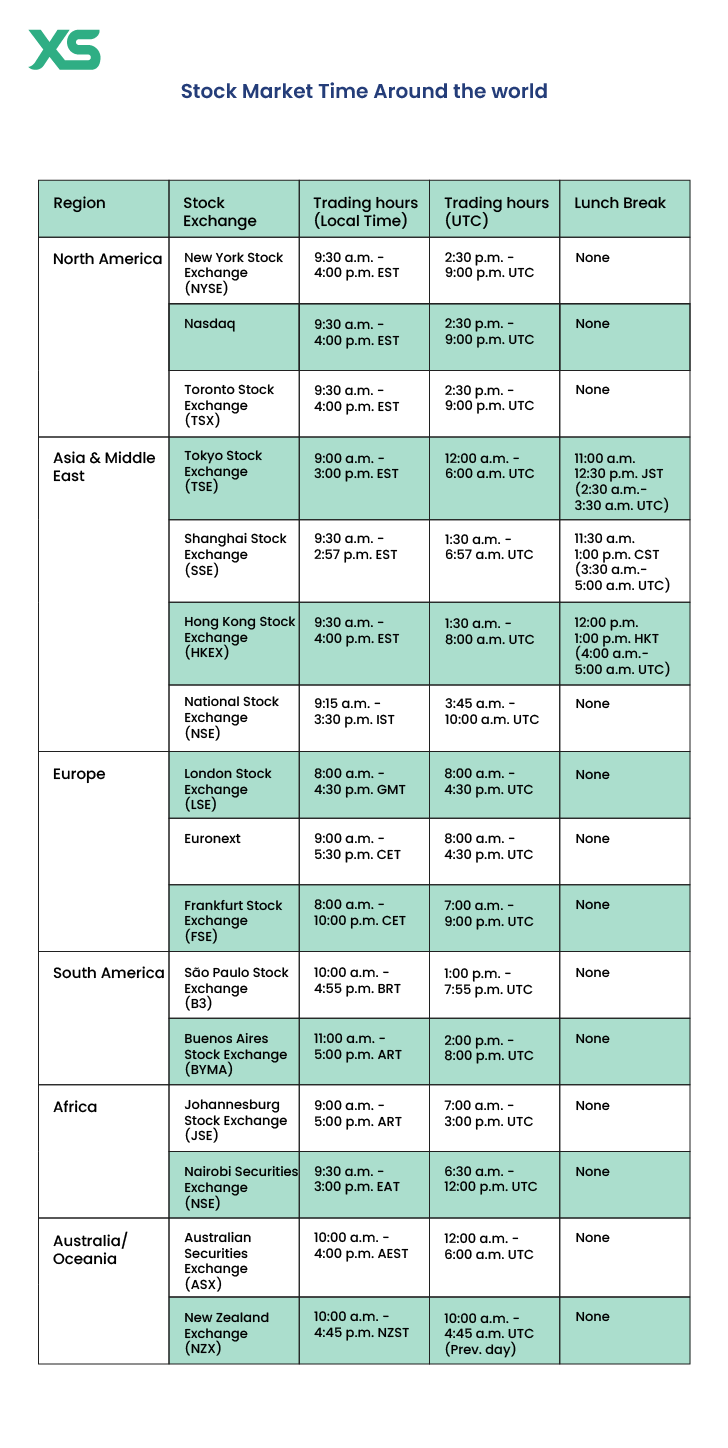
The financial world is truly global. When the NYSE closes, markets in Asia (like Tokyo or Hong Kong) are typically nearing their close or are already closed, and European markets (like London or Frankfurt) are often opening or in full swing. This sequential opening and closing of major exchanges around the world means that capital and information are constantly flowing. Developments in one region can significantly impact market sentiment and asset prices in others, even when the NYSE is officially closed. For instance, a major economic announcement in China or a political development in Europe can cause futures contracts for U.S. indices to react during NYSE’s after-hours, setting the stage for the next day’s opening. Understanding this interconnectedness is vital for investors with international holdings or those seeking to understand the broader forces shaping their portfolios.

The Future of Trading Hours: Debates and Trends
The debate over the optimal trading hours for exchanges like the NYSE is ongoing.
- Arguments for Extended/24/7 Trading: Proponents argue that extending hours further or even moving to 24/7 trading would increase market efficiency, provide greater investor access, and align U.S. markets more closely with the always-on nature of global finance and digital economies. The rise of cryptocurrency markets, which trade 24/7, adds to this pressure.
- Arguments Against Full Extension: Opponents highlight the strain on market participants (traders, analysts, support staff), the potential for increased volatility due to fragmented liquidity, and the need for designated “downtime” for system maintenance and reflection. They also point to the existing extended hours as a sufficient compromise.
While a move to 24/7 stock trading on the NYSE is not imminent, the trend towards greater accessibility and responsiveness to global events continues to shape the conversation. Financial tools and automated trading systems are already bridging some of these gaps, allowing investors to manage risk and execute strategies even when traditional markets are closed. For investors, staying agile and informed about potential changes to market structure will be key to long-term financial success in an evolving landscape.
In conclusion, the NYSE’s closing time at 4:00 PM ET is a cornerstone of market operations, but it’s part of a much larger, dynamic system. Investors who grasp the nuances of core hours, extended sessions, and market holidays are better equipped to navigate the complexities of financial markets, manage their portfolios effectively, and make informed decisions that align with their financial goals.
aViewFromTheCave is a participant in the Amazon Services LLC Associates Program, an affiliate advertising program designed to provide a means for sites to earn advertising fees by advertising and linking to Amazon.com. Amazon, the Amazon logo, AmazonSupply, and the AmazonSupply logo are trademarks of Amazon.com, Inc. or its affiliates. As an Amazon Associate we earn affiliate commissions from qualifying purchases.