
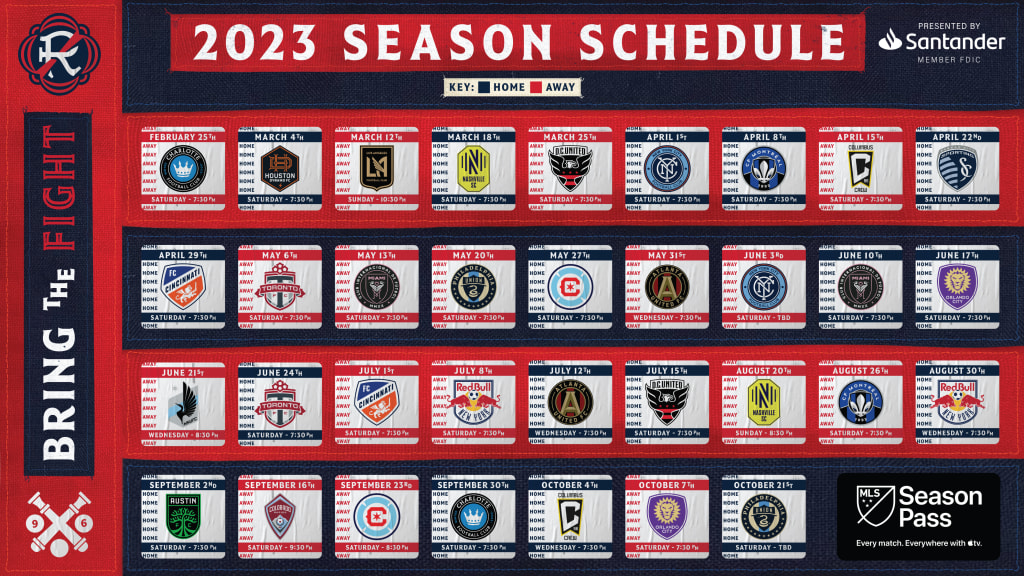
For investors, sports business analysts, and commercial stakeholders, the question “When does the MLS season begin?” carries weight far beyond the date of the first kickoff. In the landscape of North American professional sports, Major League Soccer (MLS) represents one of the most intriguing financial case studies of the last two decades. While fans look to the late February or early March start date as the beginning of the competitive journey, the financial “season” for MLS is a year-round machine driven by broadcast cycles, franchise expansion fees, and hyper-localized real estate development.
To understand when the MLS season truly begins from a business perspective, one must look at the fiscal quarters preceding the opening match. It is a period defined by sponsorship renewals, capital expenditures on infrastructure, and the strategic deployment of “Designated Player” funds. This article explores the economic engine of MLS, the timing of its financial cycles, and why the league’s calendar is increasingly becoming a focal point for institutional investment.
The Revenue Calendar: Beyond the First Kick
While the official match calendar typically runs from late February through the MLS Cup in early December, the financial season begins in the fourth quarter of the preceding year. This is when the “Business of Soccer” enters its most critical phase: the locking in of season ticket renewals and the finalization of corporate partnership tiers.
The Q4 Planning Phase
For an MLS franchise, the revenue cycle is front-loaded. Unlike traditional retail businesses that rely on the holiday “Black Friday” surge, sports entities rely on the “Renewal Window.” This period is vital for cash flow management, as it provides the liquid capital necessary for off-season acquisitions. In the “Money” niche, this is a classic example of deferred revenue—collecting payments in October and November for a service that will be delivered starting the following February.
The Sponsorship Cycle
Corporate partnerships often operate on a fiscal year that aligns with the calendar year. Therefore, when the season begins in late February, most of the league’s sponsorship revenue has already been contracted and partially recognized. The timing of the season opener is strategically placed to capitalize on the “spring thaw” of marketing budgets. As brands look to deploy their annual spend, the MLS kickoff provides a fresh, high-visibility platform that avoids the saturated advertising environment of the NFL’s post-season and the MLB’s mid-summer doldrums.
Franchise Valuation and the Cost of Entry
One cannot discuss the beginning of an MLS season without addressing the meteoric rise in franchise valuations. The “season” for MLS expansion has been a gold rush for high-net-worth individuals and private equity firms. When the league began in 1996, teams were valued at a fraction of their current prices. Today, entry into the league via expansion fees has surpassed the $500 million mark—a staggering figure that reflects long-term confidence in the league’s growth trajectory.
The Appreciation Model
For those looking at MLS through an investment lens, the “season” never truly ends because the underlying asset—the franchise itself—has shown consistent appreciation. Unlike many European clubs that operate on a “promotion and relegation” system, the MLS uses a closed-model system similar to the NFL or NBA. This creates a “scarcity value” that protects the investment. When the season begins, it serves as a live-action proof of concept for the valuation models that analysts use to justify these half-billion-dollar price tags.
Capital Calls and Roster Spending
As the season approaches, the financial focus shifts to the balance sheet. MLS operates under a unique “Single Entity” structure, meaning the league owns all player contracts. However, “Owner-Operators” are responsible for discretionary spending, most notably through the Designated Player (DP) rule. The beginning of the season is often the deadline for significant capital deployment as owners decide whether to invest in world-class talent to drive merchandise sales and “gate” revenue (ticket sales). The financial risk at the start of the season is high, but the potential for a “Messi-effect” ROI—where a single player dramatically increases the global value of the brand and its broadcast appeal—is a powerful motivator.
The Apple TV Deal: A New Paradigm in Media Rights Revenue
Perhaps the most significant shift in the MLS financial calendar occurred with the signing of a landmark 10-year, $2.5 billion partnership with Apple. This deal fundamentally changed the answer to when the season begins from a media perspective.

Subscription-Based Revenue Streams
In previous eras, the “season” was dependent on local TV deals and fragmented regional sports networks. Now, the season begins with a global subscription push for the MLS Season Pass. This provides the league with a predictable, scalable revenue stream that is less dependent on traditional advertising markets and more focused on tech-driven growth metrics. For the “Money” enthusiast, this represents a transition from a legacy media model to a Software-as-a-Service (SaaS) style recurring revenue model.
Data as a Financial Asset
With the season beginning on a unified digital platform, the league now captures unprecedented amounts of fan data. In modern finance, data is an asset class. The ability to track viewer habits, geographic hotspots, and purchasing intent from the very first match allows the league to optimize its mid-season marketing spend and provide “proof of performance” to global sponsors. This digital-first approach ensures that the financial momentum of the season opener is sustained through data-driven insights rather than mere anecdotal attendance figures.
Local Economic Impact and Stadium Financing
When the MLS season begins, it triggers a localized economic “multiplier effect” in the cities where teams reside. The modern MLS business model is increasingly tied to the “Stadium-as-an-Anchor” strategy. This involves not just a soccer pitch, but a multi-use real estate development including retail, residential, and office spaces.
The Real Estate Play
For many MLS owners, the team is the “loss leader” or the primary attraction that drives the value of the surrounding real estate. When the season starts, foot traffic in these “Sports and Entertainment Districts” spikes. For commercial real estate investors, the beginning of the MLS season is the start of the high-revenue period for nearby hospitality and retail assets. The synergy between the matchday experience and the surrounding ecosystem is a key component of the league’s long-term financial stability.
Public-Private Partnerships
The financing of these stadiums often involves complex public-private partnerships (PPPs). The start of a new season is often the time when municipal bonds and tax-increment financing (TIF) districts are evaluated for their efficacy. As thousands of fans descend on a stadium, the tax revenue generated—from parking to sales tax—begins the process of paying down the debt used to build the infrastructure. In this sense, the season’s beginning is a recurring audit of the project’s public and private viability.
Investment Opportunities in the Growing Soccer Ecosystem
While most people cannot afford to buy an MLS franchise, the beginning of the season signals opportunities for smaller-scale investors and entrepreneurs within the broader soccer economy.
Ancillary Businesses and Side Hustles
The “MLS season” creates a demand for a variety of secondary services. From youth academy scouting software to specialized sports medicine clinics and even fan-focused media startups, the ecosystem is expanding. For those looking at “Online Income” or “Side Hustles,” the season’s start is the peak time to launch content platforms or service-based businesses that cater to the growing North American soccer demographic.
The Global Transfer Market
From a business finance perspective, the MLS season overlaps with global transfer windows. The league has shifted its strategy from being a “retirement league” for aging stars to a “selling league” that develops young talent and sells it to European clubs for a profit. This creates a “Transfer Revenue” line item on the balance sheet that is highly dependent on timing. A strong start to the season for a young prospect can lead to a multi-million dollar capital injection for the club during the summer transfer window, providing the funds necessary for mid-season reinvestment or debt reduction.

Future-Proofing the MLS Business Model
As we look toward the future, the “beginning” of the MLS season will likely continue to evolve. With the 2026 FIFA World Cup on the horizon, the financial stakes for each season opener are rising. The league is not just competing for domestic fans but for a share of the global sports market.
The “Money” behind MLS is a testament to the power of structured, long-term institutional planning. By controlling costs through a single-entity model while aggressively pursuing high-growth media and real estate opportunities, the league has created a resilient financial calendar. Whether you are an investor looking at the macro trends of sports entertainment or a business professional analyzing the logistics of matchday revenue, the start of the MLS season is more than just a game—it is the activation of a sophisticated, multi-billion dollar economic engine that is redefining the business of sports in North America.
aViewFromTheCave is a participant in the Amazon Services LLC Associates Program, an affiliate advertising program designed to provide a means for sites to earn advertising fees by advertising and linking to Amazon.com. Amazon, the Amazon logo, AmazonSupply, and the AmazonSupply logo are trademarks of Amazon.com, Inc. or its affiliates. As an Amazon Associate we earn affiliate commissions from qualifying purchases.