
For the modern investor, the question “when does the market open?” is more than a simple inquiry about a clock; it is the fundamental starting point for any financial strategy. In the world of finance, timing is often just as critical as the quality of the asset being traded. Whether you are a seasoned day trader looking for early morning volatility or a long-term investor checking your portfolio performance, understanding the rhythm of the global markets is essential for effective wealth management.
The global financial ecosystem is a complex web of interconnected exchanges, each operating within its own time zone and cultural schedule. However, for most retail and institutional investors, the “market” typically refers to the major US exchanges. Understanding these hours—along with the nuances of pre-market and after-hours sessions—allows individuals to navigate the liquid waters of finance with precision and confidence.
The Core of the Financial Day: Standard Operating Hours in the United States
The heartbeat of global finance is undoubtedly centered in New York City. The New York Stock Exchange (NYSE) and the NASDAQ are the two largest stock exchanges in the world, and their operating hours dictate the flow of trillions of dollars daily.
The NYSE and NASDAQ Schedule
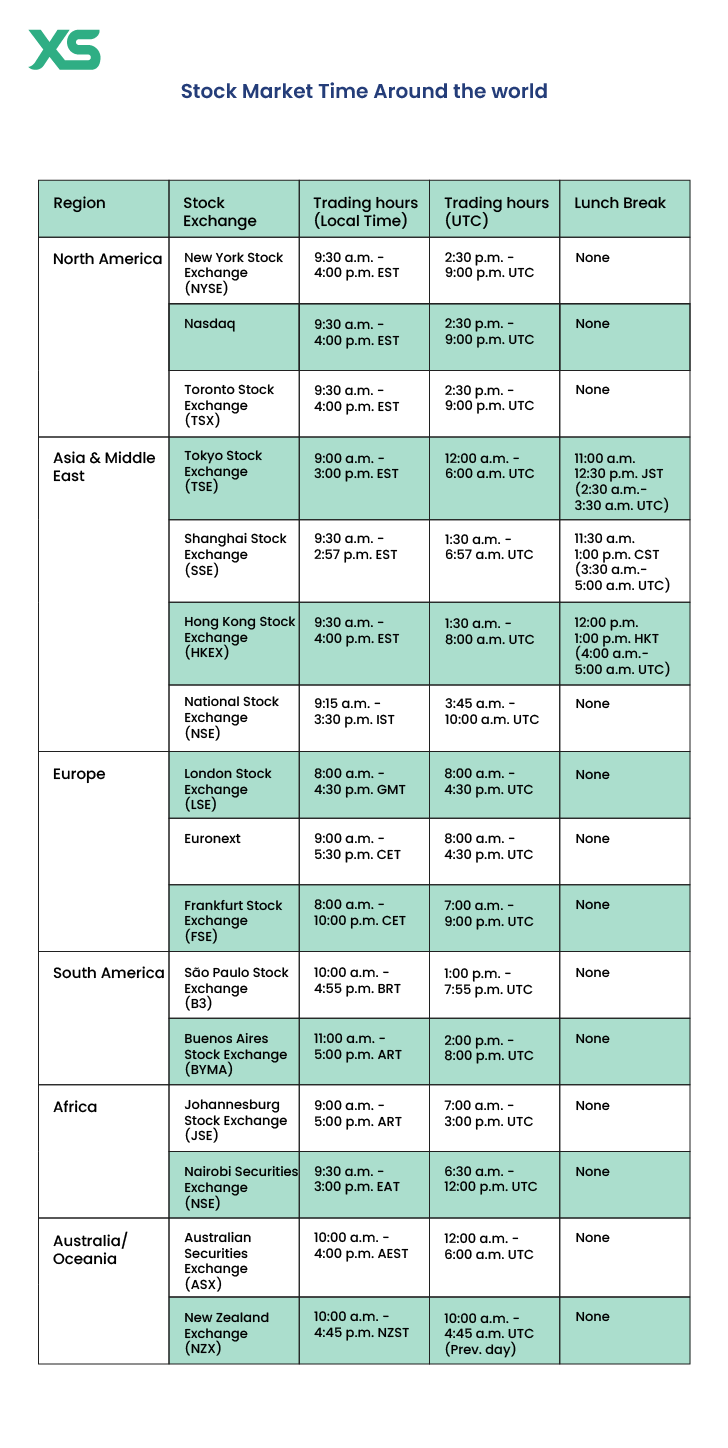
For the vast majority of equities and Exchange-Traded Funds (ETFs), the standard trading session runs from 9:30 AM to 4:00 PM Eastern Time (ET), Monday through Friday. This 6.5-hour window is known as “regular trading hours.” Unlike many international markets, US exchanges do not close for a lunch break. The consistency of this schedule provides a reliable framework for investors to execute trades when liquidity—the ease with which assets can be bought or sold without affecting the price—is at its peak.
The Significance of the Opening Bell
The opening bell at 9:30 AM ET is more than just a tradition; it marks the moment when the “opening auction” occurs. During this time, the exchange’s computers process all the orders that accumulated overnight to determine a fair opening price for each stock. For investors, this is often the most volatile time of the day. News that broke after the previous day’s close—such as earnings reports, economic data, or geopolitical events—is suddenly priced into the market. Navigating this initial surge requires a disciplined approach to risk management.
Beyond the Bell: Pre-Market and After-Hours Trading
While the 9:30 AM to 4:00 PM window represents the bulk of trading activity, the digital age has extended the “market day” significantly. Electronic Communication Networks (ECNs) allow investors to trade outside of regular hours, though these sessions come with a unique set of rules and risks.
How Extended Hours Work
Extended hours trading is divided into two segments:
- Pre-Market Session: This typically runs from 4:00 AM to 9:30 AM ET.
- After-Hours Session: This begins immediately after the closing bell at 4:00 PM and runs until 8:00 PM ET.
These sessions allow investors to react immediately to news. For example, if a major tech company releases its quarterly earnings at 4:05 PM, the stock price will begin moving in the after-hours session long before the next morning’s opening bell.
Risks and Volatility in the “Dark”
Trading during extended hours is not for the faint of heart. The primary challenge is low liquidity. Since most institutional investors and retail traders participate only during regular hours, there are fewer buyers and sellers in the pre-market and after-hours sessions. This leads to wider “bid-ask spreads” (the difference between what a buyer is willing to pay and what a seller wants). Consequently, prices can swing wildly on very low volume, making it easy for an unwary investor to overpay for a stock or sell it for far less than its true value.
Who Can Participate?
In the past, extended hours were the exclusive playground of institutional giants. Today, most major online brokerages offer extended hours access to retail investors. However, most brokers require you to use “limit orders” during these sessions—orders that specify the exact price you are willing to accept—to protect you from the extreme price fluctuations typical of low-volume trading.
The Global Perspective: When Do International Markets Open?

The sun never truly sets on the financial world. As the US markets close, others are just beginning their day across the globe. For a diversified investor, understanding international hours is key to tracking global economic health.
The European Powerhouses
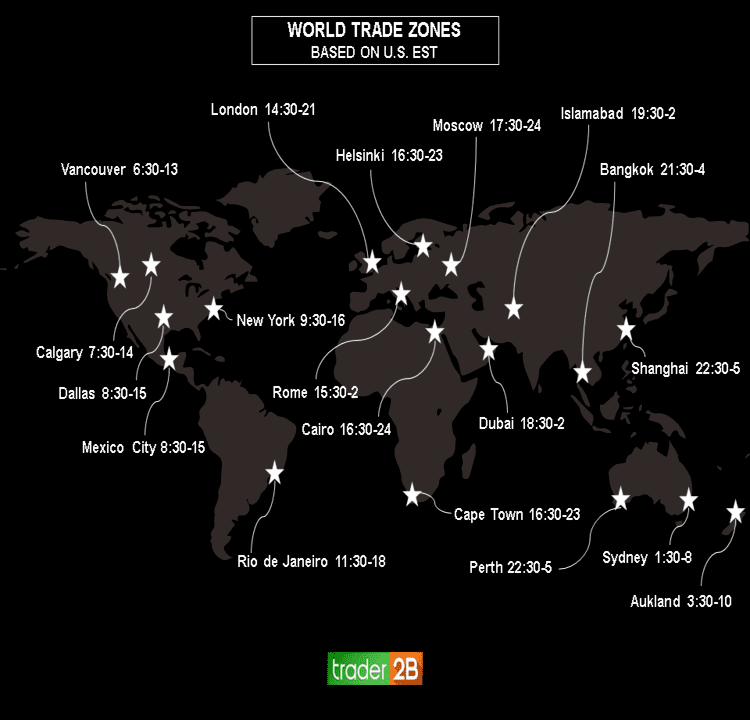
The London Stock Exchange (LSE) is the crown jewel of European finance. It typically operates from 8:00 AM to 4:30 PM Greenwich Mean Time (GMT). For an investor in New York, the LSE opens at 3:00 AM ET. This means there is a significant overlap between the end of the European session and the beginning of the US session (usually between 9:30 AM and 11:30 AM ET). This overlap often coincides with the highest daily trading volume globally, as traders in both London and New York are active simultaneously.
The Asian-Pacific Markets
The Asian markets provide the first clues of how the world will react to overnight news. The Tokyo Stock Exchange (TSE) in Japan, the Hong Kong Stock Exchange (HKEX), and the Shanghai Stock Exchange in China are the major players here.
- Tokyo: 9:00 AM to 3:00 PM JST (with a lunch break from 11:30 AM to 12:30 PM).
- Hong Kong: 9:30 AM to 4:00 PM HKT (with a lunch break from 12:00 PM to 1:00 PM).
Because of the time difference, these markets are active while North America is asleep, making them the “early warning system” for global market sentiment.
The 24-Hour Cycle of Global Finance
While stocks have specific hours, other markets never sleep. The Foreign Exchange (Forex) market operates 24 hours a day, five days a week, moving from Sydney to Tokyo to London to New York in a continuous loop. Similarly, the Cryptocurrency market is unique in that it never closes—trading 24/7, 365 days a year. For traditional “Money” niche investors, these 24-hour markets serve as constant indicators of global liquidity and risk appetite.
Strategic Timing: When Should You Actually Place Your Trades?
Just because the market is open doesn’t mean it’s the right time to trade. Successful financial management involves choosing the moments that align with your specific goals and risk tolerance.
The Opening Volatility Window
The first 30 to 60 minutes of the trading day (9:30 AM – 10:30 AM ET) are often referred to as “amateur hour” by seasoned pros—not because only amateurs trade then, but because the price action is often driven by emotional reactions to overnight news. For long-term investors, it is often wise to wait until this initial dust settles before executing a trade. However, for day traders, this volatility is the primary source of profit opportunity.
The “Power Hour” and Closing Auctions
The final hour of trading, from 3:00 PM to 4:00 PM ET, is known as the “Power Hour.” This is when institutional investors—pension funds, mutual funds, and hedge funds—often rebalance their portfolios. Volume spikes, and the price action becomes more “directional” as big money makes its moves. The closing auction at 4:00 PM is particularly critical, as it determines the official closing price used for valuing mutual funds and index performances.
Market Holidays and Early Closures
A crucial part of knowing “when the market opens” is knowing when it doesn’t. The US market observes several holidays, including New Year’s Day, Martin Luther King Jr. Day, Presidents’ Day, Good Friday, Memorial Day, Juneteenth, Independence Day, Labor Day, Thanksgiving, and Christmas. Additionally, the market often closes early (at 1:00 PM ET) on the day after Thanksgiving and on Christmas Eve. Keeping a financial calendar is a hallmark of a professional approach to money management.
The Impact of Technology on Market Access and Financial Strategy
The definition of “market hours” is increasingly being challenged by technological advancement. The rise of fintech and digital platforms has blurred the lines between traditional banking and active investing.
Real-Time Alerts and Execution
In the past, an investor had to be glued to a terminal to know when the market opened or when a price hit a certain target. Today, mobile apps and AI-driven financial tools provide real-time alerts. This allows investors to maintain a “passive” lifestyle while remaining “actively” informed. By setting automated “buy” or “sell” triggers, your strategy can execute the moment the market opens, even if you are not physically present.
The Shift Toward 24/7 Trading Expectations
There is a growing movement in the financial sector to move toward 24/7 trading for all asset classes, mirroring the crypto market. While traditional exchanges like the NYSE still value the “human element” and the stability of a fixed schedule, many retail platforms are introducing “24/5” trading for select popular stocks. For the investor, this means the window of opportunity is widening, but the requirement for discipline is also increasing. If the market is always open, the temptation to “over-trade” or react to short-term noise becomes a significant psychological hurdle to building long-term wealth.
Conclusion: Mastering the Clock for Financial Success
Understanding when the market opens is the first step in mastering the mechanics of wealth creation. By recognizing the importance of standard hours, the risks of extended sessions, and the global nature of finance, you position yourself to make informed, unemotional decisions.
Whether you are seeking the high-octane environment of the opening bell or the calculated precision of the closing auction, your success depends on respecting the market’s schedule. In the realm of personal finance and investing, time is not just money—it is the very terrain upon which your financial future is built. Always stay synchronized with the global clock, stay disciplined during periods of high volatility, and remember that the best time to invest is often not dictated by the opening bell, but by your own long-term financial plan.
aViewFromTheCave is a participant in the Amazon Services LLC Associates Program, an affiliate advertising program designed to provide a means for sites to earn advertising fees by advertising and linking to Amazon.com. Amazon, the Amazon logo, AmazonSupply, and the AmazonSupply logo are trademarks of Amazon.com, Inc. or its affiliates. As an Amazon Associate we earn affiliate commissions from qualifying purchases.