
For investors and traders residing in the Central Time (CT) zone, the rhythm of the financial world is dictated by a clock that sits exactly one hour behind the epicenter of global finance: Wall Street. Understanding when the market opens in Central Time is more than a simple exercise in subtraction; it is a fundamental requirement for executing timely trades, managing risk, and aligning one’s personal financial strategy with the movements of the New York Stock Exchange (NYSE) and the NASDAQ.
While the “opening bell” is the most iconic moment of the trading day, the modern financial landscape is a complex ecosystem of pre-market sessions, regular hours, and extended trading. For those in cities like Chicago, Dallas, or Houston, navigating these hours requires a specialized perspective on market entry and exit points.
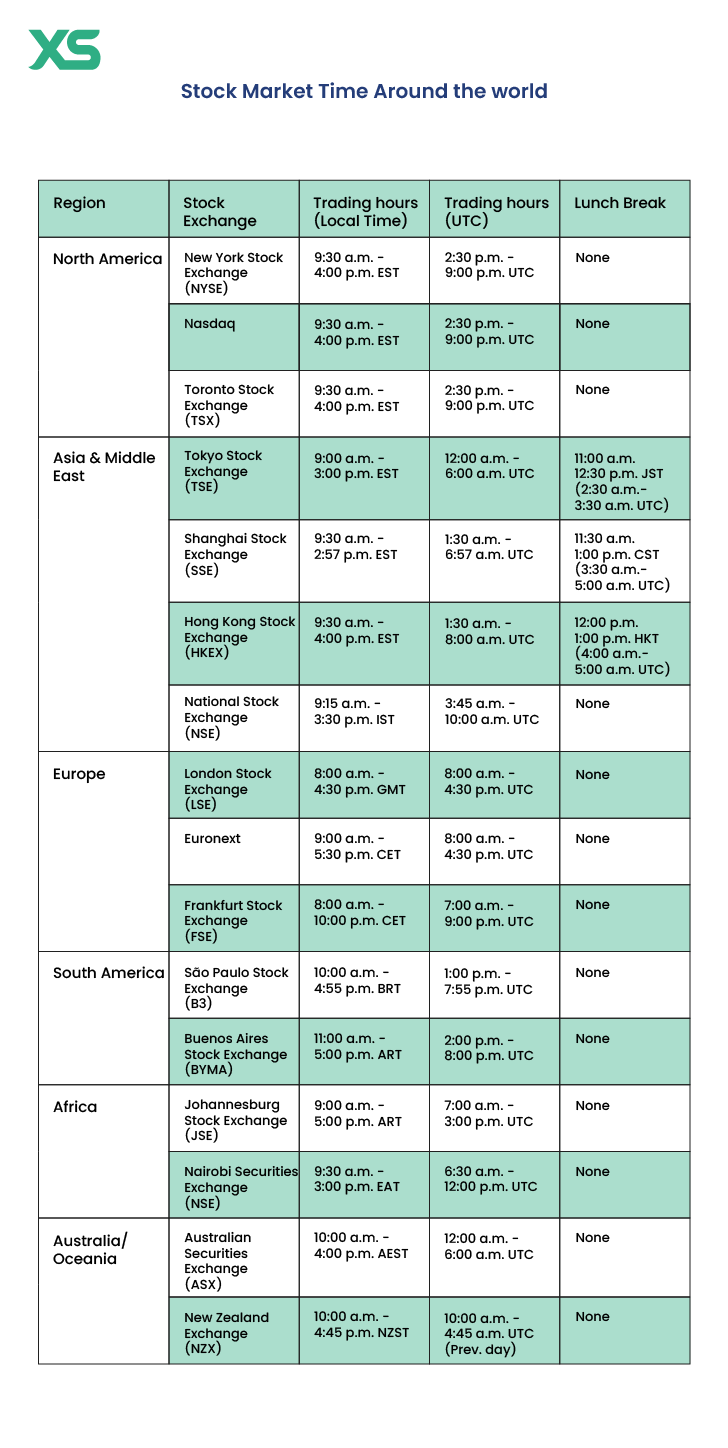
Understanding Market Hours in the Central Time Zone
The primary equity markets in the United States operate on Eastern Time (ET), but the impact of their schedules is felt globally. For the Central Time investor, the day begins and ends earlier, providing a unique schedule that can be both an advantage and a challenge.
The Standard Trading Session
The regular trading session for the NYSE and the NASDAQ begins at 9:30 AM ET. For those in the Central Time zone, the market opens at 8:30 AM CT. This standard session runs until 4:00 PM ET, which translates to a 3:00 PM CT close.
This six-and-a-half-hour window is when the highest volume of trading occurs. During these hours, liquidity is at its peak, bid-ask spreads are generally at their narrowest, and price discovery is most efficient. For the retail investor focused on long-term wealth building or the active day trader looking for volatility, the 8:30 AM to 3:00 PM CT window is the most critical period of the day.
Pre-Market and After-Hours Trading
The financial markets do not truly “sleep” when the regular session ends. Electronic Communication Networks (ECNs) allow for trading outside of standard hours.
-
Pre-Market Trading: In the Central Time zone, pre-market trading can begin as early as 3:00 AM CT, though most significant volume starts to pick up around 7:00 AM CT. This session allows investors to react to overnight news, international market movements, or early-morning earnings reports.
-
After-Hours Trading: Once the regular session closes at 3:00 PM CT, the after-hours session begins. This typically lasts until 7:00 PM CT. Volume is significantly lower during this time, which can lead to increased volatility and wider spreads, making it a territory reserved for more experienced participants.
Why Timing Matters for the Central Time Investor
The one-hour difference between the East Coast and the Central Time zone creates a distinct psychological and operational environment for investors. Mastering this timing is essential for optimizing portfolio performance and ensuring that one is not caught off guard by sudden market shifts.
Aligning Strategy with the New York Open
The first 30 minutes of the market open—starting at 8:30 AM CT—are often characterized by intense volatility. This is known as the “opening range,” where the market processes all the news and orders that accumulated since the previous day’s close.
For the Central Time investor, this means your trading day is in full swing while many other professionals are just settling into their mid-morning routines. Successfully navigating this opening period requires a clear plan. Many institutional investors use this time to execute large orders, which can move prices significantly. By being ready at 8:30 AM CT, investors can capitalize on these early-morning trends or choose to wait until the “dust settles” around 9:00 AM CT for more stable pricing.
The “Lunch Hour” Dip and Central Time Productivity
A well-known phenomenon in the stock market is the mid-day lull, often referred to as the “lunch hour dip.” This typically occurs between 12:00 PM and 1:00 PM ET. For the Central Time zone, this translates to 11:00 AM to 12:00 PM CT.
During this hour, trading volume often decreases as traders on the East Coast take their breaks. For an investor in the Central Time zone, this provides a strategic window to perform deep-dive research or rebalance a portfolio without the noise of heavy volatility. It also allows for a “second start” to the day as the market picks up steam again around 1:00 PM CT, leading into the final hours of the session.

Key Financial Markets and Their Central Time Schedules
While the stock market is the most visible, other financial instruments follow their own specific schedules, many of which are centered in the heart of the Central Time zone itself.
The Chicago Influence: Futures and Options
It is impossible to discuss Central Time investing without mentioning the CME Group (Chicago Mercantile Exchange). Because the CME is based in Chicago, much of the world’s derivatives trading is natively synchronized with Central Time.
-
Equity Futures: Instruments like S&P 500 futures (ES) and Nasdaq 100 futures (NQ) trade almost 24 hours a day. However, their most active periods align with the equity market open at 8:30 AM CT.
-
Commodities: Trading for oil, gold, and agricultural products also happens largely on Central Time. For example, many grain futures have specific trading windows that reflect the operational hours of the Midwest’s agricultural economy.
International Markets: A Global Perspective for CT Traders
Investing in the modern era often requires looking beyond domestic borders. For the Central Time investor, keeping track of global markets is a matter of managing significant time offsets:
-
London Stock Exchange: Opens at 2:00 AM CT and closes at 10:30 AM CT.
-
Tokyo Stock Exchange: Opens at 6:00 PM CT and closes at 12:00 AM CT (with a mid-day break).
-
Hong Kong: Opens at 7:30 PM CT.
Understanding these overlaps is crucial for those trading international ETFs or companies with significant global exposure. The 2:00 AM to 8:30 AM CT window is particularly important, as European market movements often set the stage for the US open.
Strategic Trading Techniques for the Central Time Zone
To excel in the markets, Central Time investors should adopt specific habits that turn their geographic location into a strategic asset.
Capitalizing on Morning Volatility
Because the market opens at 8:30 AM CT, investors in this zone have the opportunity to engage with the market before the traditional “mid-morning” fatigue sets in. A common strategy is to use the hour before the open (7:30 AM to 8:30 AM CT) to review the Economic Calendar. Major data releases—such as the Consumer Price Index (CPI) or Non-Farm Payrolls—are typically released at 7:30 AM CT. Being at your desk when this data hits allows you to adjust your positions in the pre-market before the general public reacts at the 8:30 AM bell.
The “Power Hour” Advantage
The final hour of trading, from 2:00 PM to 3:00 PM CT, is known as the “Power Hour.” This is when institutional “smart money” often makes its moves to square off positions for the day. For the Central Time investor, the market closes at 3:00 PM, which is often before the end of the traditional workday. This provides a distinct advantage: you can witness the market close and still have time during the standard business afternoon to conduct a post-market analysis, set your orders for the following day, or consult with financial advisors while they are still in their offices.
Tools and Resources to Synchronize Your Financial Life
Managing a portfolio across time zones requires the right set of tools to ensure you never miss a critical market turn.
Automated Alerts and Order Types
Given that the market opens relatively early in the Central Time zone, using automated tools is essential.
-
Limit Orders: Instead of using market orders at the 8:30 AM CT open, which can lead to “slippage” (buying at a higher price than intended), use limit orders. These allow you to specify the exact price you are willing to pay, which is vital during the volatile opening minutes.
-
Stop-Loss Orders: These are essential for protecting your downside, especially if you are unable to monitor the screen at the exact moment the market opens.

Economic Calendars and Synchronization
Most high-quality financial platforms allow you to toggle the time zone settings. It is a best practice for Central Time investors to set their trading platforms, economic calendars, and news tickers specifically to Central Time. This eliminates the “mental math” of converting from Eastern Time and reduces the risk of missing a 7:30 AM CT economic report or a 3:00 PM CT market close.
Furthermore, investors should leverage specialized financial news outlets that provide real-time coverage. Whether it is tracking the “Opening Bell” on financial television or following real-time data feeds, ensuring that your information source is synchronized with your local time is the first step toward disciplined and successful investing.
The Central Time zone offers a unique rhythm for the modern investor. By starting at 8:30 AM and concluding at 3:00 PM, CT-based market participants can enjoy a schedule that aligns perfectly with both the intensity of the New York markets and the operational realities of the American Midwest and South. Success in this environment comes down to preparation, the right tools, and an unwavering awareness of the clock.
aViewFromTheCave is a participant in the Amazon Services LLC Associates Program, an affiliate advertising program designed to provide a means for sites to earn advertising fees by advertising and linking to Amazon.com. Amazon, the Amazon logo, AmazonSupply, and the AmazonSupply logo are trademarks of Amazon.com, Inc. or its affiliates. As an Amazon Associate we earn affiliate commissions from qualifying purchases.