
The world of finance often evokes images of bustling trading floors, flashing screens, and the relentless ticking of market clocks. For many, the concept of market hours is synonymous with the stock market – opening at 9:30 AM and closing at 4:00 PM EST. However, the bond market, a colossal and foundational pillar of the global financial system, operates under a different set of rules, often defying the neat, structured schedule of its equity counterpart. Understanding these nuances is crucial for investors, financial professionals, and anyone seeking to grasp the full complexity of financial markets. Unlike a single, centralized exchange with definitive opening and closing bells, the bond market’s operational hours are more fluid, fragmented, and influenced by a multitude of factors, making the question “when does the bond market close?” far more intricate than it initially appears.
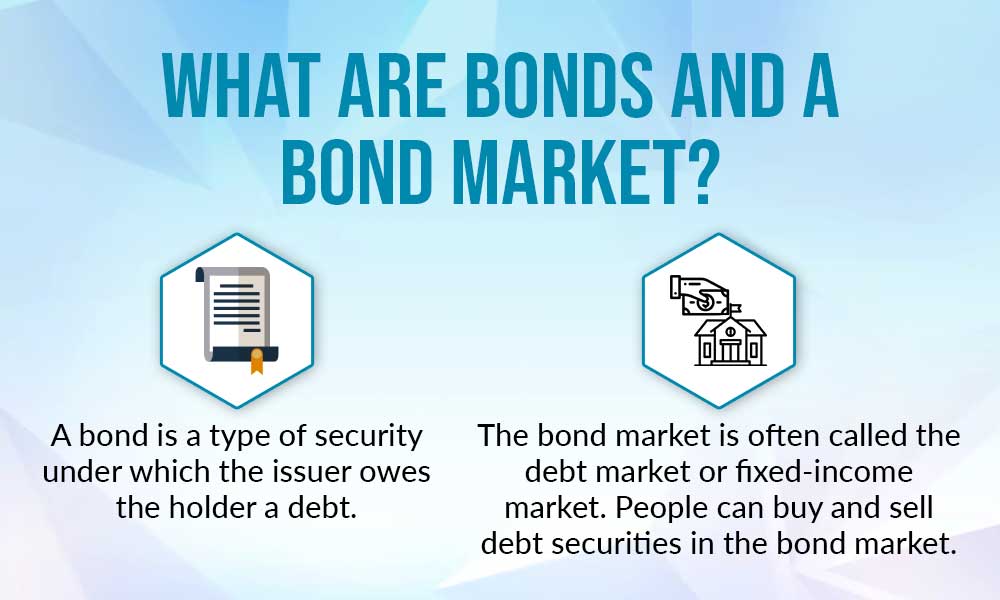
This article delves into the unique operational dynamics of the bond market, exploring its typical trading windows, the reasons behind its distinct schedule, and the practical implications for participants. We will uncover why the bond market doesn’t neatly “close” in the same way the stock market does and equip you with a comprehensive understanding of its often-misunderstood trading landscape.
Understanding the Bond Market’s Unique Operational Hours
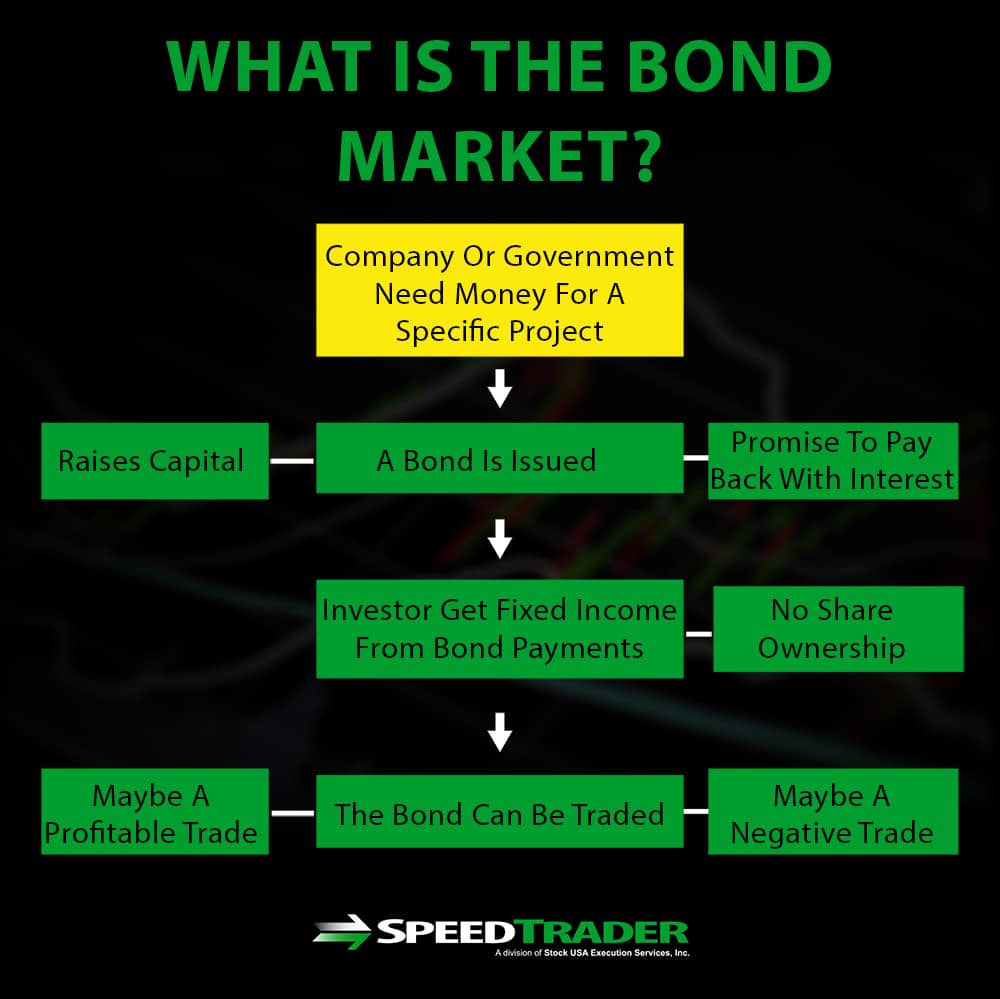
The fundamental difference in how the bond market operates compared to the stock market is its decentralized, Over-the-Counter (OTC) nature. While stocks typically trade on exchanges like the NYSE or Nasdaq, bonds are primarily traded directly between parties (dealers, institutional investors, and sometimes individual investors through brokers) or on electronic trading platforms that facilitate these direct transactions. This structure inherently means there isn’t a single, universally recognized “closing bell.”
Why Bonds Differ from Stocks
The distinction between bond and stock market hours stems from their very nature and the primary participants. Stock markets cater to a broad range of investors, from individuals to large institutions, and are designed for high-volume, standardized trading. Bonds, particularly government and corporate bonds, are predominantly traded by large institutional investors such as pension funds, insurance companies, central banks, and large asset managers. These entities often require the flexibility to trade significant volumes outside of conventional business hours due to their global portfolios and the need to react to economic data releases that occur around the clock.
Moreover, the sheer diversity of bonds – encompassing government bonds, corporate bonds, municipal bonds, mortgage-backed securities, and more – means there isn’t a “one-size-fits-all” trading mechanism. Each segment may have slightly different liquidity profiles and primary trading platforms, contributing to varied operational windows.
Standard Trading Day: A General Overview
Despite its OTC nature, the bond market does have generally recognized “core” trading hours, particularly in the United States. For U.S. Treasury bonds, the market is typically most active from 8:00 AM to 5:00 PM Eastern Time (ET). During this period, liquidity is highest, and most primary transactions occur. However, it’s crucial to understand that trading can, and often does, continue outside these hours.
For corporate and municipal bonds, the core hours tend to align more closely with traditional business hours, roughly 9:00 AM to 4:00 PM ET, though this can vary. These markets are generally less liquid than the Treasury market, and trading activity tapers off more sharply after core hours.
Electronic Trading Platforms vs. Traditional Desks
The rise of electronic trading platforms has significantly extended the effective trading window for bonds. Platforms like Tradeweb and MarketAxess facilitate transactions between institutional players almost 24 hours a day, five days a week, for certain highly liquid securities, particularly U.S. Treasuries. While a human trader might go home, the electronic infrastructure continues to operate, allowing for quotes and execution, albeit often with wider spreads and thinner liquidity outside peak hours. This blend of traditional dealer-to-client desks and always-on electronic platforms creates a hybrid environment where “closing” is more of a gradual winding down of active participation rather than an abrupt halt.
Key Factors Influencing Bond Market Trading Times
The fragmented and extended nature of bond market hours is not arbitrary; it’s a consequence of several intrinsic characteristics and external forces. Understanding these factors provides deeper insight into why the bond market operates the way it does.
The Over-the-Counter (OTC) Nature
As previously mentioned, the OTC structure is perhaps the most significant determinant. Without a central exchange dictating hours, trading occurs bilaterally. This means that as long as two parties (e.g., a dealer and an institutional client) are willing and able to transact, trading can theoretically happen at any time. Dealers, particularly those operating globally, maintain trading desks in different time zones, effectively creating a continuous market that follows the sun. This “follow the sun” model allows large institutions to manage their bond portfolios and hedge risks around the clock.
The Role of Institutional Players
The dominance of institutional investors in the bond market means that their operational needs largely dictate market activity. These institutions often manage vast sums of money across different asset classes and geographies. They need the flexibility to trade bonds to rebalance portfolios, respond to news, or adjust hedging strategies at any given moment. Unlike retail investors who might primarily focus on daily price movements, institutions often engage in long-term strategies that require intermittent, but often significant, transactions at various times. Their capacity to trade directly with each other or through a network of dealers enables this extended operation.
Global Interconnectivity and 24/7 Implications
The bond market is inherently global. U.S. Treasuries, for instance, are considered a benchmark safe-haven asset worldwide. As such, they are actively traded by institutions in Asia, Europe, and North America. When the U.S. market is “closed,” Asian and European markets are typically open and active. Economic data releases from major global economies (e.g., inflation figures from China, interest rate decisions from the ECB) can have an immediate impact on bond yields globally. Therefore, a continuous trading environment is essential for market participants to react in real-time to these developments and manage risk effectively, blurring the lines of any singular “closing” time.
Specific Market Segments and Their Schedules
While the general principles apply, specific bond market segments exhibit variations in their typical trading schedules, primarily driven by liquidity and primary investor bases.
U.S. Treasury Market Hours

The U.S. Treasury market, being the largest and most liquid bond market globally, operates closest to a 24-hour, 5-day-a-week schedule. While 8:00 AM to 5:00 PM ET represents peak activity, electronic trading allows for continuous quotes and execution. Significant news events, such as Federal Reserve announcements or major economic reports, can trigger intense trading activity even outside these core hours. However, liquidity can be much thinner during overnight hours, leading to wider bid-ask spreads and potentially larger price swings on smaller volumes.
Corporate Bond Market Nuances
Corporate bonds are generally less liquid than Treasuries and trade more closely to traditional business hours, typically 9:00 AM to 4:00 PM ET. The ability to trade after hours exists, but it’s significantly more challenging. Spreads widen considerably, and finding a counterparty willing to transact can be difficult. Most corporate bond trading is dealer-intermediated, meaning a dealer must be willing to make a market. Outside core hours, fewer dealers are actively quoting prices, which reduces liquidity.
Municipal Bond Trading Windows
The municipal bond market, which comprises bonds issued by state and local governments, is even more fragmented and typically adheres strictly to 9:00 AM to 4:00 PM ET operating hours. This market is characterized by a vast number of unique issuers and relatively smaller issue sizes compared to corporate or Treasury bonds, leading to lower liquidity overall. Most trading occurs through brokers and dealers who primarily operate during standard business hours. After-hours trading is rare and exceptionally illiquid.
International Bond Market Considerations
For investors with exposure to international bonds, understanding local market hours is critical. European government bonds (e.g., German Bunds, UK Gilts) trade actively during European business hours, roughly 2:00 AM to 11:00 AM ET. Similarly, Asian bond markets (e.g., Japanese Government Bonds, Chinese government bonds) are active during their respective business hours, typically 7:00 PM to 4:00 AM ET. The global nature means that while one region’s market is slowing down, another is just beginning, contributing to the continuous nature of bond trading worldwide.
Impact of Bond Market Hours on Investors and Institutions
The unique operational structure of the bond market has significant implications for how investors and institutions manage their portfolios and execute trades.
Liquidity Considerations
Liquidity is paramount in any financial market. During core trading hours, particularly for highly liquid securities like U.S. Treasuries, bid-ask spreads are tight, and large orders can be executed with minimal market impact. However, outside these hours, liquidity diminishes significantly. This means that investors attempting to buy or sell bonds after the main trading window may encounter wider spreads (the difference between the buying and selling price), making transactions more expensive, or they may struggle to find a counterparty at all, especially for less liquid corporate or municipal bonds. For institutions managing massive portfolios, this lack of liquidity can be a critical risk factor if they need to adjust positions quickly.
Pricing and Volatility Outside Core Hours
Prices can still move significantly outside core trading hours, driven by overnight news, economic data releases, or shifts in global sentiment. However, due to lower liquidity, these price movements can sometimes be exaggerated or less representative of true market consensus. A relatively small trade could cause a noticeable price shift simply because there isn’t enough opposing volume to absorb it. This can lead to increased volatility for institutions that are forced to trade during these times, impacting their portfolio valuations and risk exposures.
Strategic Implications for Portfolio Management
For bond portfolio managers, the continuous nature of the market necessitates constant vigilance. They must be aware of global events and economic releases that could impact bond prices at any hour. Strategies often involve pre-positioning for anticipated events or utilizing derivatives to hedge overnight risk. Individual investors typically access the bond market through mutual funds, ETFs, or brokerage platforms, which aggregate orders during core hours. While they might see real-time quotes, their ability to execute at those prices outside core hours is typically limited by the operational constraints of their brokerage. Understanding these market hours can help individual investors manage expectations regarding trade execution and market movements.
Navigating After-Hours and Holiday Trading
While the bond market technically never “closes” in the same way as stock exchanges, there are distinct periods of reduced activity and full closures that all participants must understand.
Limited Activity and Associated Risks
After-hours trading primarily refers to activity outside the peak 8:00 AM to 5:00 PM ET window for U.S. Treasuries, or 9:00 AM to 4:00 PM ET for other bonds. During these times, liquidity is significantly reduced, meaning fewer buyers and sellers are active. This thinner market can lead to:
- Wider Spreads: The difference between the buy and sell price increases, making trades more expensive.
- Price Volatility: Smaller trades can have a larger impact on prices due to limited opposing liquidity.
- Difficulty in Execution: It may be harder to find a counterparty for a desired trade, especially for larger orders or less common bonds.
- Increased Information Asymmetry: Less transparency and fewer participants can lead to situations where some traders have an information advantage.
For most individual investors, attempting to trade bonds during these periods is generally not advisable, as the costs and risks often outweigh potential benefits.
Weekend and Major Holiday Closures
While bond trading can be active globally on weekdays, the market generally ceases significant activity on weekends (Saturday and Sunday). Similarly, major national holidays in key financial centers (e.g., Christmas Day, New Year’s Day, Thanksgiving, Good Friday in the U.S.) typically see full closures or extremely limited activity, even electronically. On these days, institutions are generally closed, and there is no active market-making. Trades placed on these days will typically be queued for execution on the next business day. It’s important for investors to be aware of the bond market holiday schedule, which often differs slightly from the stock market holiday schedule (e.g., the bond market often closes early on the day before a major holiday, or observes holidays that the stock market does not).
Early Closures and Special Circumstances
The bond market sometimes observes early closures on specific days, such as the day before a major holiday (e.g., the day before Thanksgiving or Christmas Eve). These early closures are often announced in advance and lead to a significant winding down of activity in the afternoon. Furthermore, in rare circumstances, market closures can occur due to extreme events, such as severe weather that prevents financial personnel from reaching their offices or major system failures. These are exceptional, but they highlight that even a largely electronic market still relies on human oversight and infrastructure.
In conclusion, the question “when does the bond market close?” doesn’t have a simple, singular answer. Instead, it reveals the intricate, decentralized, and globally interconnected nature of bond trading. While there are core hours of peak activity, particularly in the U.S., the market for highly liquid instruments like U.S. Treasuries operates almost continuously thanks to electronic platforms and global participation. Less liquid segments, such as corporate and municipal bonds, adhere more closely to traditional business hours. Understanding these dynamics is essential for navigating the bond market effectively, managing liquidity risks, and making informed investment decisions in this vital financial arena.
aViewFromTheCave is a participant in the Amazon Services LLC Associates Program, an affiliate advertising program designed to provide a means for sites to earn advertising fees by advertising and linking to Amazon.com. Amazon, the Amazon logo, AmazonSupply, and the AmazonSupply logo are trademarks of Amazon.com, Inc. or its affiliates. As an Amazon Associate we earn affiliate commissions from qualifying purchases.