
For investors, analysts, and market watchers, the announcement of a company’s quarterly earnings is more than just a date on the calendar; it’s a pivotal moment. For a company as high-profile and influential as Tesla, Inc. (TSLA), these announcements carry even greater weight, often triggering significant market movements and shaping investor sentiment for months to come. Understanding when Tesla announces earnings, what to look for, and how to interpret these reports is fundamental for anyone participating in or observing the financial markets. This guide will delve into the critical aspects of Tesla’s earnings announcements, viewed strictly through the lens of personal finance, investing, and business finance.

The Critical Juncture for Investors: Understanding Earnings Announcements
Earnings announcements are a cornerstone of corporate transparency and a vital mechanism in the efficient functioning of capital markets. They represent a mandatory disclosure by publicly traded companies of their financial performance over a specific period, typically a fiscal quarter. For a company like Tesla, with its dedicated following and volatile stock, these events are particularly scrutinized.
Why Earnings Reports Matter for Tesla Investors
At its core, an earnings report provides a snapshot of a company’s financial health and operational efficiency. For Tesla investors, this means gaining insights into key drivers of its business, such as vehicle production and deliveries, profitability per vehicle, advancements in its energy division, and the financial impact of its technological investments.
Investors use this data to:
- Assess Performance: Compare actual results against analyst estimates and the company’s own guidance to gauge whether Tesla is meeting expectations.
- Evaluate Growth: Analyze revenue growth rates, profit margins, and cash flow trends to understand the trajectory of the company’s expansion.
- Inform Investment Decisions: Positive or negative surprises can significantly impact the stock price, prompting investors to buy, sell, or hold shares. Long-term investors look for consistent performance and strategic alignment, while short-term traders might react to immediate price swings.
- Understand Business Strategy: Management’s commentary during the earnings call often sheds light on future plans, challenges, and opportunities, providing context beyond the raw numbers.
The Regulatory Mandate: Transparency and Timelines
Public companies in the United States, including Tesla, are required by the Securities and Exchange Commission (SEC) to file periodic reports, most notably the Form 10-K (annual report) and Form 10-Q (quarterly report). These filings are the official, legally binding documents that contain the detailed financial statements (income statement, balance sheet, cash flow statement) and management’s discussion and analysis (MD&A).
While the official filings have deadlines (e.g., Form 10-Q generally due within 45 days after the end of the quarter), companies usually pre-announce their earnings release date and host a conference call beforehand. Tesla typically releases its earnings report and schedules its earnings call approximately three to four weeks after the close of each fiscal quarter. This predictable cadence helps investors prepare for the event.
Beyond the Numbers: Decoding Investor Sentiment
While the raw financial figures are paramount, an earnings announcement also serves as a pulse check for investor sentiment. Tesla, in particular, is a stock that often trades on narrative and future potential as much as current financial performance. The language used by CEO Elon Musk and other executives during the earnings call, their tone, and their responses to analyst questions can significantly influence how the market interprets the results. This qualitative aspect is crucial for understanding the immediate market reaction and the underlying confidence in Tesla’s long-term vision and execution capability.
Pinpointing Tesla’s Earnings Dates: Your Guide to Financial Calendars
Knowing the exact date and time of an earnings announcement is critical for investors who wish to be prepared, whether for making timely trades or simply staying informed. While the precise date varies slightly each quarter, Tesla follows a generally predictable pattern.
Official Sources: Tesla’s Investor Relations Portal
The most accurate and reliable source for Tesla’s earnings announcement dates is its official Investor Relations website. Companies are obligated to disclose these dates publicly and prominently.
On Tesla’s Investor Relations page, you can typically find:
- Upcoming Events: A section dedicated to future earnings calls and other investor events.
- Press Releases: The actual earnings release is published here first, containing a summary of the financial results.
- Financial Filings: Access to the full 10-K and 10-Q reports.
- Webcast Information: Details on how to listen to the live earnings conference call, which usually follows the release of the financial report.
Subscribing to email alerts from Tesla’s IR site is an excellent way to receive timely notifications directly to your inbox.
Third-Party Financial Platforms and Their Role
Beyond the official source, numerous reputable financial news outlets and data providers track and publish earnings calendars. These platforms consolidate information from thousands of companies, making it easier for investors to monitor multiple stocks.
Popular platforms include:
- Financial News Websites: CNBC, Bloomberg, Wall Street Journal, Reuters, Yahoo Finance, Google Finance.
- Brokerage Platforms: Most online brokers offer integrated earnings calendars within their trading interfaces.
- Dedicated Earnings Calendar Sites: Websites specifically designed to track earnings dates and provide associated data.
These platforms are convenient, but it’s always a good practice to cross-reference with Tesla’s official IR page if there’s any uncertainty, especially as dates can sometimes shift.
The Predictable Cadence: Quarterly Reporting Cycles
Tesla, like most public companies, reports its earnings on a quarterly basis, aligning with the standard fiscal calendar:
- Q1 (January-March): Reported typically in late April.
- Q2 (April-June): Reported typically in late July.
- Q3 (July-September): Reported typically in late October.
- Q4 (October-December): Reported typically in late January or early February of the following year.
While these are general guidelines, the exact day often depends on the company’s internal closing procedures and scheduling availability for the earnings call. Investors should mark these approximate windows on their personal financial calendars and then look for the specific date announcement closer to the quarter’s end.
What to Scrutinize in Tesla’s Earnings Report
An earnings report is a treasure trove of information, but it can be overwhelming without a clear focus. For Tesla, certain metrics and forward-looking statements warrant particular attention due to the company’s unique business model and growth stage.
Key Financial Metrics: Revenue, Profitability, and Margins
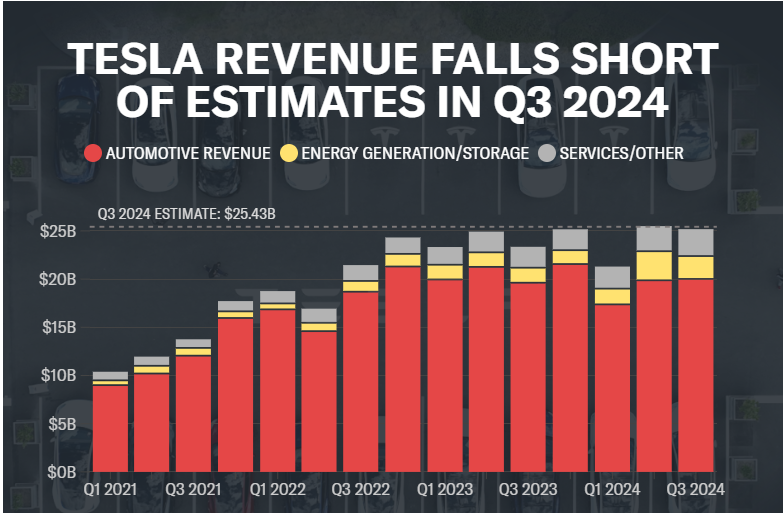
- Revenue: Total sales generated from automotive, energy generation and storage, and services. Investors look for consistent growth, indicating strong demand for Tesla’s products.
- Gross Margin: The percentage of revenue left after subtracting the cost of goods sold. Automotive gross margin is a key indicator of Tesla’s efficiency in vehicle production. Overall gross margin reflects the health of its combined businesses.
- Operating Expenses: Costs associated with running the business, such as R&D (research and development) and SG&A (selling, general, and administrative). Investors watch for controlled spending relative to revenue growth.
- Net Income/Earnings Per Share (EPS): The bottom-line profit. EPS is crucial as it’s often directly compared against analyst estimates. Adjusted EPS, which excludes certain non-recurring items, is also frequently cited.
- Free Cash Flow (FCF): The cash generated by operations minus capital expenditures. Positive and growing FCF is a sign of financial strength, enabling Tesla to fund future projects, pay down debt, or potentially buy back shares.
Production and Delivery Figures: A Tesla-Specific Focus
Unlike many traditional companies, Tesla pre-announces its production and delivery figures approximately one to three days after the close of each quarter, well before the full earnings report. These figures are crucial for Tesla due to its manufacturing-intensive business.
- Vehicle Production: The total number of vehicles manufactured globally.
- Vehicle Deliveries: The total number of vehicles sold to customers globally. This is often the most closely watched metric by analysts and investors as it directly correlates with revenue in the automotive segment.
The actual earnings report then contextualizes these figures with their financial impact, including the average selling price (ASP), inventory levels, and production costs.
Forward Guidance and Analyst Expectations
- Company Guidance: Management’s outlook for future quarters or the full fiscal year. This includes projections for revenue, vehicle deliveries, capital expenditures, and profit margins. Strong guidance signals confidence in future performance, while a reduction can cause significant share price drops.
- Analyst Consensus: Before the earnings report, financial analysts publish their own estimates for key metrics like revenue and EPS. The “beat or miss” – whether Tesla’s actual results are above or below these consensus estimates – often dictates the immediate market reaction. Investors should also pay attention to how Tesla’s guidance compares to analyst expectations for the upcoming periods.
The Earnings Call: Insights from Management
The earnings conference call, which usually follows the report’s release, is an interactive session where management discusses the results, provides strategic updates, and answers questions from analysts.
- Prepared Remarks: Management elaborates on the company’s performance, highlights achievements, and outlines future priorities.
- Q&A Session: This is often the most insightful part, as analysts probe management on specific details, challenges, and competitive dynamics. Elon Musk’s responses, in particular, are often highly anticipated and can move the stock.
Listening to the call provides nuance and context that the written report alone might not convey, offering deeper insight into the company’s financial and operational thinking.
The Market’s Reaction: Volatility and Opportunity Post-Earnings
Tesla’s stock is known for its volatility, and earnings announcements are often catalysts for significant price swings. Understanding the dynamics of these reactions is key for investors.
Short-Term Price Fluctuations and Their Drivers
- Surprise Factor: The biggest driver of short-term price movement is how actual results compare to analyst consensus. A significant “beat” can send the stock soaring, while a “miss” can lead to sharp declines.
- Guidance Impact: Future guidance often has an even greater impact than past results. If management paints a bullish picture for the future, the stock can rise even if past earnings were merely in line with expectations. Conversely, a cautious outlook can dampen enthusiasm.
- Qualitative Commentary: The tone of the earnings call, new product or market announcements, or even a nuanced comment from Elon Musk can sway investor sentiment and create immediate price changes.
- Options Market Activity: High levels of options trading around earnings can amplify price movements, especially as options expire or are exercised based on the post-earnings stock price.
Long-Term Investment Implications
While short-term reactions are dramatic, long-term investors should look beyond the immediate volatility.
- Fundamental Strength: Does the report indicate a strengthening or weakening of Tesla’s core business fundamentals? Is revenue growing sustainably? Are margins improving? Is cash flow robust?
- Strategic Execution: Is the company executing on its stated strategies for expansion, new product development (e.g., Cybertruck, Optimus), and cost reduction?
- Competitive Landscape: How do Tesla’s results compare to its competitors in the EV and energy storage markets?
For long-term holders, a single quarter’s results are less important than the consistent trend and the company’s ability to deliver on its long-term vision.
Strategies for Navigating Earnings Season
- Avoid Speculation: While tempting, betting on a short-term earnings outcome is highly speculative due to the unpredictable nature of market reactions.
- Risk Management: If holding a significant position, consider sizing your position appropriately or using options strategies (e.g., collars) to manage risk around earnings if you are concerned about volatility.
- Post-Earnings Analysis: For most investors, it’s often wiser to wait until after the initial market reaction has subsided, read the full report, listen to the call, and then make informed decisions.
- Dollar-Cost Averaging: For long-term investors, consistently investing a fixed amount over time (dollar-cost averaging) can help mitigate the impact of any single earnings-driven price swing.
Integrating Tesla Earnings into Your Investment Strategy
Understanding Tesla’s earnings is not an isolated exercise; it’s a critical component of a broader, well-rounded investment strategy focused on the Money category.
The Broader Economic Landscape and Tesla
Tesla’s performance is not immune to macroeconomic forces. Factors like interest rates, consumer spending confidence, raw material costs, and geopolitical events can all influence its revenue, profitability, and future outlook. During an earnings call, management often addresses these broader trends and their potential impact on the business. Investors should consider Tesla’s results within this larger economic context rather than in isolation. For instance, rising interest rates could impact demand for its vehicles, while government incentives for EVs could boost sales.
Risk Management Around Earnings
Given the potential for significant price movements, effective risk management is paramount, especially for individual investors.
- Diversification: No single stock, regardless of its growth potential, should represent an outsized portion of your portfolio. Diversifying across different asset classes, industries, and geographies reduces the impact of a negative earnings surprise from any one company.
- Position Sizing: Allocate capital to Tesla in a way that aligns with your overall risk tolerance. Don’t invest more than you can afford to lose, particularly in a volatile stock.
- Stop-Loss Orders: While not foolproof, setting stop-loss orders can help limit potential downside if the stock moves sharply against your position post-earnings. However, be aware of “gap downs” where the stock opens significantly lower than the previous day’s close, bypassing your stop-loss price.

The Role of Due Diligence and Continuous Learning
Successful investing in a dynamic company like Tesla requires ongoing due diligence. Earnings reports are just one piece of the puzzle.
- Industry Analysis: Stay informed about the broader automotive, EV, and energy storage industries. What are competitors doing? What are the technological shifts?
- Macroeconomic Trends: Keep an eye on global economic health, inflation, and monetary policy, which can impact consumer demand and Tesla’s operational costs.
- Regulatory Environment: Changes in government regulations, subsidies, or environmental policies can significantly affect Tesla’s business model and profitability.
- Technological Advancements: While this article strictly avoids “Tech” topics, from a financial perspective, understanding Tesla’s ongoing R&D in areas like battery technology, AI for autonomous driving, and manufacturing processes can provide insight into future revenue streams and competitive advantages. The cost of R&D and its impact on profitability are financial considerations.
- Earnings Call Replays: If you miss a live earnings call, always make time to listen to the replay. It offers direct insight from management that can shape your understanding.
In conclusion, knowing when Tesla announces earnings is the starting point for a deeper dive into its financial performance. For serious investors, it’s an opportunity to rigorously assess the company’s health, evaluate its strategic direction, and refine investment decisions within the broader framework of financial prudence and market understanding. By focusing on the financial metrics, management’s guidance, and the market’s reaction, investors can navigate the complexities of Tesla’s earnings season and integrate these insights into a robust, Money-focused investment strategy.
aViewFromTheCave is a participant in the Amazon Services LLC Associates Program, an affiliate advertising program designed to provide a means for sites to earn advertising fees by advertising and linking to Amazon.com. Amazon, the Amazon logo, AmazonSupply, and the AmazonSupply logo are trademarks of Amazon.com, Inc. or its affiliates. As an Amazon Associate we earn affiliate commissions from qualifying purchases.