
For millions of students across the globe, the culmination of their academic pursuits often coincides with the looming reality of student loan repayment. The period immediately following graduation or leaving school can be a whirlwind of job searching, relocation, and adjusting to a new phase of life. Amidst this transition, understanding precisely when student loan payments begin, what options are available, and how to strategically manage this significant financial obligation is paramount. This comprehensive guide will demystify the payment start dates, explore different loan types, outline repayment strategies, and offer essential advice to ensure a smooth transition into financial independence.
Understanding the Initial Stages: Grace Periods and Beyond
The first crucial step in understanding when your student loan payments start is familiarizing yourself with the concept of a “grace period.” This is a defined timeframe after you graduate, leave school, or drop below half-time enrollment during which you are not required to make payments. It’s designed to provide a buffer, allowing borrowers to find employment and get their finances in order before the repayment obligations officially kick in.
The Concept of a Grace Period
A grace period acts as a financial breather. It’s a temporary reprieve from repayment, but it’s essential to remember that interest may still accrue on certain types of loans during this time. For instance, unsubsidized federal loans and most private loans will continue to accumulate interest during the grace period, which will then be added to your principal balance when repayment begins, increasing your overall loan amount. Subsidized federal loans, on the other hand, typically do not accrue interest during the grace period. Understanding this distinction is vital for long-term financial planning.
Federal vs. Private Loan Grace Periods
The length and terms of a grace period can vary significantly depending on whether your loans are federal or private.
-
Federal Student Loans: For most federal student loans (Direct Subsidized Loans, Direct Unsubsidized Loans, and FFEL Program loans), the standard grace period is six months. During this time, you are not required to make payments. If you return to school at least half-time before your grace period ends, you generally won’t enter repayment, and your grace period will reset when you again leave school or drop below half-time enrollment. However, there are exceptions; some federal Perkins Loans, for example, have a nine-month grace period. PLUS loans (Direct PLUS Loans and FFEL PLUS Loans made to graduate or professional students, or parents) typically do not have a grace period. Instead, they usually enter repayment within 60 days after the final disbursement of the loan, though graduate student PLUS borrowers can defer payments while in school and for an additional six months after leaving.
-
Private Student Loans: Grace periods for private student loans are entirely dependent on the lender and the specific loan agreement. While many private lenders offer a six-month grace period similar to federal loans, some may offer a longer or shorter period, or even no grace period at all. Some private loans might require in-school payments, such as interest-only payments, which means your repayment obligations could start much sooner. It’s crucial to carefully review the promissory note and contact your private lender directly to confirm the exact terms of your grace period.
What Happens When the Grace Period Ends?
When your grace period concludes, your loans will officially enter repayment. This means your first payment will typically be due approximately one month after the grace period ends. Before this date, your loan servicer (the company that handles your loan billing and other services) should send you a repayment schedule, detailing your monthly payment amount, the due date, and information about your repayment plan. It’s imperative to open and read all correspondence from your loan servicer to ensure you’re aware of these critical dates and figures. Missing your first payment can lead to late fees and negatively impact your credit score, setting a challenging tone for your repayment journey.
Diverse Loan Types and Their Repayment Nuances
The world of student loans is not monolithic; it comprises various types, each with unique characteristics that influence when and how you repay them. A thorough understanding of your specific loan portfolio is essential for effective financial planning.
Federal Student Loans: A Closer Look
Federal student loans are offered by the U.S. Department of Education and come with several borrower protections and flexible repayment options.
- Direct Subsidized Loans: These are for undergraduate students with demonstrated financial need. The government pays the interest while you’re in school at least half-time, during your grace period, and during periods of deferment. Repayment begins six months after you graduate, leave school, or drop below half-time enrollment.
- Direct Unsubsidized Loans: These are available to undergraduate and graduate students regardless of financial need. Interest accrues during all periods, including while you’re in school and during the grace period. You’re responsible for all interest. Repayment also begins six months after you graduate, leave school, or drop below half-time enrollment.
- Direct PLUS Loans: These are made to graduate or professional students (Grad PLUS) and parents of dependent undergraduate students (Parent PLUS). These loans have different payment start rules. Grad PLUS loans typically offer a six-month post-enrollment deferment, mirroring the grace period of other federal loans. Parent PLUS loans, by default, enter repayment 60 days after disbursement, but parents can request to defer payments while the student is in school and for six months after.
- Federal Perkins Loans: (No longer disbursed as of September 30, 2017) These had a nine-month grace period after you stopped being enrolled at least half-time. If you have older Perkins loans, this longer grace period applies.
Private Student Loans: Lender-Specific Terms
Private student loans are offered by banks, credit unions, and other financial institutions. They typically have fewer borrower protections and more stringent repayment terms compared to federal loans.
- No Standardized Grace Period: As mentioned, grace periods for private loans vary by lender and often range from zero to six months. Some lenders may even require interest-only payments while you are still in school.
- Interest Accrual: Interest almost always accrues on private student loans from the moment they are disbursed, regardless of whether you are in school or in a grace period. This means your loan balance will grow even before you start making principal payments.
- Limited Repayment Options: Private lenders generally offer fewer flexible repayment plans than the federal government. Options like income-driven repayment or extensive deferment/forbearance benefits are rare or non-existent. Understanding these differences is crucial, as it may influence your strategy for tackling private loans versus federal ones.
The Impact of Consolidation and Refinancing
Consolidating or refinancing your student loans can significantly alter your payment start date and overall repayment terms.
- Federal Direct Consolidation Loan: This combines multiple federal student loans into a single loan with one monthly payment. Once your consolidation loan is disbursed, any remaining grace periods on the underlying loans are forfeited, and repayment typically begins 60 days after disbursement. However, if any of the loans included in the consolidation were still in a grace period, the entire consolidation loan can qualify for a deferment until the end of that original grace period.
- Refinancing Private Loans (or Federal to Private): Refinancing involves taking out a new loan from a private lender to pay off existing student loans. The terms of this new loan, including its payment start date and grace period (if any), are entirely dictated by the new private lender. This can be an effective way to lower interest rates or adjust monthly payments, but it also means giving up federal loan benefits if you refinance federal loans into a private loan. The payment schedule for a refinanced loan will be set by the new lender and will typically begin shortly after the new loan is fully processed.
Strategizing for Repayment: Options and Alternatives
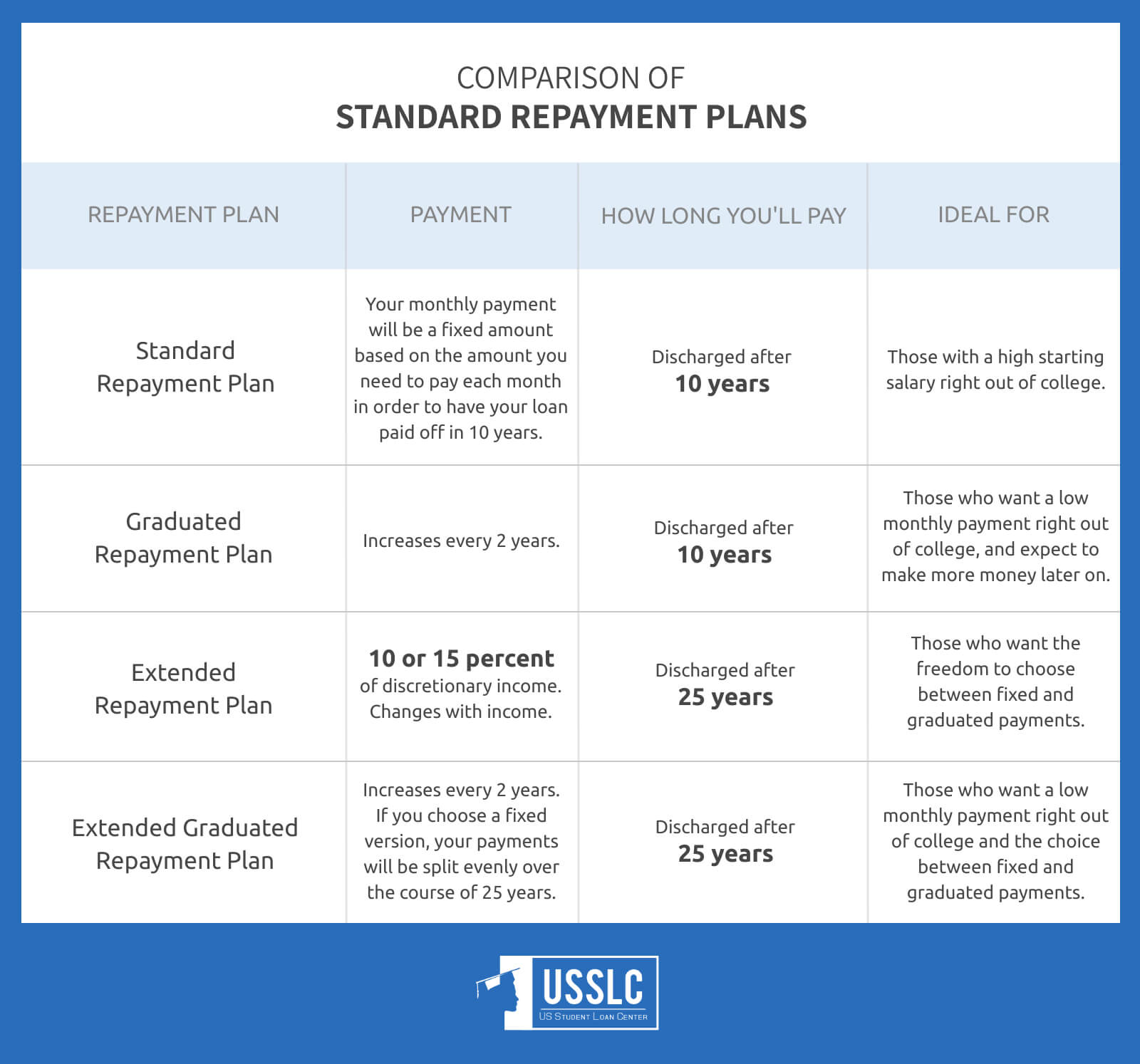
Once your grace period is nearing its end, or even before, it’s vital to consider the various repayment strategies available to manage your debt effectively. Proactive engagement with your loan servicer and a clear understanding of your options can prevent financial distress.
Exploring Income-Driven Repayment (IDR) Plans
For federal student loan borrowers, Income-Driven Repayment (IDR) plans are powerful tools designed to make payments more affordable by capping them at a percentage of your discretionary income. If your income is low enough, your payment could be as little as $0 per month.
- Key IDR Plans: The main IDR plans include Saving on a Valuable Education (SAVE, formerly REPAYE), Pay As You Earn (PAYE), Income-Based Repayment (IBR), and Income-Contingent Repayment (ICR). Each plan has slightly different eligibility requirements and payment calculation methods.
- Benefits: IDR plans can prevent default, offer potential loan forgiveness after a certain number of years (typically 20 or 25 years, or 10 years for Public Service Loan Forgiveness), and provide financial flexibility during periods of low income.
- Considerations: Interest can still accrue on IDR plans, and if your payments are less than the accruing interest, your loan balance may grow. You must recertify your income and family size annually to remain on an IDR plan.
Deferment and Forbearance: Temporary Relief Options
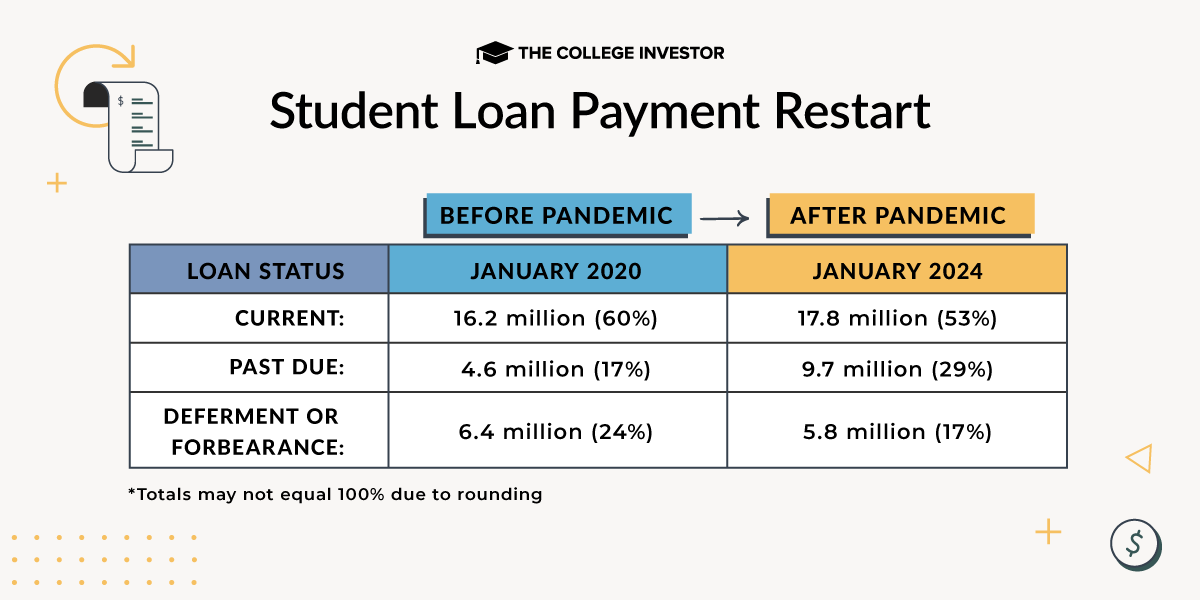
If you’re facing a temporary financial hardship, deferment or forbearance can provide a temporary pause in payments.
- Deferment: This is a period during which your loan payments are temporarily postponed. For subsidized federal loans, the government pays the interest during deferment. Common reasons for deferment include unemployment, economic hardship, military service, or returning to school at least half-time.
- Forbearance: This also allows you to temporarily stop or reduce your loan payments. However, interest typically accrues on all loan types (subsidized and unsubsidized) during forbearance. It’s generally granted for situations like financial difficulty, medical expenses, or changes in employment.
- Important Note: While both options offer relief, deferment is generally preferred for subsidized loans due to the interest subsidy. Both deferment and forbearance extend your repayment period and increase the total amount you will pay over the life of the loan (especially forbearance due to accruing interest). They should be considered temporary solutions, not long-term strategies.
Refinancing for New Payment Terms
As discussed, refinancing involves obtaining a new loan to pay off existing student loans. This is typically done through private lenders.
- Potential Benefits: Refinancing can lead to a lower interest rate, which can significantly reduce the total cost of your loan and potentially your monthly payment. It can also simplify repayment by consolidating multiple loans into a single one with a new servicer and potentially a new, more manageable payment schedule.
- Considerations: If you refinance federal loans into a private loan, you lose access to valuable federal borrower protections, such as IDR plans, extensive deferment/forbearance options, and federal loan forgiveness programs. This decision should not be taken lightly. Refinancing is often most beneficial for borrowers with high-interest private loans, or federal borrowers with stable employment and excellent credit who are confident they won’t need federal benefits.
Preparing for a Smooth Repayment Experience
The key to successfully managing student loan repayment lies in preparation and proactive engagement. Understanding who holds your loans and creating a solid financial plan are critical steps.
Identifying Your Loan Servicer
Your loan servicer is your primary point of contact for all questions related to your loan payments, repayment plans, deferment, and forbearance. It’s crucial to know who your servicer is well before your first payment is due.
- Federal Loans: You can find your federal loan servicer(s) by logging into your account on StudentAid.gov. This portal provides comprehensive information on all your federal student loans, including balances, interest rates, and servicer contact details. Common federal servicers include Nelnet, MOHELA, and Aidvantage.
- Private Loans: For private loans, you’ll need to refer to your loan documents or contact the financial institution where you originally applied for the loan. Your credit report (which you can access annually for free) will also list all your creditors, including private student loan lenders.
Crafting a Robust Repayment Budget
A detailed budget is your most powerful tool for managing student loan payments alongside other financial obligations.
- Assess Income and Expenses: Calculate your monthly take-home pay and list all your fixed and variable expenses.
- Prioritize Loan Payments: Integrate your student loan payment into your budget as a non-negotiable expense.
- Find Areas for Savings: Identify areas where you can cut back to free up funds, especially if your loan payments are a significant portion of your income.
- Emergency Fund: Aim to build an emergency fund to cover unexpected expenses, preventing a scenario where you might have to miss loan payments.
Setting Up Automatic Payments
One of the simplest and most effective ways to ensure timely payments and potentially save money is by enrolling in automatic payments (auto-pay).
- Benefits: Auto-pay guarantees your payments are made on time, helping you avoid late fees and protecting your credit score. Many federal loan servicers and private lenders offer a small interest rate reduction (typically 0.25%) for enrolling in auto-pay, which can add up to significant savings over the life of your loan.
- How to Set Up: Contact your loan servicer directly or log into their online portal to set up automatic payments from your bank account. Ensure your bank account always has sufficient funds to cover the payment.
Long-Term Financial Health and Avoiding Pitfalls
Beyond the initial start of payments, a long-term perspective and understanding of potential challenges are vital for maintaining good financial health and successfully paying off your student debt.
The Consequences of Default
Defaulting on your student loans can have severe and lasting negative consequences, impacting nearly every aspect of your financial life.
- Credit Score Damage: Defaulting will significantly damage your credit score, making it difficult to qualify for other loans (car, mortgage), credit cards, or even renting an apartment.
- Wage Garnishment: The government can garnish your wages, Social Security benefits, or even your tax refunds to collect defaulted federal student loans without a court order. Private lenders may also pursue court action to garnish wages.
- Loss of Eligibility for Aid: You’ll lose eligibility for additional federal student aid and certain federal benefits.
- Accelerated Repayment: The entire unpaid balance of your loan, including accrued interest, may become immediately due and payable.
- Collection Fees: You may be charged additional collection fees, which can substantially increase the total amount you owe.
Understanding Loan Forgiveness Programs
For certain federal loan borrowers, loan forgiveness programs can offer a path to having remaining balances discharged after meeting specific criteria.
- Public Service Loan Forgiveness (PSLF): This program forgives the remaining balance on Direct Loans after you’ve made 120 qualifying monthly payments while working full-time for a qualifying employer (government or non-profit organization).
- Teacher Loan Forgiveness: For teachers who work for five complete and consecutive academic years in a low-income school or educational service agency, up to $17,500 of their Direct Subsidized/Unsubsidized Loans can be forgiven.
- Income-Driven Repayment (IDR) Forgiveness: As mentioned, remaining balances on IDR plans can be forgiven after 20 or 25 years of qualifying payments, depending on the plan and loan type.
These programs offer significant relief, but they have strict eligibility requirements and application processes. It’s crucial to understand the rules and track your progress carefully from the outset.
Proactive Communication with Your Servicer
Never ignore your student loan servicer. If you anticipate difficulty making payments, or if your financial situation changes, immediately contact your servicer. They are there to help you explore options like IDR plans, deferment, or forbearance before you miss a payment. Proactive communication can save you from late fees, credit score damage, and the harsh realities of default.
Navigating student loan repayment can feel daunting, but with a clear understanding of when payments start, the types of loans you hold, and the various strategies and protections available, you can approach this financial responsibility with confidence. By planning ahead, budgeting wisely, and staying informed, you can successfully manage your student debt and move towards a secure financial future.
aViewFromTheCave is a participant in the Amazon Services LLC Associates Program, an affiliate advertising program designed to provide a means for sites to earn advertising fees by advertising and linking to Amazon.com. Amazon, the Amazon logo, AmazonSupply, and the AmazonSupply logo are trademarks of Amazon.com, Inc. or its affiliates. As an Amazon Associate we earn affiliate commissions from qualifying purchases.