
For investors situated on the West Coast, the rhythmic pulse of the stock market operates on a different temporal beat. While the financial media often references Eastern Time (ET) for market openings and closings, understanding how these hours translate to Pacific Standard Time (PST) is crucial for effective trading and portfolio management. Missing critical market movements or failing to execute trades within the active window can have significant financial implications. This article delves into the intricacies of stock market hours, specifically through the lens of a PST investor, providing insights into standard sessions, extended trading, and the strategic considerations vital for success.
Understanding Standard Market Hours and Time Zones
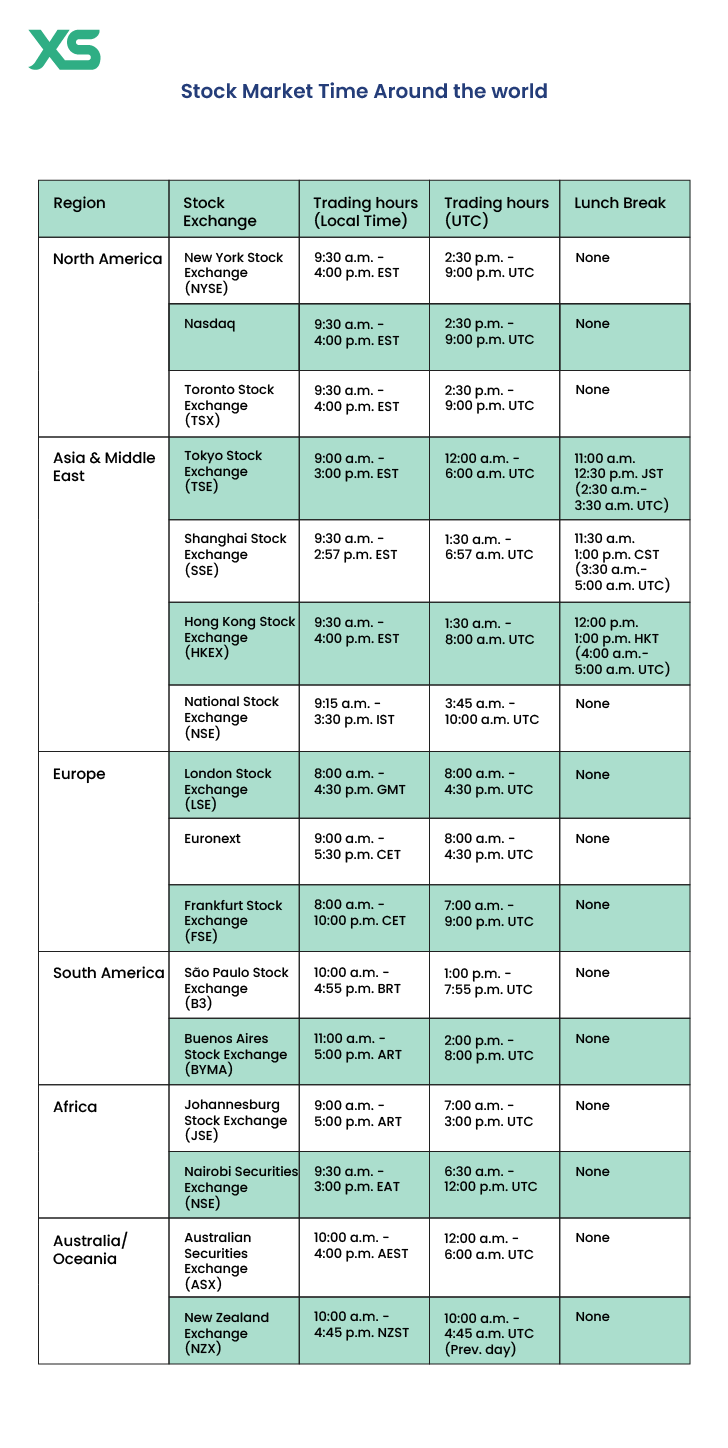
The core of U.S. stock market activity revolves around the trading hours of the New York Stock Exchange (NYSE) and NASDAQ. These exchanges dictate the standard operating window for the vast majority of publicly traded equities. However, for those in the Pacific time zone, a simple conversion is necessary to align with this schedule.
The Core Trading Session: NYSE and NASDAQ
The primary trading session for the NYSE and NASDAQ runs from 9:30 AM to 4:00 PM Eastern Time (ET) on weekdays. This seven-and-a-half-hour window is when market activity is at its peak, characterized by high liquidity, tight bid-ask spreads, and the most robust price discovery. During these hours, individual investors, institutional traders, and automated algorithms are actively buying and selling, reacting to news, economic data, and company announcements. The open and close of this session are often marked by increased volatility, as pending orders are executed and positions are adjusted. It’s the period when market participants have the greatest confidence in executing trades at fair and competitive prices due to the sheer volume of participation.
Converting Eastern Time to Pacific Standard Time
The key to navigating market hours from the West Coast is understanding the time difference. Pacific Standard Time (PST) is three hours behind Eastern Time (ET). Therefore, when the market opens at 9:30 AM ET, it’s 6:30 AM PST. Similarly, when the market closes at 4:00 PM ET, it’s 1:00 PM PST.
This conversion means that the effective trading window for West Coast investors is from 6:30 AM PST to 1:00 PM PST. While this might seem like a straightforward adjustment, it presents unique challenges and opportunities. For instance, major economic reports or company earnings announcements released just before or during the ET market open might require PST investors to be awake and ready to react very early in their local morning. The market’s close at 1:00 PM PST also means that the typical afternoon trading activity for ET participants is already over, leaving PST investors with a relatively shorter day for active engagement.
Why Time Zones Matter for Your Trading Strategy
The three-hour time difference significantly impacts a PST investor’s daily routine and trading strategy. For active traders, being present during the market open (6:30 AM PST) is crucial, as this period often sets the tone for the day and can present significant volatility and trading opportunities. Furthermore, real-time news and data feeds, which are often time-stamped in ET, must be interpreted quickly in the context of PST.
PST investors also experience a truncated period of market “afternoon” activity. While ET traders can review their portfolios and plan for the next day during their late afternoon, PST investors face the market close at 1:00 PM, meaning they have a longer “after-market” period to contend with before the next trading day begins. This can influence decision-making, particularly for those who prefer to make end-of-day adjustments or react to late-breaking news before the bell. Understanding these temporal shifts is not merely an inconvenience but a fundamental aspect of developing an effective and disciplined financial strategy from the West Coast.
Beyond the Bell: Pre-Market and After-Hours Trading
The stock market’s influence extends beyond the core 6:30 AM to 1:00 PM PST window through pre-market and after-hours trading sessions. These extended hours offer opportunities but also come with increased risks that PST investors must be acutely aware of.
What is Pre-Market Trading?
Pre-market trading refers to the period before the standard market open. While specific hours can vary by brokerage, it generally begins as early as 4:00 AM ET (1:00 AM PST) and extends until the market opens at 9:30 AM ET (6:30 AM PST). This session allows investors to react to overnight news, global market movements, and early company announcements before the official trading day begins. Companies often release earnings reports or significant news before the market opens, and pre-market trading facilitates an immediate response to such information.
For PST investors, this means that while the core market starts at 6:30 AM PST, opportunities (and risks) related to pre-market activity begin as early as 1:00 AM PST. This demands a commitment to monitoring financial news throughout the night or utilizing advanced alert systems to capitalize on early movements. Liquidity during pre-market hours is typically lower than in the standard session, leading to wider bid-ask spreads and potentially greater price volatility. This environment can be advantageous for experienced traders seeking to capitalize on early trends but can also lead to significant losses if not approached with caution and a deep understanding of market dynamics.
What is After-Hours Trading?
After-hours trading occurs after the standard market close. It generally runs from 4:00 PM ET (1:00 PM PST) to as late as 8:00 PM ET (5:00 PM PST). Similar to pre-market, after-hours sessions allow investors to react to news released after the market closes, such as quarterly earnings, analyst upgrades/downgrades, or late-breaking macroeconomic data. These sessions provide a continuous flow of trading activity that might influence the next day’s open.
For PST investors, the after-hours session spans from 1:00 PM PST to 5:00 PM PST, immediately following their market close. This means that a significant portion of post-market news and price action occurs during what would be a standard afternoon for West Coast residents. Monitoring these hours is crucial for understanding how sentiment might be shifting and how the market might react the following morning. As with pre-market, after-hours trading is characterized by lower liquidity and higher volatility compared to the regular session. This can make executing large orders challenging and can result in prices that do not accurately reflect the stock’s true value, only to correct themselves during the next day’s standard hours.
Strategic Considerations for Extended Hours in PST
Engaging in extended-hours trading from the PST zone requires specific strategic considerations. The early start for pre-market (1:00 AM PST) and the continuation of after-hours until 5:00 PM PST effectively mean that the stock market has a presence for a full 16 hours of the day (from 1 AM to 5 PM PST).
- Increased Volatility and Reduced Liquidity: Both extended sessions are prone to sharper price swings due to fewer participants and lower trading volumes. PST investors must be prepared for these magnified movements and understand that executing trades might result in less favorable prices than during the core session.
- Information Flow: A substantial amount of market-moving news breaks outside of standard hours. PST investors need robust news feeds and alerts to stay abreast of developments that could impact their holdings.
- Order Types: Utilizing limit orders is often recommended during extended hours to control the price at which a trade is executed, mitigating the risk of unfavorable market orders due to wide spreads.
- Focus and Discipline: For PST investors, this continuous market exposure requires discipline. It’s easy to feel compelled to react to every price fluctuation. A clear strategy, whether focusing on specific news catalysts or pre-defined entry/exit points, is essential. For long-term investors, the day-to-day noise of extended hours might be less relevant than for active traders.
Market Closures: Weekends, Holidays, and Special Circumstances
Beyond the daily trading schedule, there are periods when the stock market is entirely closed. Understanding these closures is vital for all investors, including those in PST, to avoid missed opportunities or unexpected delays in trade execution.
Standard Weekend Closures
The U.S. stock market adheres to a traditional Monday-to-Friday trading week. This means that both the NYSE and NASDAQ are closed on Saturdays and Sundays. No trading activity occurs during these two days, providing a pause for investors and allowing time for reflection and planning without the pressure of live market movements. For PST investors, this translates to a period from 1:00 PM PST on Friday until 6:30 AM PST on Monday morning when the market is completely inactive. This weekend break offers a crucial opportunity to research, analyze, and re-evaluate investment strategies without the immediate volatility of an open market.
Major U.S. Stock Market Holidays
In addition to weekends, the U.S. stock market observes several federal holidays throughout the year, during which all trading activity ceases. These holidays generally include:

- New Year’s Day (January 1)
- Martin Luther King, Jr. Day (Third Monday in January)
- Presidents’ Day (Third Monday in February)
- Good Friday (Varies, usually March or April)
- Memorial Day (Last Monday in May)
- Juneteenth National Independence Day (June 19)
- Independence Day (July 4)
- Labor Day (First Monday in September)
- Thanksgiving Day (Fourth Thursday in November)
- Christmas Day (December 25)
It’s important to note that if a holiday falls on a weekend, the market may observe it on the preceding Friday or the following Monday. For instance, if Christmas Day falls on a Saturday, the market might be closed on Friday, December 24th. Some holidays, like Thanksgiving, also include an early market close on the preceding day (e.g., Thanksgiving Eve), where the market might close at 1:00 PM ET (10:00 AM PST). Keeping an up-to-date calendar of these closures is essential for all investors, especially those planning time-sensitive trades or expecting dividends and corporate actions.
Early Closures and Unscheduled Halts
While less common, the market can also experience early closures or unscheduled trading halts. Early closures, sometimes referred to as half-days, typically occur on specific dates surrounding holidays, such as the day after Thanksgiving or Christmas Eve. On these days, the market might close at 1:00 PM ET (10:00 AM PST), significantly shortening the trading window for West Coast investors.
Unscheduled trading halts are more sporadic and can occur for various reasons. These include:
- Circuit Breakers: System-wide halts triggered by extreme market volatility, designed to give investors time to digest information and prevent panic selling.
- Stock-Specific Halts: Individual stocks may be halted due to pending news, regulatory concerns, or order imbalances. These halts can last for minutes or even days.
- Technical Issues: Rare but possible, system outages or technical glitches can temporarily halt trading.
For PST investors, being aware of these possibilities and having mechanisms to receive real-time alerts from their brokers or financial news services is critical. An unexpected halt or early close can impact trade execution, portfolio liquidity, and overall strategy, necessitating adaptability and readiness to react.
The Impact of Trading Hours on PST Investors
The three-hour time difference significantly shapes the experience of investors operating from the Pacific time zone. It presents both unique advantages and disadvantages that influence daily routines and investment strategies.
Advantages and Disadvantages of Trading from the West Coast
Advantages:
- Pre-Market News Digestion: With the market opening at 6:30 AM PST, West Coast investors have the benefit of an extra three hours (from 4:00 AM ET to 7:00 AM ET) to digest overnight news, global market movements, and early company announcements before their market officially opens. This allows for a more informed entry into the trading day compared to their East Coast counterparts who might be reacting in real-time.
- Mid-Day Clarity: By the time the market hits its mid-day stride (around 9:30 AM PST), much of the initial volatility and knee-jerk reactions from the open have subsided. This can provide a clearer picture for making more measured trading decisions.
- Late-Day Global Market Observation: As the U.S. market closes at 1:00 PM PST, European markets are already well into their afternoon sessions, and Asian markets are preparing to open. This allows PST investors to monitor these global cues before their next trading day begins, offering insights into potential overnight trends.
Disadvantages:
- Early Start Requirement: For active traders, being present for the 6:30 AM PST market open (or even earlier for pre-market activity starting at 1:00 AM PST) necessitates an exceptionally early start. This can be challenging for maintaining consistent focus and energy throughout the market day.
- Shorter “Active” Trading Window: The 6:30 AM to 1:00 PM PST window means that the most liquid and active part of the market closes by early afternoon. This leaves a shorter period for real-time interaction, order execution, and reacting to breaking news that might occur later in the ET day.
- Post-Market Information Lag: Major news, such as earnings reports, often comes out after the 4:00 PM ET close (1:00 PM PST). While after-hours trading exists until 5:00 PM PST, the bulk of the market reaction and analysis for West Coast investors will occur during their local afternoon and evening, forcing them to wait until the next day to act decisively within the standard session.
- Social & Lifestyle Impact: The early market close can feel isolating, with financial conversations and events often geared towards Eastern Time zones. It might also conflict with traditional work schedules for those who are not full-time traders.
Tools and Strategies for Effective PST Investing
To overcome the challenges and maximize the advantages, PST investors can employ several strategies and utilize specific tools:
- Advanced News & Alert Services: Subscribe to real-time news feeds that provide instant alerts for company announcements, economic data, and major market events, regardless of the time zone.
- Automated Trading Systems: For those with defined strategies, automated trading platforms can execute trades based on pre-set parameters, allowing participation in early market hours without requiring constant manual oversight.
- Limit Orders: Always use limit orders, especially for pre-market and after-hours trading, to ensure trades are executed at desired prices, protecting against wide bid-ask spreads.
- Focus on Longer-Term Investing: For investors with a long-term horizon, the hourly fluctuations and the precise timing of market opens and closes become less critical. Focusing on fundamental analysis and strategic asset allocation can mitigate the need for constant real-time monitoring.
- Time Management & Discipline: Establish a strict routine. Decide whether to participate in pre-market, how to use the core session, and how to analyze post-market activity without succumbing to burnout or reactive trading.
- Utilize Brokerage Features: Many online brokers offer advanced charting tools, watchlists with price alerts, and extended-hours trading capabilities that are essential for PST investors.
Global Market Perspective (Briefly)
While the focus is on U.S. equities, it’s worth noting that the global financial markets effectively operate 24 hours a day, five days a week, when considering different time zones. Forex and cryptocurrency markets, for instance, are truly 24/7. Even for equities, when the U.S. market closes, Asian markets are opening, followed by European markets. For PST investors, this means the continuous flow of global economic news and market sentiment is always active, influencing the U.S. market’s next open. While direct trading in these global equity markets might be less common for the average investor, understanding their movements can provide valuable context for managing a U.S.-centric portfolio.
Optimizing Your Investment Approach with Market Hours in Mind
Successfully navigating the stock market from the Pacific time zone requires more than just knowing the hours; it demands a tailored and disciplined investment approach that leverages the unique temporal advantages and mitigates the inherent challenges.
Developing a Trading Routine for PST
A well-structured daily routine is paramount for PST investors, particularly for those engaged in active trading.
- Morning Preparation (Pre-6:30 AM PST): This is where PST investors have a distinct advantage. Wake up early enough to thoroughly review overnight news from Asia and Europe, analyze pre-market trading activity, digest any U.S. economic data or earnings reports released before the open (often 7:00-8:30 AM ET / 4:00-5:30 AM PST), and finalize your trading plan for the day. Identify key stocks, set alerts, and understand potential market movers.
- Mid-Day Execution (6:30 AM – 1:00 PM PST): This is your core trading window. Execute trades according to your plan, monitor positions, and react to intra-day news and price action. Be aware that the early hours (6:30-7:30 AM PST) often see higher volatility, while the late morning/early afternoon (10:00 AM – 1:00 PM PST) might offer more stable trends or consolidations. The market close at 1:00 PM PST requires prompt decision-making if you intend to close out positions before the bell.
- End-of-Day Review (Post-1:00 PM PST): Once the market closes, use your afternoon to review your trades, analyze market performance, and begin researching for the next day. This is also when many companies release after-hours earnings reports (often 4:00-5:00 PM ET / 1:00-2:00 PM PST), and you can track their impact in after-hours trading to anticipate the next day’s open. For long-term investors, this post-market period is ideal for portfolio rebalancing and deeper fundamental research without market pressure.
Risk Management and Market Volatility
Market opens and closes are typically the most volatile periods, and PST investors experience this at their own early morning and early afternoon.
- Open Volatility: The 6:30 AM PST open can be frenetic. Prices can gap up or down dramatically based on overnight news. Employing strategies like waiting for the first 15-30 minutes to settle before making significant moves, or using tight stop-loss orders, is crucial to manage risk during this period.
- Close Volatility: Similarly, the 1:00 PM PST close can see last-minute position adjustments, often leading to increased volatility. Be mindful of this if you are entering or exiting trades just before the bell.
- Extended Hours Risks: As discussed, lower liquidity in pre- and after-hours trading means wider spreads and greater susceptibility to price manipulation or drastic moves on limited volume. PST investors must be extra cautious, using limit orders and avoiding large positions during these times unless they have a very high conviction and clear understanding of the risks.
- Diversification and Position Sizing: Regardless of time zone, effective risk management includes diversification across different assets and sectors, and appropriate position sizing to ensure no single trade can disproportionately impact your portfolio.

Leveraging Financial News and Data Feeds
For PST investors, timely access to and interpretation of financial news is non-negotiable. With market-moving information breaking across different time zones, real-time data feeds are an essential tool.
- Real-time News Services: Invest in professional-grade news services that provide instant alerts and comprehensive coverage of economic reports, company earnings, analyst ratings, and geopolitical events. Configure these services to highlight information relevant to your portfolio and strategy.
- Earnings Calendars: Keep a detailed calendar of earnings announcements, noting when companies you follow are reporting, and whether it’s pre-market (before 9:30 AM ET) or after-hours (after 4:00 PM ET). Understand how these translate to your PST schedule.
- Economic Calendars: Track the release times of key economic data (e.g., CPI, jobless claims, FOMC meetings) and understand their potential impact. While these are often released at 8:30 AM ET (5:30 AM PST), it still requires an early morning review to prepare for the market open.
- Social Media and Professional Forums: While caution is advised against acting solely on these, platforms like Twitter (X) and Reddit can sometimes be early sources of breaking news or trending topics. However, always verify information from reputable sources.
By integrating these strategies into their routine, PST investors can effectively manage the temporal challenges and opportunities of the U.S. stock market, ensuring they remain informed, disciplined, and proactive in their financial endeavors. Understanding “when does the stock market close PST” isn’t just about a time stamp; it’s about mastering the rhythm of the market to achieve financial success from the West Coast.
aViewFromTheCave is a participant in the Amazon Services LLC Associates Program, an affiliate advertising program designed to provide a means for sites to earn advertising fees by advertising and linking to Amazon.com. Amazon, the Amazon logo, AmazonSupply, and the AmazonSupply logo are trademarks of Amazon.com, Inc. or its affiliates. As an Amazon Associate we earn affiliate commissions from qualifying purchases.