
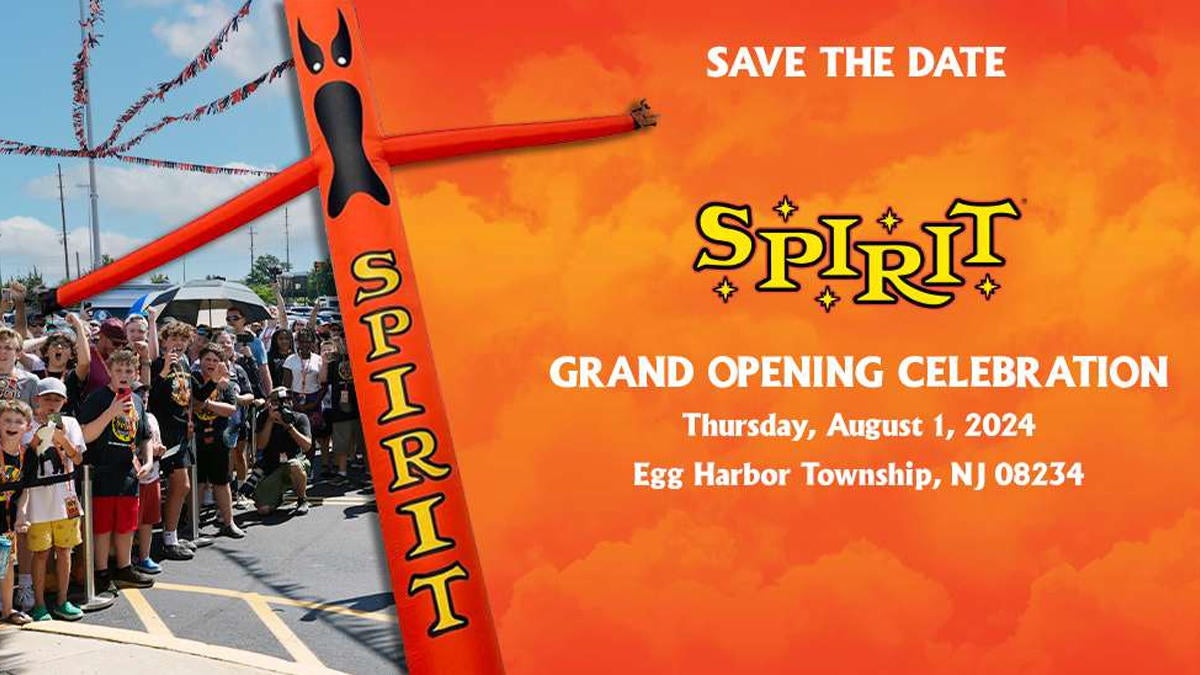
The annual question, “When does Spirit Halloween open 2024?” has evolved from a simple consumer inquiry into a significant cultural and commercial marker. For the uninitiated, it marks the start of the spooky season; for brand strategists, it represents a masterclass in seasonal retail dominance, agile branding, and the psychological power of scarcity. In 2024, Spirit Halloween officially began its rollout in early August, with its flagship store in Egg Harbor Township, New Jersey, opening its doors on August 1st.
However, the “when” is far less interesting than the “how” and “why.” Spirit Halloween does not just open stores; it activates a dormant, world-class brand identity that command’s the retail landscape for exactly three months before vanishing. This article explores the brand strategy, corporate identity, and marketing genius behind the 2024 Spirit Halloween season.
1. The Architecture of a Seasonal Powerhouse: Timing as Brand Strategy
The timing of Spirit Halloween’s opening is not arbitrary. It is a calculated move designed to capture the “Summerween” trend—a growing consumer movement where Halloween enthusiasts begin their celebrations while summer is still in full swing. By opening in early August, the brand positions itself as the pioneer of the season, effectively dictating the start of the holiday calendar.
The “First-to-Market” Psychological Advantage
In branding, being first is often more important than being the best. By opening 2024 locations in August, Spirit Halloween preempts big-box retailers like Target or Walmart, which may only have a single aisle dedicated to the holiday at that time. Spirit’s brand identity is built on being the “authority” on Halloween. Opening early reinforces this authority, signaling to the “super-fan” demographic that Spirit is the only brand that takes their passion seriously year-round.
Capitalizing on the “Summerween” Phenomenon
Social media trends have shifted the retail clock. The 2024 brand strategy heavily leaned into the “Summerween” aesthetic—blending the warmth of August with the gothic tones of October. This allows Spirit Halloween to extend its revenue window. From a brand perspective, this transition period is vital; it transforms the store from a mere costume shop into a destination experience that bridges the gap between seasons.
2. The “Zombies of Retail”: Real Estate as a Brand Asset
One of the most fascinatng aspects of the Spirit Halloween brand is its relationship with physical space. The brand has famously turned a perceived weakness—the decline of the American mall—into its greatest marketing strength. The “Spirit Halloween in a dead Sears” meme is not just internet humor; it is a core component of their corporate identity.
The Pop-Up Identity and Real Estate Agility
Spirit Halloween’s brand is synonymous with the “pop-up” model. In 2024, the company aimed to open a record-breaking 1,500 stores across North America. The brand strategy here is one of high visibility and low overhead. By occupying vacant storefronts, the brand positions itself as a revitalizing force in local economies. This “temporary” nature creates a “buy it now or lose it forever” urgency that permanent retailers struggle to replicate.
Visual Branding through Physical Transformation
The speed at which a vacant, dusty storefront is converted into a neon-orange and purple Spirit Halloween is a feat of brand logistics. The brand uses a standardized “kit of parts” that ensures a consistent customer experience whether you are in a converted grocery store in Ohio or a former department store in New York. This consistency is key to their corporate identity; the moment a consumer sees that iconic banner, they know exactly what to expect: animatronics, fog machines, and an endless sea of polyester.
3. Digital Symbiosis: From Meme Culture to Brand Loyalty
In 2024, Spirit Halloween has mastered the art of “leaning into the joke.” The brand’s identity is unique because it is partially shaped by its own customers and the internet at large. Instead of fighting the memes about their predatory real estate habits, they have integrated this persona into their digital marketing strategy.

The Meme-ification of Branding
Spirit Halloween’s social media presence is a case study in modern brand engagement. They understand that their brand is a seasonal guest in the lives of their customers. By participating in meme culture—such as the “Spirit Halloween Costume” template where users create fake costume bags for niche internet subcultures—the brand stays relevant during the “off-season.” In 2024, this digital strategy ensured that when the August opening dates were announced, the news went viral organically.
Omni-channel Strategy: Bridging the Physical and Digital
While the physical stores are the star of the show, the 2024 digital strategy focused on creating a seamless bridge. The “When does Spirit Halloween open?” landing pages on their website are optimized for local SEO, ensuring that the brand captures high-intent search traffic the moment the first leaf turns brown. Furthermore, their use of “sneak peeks” for animatronics on YouTube and TikTok creates a community of collectors who view the brand as a hobbyist hub rather than just a retail store.
4. Cultivating the “Spirit” Ecosystem: Beyond Costumes
A brand survives by diversifying its value proposition. Spirit Halloween is no longer just a place to buy a $40 superhero outfit; it has evolved into a lifestyle brand for the macabre. This evolution is central to their 2024 corporate strategy, focusing on high-margin exclusives and community engagement.
The Rise of the Animatronic Collector
Spirit Halloween has successfully branded itself as the premier destination for home haunters. Their line of proprietary animatronics has its own dedicated following. By creating “lore” and backstories for these characters (like “Shorty” the clown or “The Harvester”), Spirit has moved from being a commodity seller to a content creator. In 2024, the reveal of the “Carver’s Crew” collection was treated with the same level of hype as a new tech product launch, demonstrating deep brand stickiness.
Purpose-Driven Branding: Spirit of Children
A significant part of the corporate identity that often goes overlooked is the “Spirit of Children” foundation. This initiative, which raises money for Child Life departments in hospitals, provides the brand with a layer of social responsibility. In 2024, this program was front-and-center in their marketing materials. It softens the “scary” image of the brand and creates a positive brand association, proving that even a brand built on monsters can have a massive heart.
5. The Future of the Seasonal Model: Sustainability and Growth
As we look toward the 2024 season and beyond, the question of whether the Spirit Halloween model is sustainable arises. With the rise of e-commerce giants like Amazon, how does a physical-first seasonal brand continue to grow? The answer lies in the “experience economy.”
The Store as a Destination
Spirit Halloween has realized that people don’t go to their stores just to buy products; they go to “feel” Halloween. The 2024 store layouts are designed as walk-through attractions. This “retail-tainment” strategy ensures that the brand remains immune to the Amazon effect. You can buy a costume online, but you cannot replicate the experience of walking through a fog-filled aisle while a 7-foot werewolf lunges at you. This experiential branding is the moat that protects Spirit Halloween from digital disruption.
Strategic Resilience and Brand Longevity
The longevity of the Spirit Halloween brand is a testament to its ability to adapt. Whether it’s navigating supply chain issues or the changing landscape of commercial real estate, the brand remains agile. Its “open-and-shut” model is a financial and operational marvel that many other industries are beginning to mimic. By focusing on a specific niche and dominating it with surgical precision, Spirit Halloween has turned a 90-day window into a year-round cultural powerhouse.
Conclusion
The 2024 opening of Spirit Halloween is more than just a retail event; it is the activation of a sophisticated brand machine. Through strategic timing, clever real estate utilization, meme-literate marketing, and an emphasis on experiential retail, Spirit Halloween has secured its place as the definitive brand of the season.
As the orange banners continue to unfurl across North America this August, the brand serves as a reminder to marketers everywhere: success isn’t just about what you sell, but how you define the space and time in which you sell it. Spirit Halloween doesn’t just wait for the holiday; it is the holiday. For any brand looking to build a loyal, cult-like following, the “Spirit” model offers a masterclass in how to disappear for nine months and still remain the most talked-about name in the room the moment you return.
aViewFromTheCave is a participant in the Amazon Services LLC Associates Program, an affiliate advertising program designed to provide a means for sites to earn advertising fees by advertising and linking to Amazon.com. Amazon, the Amazon logo, AmazonSupply, and the AmazonSupply logo are trademarks of Amazon.com, Inc. or its affiliates. As an Amazon Associate we earn affiliate commissions from qualifying purchases.