
For many, the sight of a Spirit Halloween store materializing in an abandoned big-box retail space signals the true arrival of autumn and the much-anticipated Halloween season. This ephemeral retailer has cemented its place in popular culture, not just as a destination for costumes and decorations, but as a brand phenomenon. The question of “when does Spirit Halloween close for the season?” is more than a simple query about store hours; it’s a gateway into understanding a masterful brand strategy built on urgency, nostalgia, and a unique seasonal presence that has defied conventional retail wisdom.
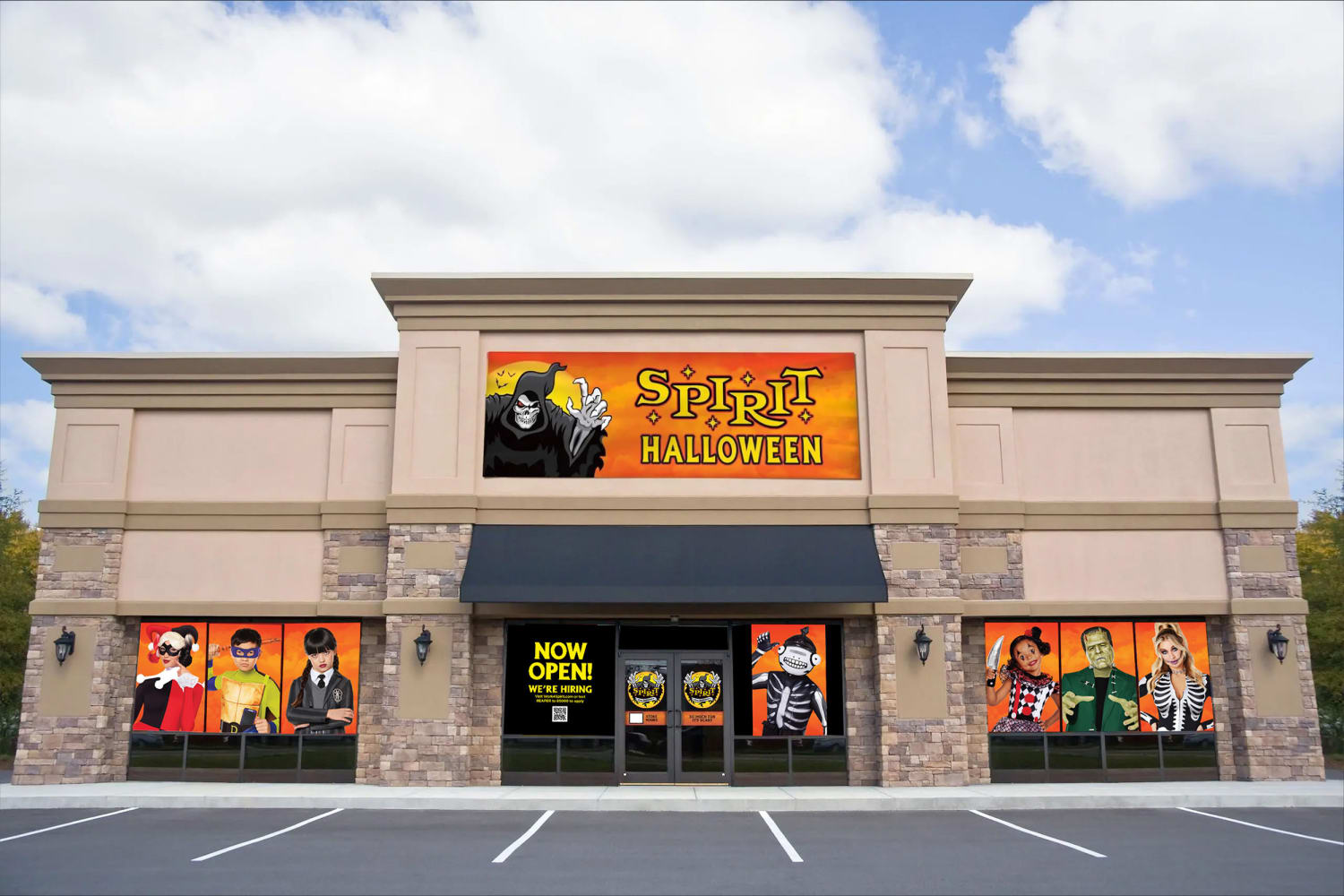
Spirit Halloween stores typically begin to close their doors immediately following Halloween night, with most locations fully shut down by the first week of November. Some stragglers might remain open for a few extra days to clear out remaining inventory with deep discounts, but the vast majority transition from bustling hubs of spooky delight to vacant storefronts almost overnight. This rapid disappearance is not a failure but a meticulously orchestrated act crucial to the brand’s identity and enduring appeal. In an age of perennial online availability and year-round retail, Spirit Halloween’s deliberate seasonality is its superpower, a strategic choice that continually rejuvenates its brand image and ensures its relevance.
The Ephemeral Brand Strategy: A Seasonal Phenomenon
Spirit Halloween’s entire brand architecture is built upon its temporary nature. Unlike year-round retailers that strive for constant presence, Spirit Halloween thrives on its absence. This intentional seasonality is a strategic brand choice that cultivates anticipation, enhances the shopping experience, and solidifies its unique position in the retail landscape.
Crafting Scarcity and Urgency
The limited window of operation for Spirit Halloween is a textbook example of leveraging scarcity as a brand driver. By being present for only a short period each year, the brand inherently creates a sense of urgency for consumers. Shoppers know that if they don’t visit the store within its operating months—typically late August through October—they will miss out on the experience and the specific merchandise available that year. This ‘now or never’ mentality encourages quicker purchasing decisions and fosters a more dedicated shopping trip. It transforms a routine retail visit into a special event, an annual pilgrimage for Halloween enthusiasts. This strategic scarcity is a powerful tool in brand marketing, driving both foot traffic and sales volume during its brief operational lifespan. The brand doesn’t merely sell products; it sells the moment, the fleeting opportunity to immerse oneself in the spirit of Halloween before it vanishes.
The Pop-Up Model as Brand Identity
Spirit Halloween didn’t invent the pop-up concept, but it has certainly perfected it on a grand scale, integrating it so deeply that the pop-up model is its brand identity. The brand’s ability to appear suddenly, transform vacant spaces, and then vanish without a trace imbues it with a mysterious, almost magical quality. Each new location, often in a previously abandoned retail space, becomes a talking point, fueling local buzz and excitement. This agile real estate strategy allows the brand to minimize overhead during the off-season while maximizing visibility in high-traffic areas during its peak. More importantly, it reinforces the brand’s unique character – a transient, exciting, and exclusive experience that exists only for a moment. This model contributes to a strong, recognizable corporate identity that stands apart from the conventional brick-and-mortar retailers that struggle for constant relevance.
Cultivating Anticipation and Hype
The seasonal closing and subsequent disappearance of Spirit Halloween are just as critical to its brand cycle as its opening. The brand effectively resets consumer expectations each year, fostering a powerful sense of anticipation. As early as July, the internet buzzes with speculation about potential new store locations, costume trends, and the official opening dates. This organic generation of hype is invaluable for any brand. Spirit Halloween doesn’t just wait for the season; it helps create it, becoming an unofficial harbinger of autumn. The lack of year-round presence prevents brand fatigue, ensuring that when Spirit Halloween does return, it’s met with enthusiasm and a fresh wave of excitement. This cycle of presence and absence is a masterclass in maintaining brand freshness and desirability.
Beyond the Calendar: Spirit Halloween’s Unique Brand Journey
Spirit Halloween has transcended its origins as a seasonal retailer to become a cultural touchstone. Its brand journey is a testament to the power of niche focus, nostalgia, and community engagement.
From Niche Retailer to Pop Culture Icon
What began as a specialized costume shop has evolved into a full-fledged cultural phenomenon, deeply embedded in the collective consciousness of Halloween enthusiasts. Spirit Halloween’s brand recognition is now so pervasive that its very existence has become a meme, a subject of affectionate parody, and an indicator of the changing seasons. This level of organic integration into popular culture is something many brands spend millions trying to achieve. It demonstrates how a consistent, focused brand identity, even one tied to a specific holiday, can elevate a company from mere merchant to cultural icon. The brand offers more than products; it offers an experience and a symbol that resonates deeply with its target audience.
The Power of Nostalgia and Tradition
For many, a trip to Spirit Halloween is an annual tradition, evoking a sense of nostalgia for childhood Halloweens and the joy of imaginative play. The brand taps into this powerful emotional connection, framing itself not just as a store, but as a keeper of the Halloween spirit. This emotional branding fosters strong customer loyalty, turning first-time visitors into repeat customers who return year after year. The predictability of its seasonal return, despite its temporary nature, paradoxically creates a sense of reliability and tradition. It’s a comforting ritual, and the brand benefits immensely from being at the center of this cherished annual custom. This deep emotional resonance is a hallmark of successful branding, creating connections that extend far beyond transactional purchases.
Engaging the Community: Beyond Just Sales
Spirit Halloween’s brand extends beyond its retail footprint through various community initiatives, most notably its “Spirit of Children” program. This charitable endeavor, which raises funds for children’s hospitals across the United States and Canada, aligns the brand with a noble cause. By providing fun and support to children facing health challenges, Spirit Halloween builds a positive brand image and demonstrates corporate social responsibility. This initiative enriches its corporate identity, showing that the brand is not solely focused on profit but also on contributing positively to the communities it serves. Such programs enhance brand reputation, foster goodwill, and create an emotional bond with consumers who appreciate a brand that gives back.
The Operational Clockwork: How Closing Defines the Brand Experience
The precise timing and execution of Spirit Halloween’s closing procedures are not merely logistical necessities but critical components of its overall brand strategy, influencing customer perception and operational efficiency.
Maximizing the Short Window: In-Store Experience
During its operational window, Spirit Halloween is designed to be an immersive experience. From the moment customers step inside, they are enveloped in a theatrical, slightly chaotic atmosphere that mirrors the festive, spooky essence of Halloween itself. The temporary nature of the store reinforces the idea that this is a unique, fleeting opportunity. Staff are often enthusiasts themselves, contributing to an authentic and engaging environment. The limited time frame necessitates a focus on high-impact merchandising and a robust inventory rotation to ensure there’s always something new and exciting. This intense, short-term focus allows the brand to pour all its energy into perfecting the customer journey for a concentrated period, rather than spreading resources thinly over 12 months.
Post-Season Brand Management and Customer Service
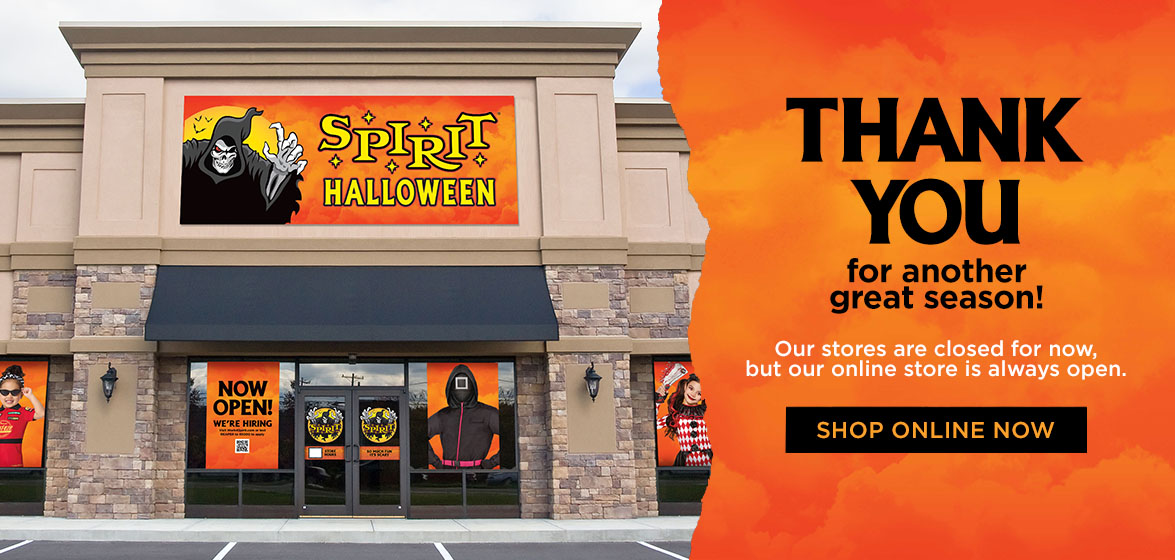
Even after the physical stores close, Spirit Halloween’s brand continues to operate. Its online presence remains active, offering customer service for post-purchase queries, returns (within policy), and a continued platform for enthusiasts to engage with the brand. This digital continuity is vital for maintaining brand credibility and demonstrating commitment to customer satisfaction even when physical doors are shut. Furthermore, the brand leverages the off-season to analyze sales data, customer feedback, and market trends, informing the strategic decisions for the next season’s product offerings and marketing campaigns. The physical closing is an operational shift, not a brand hibernation.
Leveraging the Off-Season for Future Brand Building
While the stores are closed, the brand is far from dormant. The off-season is a critical period for strategic planning, sourcing, and marketing development. It’s when new costume lines are designed, partnerships are forged, and marketing narratives for the following year begin to take shape. This time allows for a thoughtful, data-driven approach to brand evolution. Rather than being tied down by year-round operational costs, the brand can dedicate resources to innovation and preparation, ensuring that each subsequent season feels fresh, exciting, and responsive to consumer desires. This strategic downtime is crucial for reinforcing the brand’s image as a trendsetter and authority in Halloween culture.
The Legacy and Future of a Seasonal Brand Icon
Spirit Halloween’s unique business model and strong brand identity have allowed it to thrive where many traditional retailers have struggled. Its ability to adapt while maintaining its core essence will be key to its continued success.
Adapting to Changing Consumer Behaviors
As consumer behaviors shift towards online shopping and greater demand for experiential retail, Spirit Halloween is uniquely positioned. Its physical stores offer the immersive, tactile experience that online shopping cannot fully replicate, while its complementary e-commerce presence caters to convenience. The brand’s challenge and opportunity lie in continually innovating its in-store experience to make it an irresistible annual event, while also seamlessly integrating its digital channels. Adapting to generational shifts in Halloween trends, from classic horror to pop culture phenomena, is also paramount to maintaining its appeal across diverse demographics.
The Untapped Potential of Brand Extensions
The strength of the Spirit Halloween brand presents significant opportunities for brand extensions. While traditionally focused on retail, the brand could explore partnerships in entertainment (e.g., themed attractions, interactive experiences), digital content (e.g., virtual reality haunts, online games), or even licensed merchandise that extends beyond the immediate Halloween season. These extensions, if executed strategically, could further embed the brand into the lifestyle of its target audience, ensuring its resonance throughout the year without compromising its core seasonal retail identity. The brand’s cultural impact far outstrips its physical presence, hinting at a broader potential.

Why the Seasonal Model Endures
In a world saturated with information and constant commercial messaging, the Spirit Halloween brand stands out precisely because it isn’t always there. Its seasonal nature creates a distinct brand identity that is anticipated, celebrated, and deeply ingrained in the annual holiday cycle. The closing of its stores in early November is not an ending but a strategic pause, a deliberate act that resets the clock and reignites the anticipation for the next haunting season. It’s a powerful testament to a brand strategy that understands the value of absence, the allure of the fleeting, and the enduring power of a well-executed, time-sensitive experience. Spirit Halloween doesn’t just close for the season; it closes to ensure its return is always an event.
aViewFromTheCave is a participant in the Amazon Services LLC Associates Program, an affiliate advertising program designed to provide a means for sites to earn advertising fees by advertising and linking to Amazon.com. Amazon, the Amazon logo, AmazonSupply, and the AmazonSupply logo are trademarks of Amazon.com, Inc. or its affiliates. As an Amazon Associate we earn affiliate commissions from qualifying purchases.