
In the modern era of investing, few events on the financial calendar carry as much weight as NVIDIA’s quarterly earnings reports. Once a company primarily known to hardware enthusiasts and gamers, NVIDIA has transformed into the ultimate bellwether for the global economy, specifically the burgeoning artificial intelligence sector. For investors, “when does NVIDIA report earnings?” is not just a scheduling question—it is a strategic inquiry that signals a potential pivot point for the entire stock market. Understanding the timing, the fiscal structure, and the financial implications of these reports is essential for anyone looking to navigate the complexities of the current technology-driven market.
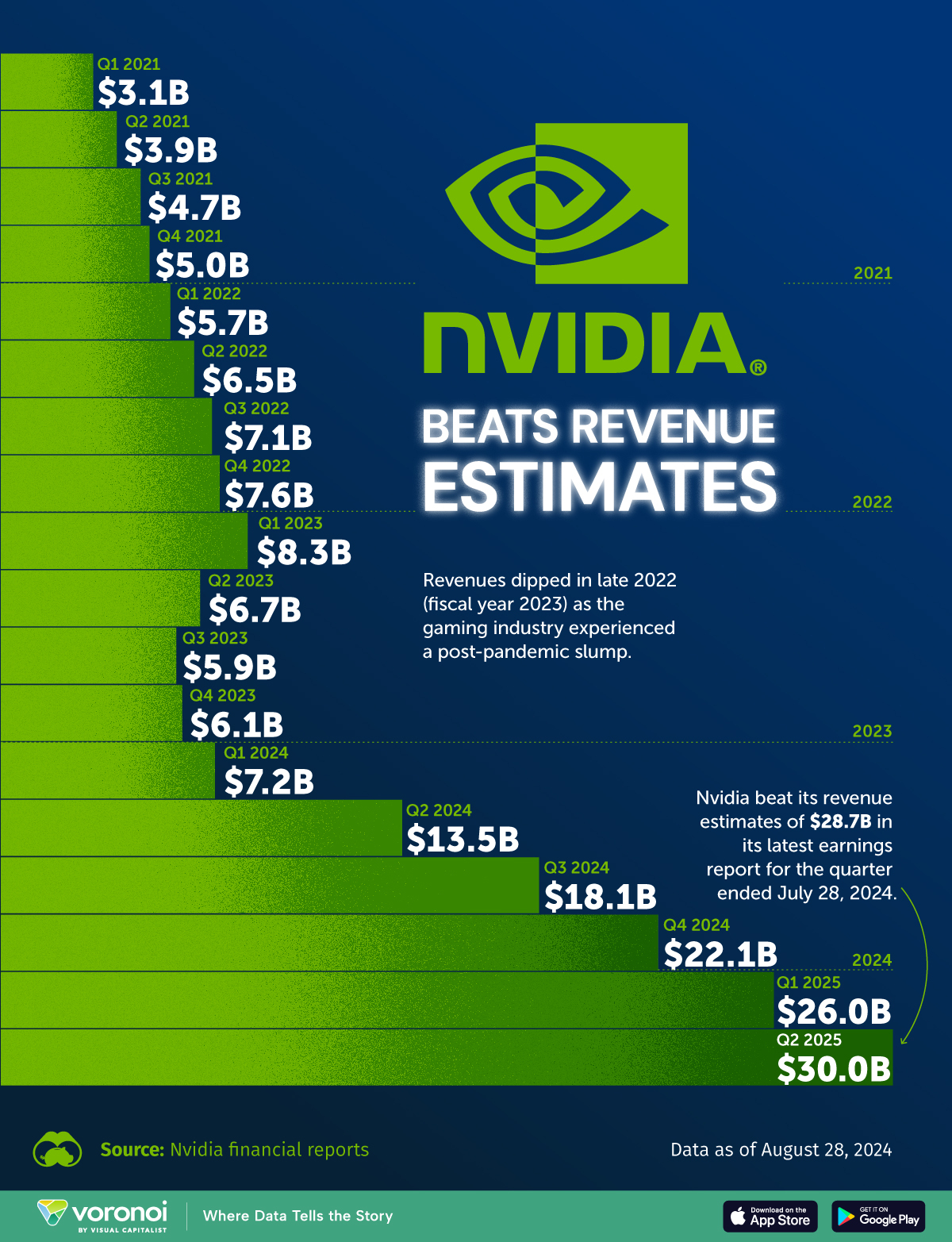
The Financial Calendar: Decoding NVIDIA’s Fiscal Cycle
To understand when NVIDIA reports its earnings, an investor must first understand that the company does not follow the standard Gregorian calendar for its financial reporting. Like many large corporations, NVIDIA operates on a fiscal year that differs from the calendar year, which can often lead to confusion for novice investors.
The Difference Between Fiscal and Calendar Years
NVIDIA’s fiscal year typically ends on the last Sunday of January. This means that while most of the world is ringing in a new calendar year in January, NVIDIA is closing out its fourth quarter (Q4). Consequently, their fiscal year 2025 actually covers the majority of the 2024 calendar year. This shift ripples through the rest of the reporting dates. When an investor looks for the “Q1” report, they are actually looking at results that are released in May, covering the period of February, March, and April.
The Standard Quarterly Cadence
NVIDIA generally reports its earnings four times a year, following a predictable pattern roughly every three months. Typically, the schedule falls as follows:
- First Quarter (Q1): Reported in late May.
- Second Quarter (Q2): Reported in late August.
- Third Quarter (Q3): Reported in late November.
- Fourth Quarter (Q4) and Full Year: Reported in late February.
These reports almost always occur on a Wednesday, after the market closes (around 4:20 PM Eastern Time). This timing allows the market to digest the raw data before the subsequent conference call, providing a window of intense after-hours trading activity.
Where to Find Official Confirmation
While the general months are predictable, the specific date is usually confirmed by NVIDIA’s Investor Relations department approximately two to three weeks before the event. Investors should rely on the official NVIDIA Investor Relations website or reputable financial news terminals. Relying on “estimated” dates from third-party apps can be risky, as the company may shift the date slightly to accommodate executive schedules or major product announcements.
Why NVIDIA is the Market’s Most Anticipated Financial Event
In recent years, NVIDIA has achieved a market capitalization that rivals the GDP of entire nations. Because of its massive weight in the S&P 500 and the Nasdaq-100, the “Money” impact of an NVIDIA earnings report extends far beyond its own ticker symbol (NVDA).
The Bellwether for the AI Revolution
NVIDIA is currently the primary provider of the infrastructure required for generative AI. When NVIDIA reports its earnings, investors aren’t just looking at the company’s profit; they are looking for a proxy for global AI spending. If NVIDIA beats expectations and raises guidance, it suggests that companies like Microsoft, Alphabet, and Meta are continuing to invest heavily in capital expenditures. Conversely, a miss or a cautious outlook can trigger a massive sell-off across the entire tech sector, as it may signal that the “AI bubble” is losing steam.
Impact on the S&P 500 and Nasdaq
Due to its size, NVIDIA has a disproportionate impact on index-tracking funds. On an earnings day, it is common to see the broader markets remain relatively flat or “choppy” as traders hesitate to take large positions before the news. Once the report drops, the resulting price action in NVDA can swing the entire Nasdaq-100 index by several percentage points. For the passive investor holding an S&P 500 ETF, NVIDIA’s earnings are arguably the most important individual company event of the quarter.
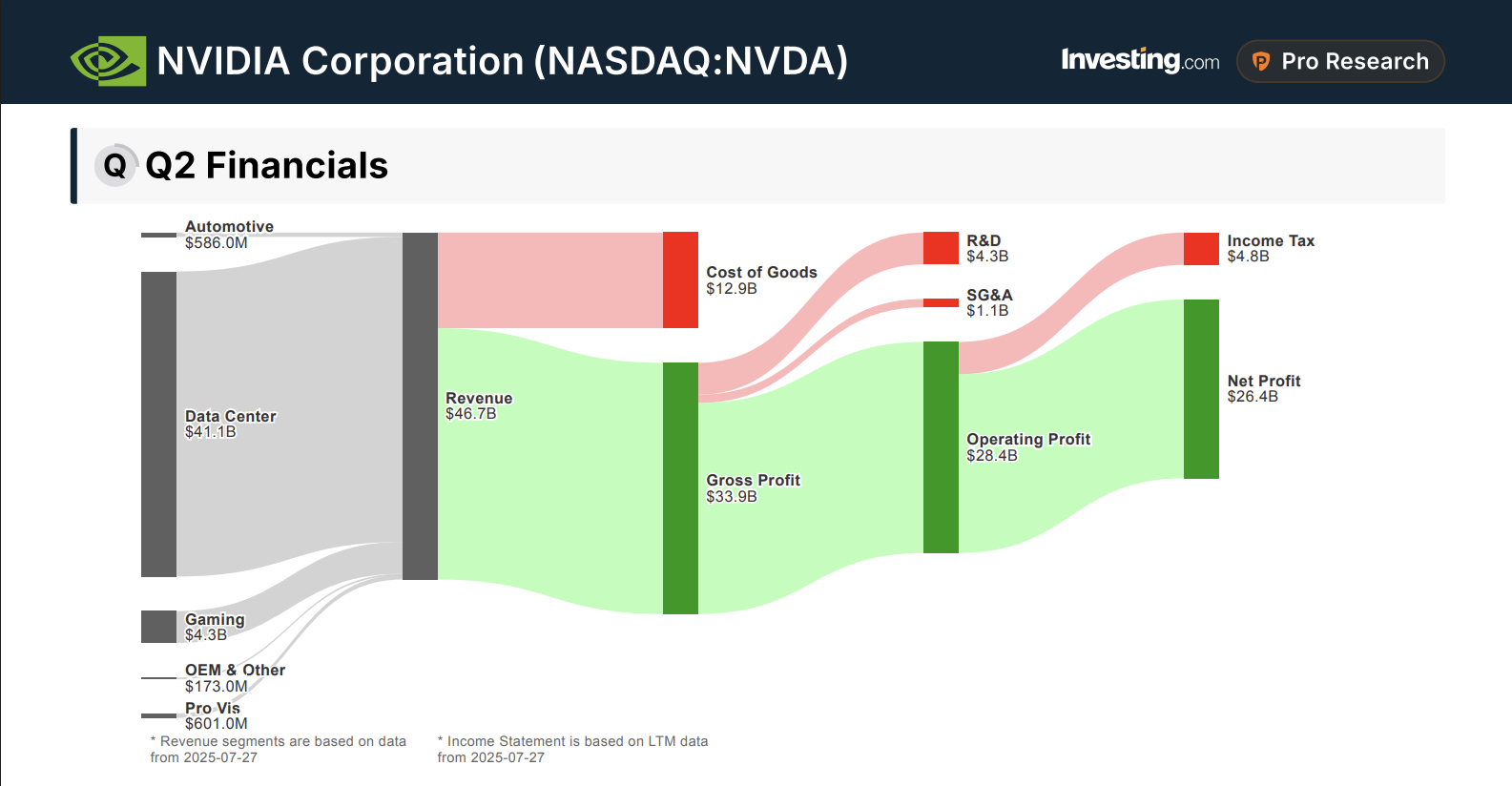
Analyzing Guidance vs. Past Performance
In the world of professional investing, the most important part of the earnings report isn’t what happened in the last three months (the backward-looking data), but what the company expects to happen in the next three (the forward-looking guidance). NVIDIA has gained a reputation for “beat and raise”—surpassing analyst estimates and subsequently raising their future forecasts. The “Money” story here is the sustainability of their margins. Investors scrutinize whether the company can maintain its high gross margins amidst increasing competition from other chipmakers.
Strategic Preparation: How Investors Should Approach Earnings Day
Navigating an earnings announcement requires more than just checking a stock price. Successful investors approach NVIDIA’s earnings day with a structured plan, focusing on specific financial metrics that dictate the stock’s long-term value.
Reading the Earnings Press Release
When the clock hits 4:20 PM ET, the first document released is the press release. Investors should look immediately at the “top line” (revenue) and the “bottom line” (earnings per share, or EPS). However, the real meat of the report is found in the segment revenue. For NVIDIA, the “Data Center” segment is the crown jewel. If revenue in the Data Center grows significantly, it often offsets stagnation in the Gaming or Professional Visualization segments.
The Importance of the Conference Call
Approximately one hour after the press release, NVIDIA’s CEO Jensen Huang and CFO Colette Kress host a conference call. This is where the most insightful “Money” information is often revealed. Analysts from major investment banks ask questions about supply chain constraints, lead times for new chips (like the Blackwell architecture), and software service revenue. The tone and clarity of the executives can often reverse the initial after-hours price action.
Monitoring Key Metrics: Data Center and Free Cash Flow
For those focused on business finance, Free Cash Flow (FCF) is the metric of choice. It represents the cash a company generates after accounting for cash outflows to support operations and maintain its capital assets. NVIDIA’s ability to generate massive FCF while simultaneously investing billions in R&D is what justifies its premium valuation. Investors should track whether FCF growth is keeping pace with revenue growth, as this indicates operational efficiency.
Risk Management and Market Volatility
Investing in NVIDIA around earnings involves significant risk. The volatility associated with these announcements can lead to substantial gains or devastating losses in a matter of seconds.
The “Whisper Number” and Market Expectations
In the financial world, there are official analyst estimates, and then there are “whisper numbers”—the unofficial expectations of the trading community. Often, NVIDIA will report results that beat official estimates, yet the stock price will fall. This usually happens because the “whisper number” was even higher, or because the market had already “priced in” a perfect report. This is a classic example of “buying the rumor and selling the news.”
Post-Market and Pre-Market Price Action
Earnings reports are released during “extended-hours trading.” This period is characterized by lower liquidity and higher volatility. Retail investors should be cautious about placing market orders during this time, as the spread between the bid and ask prices can be wide. A smart financial strategy often involves waiting for the “primary” market to open the following morning at 9:30 AM ET to see where the price stabilizes after institutional investors have had time to fully model the new data.

Long-term Investing vs. Short-term Speculation
Finally, an investor must decide their niche: are they trading the earnings event for a quick profit, or are they holding the stock as part of a long-term wealth-building strategy? For the long-term investor, a single earnings report—even a volatile one—is just one data point in a multi-year story. For the short-term trader, the “when” of the earnings report is a high-stakes gamble on volatility. Understanding your own financial goals and risk tolerance is the most important part of the NVIDIA earnings cycle.
In conclusion, knowing when NVIDIA reports earnings is the first step in a complex financial dance. By understanding the fiscal calendar, the broader market implications, and the specific metrics that drive value, investors can transform a period of high anxiety into a disciplined opportunity for financial growth. Whether you are looking at the report through the lens of a day trader or a retirement saver, the financial transparency provided on these days is the ultimate tool for informed decision-making in the age of AI.
aViewFromTheCave is a participant in the Amazon Services LLC Associates Program, an affiliate advertising program designed to provide a means for sites to earn advertising fees by advertising and linking to Amazon.com. Amazon, the Amazon logo, AmazonSupply, and the AmazonSupply logo are trademarks of Amazon.com, Inc. or its affiliates. As an Amazon Associate we earn affiliate commissions from qualifying purchases.