
For investors, analysts, and financial enthusiasts alike, the earnings announcement of a technology giant like NVIDIA is a pivotal event, capable of sending ripples across global markets. As a dominant force in artificial intelligence, high-performance computing, and gaming graphics, NVIDIA’s financial health and future outlook are keenly observed, offering significant insights not just into the company itself, but also into the broader tech sector and economic trends. Understanding when and how NVIDIA reveals its financial performance is not merely a matter of curiosity; it’s a fundamental aspect of informed investing and strategic market analysis.

This guide delves into the significance of NVIDIA’s earnings reports, how to track these critical dates, and what key financial indicators to scrutinize for a comprehensive understanding of the company’s trajectory and potential impact on your investment portfolio.
The Pivotal Role of Earnings Announcements in Investing
Earnings announcements are much more than routine corporate disclosures; they are quarterly report cards that offer a snapshot of a company’s financial health, operational efficiency, and future prospects. For a market leader like NVIDIA, these reports are particularly impactful due to the company’s scale and influence in critical, fast-evolving industries.
Why NVIDIA’s Earnings Matter So Much
NVIDIA stands at the forefront of several transformative technologies, including AI, data centers, professional visualization, and gaming. Its graphics processing units (GPUs) are the computational backbone for a vast array of applications, from cutting-edge research to immersive virtual worlds. Consequently, NVIDIA’s performance often serves as a bellwether for the broader technology sector and even the global economy’s appetite for advanced computing power.
When NVIDIA announces its earnings, it’s not just reporting on past performance; it’s often providing a glimpse into the future demand for AI infrastructure, cloud computing, and advanced consumer electronics. A strong earnings report can signal robust growth in these areas, while a weaker one might suggest headwinds or shifts in market dynamics. For investors, this translates into potential stock price volatility, making timely access to and astute interpretation of these announcements paramount.
Key Components of an Earnings Report
A typical earnings report for a company like NVIDIA consists of several critical components, each providing a different lens through which to assess the company’s financial health:
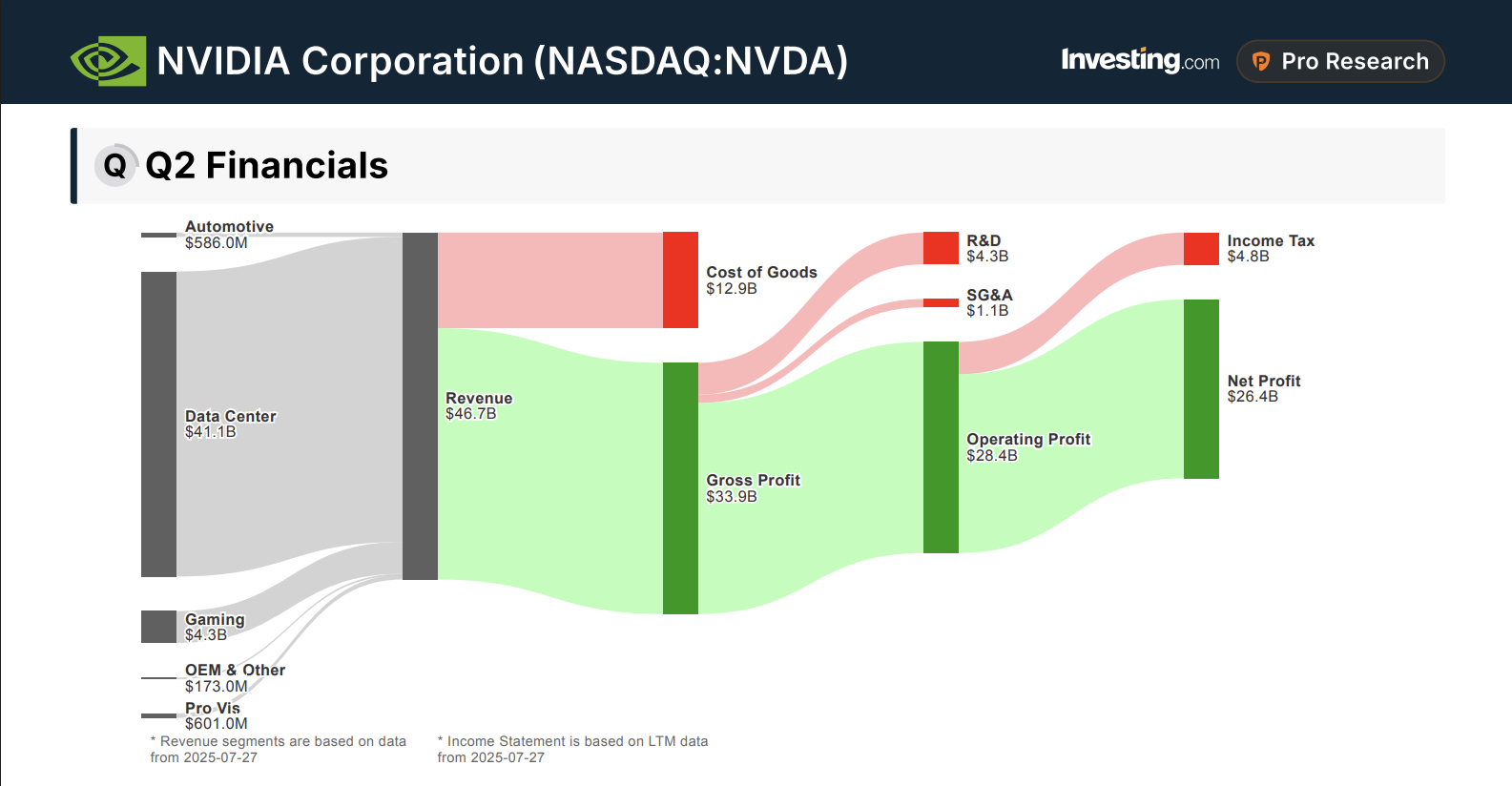
- Revenue: This represents the total amount of money generated from sales of products and services. Investors look at both the overall revenue figure and its breakdown by segment (e.g., Data Center, Gaming, Professional Visualization, Automotive) to understand which areas are driving growth.
- Earnings Per Share (EPS): This is the portion of a company’s profit allocated to each outstanding share of common stock. It’s a widely used metric to gauge corporate profitability. Analysts often compare reported EPS against their estimates, and any significant deviation can trigger substantial stock movement.
- Net Income/Profit: The “bottom line” profit after all expenses, taxes, and interest have been deducted from revenue.
- Gross Margin: This percentage indicates how much profit a company makes from each dollar of revenue after accounting for the cost of goods sold. It reflects pricing power and production efficiency.
- Operating Expenses: These are the costs associated with running the business, excluding the cost of goods sold. They include research and development (R&D), sales and marketing (S&M), and general and administrative (G&A) expenses.
- Balance Sheet Information: Details on assets (what the company owns), liabilities (what it owes), and shareholder equity (the residual value belonging to owners). Key aspects include cash reserves, debt levels, and inventory.
- Cash Flow Statement: Shows how cash is generated and used by the company across its operating, investing, and financing activities. Free cash flow, in particular, is a robust indicator of a company’s ability to generate cash after capital expenditures.
- Management Commentary and Guidance: Perhaps the most forward-looking aspect, management’s statements about past performance, current trends, and future expectations (guidance for upcoming quarters or the fiscal year) can have a profound impact on investor sentiment. This often includes insights into product roadmaps, market opportunities, and competitive landscape.
Navigating NVIDIA’s Earnings Calendar and Reporting
Knowing when NVIDIA announces its earnings is the first step in preparing for this crucial financial event. These dates are not random; they follow a predictable pattern, typically occurring approximately six weeks after the close of each fiscal quarter.
Where to Find Official Earnings Dates
The most reliable sources for NVIDIA’s earnings announcement dates are its official channels:
- NVIDIA Investor Relations Website: This is the primary and most authoritative source. NVIDIA’s investor relations section (often found under the “About Us” or “Company” menu on its main website) typically features an “Events & Presentations” or “Investor Calendar” section where upcoming earnings call dates, times, and webcast links are prominently displayed. These dates are usually announced several weeks in advance.
- SEC Filings (Form 8-K): Publicly traded companies in the U.S. are required to file a Form 8-K with the Securities and Exchange Commission (SEC) to announce material events, including earnings dates. While not as user-friendly for quick checks, it serves as the official legal record.
- Financial News Outlets and Data Providers: Reputable financial news services (e.g., Bloomberg, Reuters, Wall Street Journal, Yahoo Finance, Google Finance) and financial data platforms (e.g., NASDAQ, FactSet, Refinitiv) integrate earnings calendars into their services. These platforms pull data directly from company announcements and SEC filings, providing a convenient way to track dates for multiple companies.
It’s crucial to always cross-reference dates, especially as minor adjustments can sometimes occur. Typically, NVIDIA announces its quarterly results after market close on the designated day, followed by a conference call with analysts and investors.
Understanding the Earnings Call
The earnings call is an integral part of the announcement process. After the release of the written earnings report, NVIDIA’s executive management (CEO, CFO, etc.) hosts a teleconference or webcast. This call typically has two main segments:
- Prepared Remarks: Management provides an overview of the financial results, highlights key business achievements, discusses segment performance, and offers forward-looking guidance.
- Q&A Session: Financial analysts from various investment banks and institutions get to ask questions to the management team. This session can often unearth deeper insights into strategic decisions, competitive pressures, and future opportunities that might not be explicitly detailed in the press release.
Listening to or reading the transcript of these calls offers valuable qualitative data that complements the quantitative figures in the report. It provides context, nuance, and management’s tone regarding the company’s prospects.
Deciphering NVIDIA’s Financial Report: Key Metrics and Insights
Once the earnings report is out, the real work begins for investors. Beyond just looking at whether NVIDIA “beat” or “missed” analyst estimates, a deeper dive into the numbers and commentary is essential for a holistic understanding.
Segmental Performance Analysis
NVIDIA operates across several distinct business segments, and understanding their individual performance is key:
- Data Center: This segment, powering AI, cloud computing, and high-performance computing, has been a major growth engine for NVIDIA. Investors closely watch its revenue growth, gross margins, and customer adoption rates, as it often indicates the pace of AI infrastructure build-out.
- Gaming: Historically NVIDIA’s largest segment, gaming GPU sales are influenced by new product cycles, market share shifts, and broader consumer spending trends.
- Professional Visualization: This includes workstation GPUs for design, content creation, and scientific visualization.
- Automotive: While smaller, this segment focused on autonomous driving platforms and in-car infotainment systems is a long-term growth area with significant potential.

Analyzing the growth rates and profitability of each segment helps investors understand NVIDIA’s diversification, its exposure to different market dynamics, and where future growth is expected to come from. For instance, a slowdown in gaming might be offset by accelerated growth in data center, illustrating the resilience of a diversified business model.
Guidance and Forward-Looking Statements
Perhaps the most market-moving aspect of an earnings report is the company’s guidance for the upcoming quarter and/or fiscal year. Management’s projections for revenue, gross margin, and sometimes even specific segment performance provide direct insight into their expectations for future business activity.
- “Beat and Raise”: When a company exceeds current quarter estimates and also raises its future guidance, it often leads to a significant positive stock price reaction.
- “Miss and Lower”: Conversely, missing estimates and lowering guidance can result in a sharp decline in share price.
- In-line results with strong guidance: This can still be perceived positively, signaling confidence from management despite current performance being merely adequate.
Investors should pay close attention to the specific factors management cites when providing guidance – whether it’s new product launches, supply chain issues, macroeconomic headwinds, or competitive dynamics.
Non-GAAP vs. GAAP Metrics
NVIDIA, like many tech companies, often reports both GAAP (Generally Accepted Accounting Principles) and non-GAAP financial results.
- GAAP: These are standardized accounting principles, providing a consistent baseline for comparison across companies.
- Non-GAAP: These metrics exclude certain expenses, such as stock-based compensation, amortization of intangibles, or one-time charges, which management believes do not reflect the ongoing operational performance of the business. While non-GAAP can offer a clearer picture of underlying profitability, investors should be cautious and understand what adjustments are being made, as they can sometimes present a more favorable view than GAAP. A balanced view considers both.
Market Reaction and Strategic Implications for Investors
The immediate market reaction to NVIDIA’s earnings announcement can be swift and dramatic, often in after-hours or pre-market trading, before the regular trading session opens.
Understanding Price Volatility
Even if the reported numbers appear strong, the stock price reaction isn’t always straightforward. The market reacts to “surprises.” If NVIDIA beats analyst estimates but the “whisper numbers” (unofficial, higher expectations among sophisticated investors) were even higher, the stock might still fall. Conversely, a slight miss could be overlooked if guidance is exceptionally strong, or if the miss was due to a non-recurring event.
Factors influencing market reaction include:
- Magnitude of the Beat/Miss: How much did NVIDIA exceed or fall short of EPS and revenue estimates?
- Guidance: Is the outlook for the next quarter/year higher, lower, or in line with expectations?
- Management Commentary: Is the tone optimistic or cautious? Are there any unexpected disclosures about competition, market conditions, or product delays?
- Analyst Revisions: Following the call, analysts often update their ratings and price targets, which can further influence market sentiment.
This inherent volatility makes earnings periods high-risk, high-reward times for short-term traders, while long-term investors typically focus on the fundamental trajectory suggested by the report.
Strategic Considerations for Investors
For investors, NVIDIA’s earnings reports offer several opportunities:
- Reassessing Investment Thesis: The report provides fresh data to validate, adjust, or completely re-evaluate why you own (or want to own) NVIDIA stock. Has the underlying story changed? Are the long-term growth drivers still intact?
- Portfolio Adjustment: Based on the insights, investors might decide to increase their position, reduce it, or hold steady. For example, if the data center segment shows immense strength and positive long-term trends, it might reinforce a bullish stance.
- Identifying Broader Trends: NVIDIA’s performance can indicate the health of related industries. Strong data center sales might suggest robust cloud growth, while gaming trends could reflect consumer spending habits.
- Risk Assessment: The report can highlight new risks, such as increased competition, supply chain vulnerabilities, or regulatory challenges, prompting investors to consider their overall risk exposure.
Beyond the Numbers: Understanding NVIDIA’s Future Trajectory
While the quantitative data in an earnings report is crucial, a truly insightful analysis goes beyond the raw numbers to understand NVIDIA’s strategic direction and long-term potential.
Innovation and Competitive Landscape
NVIDIA’s ability to innovate continuously is fundamental to its success. Earnings calls and accompanying presentations often provide updates on new product launches, technological advancements (e.g., new GPU architectures, software platforms like CUDA), and strategic partnerships. Investors should assess whether NVIDIA is maintaining its technological lead and effectively responding to competitive pressures from rivals like AMD or custom silicon development by hyperscalers.
Capital Allocation and Shareholder Returns
How NVIDIA allocates its capital is another important aspect. This includes investments in R&D, acquisitions, and returning capital to shareholders through stock buybacks or dividends. A balanced approach that fuels growth while rewarding shareholders is often viewed favorably. Details on these activities are typically found in the cash flow statement and management commentary.
Macroeconomic Environment and Geopolitics
NVIDIA’s global operations mean it’s susceptible to broader macroeconomic trends and geopolitical developments. Factors like global economic growth, interest rates, inflation, and international trade policies can significantly impact demand for its products, supply chain stability, and profitability. Management often addresses these external factors during the earnings call, providing a valuable macro perspective.
In conclusion, NVIDIA’s earnings announcements are critical junctures for anyone invested in or observing the financial markets. By understanding when these announcements occur, where to find the official information, and how to thoroughly analyze the various components of the report – from revenue and EPS to segmental performance and management guidance – investors can make more informed decisions, navigate market volatility, and strategically position themselves for long-term financial success within the dynamic world of technology investing. It’s a testament to the power of transparent financial reporting in driving intelligent capital allocation and fostering a more informed investment community.
aViewFromTheCave is a participant in the Amazon Services LLC Associates Program, an affiliate advertising program designed to provide a means for sites to earn advertising fees by advertising and linking to Amazon.com. Amazon, the Amazon logo, AmazonSupply, and the AmazonSupply logo are trademarks of Amazon.com, Inc. or its affiliates. As an Amazon Associate we earn affiliate commissions from qualifying purchases.