
In the modern financial landscape, few events carry as much weight as the quarterly earnings release of NVIDIA Corporation (NVDA). Once known primarily by gamers for its high-performance graphics processing units (GPUs), NVIDIA has evolved into the foundational architect of the artificial intelligence revolution. Consequently, the question of “when does NVDA report earnings” has become a pivotal date on the global financial calendar, affecting not just individual shareholders but the broader indices, ETFs, and the global semiconductor supply chain.
For the disciplined investor, understanding the timing and the context of these reports is essential for risk management and capital allocation. This guide delves into the specifics of NVIDIA’s reporting cycle, the critical metrics that move the needle, and how to position a portfolio ahead of these high-volatility events.

Understanding NVIDIA’s Fiscal Calendar and Reporting Cycle
To accurately predict when NVIDIA will release its financial results, one must first understand that the company operates on a non-standard fiscal year. Unlike many corporations that align their financial reporting with the calendar year (ending December 31), NVIDIA’s fiscal year typically ends on the last Sunday of January.
The Difference Between Fiscal and Calendar Years
NVIDIA’s fiscal year is usually one year ahead of the calendar year for the majority of its duration. For example, the period from February 2024 to January 2025 is referred to by the company as “Fiscal Year 2025.” This discrepancy often confuses novice investors. When looking for earnings dates, it is vital to check if the source is referring to the fiscal quarter (Q1, Q2, Q3, or Q4) or the calendar quarter. Typically, NVIDIA reports its results approximately three to four weeks after a fiscal quarter concludes.
When to Expect the Next Quarterly Update
Historically, NVIDIA reports its earnings in the months of May (Q1), August (Q2), November (Q3), and February (Q4). The announcements are almost always made on a Wednesday after the market closes, followed by a highly anticipated conference call with CEO Jensen Huang and CFO Colette Kress.
For investors tracking the 2024–2025 cycle, the Q3 fiscal 2025 report is typically expected in late November, while the crucial Q4 and full-year results are anticipated in mid-to-late February. Monitoring the NVIDIA Investor Relations website is the only way to confirm the exact date, as the company usually issues a press release two weeks prior to the event.
Why NVDA Earnings Are a Global Macro Economic Indicator
In recent years, NVIDIA’s earnings have transitioned from being a sectoral update for the tech industry to a proxy for global enterprise spending and AI adoption. When NVIDIA reports, the entire market listens because its results provide a window into the “capex” (capital expenditure) of the world’s largest tech titans, including Microsoft, Alphabet, and Meta.
The AI Revolution as a Revenue Driver
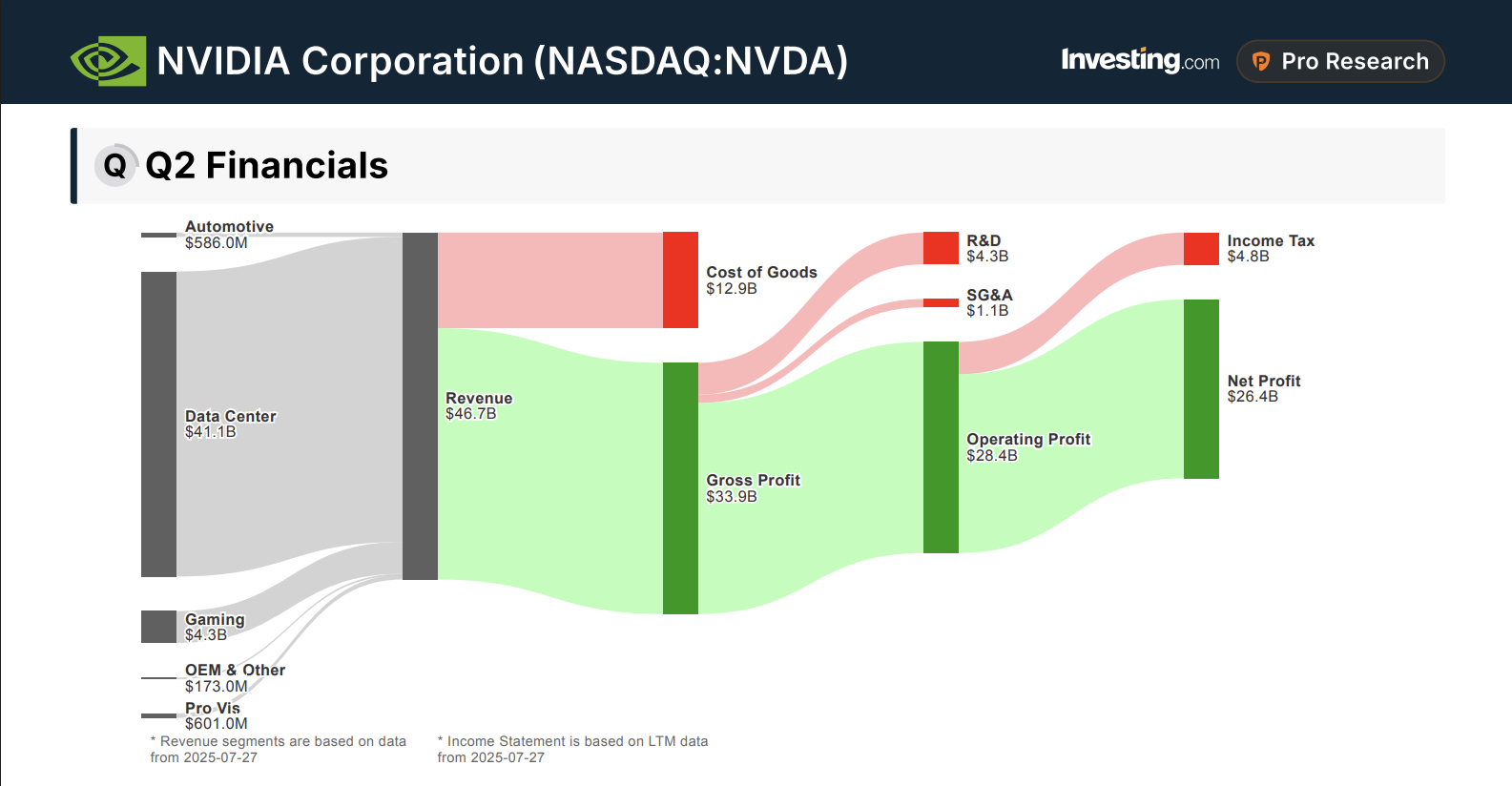
NVIDIA’s Data Center segment has become the primary engine of its valuation. Investors look to the earnings report to see if the massive investments in AI infrastructure are continuing at pace. If NVIDIA reports a “beat and raise”—meaning they exceeded expectations and increased future guidance—it signals to the market that the AI build-out is still in its early-to-mid innings. Conversely, any slowdown in this segment is often interpreted as a broader cooling of the AI hype, which can lead to a “risk-off” sentiment across the S&P 500.
Data Center Dominance and Market Sentiment
The sheer size of NVIDIA’s market capitalization means that its price action after an earnings report can single-handedly move the Nasdaq 100. For investors in passive index funds or tech-heavy ETFs like the QQQ, NVIDIA’s earnings date is a volatility catalyst. Professional traders often look at the “implied move” in the options market leading up to the report—which can often be as high as 8% to 10%—to gauge how much uncertainty is priced into the broader market.
Key Financial Metrics to Watch Beyond the Top Line
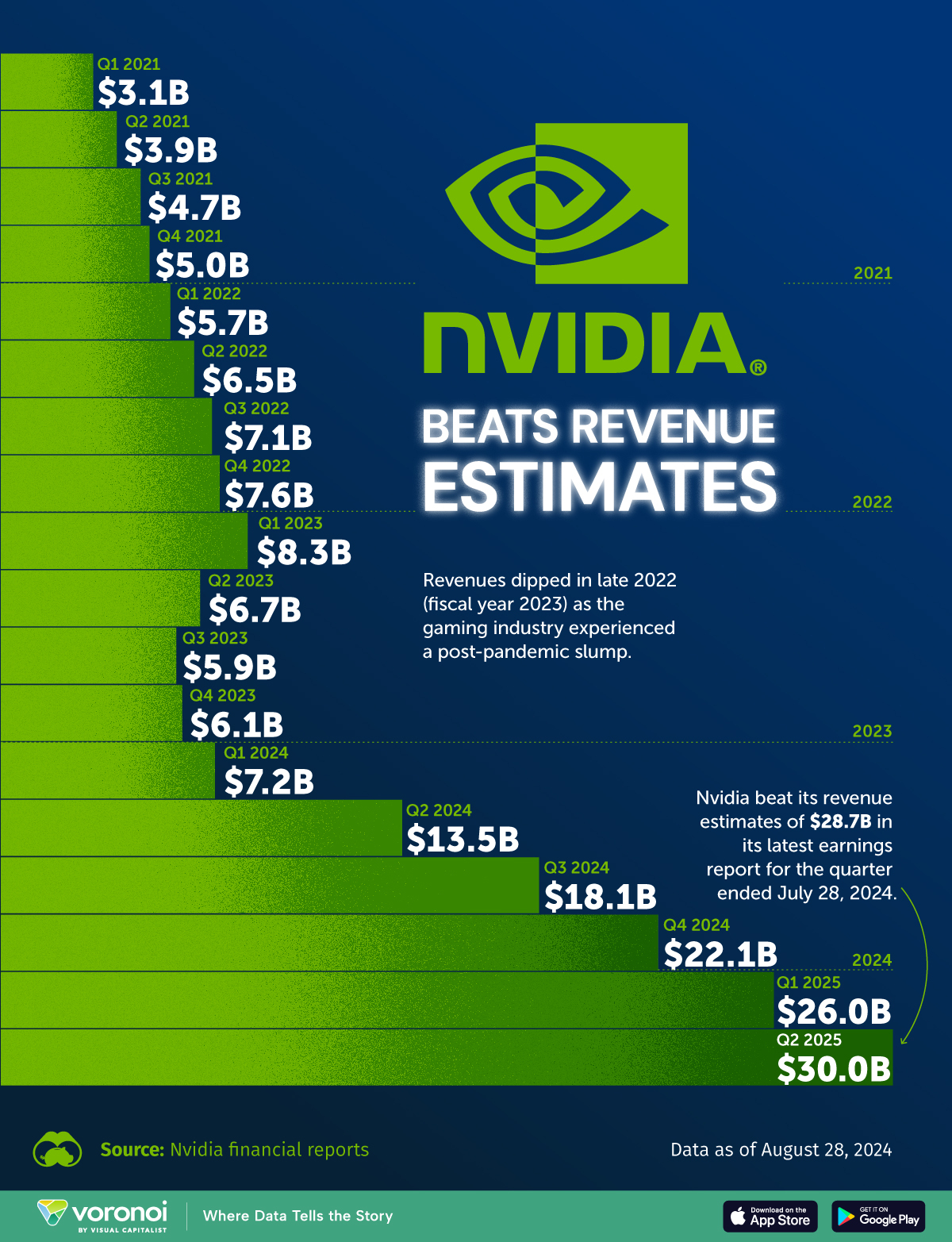
While the headlines usually focus on “Earnings Per Share” (EPS) and total revenue, sophisticated investors dig deeper into the specific financial health indicators that suggest long-term sustainability.
Gross Margins and Supply Chain Efficiency
For a hardware-centric company, gross margin is a critical metric. It represents the percentage of total sales revenue that the company retains after incurring the direct costs associated with producing its goods. NVIDIA has maintained impressively high margins (often exceeding 70%) due to the high demand and specialized nature of its H100 and Blackwell chips.
Investors must watch for any compression in these margins. Margin compression could indicate rising fabrication costs from partners like TSMC, increased competition from specialized AI chip startups, or a shift in the product mix toward lower-margin consumer products.
Forward Guidance: The Catalyst for Volatility
In the world of growth investing, the past quarter’s performance is often secondary to future projections. NVIDIA’s “Guidance” for the upcoming quarter is the most frequent cause of post-market price swings. Because the stock trades at a high price-to-earnings (P/E) multiple, the market has already “priced in” significant growth. If the company provides guidance that is only “in line” with expectations rather than significantly above them, the stock may sell off despite a record-breaking previous quarter. This “priced to perfection” scenario is a constant risk for NVDA shareholders.
Investment Strategies for Earnings Season
Approaching an earnings date requires a clear strategy, as the high volatility can lead to emotional decision-making. Investors generally fall into two camps: those looking for short-term gains and those focused on long-term wealth compounding.
Long-term Holding vs. Short-term Trading
For the long-term investor, an earnings report is a check-up on the company’s fundamental thesis. If the growth story remains intact and the competitive moat (Cuda software, chip architecture) is wide, short-term price fluctuations are merely noise. Many long-term investors choose to “do nothing” during earnings, or even use post-earnings dips as an opportunity to add to their position (dollar-cost averaging).
On the other hand, short-term traders might use options strategies—such as straddles or strangles—to profit from the volatility without necessarily picking a direction. However, this is high-risk and requires a deep understanding of “IV crush” (implied volatility collapse), where the value of options drops immediately after the news is released, regardless of the stock’s movement.
Managing Risk in a High-Growth Valuation Environment
Position sizing is the most effective tool for managing the risks associated with NVIDIA’s earnings. Given the stock’s propensity for large swings, having a portfolio that is over-concentrated in NVDA can lead to significant drawdowns.
Financial advisors often recommend rebalancing a portfolio prior to earnings if the stock has run up significantly, locking in some profits while maintaining core exposure. Additionally, setting “stop-loss” orders can be tricky during earnings because the stock often “gaps” up or down in after-hours trading, potentially bypassing the stop-loss price entirely.
Conclusion: The Strategic Importance of Staying Informed
Knowing “when does NVDA report earnings” is the first step in a broader financial strategy. In an era where data is the new oil, NVIDIA is the refinery. Its quarterly reports are more than just balance sheets; they are status reports on the future of computing and global economic efficiency.
By understanding the fiscal calendar, focusing on the Data Center metrics, and maintaining a disciplined approach to risk, investors can navigate the volatility of NVIDIA’s earnings season with confidence. Whether you are a retail investor with a few shares or a portfolio manager, the insights gleaned from these reports provide the necessary clarity to make informed decisions in an increasingly complex financial world. In the high-stakes game of growth investing, preparation is the only hedge against uncertainty.
aViewFromTheCave is a participant in the Amazon Services LLC Associates Program, an affiliate advertising program designed to provide a means for sites to earn advertising fees by advertising and linking to Amazon.com. Amazon, the Amazon logo, AmazonSupply, and the AmazonSupply logo are trademarks of Amazon.com, Inc. or its affiliates. As an Amazon Associate we earn affiliate commissions from qualifying purchases.