
The intersection of tax policy and the service economy has recently become one of the most discussed topics in American personal finance. The proposal to eliminate federal income taxes on tips—commonly referred to as the “No Tax on Tips” initiative—has gained significant momentum in political discourse, sparking questions among millions of service workers, small business owners, and financial planners. For those working in hospitality, beauty, and the gig economy, the potential shift represents a fundamental change in how they manage their household budgets and long-term wealth.
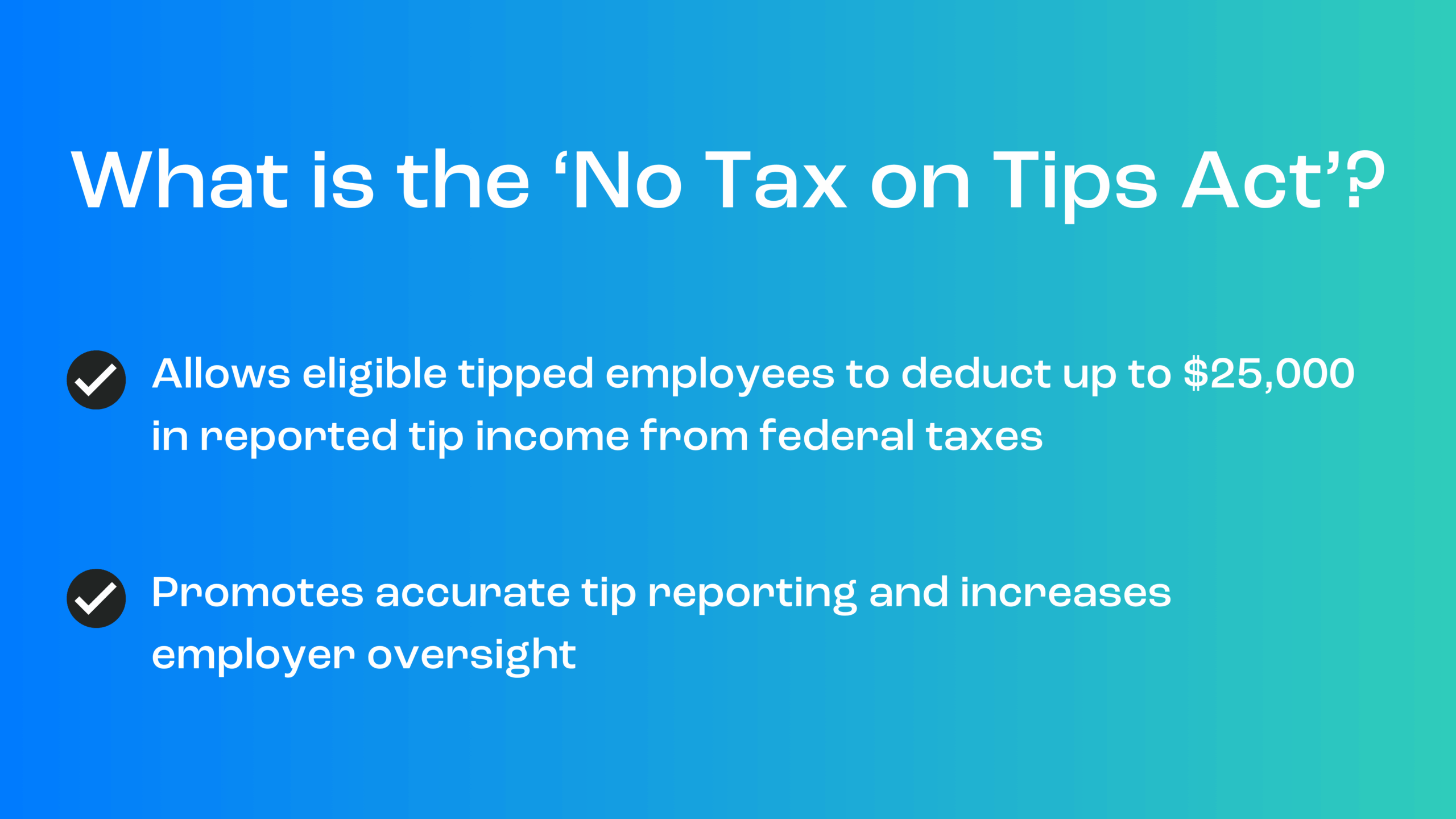
However, understanding when this policy starts requires a clear look at the legislative process, the current tax code, and the economic hurdles that must be cleared before such a change becomes reality. As of now, the “No Tax on Tips” movement remains a policy proposal rather than a codified law, meaning that for the current tax year, the traditional rules still apply.
The Legislative Landscape: Where the “No Tax on Tips” Proposal Stands
To understand the timeline of a “No Tax on Tips” policy, one must first understand that federal tax law is not changed overnight. Significant alterations to the Internal Revenue Code (IRC) require an act of Congress and the signature of the President. While the concept has received rare bipartisan interest during the 2024 election cycle, it has yet to be passed into law.
Origins of the Policy Proposal
The idea of exempting tips from federal income tax surfaced as a prominent campaign pillar aimed at providing immediate relief to low- and middle-income earners. Proponents argue that tipped employees—bartenders, servers, valets, and stylists—rely on the generosity of customers to supplement often low hourly base wages. By removing the tax burden on these discretionary payments, advocates believe the government can put more “liquid” cash into the hands of workers who are most affected by inflation.
The Current Federal Tax Requirements for Tipped Workers
Currently, the IRS is very clear: all tips are considered taxable income. This includes cash tips received directly from customers, tips added to credit card charges, and tips distributed through a tip-pooling arrangement. Under the current system, employees must report their tips to their employers if they exceed $20 in a month. These tips are then subject to federal income tax, as well as Social Security and Medicare taxes (FICA). From a financial management perspective, this means that a significant portion of a service worker’s “take-home” pay is actually deferred until tax season or withheld from their smaller hourly checks.
Timeline and Potential Effective Dates
If a “No Tax on Tips” bill were to be introduced and passed in late 2024 or early 2025, the earliest it would likely take effect would be for the 2025 tax year. Tax laws are rarely retroactive in a way that affects a current filing season. Therefore, workers should not expect a change in their 2024 tax filings. The legislative process involves committee hearings, budget impact assessments by the Congressional Budget Office (CBO), and floor votes. Financial experts suggest that even with a “fast-track” approach, the infrastructure for payroll companies to adjust their withholding algorithms would take several months to implement.
Economic Implications for Service Workers and Small Businesses
The shift toward a tax-free tipping environment is not just a matter of changing a line on a tax return; it would fundamentally alter the economics of the service industry. Both employees and employers would need to recalibrate their financial strategies to account for the change in cash flow and liability.
Impact on Take-Home Pay for Service Staff
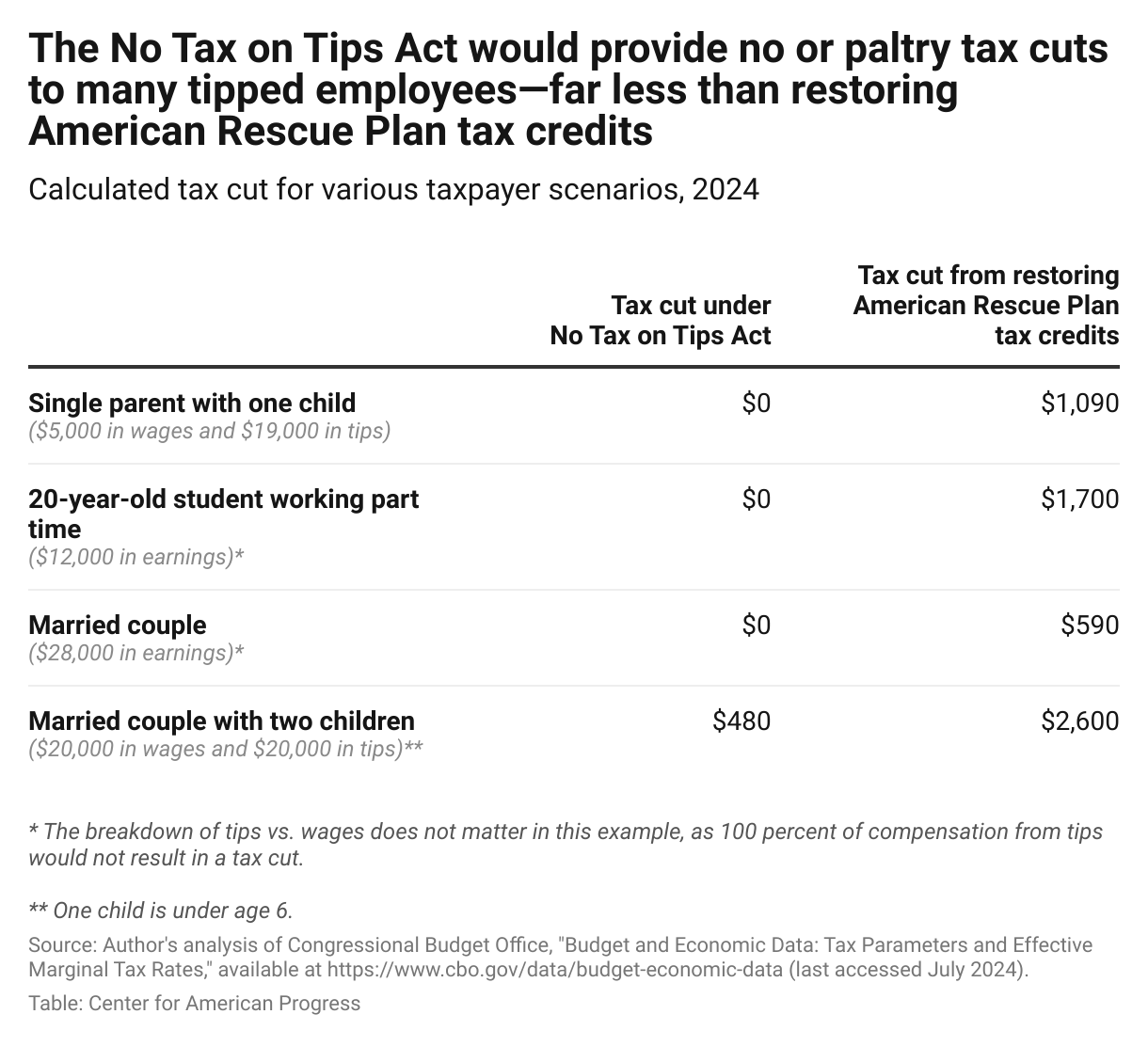
The most immediate benefit of a “No Tax on Tips” policy would be an increase in the “disposable income” of service workers. Currently, many servers find that their hourly paycheck (which often sits at the federal tipped minimum of $2.13 per hour) is nearly or entirely consumed by tax withholdings for the tips they earned. By removing the federal income tax component, these workers would see an immediate bump in their net earnings. For a worker earning $15,000 to $20,000 a year in tips, the tax savings could range from $1,500 to $3,000 annually, depending on their total income bracket and filing status.
Challenges for Employer Compliance and Payroll Systems
For business owners, the transition presents a different set of challenges. Employers are currently responsible for matching FICA taxes on reported tips. If the policy only eliminates income tax but retains payroll taxes (Social Security/Medicare), the administrative burden remains high. However, if the policy were to eliminate all taxes on tips, businesses would see a reduction in their own tax liabilities. This could lead to a “re-balancing” of the service industry, where businesses might feel less pressure to raise base wages because the “net value” of the tips has increased.
The Shift in Hospitality Industry Economics
We may also see a shift in how services are priced. If tips become tax-free, there is a possibility that the “tipping culture” will expand even further into sectors that previously relied on flat fees. From a personal finance standpoint, consumers might find themselves asked to tip in more scenarios, as the tax-advantaged status of that payment makes it a more efficient way to compensate workers than a taxable base salary.
Strategic Financial Planning in a Changing Tax Environment
If and when the “No Tax on Tips” policy begins, individuals in the service sector will need to rethink their personal financial planning. While more cash in hand is generally a positive, it requires a disciplined approach to ensure long-term financial health is not sacrificed for short-term liquidity.
Managing Personal Savings and Withholding
When taxes are removed from a primary source of income, the risk of under-withholding on other income sources increases. For example, if a worker has a second job that is a traditional W-2 position, or if they have investment income, the lack of tax “buffer” from their tipped job could lead to an unexpected bill at the end of the year if the policy is not implemented perfectly. Professional financial advice for service workers will likely pivot toward “self-withholding” strategies and the use of High-Yield Savings Accounts (HYSA) to park the extra cash gained from tax savings.
The Role of Social Security and Retirement Contributions
One of the most significant “hidden” risks of tax-free tips involves Social Security. Social Security benefits are calculated based on your “taxed” earnings over your lifetime. If tips are no longer subject to payroll taxes (FICA), they may no longer count toward an individual’s Social Security credits. For a lifelong service worker, this could result in a significantly lower monthly benefit during retirement. To counter this, workers would need to be more aggressive with private retirement vehicles like Roth IRAs or 401(k) plans, using their tax savings to fund their own future rather than relying on the federal safety net.
Side Hustles and Independent Contractor Tipping
The “No Tax on Tips” proposal also raises questions for the “side hustle” economy. App-based workers for platforms like DoorDash, Uber, or Instacart often receive a large portion of their income via tips. Under current rules, as 1099 contractors, they must pay both the employer and employee share of taxes (Self-Employment Tax). If the new policy extends to independent contractors, it would represent a massive financial boon for the gig economy, potentially making these side hustles far more lucrative than traditional part-time employment.
Potential Risks and Critiques of the Policy
While the prospect of keeping more of one’s hard-earned money is appealing, economists and financial analysts have raised several concerns regarding the long-term viability and fairness of a “No Tax on Tips” system. These factors could influence how the final legislation is written and when it actually starts.
Concerns Regarding Tax Base Erosion
Critics of the policy point out that exempting a specific type of income—tips—could lead to a significant “tax gap.” The CBO would need to figure out how to bridge the multi-billion dollar hole in federal revenue that would result from this change. From a macro-money perspective, if the government loses revenue from the service sector, it may eventually seek to recoup those funds through other means, such as higher sales taxes or corporate taxes, which could indirectly affect the same workers the policy intends to help.
The Risk of “Wage Substitution”
There is a strategic concern that high-earning professionals might attempt to reclassify their income as “tips” to avoid taxation. For instance, could a consultant charge a low base fee and suggest a high “tip” for their services? To prevent this, any legislation would need strict definitions of what constitutes a “tipped occupation.” This complexity is one of the main reasons the policy has not yet been implemented, as the Treasury Department would need to draft extensive regulations to prevent abuse of the system.
Fairness Across Different Economic Sectors
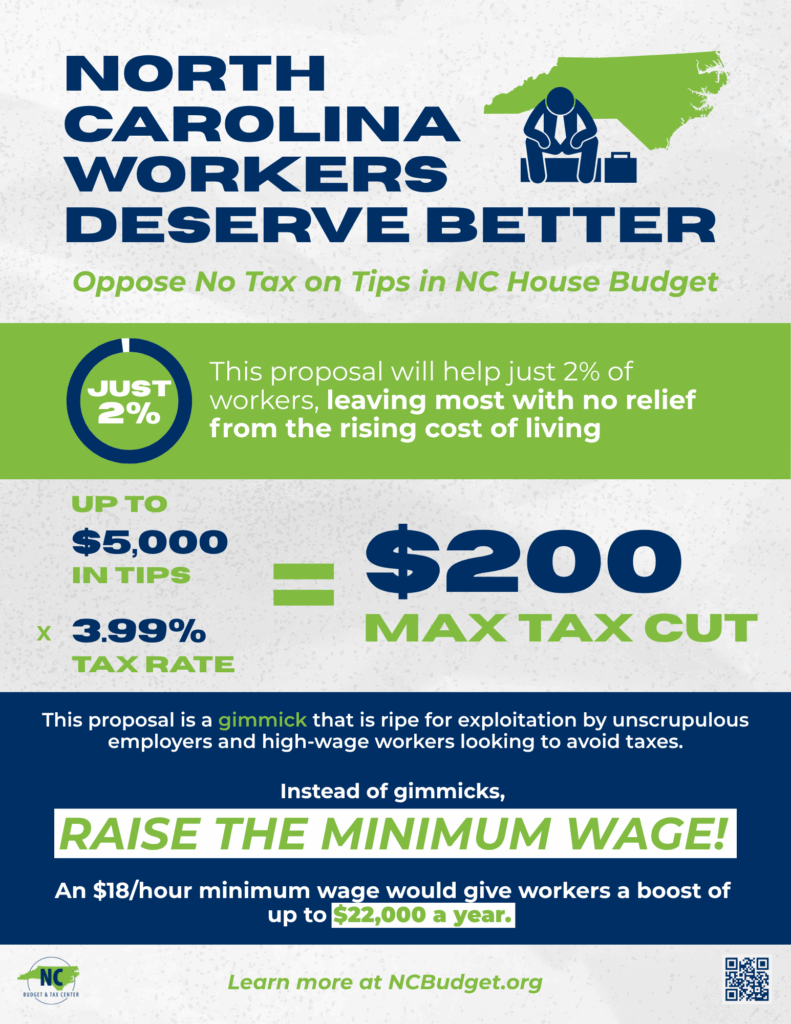
Finally, there is the question of horizontal equity. A “No Tax on Tips” policy benefits a server making $40,000 a year, but it does nothing for a retail worker or a warehouse employee making the same amount who does not receive tips. From a financial equity standpoint, some argue that a general increase in the standard deduction or an expansion of the Earned Income Tax Credit (EITC) would be a more balanced way to provide relief to all low-income earners, regardless of their specific job title.
In conclusion, while the “No Tax on Tips” movement is a compelling financial prospect, it is currently in a state of legislative anticipation. There is no official start date, but the conversation has already begun to change how service workers view their earnings. Until a bill is signed into law, the best course of action for anyone in a tipped profession is to continue meticulous record-keeping, stay informed on legislative updates, and consult with a financial professional to ensure that their current tax obligations are met while preparing for a potentially more lucrative future.
aViewFromTheCave is a participant in the Amazon Services LLC Associates Program, an affiliate advertising program designed to provide a means for sites to earn advertising fees by advertising and linking to Amazon.com. Amazon, the Amazon logo, AmazonSupply, and the AmazonSupply logo are trademarks of Amazon.com, Inc. or its affiliates. As an Amazon Associate we earn affiliate commissions from qualifying purchases.