
For investors, traders, and anyone with a vested interest in global finance, understanding the operating hours of the New York Stock Exchange (NYSE) is fundamental. It dictates when trades can be executed, when market news has its immediate impact, and when the financial world pauses for breath. The simple question, “When does the New York Stock Exchange close today?”, opens up a broader discussion about market mechanics, strategic timing, and the intricate rhythm of capital markets. This guide will delve into the standard NYSE schedule, crucial exceptions, and the significant implications these hours have for personal finance, investing, and business operations.
Understanding NYSE Trading Hours: The Standard Schedule
The NYSE operates on a well-established timetable designed to provide a consistent trading environment for participants worldwide. Adhering to Eastern Time (ET), these hours are critical for planning investment strategies and managing financial portfolios.
Regular Session: Opening and Closing Bells
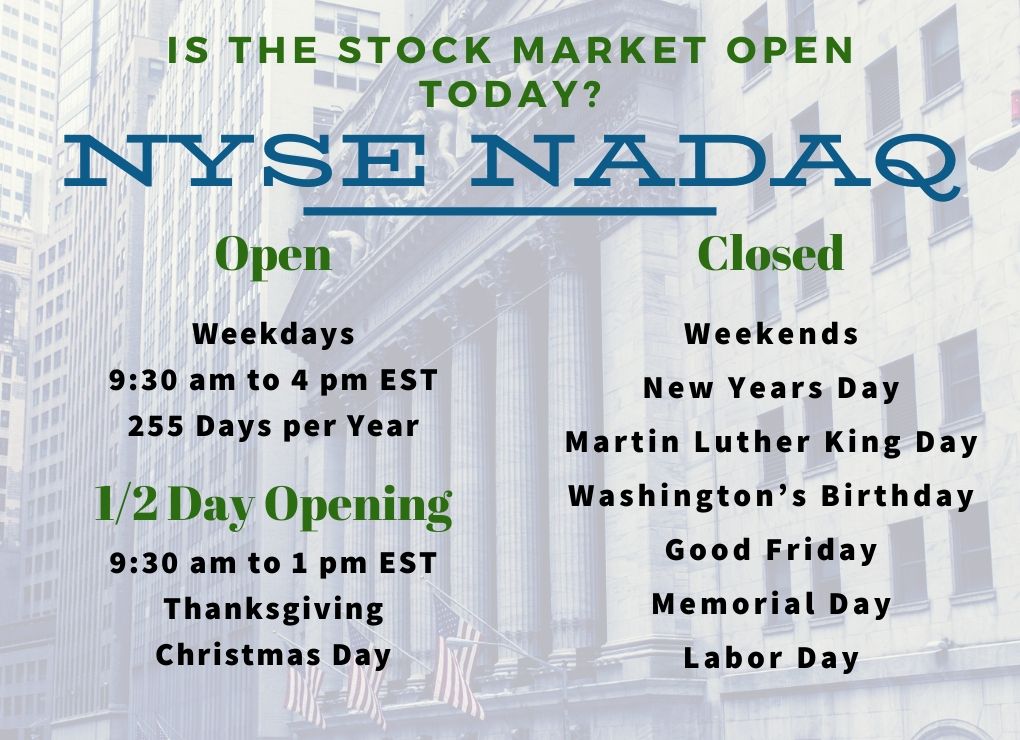
The backbone of the NYSE’s operation is its regular trading session. On a standard business day, the New York Stock Exchange opens at 9:30 AM ET and closes at 4:00 PM ET. This six-and-a-half-hour window is when the vast majority of trading activity occurs, impacting stock prices, market indices, and overall investor sentiment.
The opening bell, a symbolic and often televised event, signals the start of the trading day, bringing with it a surge of activity as orders accumulated overnight are processed. Similarly, the closing bell marks the end of the regular session, often accompanied by another burst of trading as investors try to close positions or execute last-minute trades. These bells are not just ceremonial; they represent the precise moments when the market officially begins and ends its daily operations. Understanding these fixed points is paramount for anyone involved in active trading or even monitoring long-term investments, as significant price movements often cluster around these times due to high liquidity and volume.
Eastern Time Zone Significance
All NYSE trading hours are quoted in Eastern Time (ET), which is either Eastern Standard Time (EST) or Eastern Daylight Time (EDT) depending on the time of year. This consistent time zone reference is crucial for global investors. For those outside the ET zone, accurate conversion is essential to avoid missed opportunities or errors in trade execution. For instance, an investor in London (GMT/BST) needs to account for a five to six-hour difference, while someone in Sydney (AEST/AEDT) faces a 14 to 16-hour difference, meaning the NYSE trading day spans across their nighttime. Financial news outlets and brokerage platforms typically display these times prominently, often with options to show local time equivalents, but ultimately, the definitive market hours are set by ET. This standardization ensures clarity and uniformity across the diverse international participant base of the world’s largest stock exchange.
Beyond Daily Closes: Market Holidays and Early Closures
While the 9:30 AM to 4:00 PM ET schedule holds for most weekdays, the NYSE, like any major institution, observes a set of holidays and occasionally implements early closures. These exceptions are critical for investors to note, as they represent periods when the market is either completely shut down or operates on an abbreviated schedule.
Federal Holidays Observed by the NYSE
The New York Stock Exchange typically aligns its full-day closures with most U.S. federal holidays. These holidays result in no trading whatsoever, meaning all market participants must halt their activity until the next business day. Key holidays observed by the NYSE include:
- New Year’s Day: January 1st
- Martin Luther King, Jr. Day: Third Monday in January
- Presidents’ Day (Washington’s Birthday): Third Monday in February
- Good Friday: The Friday before Easter
- Memorial Day: Last Monday in May
- Juneteenth National Independence Day: June 19th
- Independence Day: July 4th
- Labor Day: First Monday in September
- Thanksgiving Day: Fourth Thursday in November
- Christmas Day: December 25th
It’s important to remember that if any of these holidays fall on a weekend, the NYSE will often observe the holiday on the preceding Friday or the following Monday. For example, if Christmas Day falls on a Sunday, the market would typically be closed on the preceding Friday (December 23rd) or the following Monday (December 26th) – the actual observance day is announced well in advance. These full closures provide a complete break from market activity, allowing for a reset of sentiment and for investors to step back and re-evaluate their strategies without the pressure of live market movements.
Special Early Closures
In addition to full-day holidays, the NYSE sometimes implements early closures, particularly around major holidays or special events. These shortened trading days mean the market still opens at 9:30 AM ET but closes earlier than the standard 4:00 PM ET. Common instances for early closures include:
- The day after Thanksgiving (Black Friday): Often, the market closes at 1:00 PM ET.
- Christmas Eve: If it falls on a weekday, the market might close at 1:00 PM ET.
- New Year’s Eve: Similarly, if it’s a weekday, a 1:00 PM ET close is possible.
These early closures are typically a nod to the holiday spirit, acknowledging reduced trading volumes and allowing market professionals to participate in holiday celebrations. For investors, these shortened days mean less time for trade execution and potentially intensified activity in the condensed hours. It’s crucial to check the official NYSE calendar or reliable financial news sources for the exact schedule each year, as these early closures can vary. Missing an early closure notification could lead to an inability to execute critical trades or manage positions before the market shuts down for an extended period.
Why Trading Hours Matter for Investors: Strategy and Risk
The precise timing of market operations isn’t just a matter of logistics; it profoundly influences investment strategies, risk management, and overall market dynamics. Understanding the cadence of the NYSE trading day is critical for both active traders and long-term investors.
Impact on Day Traders and Active Investors
For day traders and other active investors, the 9:30 AM to 4:00 PM ET window is their entire world. Their strategies are meticulously crafted around the opening and closing bells. The first hour of trading, often called the “power hour” or “opening drive,” is frequently characterized by high volatility and heavy volume as overnight news is digested and initial orders are executed. Similarly, the final hour, or “closing drive,” can also see heightened activity as traders close positions, balance portfolios, or attempt to influence closing prices.
Active investors must be acutely aware of these periods. Price movements can be more extreme, spreads wider, and liquidity can fluctuate. Strategies such as scalping, swing trading, and arbitrage are directly tied to the intraday price action within these regular hours. Missing even a few minutes can mean the difference between profit and loss, especially in fast-moving markets. Furthermore, the knowledge of market closure forces day traders to square off all positions by 4:00 PM ET, avoiding the overnight risk associated with holding securities when the market is closed and susceptible to off-hours news events.
Relevance for Long-Term Investors
While buy-and-hold investors don’t typically monitor minute-by-minute price fluctuations, NYSE trading hours still hold significant relevance. Crucially, major news announcements—such as earnings reports, mergers and acquisitions, regulatory changes, or economic data releases—often occur outside of regular trading hours. This timing allows market participants to process the information without the immediate pressure of a live trading environment.
For a long-term investor, understanding when the market is closed means knowing that any significant news impacting their holdings will likely be reflected in the stock price at the next market open. This can lead to “gap up” or “gap down” scenarios, where a stock opens significantly higher or lower than its previous day’s close. While long-term investors are less concerned with intraday volatility, they still need to be aware that their portfolio’s value is subject to these overnight shifts. Knowing the market schedule helps them anticipate when to check their portfolios for these changes and understand the context behind them.
Global Market Interplay
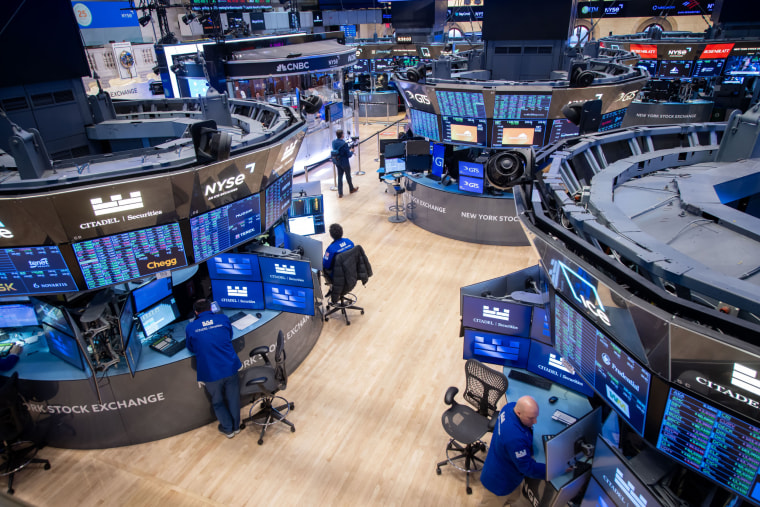
The NYSE’s operating hours are not in a vacuum; they are part of a continuous, 24-hour global financial market cycle. As the NYSE closes, markets in Asia (like Tokyo or Hong Kong) are typically already active or preparing to open, and European markets (like London or Frankfurt) might be in their afternoon session. This interconnectedness means that events occurring during the NYSE’s closed hours can still ripple through other global markets and influence how the NYSE opens the next day.
For example, a major economic announcement from China during NYSE off-hours could cause a reaction in Asian markets, which then influences European markets, ultimately setting the tone for the NYSE’s opening. This global interplay emphasizes that while the NYSE has specific operating hours, the forces affecting investment values are always at play somewhere in the world. Investors with diversified international portfolios must consider these overlapping schedules and their potential impact on their overall holdings.
Navigating After-Hours and Pre-Market Trading
The concept of market closure isn’t as absolute as it once was. With advancements in technology and the advent of electronic trading, opportunities to trade outside the regular 9:30 AM to 4:00 PM ET window have become increasingly common. These extended sessions, known as pre-market and after-hours trading, offer both unique opportunities and heightened risks.
What is Pre-Market and After-Hours Trading?
Pre-market trading refers to the period before the NYSE’s official opening bell, typically running from 4:00 AM ET to 9:30 AM ET.
After-hours trading refers to the period after the NYSE’s official closing bell, usually from 4:00 PM ET to 8:00 PM ET.
These extended sessions exist primarily to allow institutional investors and, increasingly, retail investors to react quickly to news that breaks outside of regular market hours. For instance, many companies release their quarterly earnings reports after the market closes or before it opens, and these sessions provide an immediate avenue for investors to buy or sell based on this new information. Trading during these times occurs on Electronic Communication Networks (ECNs), which are automated systems that match buyers and sellers, rather than through the traditional floor-based auction system of the NYSE.
Risks and Opportunities in Extended Sessions
Trading in pre-market and after-hours sessions comes with a distinct set of characteristics that differentiate it from regular-hour trading:
- Lower Liquidity and Wider Spreads: Fewer participants mean less trading volume, which often leads to lower liquidity. This can result in wider bid-ask spreads, making it more expensive to enter or exit positions. A small trade can have a disproportionately large impact on price.
- Higher Volatility: The thinner trading environment means prices can move more dramatically and unpredictably in response to news. This presents opportunities for significant gains but also carries the risk of substantial losses.
- Price Discrepancies: The price of a stock in extended hours may differ significantly from its closing price during the regular session, and it may also differ from its opening price the next day.
- Limited Order Types: Many brokers restrict the types of orders that can be placed during extended sessions, often allowing only limit orders to protect investors from unexpected price swings.
Despite these risks, opportunities exist. Investors can react swiftly to breaking news, potentially getting ahead of the curve. For example, a positive earnings surprise announced after hours might allow an investor to buy shares before the regular market opens and the price potentially surges. Conversely, negative news might prompt an early exit to mitigate losses. These sessions are crucial for institutional traders who manage large portfolios and need to adjust positions based on real-time global events.
Accessibility for Retail Investors
In the past, pre-market and after-hours trading were primarily the domain of institutional investors. However, with the rise of online brokerage platforms, access for retail investors has significantly expanded. Most major online brokers now offer their clients the ability to trade during these extended sessions.
However, it’s important for retail investors to understand the limitations and precautions. Brokers often require specific permissions or settings to enable extended-hours trading and may impose stricter rules, such as mandatory limit orders. It is paramount for retail investors to be fully educated on the risks involved and to use these sessions judiciously, perhaps for highly targeted trades based on confirmed news rather than speculative endeavors. Checking with your specific broker for their policies and capabilities regarding pre-market and after-hours trading is always advisable.
The Broader Impact of Market Schedules on Financial Planning and Business
The fixed operating hours and holiday closures of the NYSE extend their influence beyond daily trading, touching various aspects of personal financial planning, corporate finance, and even investor psychology.
Investment Planning Around Market Cycles
For individuals and financial advisors, the market schedule influences several key aspects of investment planning:
- Settlement Times: Stock trades typically settle (i.e., the transfer of ownership and funds is completed) two business days after the trade date (T+2). Market closures, whether daily or for holidays, directly impact this settlement period. If you sell shares on a Friday, the funds might not be fully available until Tuesday, or even Wednesday if there’s a Monday holiday. This is crucial for planning cash availability for other investments or expenses.
- Dividend and Ex-Dividend Dates: Understanding market holidays is essential for dividend investors. Companies announce ex-dividend dates, which determine who is eligible to receive the upcoming dividend payment. If the market is closed around these dates, it can affect the timing of when you need to own the stock to qualify for a dividend.
- Rebalancing Strategies: Investors who periodically rebalance their portfolios need to account for market closures. Executing trades during high-liquidity regular hours is often preferable, and closures might necessitate postponing rebalancing until the market reopens to ensure optimal execution prices.
Business Finance Implications
For publicly traded companies, the NYSE schedule has direct implications for their financial operations and public relations:
- Financial Reporting: Companies strategically time the release of their quarterly and annual financial results (earnings reports) to coincide with market closures. This allows investors and analysts time to digest complex information without the immediate pressure of an open market, theoretically leading to a more rational initial reaction once trading resumes.
- Mergers & Acquisitions (M&A): Major M&A announcements are frequently made outside market hours to manage their immediate impact on stock prices.
- Initial Public Offerings (IPOs): The timing of an IPO is carefully planned around market conditions and existing schedules. Market holidays can delay the launch or listing of new companies.
- Corporate Actions: Stock splits, share buybacks, and other corporate actions must also be timed with market operations in mind, considering their effect on trading dynamics.
The Psychological Aspect of Market Open and Close
Beyond the technicalities, the market’s schedule has a profound psychological impact on investors. The daily close provides a definitive endpoint, offering a period of reprieve from constant price fluctuations. It allows investors to step back, process information, and plan their next moves without the immediate pressure of a live ticker. Conversely, the opening bell often brings a renewed sense of anticipation, excitement, and sometimes anxiety as the market “digests” overnight news. For many, the closure offers a mental break, preventing burnout from continuous monitoring, while the re-opening symbolizes new opportunities and challenges.
Tools and Resources for Tracking Market Hours
Given the importance of knowing when the market closes, numerous tools and resources are available to help investors stay informed:
- Brokerage Platforms: Most online brokerage platforms prominently display current market status (open/closed) and often provide a calendar of upcoming holidays and early closures.
- Financial News Websites: Reputable financial news outlets (e.g., The Wall Street Journal, Bloomberg, Reuters, CNBC) always publish and update NYSE holiday schedules.
- Official NYSE Website: The most authoritative source for market hours and holiday schedules is the official website of the New York Stock Exchange.
- Financial Apps: Many investing and financial planning apps include features that track market hours and send notifications for openings and closings.
By utilizing these resources, investors can ensure they are always aware of the NYSE’s operating schedule, enabling them to make informed decisions and manage their financial activities effectively. Understanding “when the New York Stock Exchange closes today” is not just about a specific time; it’s about comprehending the rhythm of the financial world and how that rhythm impacts every aspect of investing and financial planning.
aViewFromTheCave is a participant in the Amazon Services LLC Associates Program, an affiliate advertising program designed to provide a means for sites to earn advertising fees by advertising and linking to Amazon.com. Amazon, the Amazon logo, AmazonSupply, and the AmazonSupply logo are trademarks of Amazon.com, Inc. or its affiliates. As an Amazon Associate we earn affiliate commissions from qualifying purchases.