
For investors, analysts, and financial enthusiasts, few events on the Wall Street calendar carry as much weight as the quarterly earnings release from Microsoft Corporation (MSFT). As one of the world’s largest companies by market capitalization, Microsoft serves as a primary barometer for the health of the global enterprise software sector, the cloud computing industry, and the burgeoning artificial intelligence (AI) market. Understanding when Microsoft reports earnings—and, more importantly, how to interpret those reports—is a fundamental skill for anyone looking to navigate the modern financial landscape.
The Cadence of the Microsoft Financial Calendar
Unlike many companies that follow a standard calendar year, Microsoft operates on a fiscal year that begins on July 1st and ends on June 30th. This distinction is crucial for investors to understand, as it affects how the company labels its quarterly reports.

Understanding the Fiscal Quarters
Because of its unique fiscal calendar, Microsoft’s reporting periods are shifted compared to many of its peers.
- Fiscal Q1: Ends September 30 (Reported in late October).
- Fiscal Q2: Ends December 31 (Reported in late January).
- Fiscal Q3: Ends March 31 (Reported in late April).
- Fiscal Q4 (Year-End): Ends June 30 (Reported in late July).
Knowing this cycle allows investors to prepare for volatility well in advance. Typically, Microsoft schedules its earnings calls on Tuesdays or Wednesdays after the market closes. By keeping an eye on the Investor Relations website approximately two to three weeks before the end of these months, investors can find the exact date and time for the upcoming announcement.
Why Timing Matters for Market Liquidity
The announcement of MSFT earnings often triggers significant movement not just in its own share price, but across the Nasdaq and S&P 500. Due to its massive weighting in major indices, Microsoft’s financial performance can dictate the “market mood.” When the company reports, trading volume typically spikes. For short-term traders, this represents an opportunity for volatility plays; for long-term investors, the period surrounding the earnings date is a time to reassess the company’s valuation relative to its growth trajectory.
Deconstructing the Earnings Report: Key Metrics to Watch
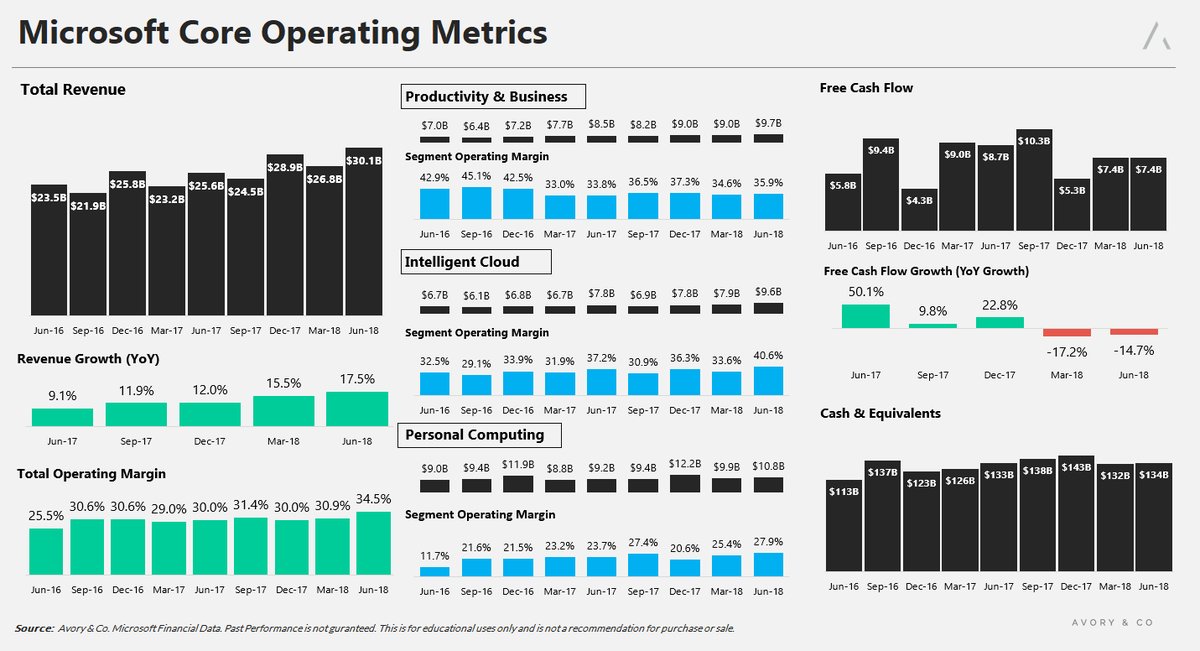
When the earnings press release finally hits the wires, the headline numbers—Earnings Per Share (EPS) and Total Revenue—are only the tip of the iceberg. To truly understand the “Money” aspect of Microsoft, one must look deeper into the specific business segments that drive its cash flow.
The Power of the Intelligent Cloud (Azure)
In the current economic climate, the “Intelligent Cloud” segment is the most scrutinized portion of Microsoft’s balance sheet. This segment includes Azure, server products, and enterprise services. Analysts look specifically at “Azure and other cloud services” revenue growth. Because cloud computing is a high-margin business, a slight acceleration or deceleration in Azure’s growth rate can lead to billions of dollars in market cap fluctuations within minutes of the report’s release. Investors use these figures to gauge Microsoft’s competitive standing against Amazon Web Services (AWS) and Google Cloud.
Productivity and Business Processes
This segment houses the Office 365 suite, LinkedIn, and Dynamics. For the value-oriented investor, this is the “bread and butter” of the company. It represents stable, recurring subscription revenue. During earnings calls, savvy investors look for the “Average Revenue Per User” (ARPU) and the growth in commercial seats. In a high-inflation or recessionary environment, the resilience of these “must-have” business tools provides a safety net for the company’s overall valuation.
More Personal Computing and Gaming
While often seen as secondary to the cloud, the “More Personal Computing” segment—which includes Windows OEM, Xbox, and Surface—offers insight into consumer spending habits. Following the landmark acquisition of Activision Blizzard, the gaming sub-segment has become a significant focal point. Investors monitor these numbers to see if the massive capital expenditure (CapEx) required for the acquisition is beginning to yield a return on investment through Game Pass subscriptions and software sales.
The Role of Guidance and Forward-Looking Statements
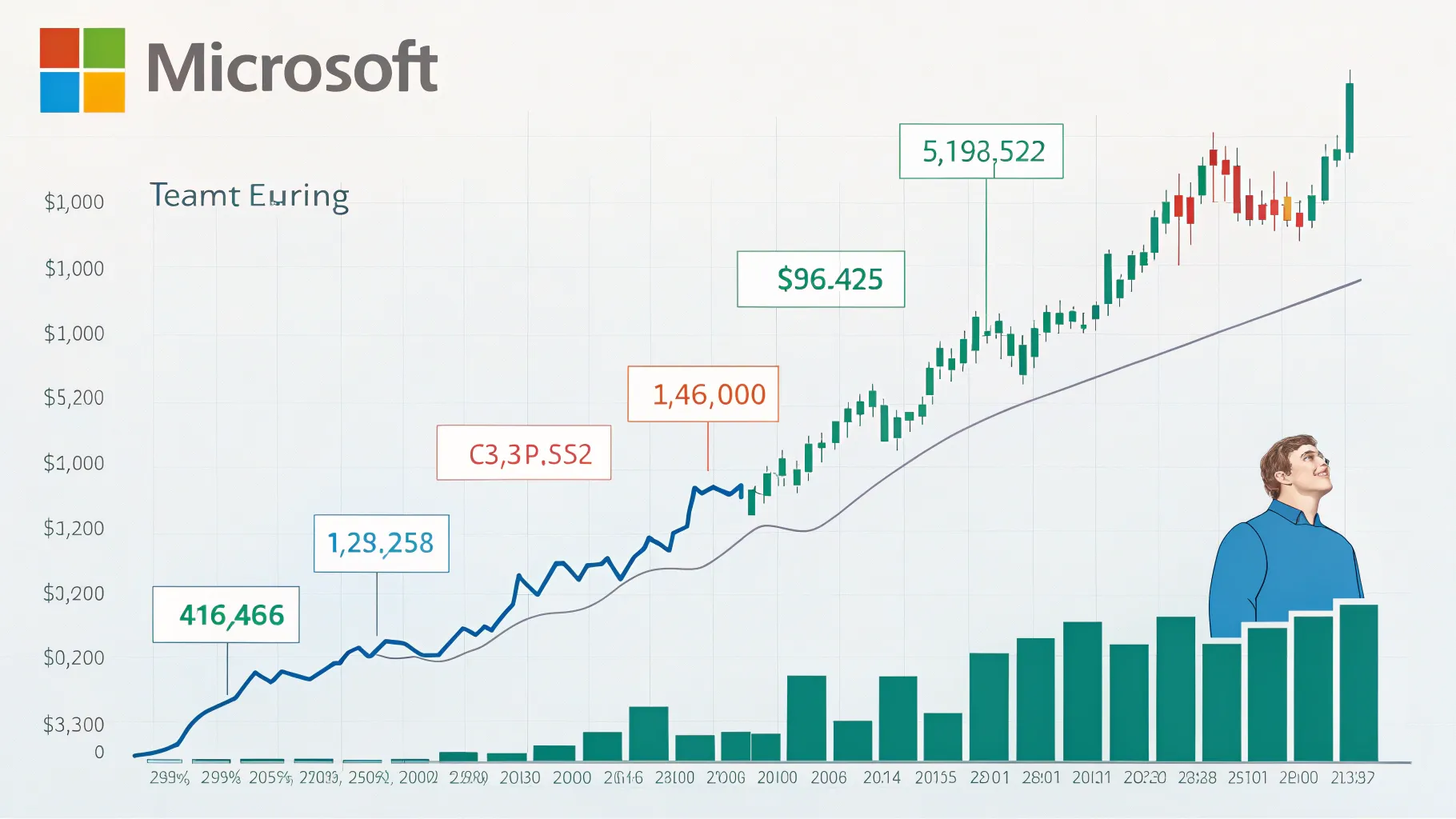
In the world of investing, the past is already priced in. What moves the stock price after an earnings report is often not what happened in the previous three months, but what the leadership team expects to happen in the next three.
The “Guidance” Call
Following the release of the written report, Microsoft executives—usually CEO Satya Nadella and CFO Amy Hood—host a live conference call. This is where “the money is made” for analysts. The CFO provides specific revenue and margin guidance for the upcoming quarter. If Microsoft beats expectations for the past quarter but provides a “soft” or cautious outlook for the next, the stock price may drop despite the previous success.
Capital Expenditure and the AI Revolution
Currently, one of the most critical forward-looking metrics for Microsoft is Capital Expenditure (CapEx). As the company invests tens of billions of dollars into data centers and hardware to support Artificial Intelligence, investors are watching to see if this spending is sustainable. High CapEx can temporarily depress free cash flow, but it is necessary for long-term dominance in the AI space. Investors must weigh the short-term cost against the potential for long-term exponential revenue growth from AI-integrated products like Copilot.
Strategic Investing Around Earnings Dates
For those managing their own portfolios, the period around a Microsoft earnings report requires a clear strategy. Relying on luck or “gambling” on a beat or miss is rarely a sustainable financial plan.
The “Whisper Number” and Market Expectations
Wall Street analysts provide “consensus estimates” for EPS and revenue. However, there is often a “whisper number”—the unofficial expectation held by traders. If the consensus is $2.50 per share, but the “whisper” is $2.60, a report of $2.55 might actually cause the stock to fall because it failed to meet the higher, unofficial expectation. Understanding this dynamic helps investors avoid the confusion of a “beat and drop” scenario.
Long-Term Positioning vs. Short-Term Hedging
For long-term investors, earnings reports are a time to verify the “investment thesis.” If the original reason for buying the stock (e.g., Azure dominance) remains intact, the quarterly noise is secondary. However, some investors use options—such as protective puts or covered calls—to hedge their positions against potential downside volatility during the earnings week. This brand of financial management ensures that a single “bad” quarter doesn’t derail an entire retirement or investment strategy.
Identifying Entry Points
Historically, Microsoft has shown a tendency to provide conservative guidance that it can later beat. Savvy investors often look for “dips” following a report. If the company’s fundamentals remain strong but the market overreacts to a specific metric (like a slight miss in a minor segment), it can create a “buying opportunity” for those with a long-term horizon.
Tools and Resources for Tracking MSFT Financials
To stay ahead of the curve, investors should utilize a suite of professional tools to monitor Microsoft’s financial health leading up to and during the earnings release.
Official IR Portals and SEC Filings
The primary source of truth is the Microsoft Investor Relations website. Here, you can find the “Earnings Press Release,” the “Financial Statements” (10-Q or 10-K), and the “Earnings Call Slides.” Reading the 10-Q filing is essential for identifying risks that management might not emphasize during the upbeat conference call.
Financial News and Analytical Platforms
Platforms like Bloomberg, Reuters, and CNBC provide real-time updates as the numbers break. For a more data-driven approach, tools like Seeking Alpha or Morningstar offer deep-dive breakdowns of the balance sheet. Using these resources allows an investor to see how professional analysts are adjusting their “Price Targets” in real-time.
The Significance of the “Earnings Call Transcript”
For those who cannot listen to the live call, reading the transcript is a powerful way to gauge management’s confidence. Investors should look for specific keywords and the tone of the Q&A session with analysts. Are the executives dodging questions about margins? Are they overly enthusiastic about new revenue streams? These qualitative cues often provide the context that raw numbers cannot.
In conclusion, knowing “when” Microsoft reports earnings is only the first step. For the serious investor, the earnings cycle is a recurring opportunity to perform a comprehensive audit of one of the world’s most influential financial engines. By focusing on the fiscal calendar, dissecting segment growth, and carefully listening to forward-looking guidance, you can transform a simple date on a calendar into a strategic advantage for your financial future.
aViewFromTheCave is a participant in the Amazon Services LLC Associates Program, an affiliate advertising program designed to provide a means for sites to earn advertising fees by advertising and linking to Amazon.com. Amazon, the Amazon logo, AmazonSupply, and the AmazonSupply logo are trademarks of Amazon.com, Inc. or its affiliates. As an Amazon Associate we earn affiliate commissions from qualifying purchases.