
In the world of global finance, few events command as much attention as the quarterly earnings release of Microsoft Corporation (MSFT). As one of the largest companies in the world by market capitalization, Microsoft serves as a bellwether for the broader technology sector and the health of corporate spending worldwide. For investors, traders, and financial analysts, knowing exactly when Microsoft reports its earnings is not just a matter of curiosity—it is a fundamental requirement for risk management and strategic positioning.
Understanding the timing and the content of these reports allows market participants to gauge the trajectory of cloud computing, artificial intelligence adoption, and enterprise software demand. This guide explores the intricacies of Microsoft’s fiscal calendar, the key metrics that define its financial health, and how investors can prepare for the volatility that typically accompanies these announcements.

Understanding Microsoft’s Fiscal Calendar and Reporting Cycle
To accurately predict when Microsoft will report its earnings, one must first understand that the company does not follow a standard January-to-December calendar year for its financial reporting. Instead, Microsoft operates on a fiscal year that begins on July 1 and ends on June 30 of the following year. This distinction is crucial for investors trying to align their expectations with the company’s internal milestones.
The Difference Between the Calendar Year and Fiscal Year
Because Microsoft’s fiscal year ends in June, its “First Quarter” (Q1) results are typically released in late October. The Second Quarter (Q2), which includes the crucial holiday shopping season for its Xbox and Surface lines, is reported in late January. The Third Quarter (Q3) results usually arrive in late April, and the Fourth Quarter (Q4) and full-fiscal-year results are announced in late July. This offset cycle means that when most of the world is preparing for the end of the calendar year in December, Microsoft is actually reaching the midpoint of its fiscal journey.
Quarterly Reporting Patterns
While the specific date changes every year based on the day of the week, Microsoft has established a very consistent pattern. Historically, the company reports its earnings on a Tuesday or Wednesday toward the end of the month following the close of a quarter. For example, if the quarter ends on March 31, investors can generally expect the earnings call to take place during the last full week of April. These announcements are almost always scheduled for after the closing bell of the Nasdaq stock exchange, usually around 1:00 PM PT / 4:00 PM ET.
The Significance of the “Quiet Period”
In the weeks leading up to the official earnings date, Microsoft enters what is known as a “quiet period.” During this time, company executives and authorized spokespeople refrain from discussing the company’s financial performance or future outlook with analysts and investors. This is a regulatory safeguard designed to prevent the selective disclosure of market-moving information. For the savvy investor, the onset of the quiet period is a signal to begin final research and finalize any defensive or speculative positions.
Key Metrics to Watch in a Microsoft Earnings Call
Knowing when the report arrives is only half the battle; understanding what to look for within the dozens of pages of financial data is where the real value lies. Microsoft’s business is vast, but it is categorized into three primary segments that investors analyze to determine the company’s valuation.
Revenue Growth and Earnings Per Share (EPS)
The “headline” numbers that move the stock price immediately upon release are Revenue and Earnings Per Share (EPS). Revenue indicates the total amount of money brought in during the quarter, while EPS shows how much profit is allocated to each outstanding share of common stock. Investors compare these figures against “consensus estimates”—the average predictions of Wall Street analysts. A “beat” (coming in higher than expected) often sends the stock up, while a “miss” (coming in lower) can lead to a sharp sell-off, even if the company grew year-over-year.
Intelligent Cloud and Azure Performance
In the modern era of Microsoft, the “Intelligent Cloud” segment is the crown jewel. This division includes server products and cloud services like Azure. For most investors, the growth rate of Azure is the single most important number in the entire report. Because cloud computing is a high-margin, recurring-revenue business, any deceleration in Azure’s growth can be interpreted as a sign of a cooling economy or increased competition from rivals like Amazon Web Services (AWS) and Google Cloud.
Productivity and Business Processes
This segment includes the Office 365 suite, LinkedIn, and Dynamics 365. It represents the “sticky” nature of Microsoft’s ecosystem. Investors look for growth in commercial seats and the successful transition of users to higher-priced subscription tiers (such as E5 licenses). This segment is often viewed as a defensive moat; even in a recession, businesses are unlikely to stop paying for the essential tools required to run their daily operations.
Why Timing Matters: Market Volatility and Investor Sentiment
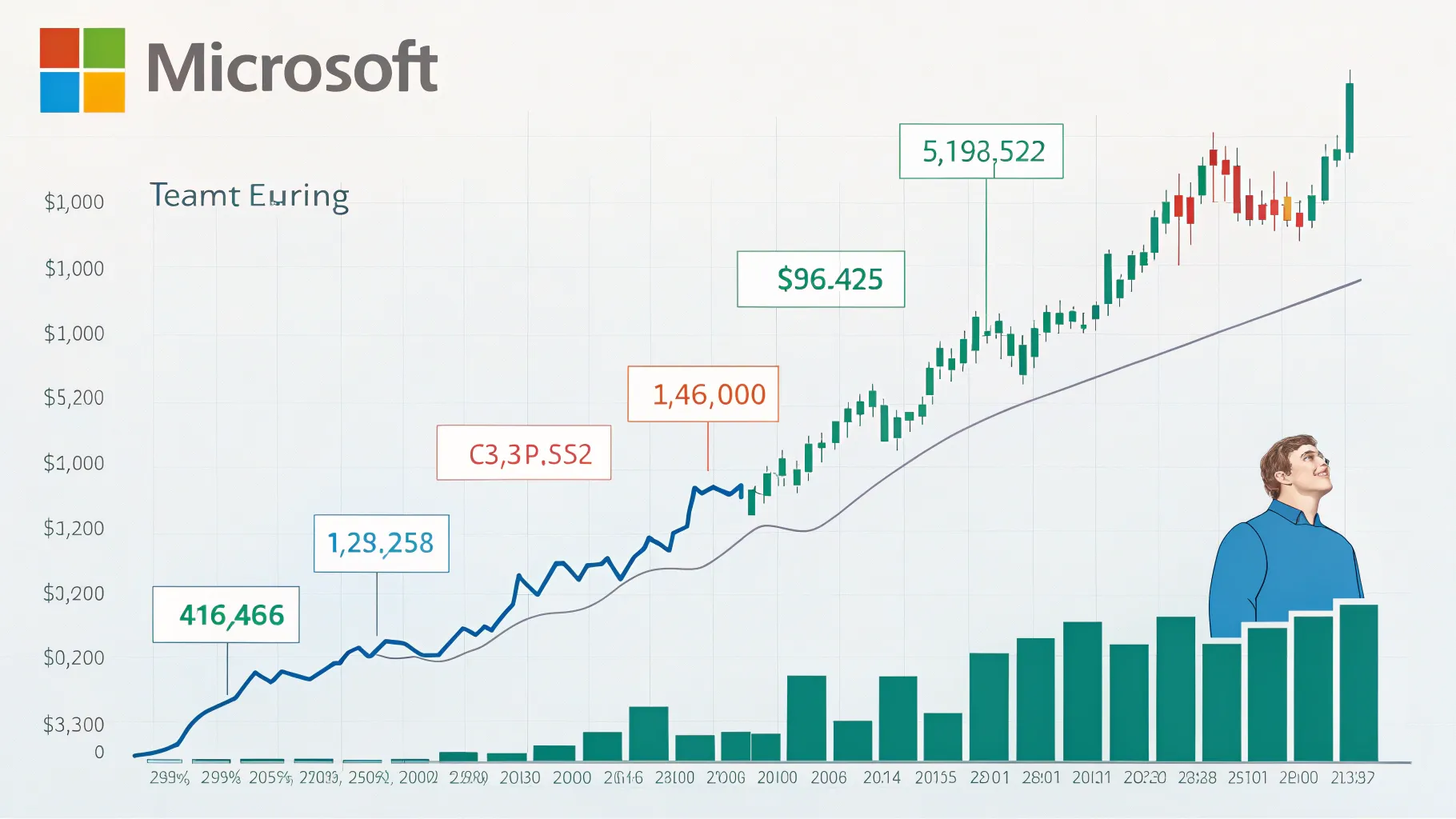
The release of Microsoft’s earnings is a high-volatility event. Because the company carries such a heavy weight in major indices like the S&P 500 and the Nasdaq 100, its performance can lift or drag down the entire market.
The “Post-Market” Tradition and After-Hours Trading
By reporting after the market closes, Microsoft allows investors to digest the complex data without the immediate pressure of standard trading hours. However, this leads to intense activity in “after-hours trading.” During this period, liquidity is lower, and price swings can be much more dramatic. It is not uncommon to see MSFT stock swing 3% to 5% in either direction within minutes of the press release hitting the wires.
How Earnings Dates Impact Stock Options
For those who trade options, the earnings date is the focal point of their strategy. “Implied Volatility” (IV) typically rises as the earnings date approaches, making options more expensive. Traders often use “straddles” or “strangles” to bet on a large move in either direction, or “covered calls” to generate income from the elevated premiums. Knowing the exact date is essential for selecting the correct expiration cycle for these contracts.
The Role of Forward Guidance
While the past quarter’s numbers are important, the market is forward-looking. The most critical part of the earnings event often occurs 30 to 45 minutes after the initial press release, during the conference call. This is when the Chief Financial Officer (CFO) provides “guidance”—the company’s internal projections for the coming quarter and year. If Microsoft beats on current earnings but lowers its future guidance, the stock may plummet despite the “beat.”
How to Find Official Earnings Dates and Financial Statements
Investors should never rely on rumors or unofficial social media posts regarding earnings dates. Because Microsoft is a transparent, publicly-traded entity, there are several reliable ways to confirm when they will report.
Utilizing Microsoft’s Investor Relations Portal
The most definitive source is the Microsoft Investor Relations (IR) website. Usually, two to three weeks before the report, Microsoft will issue a formal press release announcing the specific date and time of the upcoming earnings call. The IR site also hosts the “Earnings Press Release,” the “Financial Statements” (in Excel and PDF), and the link to the live webcast of the conference call.
Third-Party Financial Calendars and Tools
For investors managing a broad portfolio, tools like Bloomberg Terminal, Reuters, or retail platforms like Yahoo Finance and CNBC provide comprehensive earnings calendars. These tools are helpful for seeing how Microsoft’s reporting date aligns with its peers in the tech sector, such as Apple, Alphabet, or Meta. Comparing these dates is vital, as a “Big Tech earnings week” can create a compounding effect on market sentiment.
Strategic Positioning for Earnings Season
Approaching a Microsoft earnings date requires a disciplined financial philosophy. Whether you are a long-term “buy and hold” investor or a short-term swing trader, your strategy should be set well before the announcement.
Analyzing Guidance vs. Actual Results
A sophisticated investor looks for the delta between what the company promised in the previous quarter and what they actually delivered. This “execution” metric tells you how well management handles the business. Consistent execution builds “multiple expansion,” where investors are willing to pay more for every dollar of earnings because they trust the company’s leadership.

Long-Term Investing vs. Short-Term Speculation
For the long-term investor, a single earnings report is just one data point in a multi-year story. Sometimes, a temporary dip following an earnings report—often caused by a minor miss in a specific sub-sector—can provide a lucrative buying opportunity for those who believe in the company’s decade-long trajectory in AI and cloud infrastructure. Conversely, short-term speculators must be wary of “selling the news,” where a stock has already run up in anticipation of good results and falls even when those results are achieved.
In conclusion, the question of “when does Microsoft report earnings” is the starting point for a deep dive into the financial health of one of the world’s most influential corporations. By marking the fiscal calendar, focusing on high-impact metrics like Azure growth, and monitoring official IR channels, investors can navigate the earnings season with professional-grade insight and confidence.
aViewFromTheCave is a participant in the Amazon Services LLC Associates Program, an affiliate advertising program designed to provide a means for sites to earn advertising fees by advertising and linking to Amazon.com. Amazon, the Amazon logo, AmazonSupply, and the AmazonSupply logo are trademarks of Amazon.com, Inc. or its affiliates. As an Amazon Associate we earn affiliate commissions from qualifying purchases.