
For the modern investor, the question “When does the market close?” is more than a simple inquiry about a clock—it is a fundamental query about liquidity, volatility, and opportunity. While the digital age has made trading feel like a 24/7 endeavor, the traditional stock exchanges that anchor the global economy still operate within strictly defined windows. Understanding these windows, along with the nuances of pre-market and after-hours sessions, is essential for anyone looking to navigate the financial markets with precision and professionalism.
The timing of the market close dictates the finality of daily price discovery, the calculation of mutual fund values, and the execution of institutional “rebalancing” trades. In this guide, we will explore the operational hours of major global exchanges, the mechanics of extended trading, and why the final minutes of the trading day are often the most critical for your portfolio.
Understanding Standard Operating Hours of Major Global Exchanges
The global financial system follows the sun. As one market winds down, another typically prepares to open, creating a relay race of capital across the planet. However, for most individual investors, the primary focus remains on the “big three” regions: North America, Europe, and Asia.
The New York Stock Exchange (NYSE) and NASDAQ
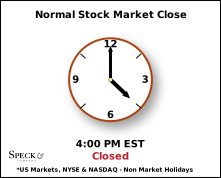
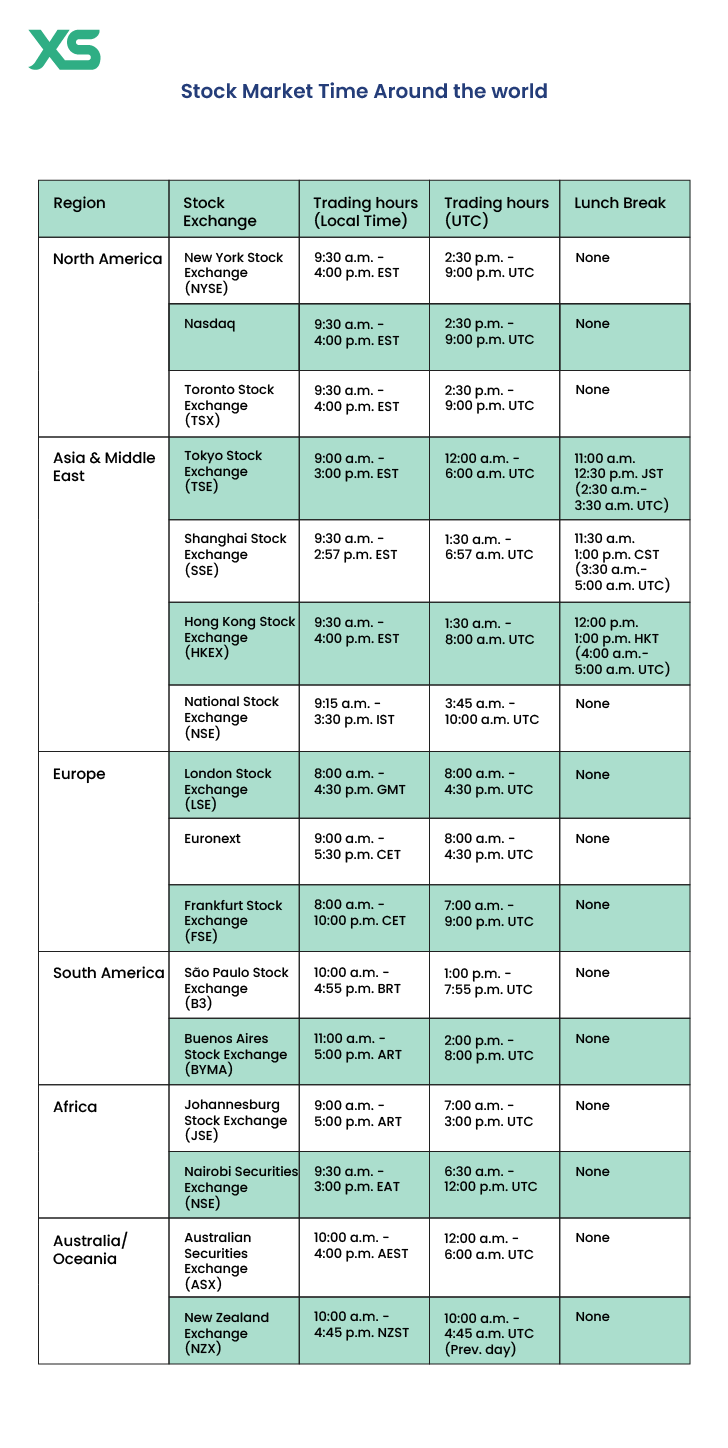
In the United States, the two primary exchanges—the NYSE and the NASDAQ—operate on identical schedules. The standard trading session runs from 9:30 AM to 4:00 PM Eastern Time (ET), Monday through Friday. Unlike some international markets, U.S. exchanges do not close for a lunch break. This continuous seven-and-a-half-hour window is where the vast majority of volume occurs, characterized by the highest liquidity and the narrowest bid-ask spreads.
Key European Markets: London, Frankfurt, and Paris
European markets generally offer longer trading sessions than their American counterparts. The London Stock Exchange (LSE), for example, opens at 8:00 AM and closes at 4:30 PM local time (GMT/BST). Because the European afternoon overlaps with the U.S. morning, the hours between 2:30 PM and 4:30 PM London time often see a significant spike in volatility as traders on both sides of the Atlantic react to the same economic data.
Asian Powerhouses: Tokyo, Hong Kong, and Shanghai
Trading in Asia is unique because many major exchanges still observe a formal lunch break. The Tokyo Stock Exchange (TSE) operates from 9:00 AM to 3:00 PM local time, but closes between 11:30 AM and 12:30 PM. Similarly, the Hong Kong Stock Exchange (HKEX) features a morning session and an afternoon session. For Western investors, these markets represent the “overnight” session, often setting the tone for the U.S. market open the following morning.
Beyond the Closing Bell: After-Hours and Pre-Market Trading
While the “closing bell” at 4:00 PM ET signals the end of standard trading in the U.S., it does not mean that all trading ceases. Through Electronic Communication Networks (ECNs), investors can continue to buy and sell securities during extended-hours sessions.
How Extended Hours Trading Works
Extended trading is divided into two segments: the pre-market session (typically 4:00 AM to 9:30 AM ET) and the after-hours session (4:00 PM to 8:00 PM ET). During these times, trades are matched electronically between buyers and sellers without the mediation of a traditional exchange floor or specialist. This period is particularly important during “earnings season,” as most public companies report their quarterly results either before the market opens or after it closes to avoid causing erratic price swings during the standard session.
The Risks and Rewards of Post-Market Participation
Trading after the market closes offers the advantage of being able to react immediately to breaking news, such as a CEO resignation or an unexpected profit report. However, it comes with significant risks:
- Lower Liquidity: With fewer participants, it can be harder to execute large trades without moving the price.
- Wider Spreads: The difference between the buy price and sell price often widens, increasing the cost of the trade.
- Extreme Volatility: Small trades can cause disproportionately large price movements.
Electronic Communication Networks (ECNs) Explained
ECNs are the digital platforms that facilitate extended trading. They bypass traditional middlemen by directly connecting major brokerages and individual traders. While ECNs have democratized access to the markets, they also require investors to use “limit orders” exclusively during extended hours to protect themselves from the price instability inherent in low-volume environments.
Market Holidays and Early Closures
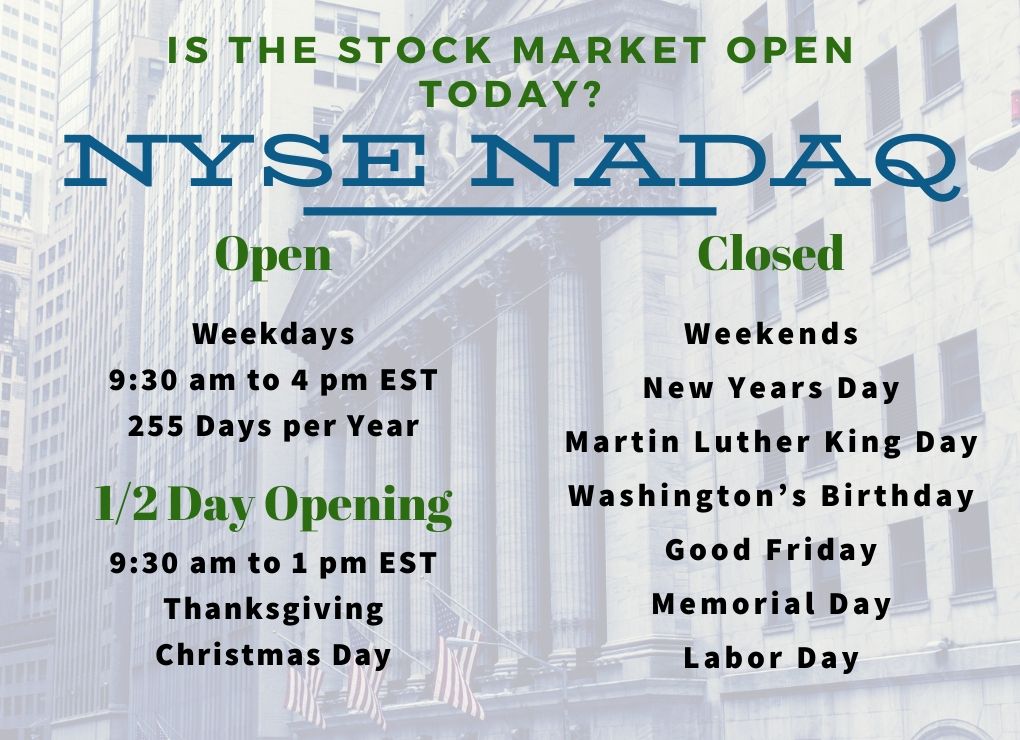
Knowing when the market closes also requires an awareness of the financial calendar. The market does not always follow the standard 4:00 PM ET rule, and it does not open every day of the week.
Statutory Holidays and the Trading Calendar
In the United States, the markets are closed for nine major holidays, including New Year’s Day, Martin Luther King Jr. Day, Presidents’ Day, Good Friday, Memorial Day, Juneteenth, Independence Day, Labor Day, Thanksgiving, and Christmas. If a holiday falls on a Saturday, the market usually closes on the preceding Friday; if it falls on a Sunday, the market closes on the following Monday.
Half-Day Sessions: What You Need to Know
There are specific days when the market observes an early close, typically at 1:00 PM ET. This usually occurs on the day after Thanksgiving (Black Friday) and sometimes on Christmas Eve or July 3rd, depending on how those dates fall in the week. Volume during these “half-days” is traditionally thin, but the shortened window can lead to late-day surges as traders rush to square their positions before a long weekend.
The “Window Dressing” Effect Near Market Close
As the end of a quarter or fiscal year approaches, institutional fund managers often engage in “window dressing.” They sell losing stocks and buy high-performing stocks just before the market closes for the period. This ensures that their holdings look more attractive to shareholders in the quarterly reports. Understanding these seasonal and calendar-based behaviors can help an investor anticipate price movements that aren’t necessarily based on company fundamentals.
Why the Closing Price Matters for Investors
The “closing price” is the most vital data point of the day. It serves as the official benchmark for valuing assets, calculating returns, and triggering automated financial contracts.
Mutual Fund Pricing and Net Asset Value (NAV)
Unlike stocks or ETFs, which trade in real-time, mutual funds only price once per day. This price, known as the Net Asset Value (NAV), is calculated based on the closing prices of all the securities held within the fund’s portfolio. Therefore, any order placed to buy or sell a mutual fund after the market closes will not be processed until the following business day at that day’s new closing price.
Technical Analysis and the Significance of the “Close”
For technical analysts, the closing price is the ultimate “truth.” Many charting patterns, such as “head and shoulders” or “moving average crossovers,” rely on closing data to confirm a trend. A stock might spike to an all-time high at noon, but if it fails to “close” at that level, the breakout is often considered a “bull trap” or a false signal. Professional traders wait for the 4:00 PM ET print to confirm that a price level has been sustained.
Settlement Cycles and Regulatory Compliance
The time at which the market closes also dictates the “settlement” of trades. In most modern markets, the settlement cycle is “T+1” (Trade date plus one business day). The 4:00 PM close marks the boundary of the trade date. If you sell a stock at 3:59 PM on Monday, the cash is legally yours by Tuesday. If you sell it at 4:01 PM in the after-hours session, it is technically a Tuesday trade, and the funds won’t settle until Wednesday.
Strategic Considerations for Different Trading Styles
Knowing when the market closes allows you to tailor your strategy to the specific liquidity conditions of the day. The “Opening Cross” and the “Closing Auction” are the two most liquid moments of the day, and they require different approaches.
Day Trading vs. Swing Trading Timing
Day traders usually seek to close all positions before 4:00 PM ET to avoid “overnight risk”—the danger that bad news will break while the market is closed, causing the stock to gap down the next morning. Swing traders, conversely, may look for opportunities in the final 15 minutes of the day. They use the closing price as an entry point, betting that the momentum leading into the close will continue into the next day’s open.
Passive Investing and Rebalancing During Market Hours
For the long-term, passive investor, the exact minute of the close is less important than the general trend. However, when rebalancing a portfolio—selling winners to buy laggards—it is often best to execute trades mid-day (between 11:00 AM and 2:00 PM ET). During this time, the “noon-day lull” often sees lower volatility than the frantic activity found during the market open and close, allowing for more predictable execution.
Utilizing Financial Tools to Track Global Market Status
In a globalized economy, an investor in California might be trading the London open at 1:00 AM or the Tokyo close at 11:00 PM. Utilizing financial tools like real-time market clocks, economic calendars, and brokerage alerts is essential. Many professional platforms offer “Market On Close” (MOC) orders, which allow you to specify that you want your trade executed as close to the final price as possible, ensuring you benefit from the high liquidity of the closing auction without having to manually time the trade to the second.
In conclusion, the close of the market is not just an end to the day’s work; it is a critical pivot point for the global economy. Whether you are a long-term investor concerned with NAV or a trader navigating the volatility of the after-hours session, understanding the “when” and “why” of market hours is a cornerstone of financial literacy. By respecting these boundaries and the mechanics behind them, you can better protect your capital and capitalize on the unique opportunities that arise when the bell rings.
aViewFromTheCave is a participant in the Amazon Services LLC Associates Program, an affiliate advertising program designed to provide a means for sites to earn advertising fees by advertising and linking to Amazon.com. Amazon, the Amazon logo, AmazonSupply, and the AmazonSupply logo are trademarks of Amazon.com, Inc. or its affiliates. As an Amazon Associate we earn affiliate commissions from qualifying purchases.