
In the fast-paced world of finance, timing is often as critical as the assets you choose to trade. For the modern investor, knowing exactly when the “closing bell” rings is not just a matter of checking a clock; it is about understanding the mechanics of global liquidity, the nuances of different exchange schedules, and the strategic windows that open and close throughout the day. Whether you are a seasoned day trader or a long-term retail investor, the question “When does the market close today?” serves as the starting point for navigating the complexities of the financial landscape.
Understanding Standard Operating Hours of Major Global Exchanges
To answer the question of when the market closes, one must first identify which market they are referring to. While the digital age allows for 24/7 information flow, traditional stock exchanges still operate within strictly defined windows to ensure concentrated liquidity and orderly price discovery.
The New York Stock Exchange and NASDAQ
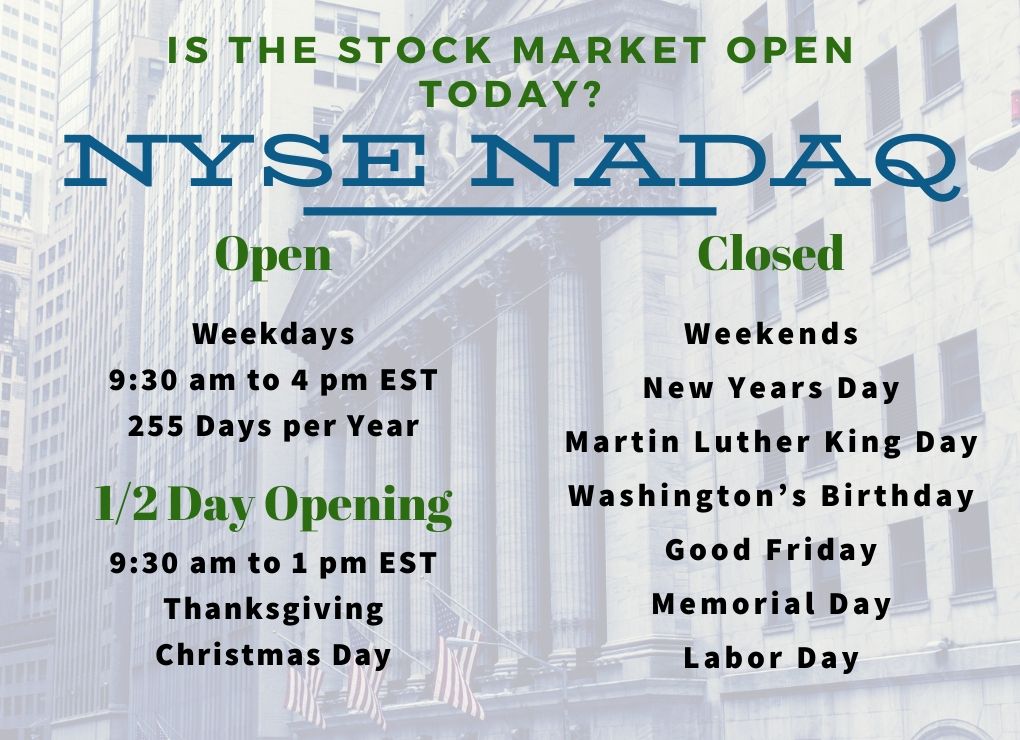
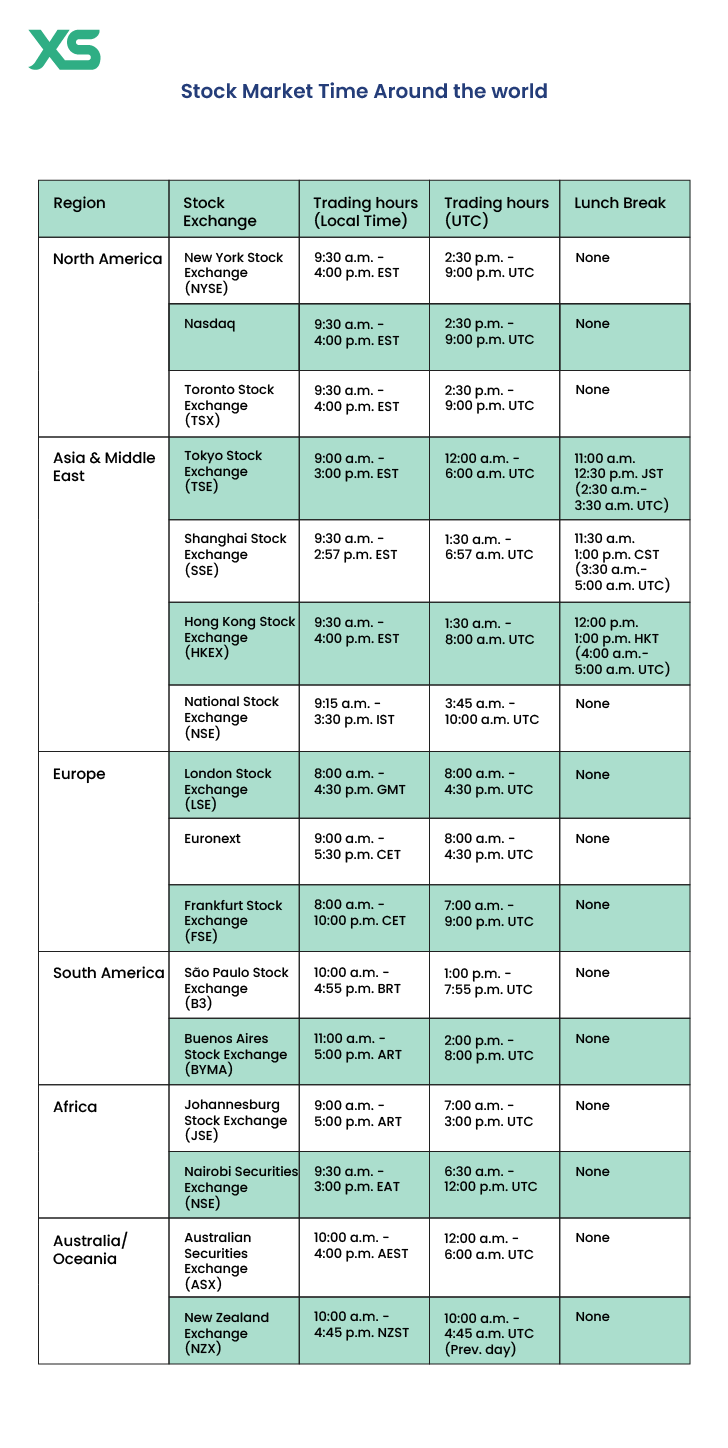
For most investors in the West, “the market” refers to the two largest exchanges in the world: the New York Stock Exchange (NYSE) and the NASDAQ. Both of these institutions follow a synchronized schedule. They open at 9:30 AM Eastern Time (ET) and close at 4:00 PM ET. These hours are standard from Monday through Friday, excluding specific market holidays.
The 4:00 PM closing time is a pivotal moment in the financial world. It marks the “Closing Cross” on the NASDAQ and the “Closing Auction” on the NYSE. During these final seconds, massive volumes of shares change hands as the exchange determines the official closing price for every listed security. This price is used as the benchmark for mutual fund valuations, index calculations, and historical data.
International Markets and Time Zone Synchronization
If you are trading international equities or ADRs (American Depositary Receipts), the closing time depends heavily on the geographic location of the primary exchange. Global finance operates in a relay-race fashion, where as one market closes, another is often preparing to open.
- London Stock Exchange (LSE): Generally closes at 4:30 PM Greenwich Mean Time (GMT).
- Tokyo Stock Exchange (TSE): Closes at 3:00 PM Japan Standard Time (JST), with a midday break for lunch—a practice rarely seen in Western markets.
- Hong Kong Stock Exchange (HKEX): Closes at 4:00 PM Hong Kong Time (HKT).
For a U.S.-based investor trading European stocks, the “close” happens much earlier in the morning (typically around 11:30 AM ET). Understanding these overlaps is essential for managing a global portfolio and avoiding the “liquidity traps” that occur when you try to trade an asset whose primary exchange is closed.
Extended Trading Hours: Pre-Market and After-Hours Sessions
While the traditional closing bell rings at 4:00 PM ET, the digital nature of modern finance means that trading does not actually stop. Through Electronic Communication Networks (ECNs), investors can participate in extended hours trading, which significantly stretches the definition of when the market “closes.”
How Extended Trading Works
Extended-hours trading is split into two main sessions: Pre-Market and After-Hours. The Pre-Market session typically runs from 4:00 AM to 9:30 AM ET, while the After-Hours session begins immediately after the closing bell at 4:00 PM and runs until 8:00 PM ET.
These sessions are particularly important during earnings season. Most major corporations release their quarterly financial results either before the market opens or after it closes to avoid causing extreme volatility during standard trading hours. Consequently, the most significant price movements for a stock often happen in the After-Hours session, long after the physical floor of the NYSE has emptied.
Risks and Rewards of Trading Outside Standard Hours
Trading after the official market close offers the advantage of reacting to news immediately. However, it comes with distinct risks that every investor must weigh:
- Lower Liquidity: Far fewer participants trade during extended hours. This means it can be harder to buy or sell large positions without significantly impacting the price.
- Wide Bid-Ask Spreads: Because there is less volume, the difference between the price a buyer is willing to pay and the price a seller is willing to accept is often much wider, leading to higher transaction costs.
- Increased Volatility: News events have an outsized impact on prices in a thin market. A stock might swing 10% in the After-Hours session on low volume, only to see that move partially reverse when the standard market opens the next morning with higher liquidity.
Holiday Schedules and Special Closing Windows
The answer to “when does the market close today” is frequently “it doesn’t open at all” or “it closes early,” depending on the calendar. The U.S. stock markets observe several federal holidays where trading is completely suspended.
U.S. Federal Holidays and Market Closures
There are nine primary holidays when the NYSE and NASDAQ are closed for the entire day:
- New Year’s Day
- Martin Luther King, Jr. Day
- Presidents’ Day
- Good Friday
- Memorial Day
- Juneteenth National Independence Day
- Independence Day
- Labor Day
- Thanksgiving Day
- Christmas Day
If a holiday falls on a Saturday, the market is usually closed on the preceding Friday. If it falls on a Sunday, the market is closed on the following Monday. Being aware of these dates is vital for managing margin requirements and ensuring you aren’t caught in a position you cannot exit during a long weekend.
Early Closing Days
In addition to full closures, there are specific days when the market closes early—typically at 1:00 PM ET. These usually occur on the day after Thanksgiving (Black Friday) and sometimes on Christmas Eve or July 3rd, depending on how those dates fall in the week. During these shortened sessions, trading volume is often light, and the “Closing Cross” occurs three hours earlier than usual.
The Strategy and Psychology of the Closing Bell
The final hour of the trading day, often referred to as the “Power Hour” (3:00 PM to 4:00 PM ET), is one of the most significant periods for price action. Understanding why the market behaves the way it does as the close approaches can help investors make better execution decisions.
Market Volatility in the Final Hour
The last hour of trading often sees a surge in volume and volatility. This is driven by institutional investors—such as mutual funds and pension funds—who need to rebalance their portfolios or fulfill large orders before the day ends. Day traders also look to close out their intraday positions to avoid the “overnight risk” of holding stocks while the market is closed and news could break.
This concentration of activity creates a “liquidity event.” For retail investors, this can be an ideal time to execute trades because the high volume ensures that the bid-ask spreads are at their narrowest. However, the rapid price movements require a disciplined approach and the use of limit orders to prevent being caught by a sudden spike or dip.
Executing “Market on Close” (MOC) Orders
Many sophisticated investors use specific order types designed for the closing bell. A “Market on Close” (MOC) order is an instruction to execute a trade as near to the closing price as possible. These orders are collected throughout the day and executed in a single batch at 4:00 PM.
MOC orders are essential for passive index funds that aim to track the performance of a specific benchmark. Since the benchmark is calculated using closing prices, the fund must trade at those exact prices to minimize “tracking error.” For the individual investor, understanding the MOC process helps explain why certain stocks experience massive volume spikes in the literal last second of the trading day.
Tools and Resources for Tracking Real-Time Market Status
In a global economy, keeping track of every exchange’s closing time can be overwhelming. Fortunately, several tools can help you stay synchronized with the market’s heartbeat.
Financial Calendars and Brokerage Apps
Most reputable brokerages provide a built-in economic and market calendar. These tools not only list the standard hours but also highlight upcoming holidays and early closures. Apps like Bloomberg, CNBC, and Yahoo Finance offer real-time countdowns to the opening and closing bells of various global markets.
Setting Alerts for Market Events
For those who trade in extended hours or across multiple time zones, setting automated alerts is a best practice. You can configure most trading platforms to send a push notification 15 minutes before the market close. This serves as a vital reminder to review open orders, check margin balances, or decide whether to hold a position overnight.
Furthermore, following the “Economic Calendar” is crucial. While the stock market might be open, the bond market or the commodities market may have different closing times or holiday schedules (such as Columbus Day or Veterans Day, when banks and bond markets close but the stock market remains open).
Conclusion: The Strategic Value of the Clock
Knowing when the market closes today is the first step in professionalizing your approach to personal finance and investing. The closing bell is more than just a signal that the workday is over; it is a structural boundary that defines liquidity, determines valuation, and dictates strategy. By mastering the schedules of major exchanges, understanding the risks of extended-hours trading, and respecting the volatility of the Power Hour, you position yourself to trade with intention rather than reacting to the clock. In the world of money, those who respect the time usually find that time works in their favor.
aViewFromTheCave is a participant in the Amazon Services LLC Associates Program, an affiliate advertising program designed to provide a means for sites to earn advertising fees by advertising and linking to Amazon.com. Amazon, the Amazon logo, AmazonSupply, and the AmazonSupply logo are trademarks of Amazon.com, Inc. or its affiliates. As an Amazon Associate we earn affiliate commissions from qualifying purchases.