
For seasoned investors and curious newcomers alike, understanding the intricate dance of financial markets is paramount. Among the most influential instruments in the global financial landscape are futures contracts, particularly those tied to benchmark indices like the Dow Jones Industrial Average (DJIA). Knowing precisely “when does Dow futures open” isn’t merely a logistical detail; it’s a critical piece of information that informs trading strategies, risk management, and overall market sentiment assessment. This article delves into the operational hours of Dow futures, exploring their significance, the underlying mechanisms, and how these timings shape the decisions of participants across the globe.
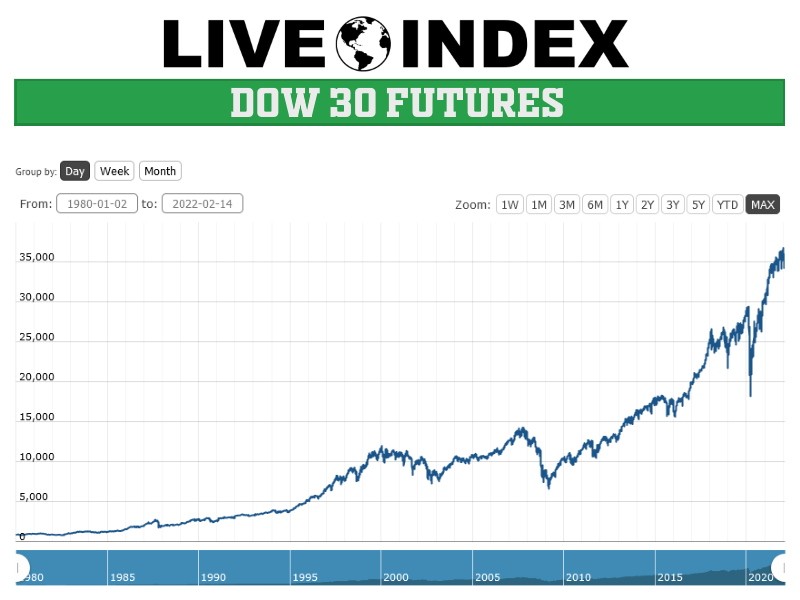
Understanding Dow Futures: A Gateway to Market Sentiment
Before we pinpoint the exact opening hours, it’s essential to grasp what Dow futures are and why they command such attention. They offer a unique window into the market’s collective outlook, often signaling moves before the traditional equity markets even stir.
What Are Dow Futures?
Dow futures are derivative contracts that allow traders to bet on the future value of the Dow Jones Industrial Average. Unlike directly buying stocks in the DJIA, futures contracts are agreements to buy or sell the index at a predetermined price on a specified future date. The Dow Jones Industrial Average itself is a price-weighted average of 30 significant stocks traded on the New York Stock Exchange (NYSE) and NASDAQ, representing a broad cross-section of the U.S. economy.
The most commonly traded Dow futures contract is the E-mini Dow futures contract (symbol: YM), offered by the Chicago Mercantile Exchange (CME) Group. These contracts are smaller and more accessible than their full-sized counterparts, making them popular among a wide range of traders, from institutional funds to individual day traders. They are cash-settled, meaning no physical delivery of stocks occurs; instead, profits or losses are exchanged in cash at expiration.
Why Are Futures Important?
Dow futures serve multiple crucial roles in the financial ecosystem:
- Market Indicator: Perhaps their most significant function is acting as a bellwether for the broader stock market. Because they trade nearly 24 hours a day, Dow futures can provide an early indication of how U.S. equities might open later in the morning. If Dow futures are up significantly overnight, it often suggests a positive opening for the cash market, and vice-versa.
- Hedging Tool: Institutional investors and portfolio managers use Dow futures to hedge against potential declines in their equity portfolios. By selling futures contracts, they can offset losses in their stock holdings if the market turns south.
- Speculation: Traders actively speculate on the price movements of the DJIA, aiming to profit from short-term fluctuations. The leverage inherent in futures trading can amplify both gains and losses, making them a high-risk, high-reward instrument.
- Price Discovery: The continuous trading of futures helps in the ongoing process of price discovery, reflecting the most up-to-date market expectations based on breaking news, economic data, and geopolitical developments from around the world.
The Core Trading Hours: Unpacking the Regular Schedule
While the U.S. equity markets (NYSE, NASDAQ) typically operate from 9:30 AM to 4:00 PM Eastern Time, Dow futures boast a much more expansive trading window. This extended schedule is facilitated by electronic trading platforms, predominantly the CME Globex.
CME Globex: The Electronic Backbone
The vast majority of Dow futures trading occurs on the CME Globex platform. CME Globex is the electronic trading system of the CME Group, providing continuous, seamless trading access to futures and options products from virtually anywhere in the world. It’s a 24-hour electronic trading platform, allowing participants from different time zones to engage with the market at their convenience. This global reach is a fundamental reason why futures offer insights into market sentiment outside of traditional U.S. stock market hours.
Regular Session Opening and Closing Times (CST/ET)
The official trading hours for E-mini Dow futures (YM) are nearly 24 hours a day, five days a week, with a brief daily pause. Here’s a breakdown of the typical schedule:
- Sunday Evening Opening: The trading week for Dow futures begins on Sunday at 5:00 PM Central Standard Time (CST), which translates to 6:00 PM Eastern Time (ET). This is a critical opening as it sets the tone for the upcoming trading week, incorporating any major news or events that occurred over the weekend.
- Daily Trading Session: From Sunday evening, trading continues virtually non-stop until Friday afternoon.
- Daily Pause/Maintenance: Each day, from Monday to Thursday, there is a brief daily maintenance period. Trading halts for 60 minutes, typically from 4:15 PM CST (5:15 PM ET) to 5:00 PM CST (6:00 PM ET). After this pause, trading resumes for the next “session.”
- Friday Closing: The trading week concludes on Friday at 4:15 PM CST (5:15 PM ET).
It’s crucial to remember that these times are standard but can be subject to change due to holidays or exceptional market circumstances. Always refer to the official CME Group website for the most current and definitive trading schedule.
The Significance of the Sunday Evening Open
The Sunday evening opening of Dow futures is particularly noteworthy. It’s often the first reaction of a liquid, regulated market to weekend news—be it geopolitical shifts, major corporate announcements, or economic data releases from other global economies. Traders eagerly watch this opening to gauge initial market sentiment and to prepare for the Monday morning opening of the cash equity markets. A strong move up or down on Sunday evening can often indicate the likely direction for stocks when the NYSE and NASDAQ open a few hours later. This window allows for strategic planning and risk adjustments before the full market participates.
Extended and Holiday Trading: Navigating Market Nuances
While the core hours are mostly continuous, there are specific circumstances, such as holidays, that alter the regular schedule, and the concept of “extended” hours truly defines futures.
Beyond the Bell: 24/5 Trading
The concept of 24/5 trading (nearly 24 hours a day, five days a week) is a hallmark of futures markets. This extended accessibility is a significant advantage for global participants. A trader in Asia, for instance, can react to U.S. economic data released during their daytime hours, even though it’s the middle of the night in New York. This continuous flow of information and trading activity allows for a more efficient and responsive market, as prices are constantly adjusting to new inputs. It also means that significant price movements can occur outside of the traditional 9:30 AM to 4:00 PM ET stock market window, which active traders must monitor.
Holiday Schedule Adjustments
Financial markets typically observe national holidays, and futures markets are no exception, although their holiday schedules can sometimes differ slightly from those of the underlying equity markets. During U.S. holidays such as New Year’s Day, Martin Luther King Jr. Day, Presidents’ Day, Good Friday, Memorial Day, Juneteenth, Independence Day, Labor Day, Thanksgiving, and Christmas Day, Dow futures trading hours will often be:
- Closed for the entire day.
- Closed early on the day before the holiday.
- Open for a shortened session.
- Closed and reopen later for the next trading session.

For example, on Christmas Eve or the day after Thanksgiving, futures might close early. On Christmas Day, they would typically be fully closed. It is absolutely vital for traders to consult the CME Group’s official holiday calendar well in advance to avoid unexpected closures or truncated sessions, which can impact liquidity and trading strategies.
Understanding Market Halts and Circuit Breakers
While rare, it’s also important to be aware of market halts or circuit breakers. These are mechanisms designed to temporarily stop trading during periods of extreme market volatility. In the event of a severe, rapid decline in prices (e.g., a specific percentage drop within a short timeframe), trading in Dow futures, like other equity index futures, can be temporarily paused to allow market participants to absorb information and prevent panic selling. While these are not part of the regular schedule, they are critical safety measures that can impact trading availability during highly unusual circumstances.
Why Trading Hours Matter for Investors and Traders
The specific timing of when Dow futures open and close, and their continuous nature, holds profound implications for how market participants operate.
Pre-Market Indicators and Strategy Formulation
For stock market traders, Dow futures are the ultimate pre-market indicator. By monitoring futures activity early in the morning, traders can anticipate the likely direction and strength of the upcoming U.S. stock market open. If futures are showing a strong upward trend, it might signal a “gap up” for individual stocks. Conversely, a sharp decline could indicate a “gap down.” This advance warning allows traders to:
- Adjust their strategies: Prepare for potential entry or exit points.
- Manage risk: Reduce exposure if significant negative news has impacted futures overnight.
- Identify opportunities: Pinpoint sectors or stocks that might be particularly sensitive to the overall market sentiment reflected in futures.
Risk Management and Volatility
The continuous trading nature of Dow futures means that market-moving news can strike at any time. This presents both opportunities and risks:
- Overnight Risk: Traders holding positions overnight are exposed to “gap risk” if significant news breaks while they are not actively monitoring the market. Dow futures can react instantly, potentially moving sharply against a position.
- Liquidity and Spreads: While generally liquid, certain hours (e.g., very late at night or early morning ET) can sometimes have lower liquidity, leading to wider bid-ask spreads. This means the cost of entering or exiting trades can be higher, and large orders might have a greater impact on price.
- Leverage Amplification: Futures trading involves significant leverage. While this can magnify gains, it also means that unexpected moves during extended hours can lead to substantial losses if not properly managed with stop-loss orders or careful position sizing.
Global Market Influence
The 24/5 trading of Dow futures seamlessly integrates U.S. market sentiment with global financial events. Economic data releases from Europe, Asia, or significant political developments anywhere in the world can immediately impact Dow futures prices, regardless of whether the main U.S. stock exchanges are open. This global interconnectedness necessitates that serious traders and investors maintain a broad awareness of international news and its potential repercussions on U.S. market sentiment, as reflected in futures.
Accessibility and Convenience for Global Traders
For traders outside of North America, the extended hours of Dow futures are a major convenience. An investor in London or Tokyo can trade these contracts during their local business hours, directly participating in the dynamics of the U.S. market without having to operate on an inconvenient time schedule. This global accessibility contributes to the overall liquidity and efficiency of the market.
Practical Considerations for Engaging with Dow Futures
Understanding the “when” is just the first step. To effectively engage with Dow futures, several practical considerations come into play.
Choosing the Right Brokerage Platform
Accessing Dow futures requires a brokerage platform that offers futures trading. When selecting a broker, consider:
- Regulation and Security: Ensure the broker is properly regulated in your jurisdiction.
- Trading Platform: Look for a robust, reliable platform with real-time data, charting tools, and efficient order execution.
- Commissions and Fees: Compare costs, including commissions per contract, exchange fees, and margin requirements.
- Customer Support: Availability of support, especially during extended trading hours, can be crucial.
- Margin Requirements: Understand the initial and maintenance margin requirements for E-mini Dow contracts, as these dictate the capital needed to open and hold positions.
Developing a Trading Plan Around Market Hours
A well-defined trading plan is essential. For Dow futures, this plan should explicitly incorporate an understanding of the trading hours:
- Timing Your Trades: Decide whether you will focus on specific sessions (e.g., the Sunday night open, the overlap with European markets, or the U.S. cash market open).
- Monitoring News: Integrate a news monitoring strategy that accounts for global economic calendars and unexpected announcements across different time zones.
- Risk Management: Set clear stop-loss and take-profit levels, and consider how potential overnight gaps might affect these. Understand that volatility can differ across various trading hours.
- Liquidity Awareness: Be mindful of potentially lower liquidity during off-peak hours, which can affect order execution.

Staying Informed: News and Economic Calendars
Finally, the continuous movement of Dow futures is a direct reflection of real-world events. Staying informed is non-negotiable:
- Economic Releases: Pay attention to major economic data releases from the U.S. (e.g., CPI, NFP, Fed announcements) and other global powers. These often cause immediate reactions in futures.
- Company Earnings: While less direct, major earnings reports from the 30 Dow components can influence overall index sentiment.
- Geopolitical Events: Wars, elections, trade disputes, and natural disasters can all create significant volatility and shift market sentiment, often first reflected in futures prices.
By integrating a comprehensive understanding of Dow futures opening and trading hours with a robust trading plan and continuous market awareness, participants can navigate this dynamic instrument more effectively and make informed financial decisions.
In conclusion, knowing when Dow futures open is far more than a simple schedule check. It’s a foundational piece of knowledge that underpins strategic trading, risk management, and the ability to interpret global market signals. The 24/5 nature of Dow futures trading, facilitated by platforms like CME Globex, ensures that market sentiment is continually updated, providing valuable insights for investors and traders around the clock. By respecting these hours and their implications, participants can better position themselves within the ever-evolving financial landscape.
aViewFromTheCave is a participant in the Amazon Services LLC Associates Program, an affiliate advertising program designed to provide a means for sites to earn advertising fees by advertising and linking to Amazon.com. Amazon, the Amazon logo, AmazonSupply, and the AmazonSupply logo are trademarks of Amazon.com, Inc. or its affiliates. As an Amazon Associate we earn affiliate commissions from qualifying purchases.