
Navigating the complexities of modern banking requires more than just a basic understanding of credits and debits; it demands a granular awareness of the fees that can quietly erode a personal budget. For millions of Americans, JPMorgan Chase serves as the primary custodian of their wealth. However, even with the most diligent financial tracking, an unexpected transaction or a delayed deposit can lead to an overdrawn account. Understanding exactly when and how Chase applies overdraft fees—and more importantly, how their recent policy shifts have made these fees more avoidable—is essential for any savvy consumer looking to optimize their personal finance strategy.
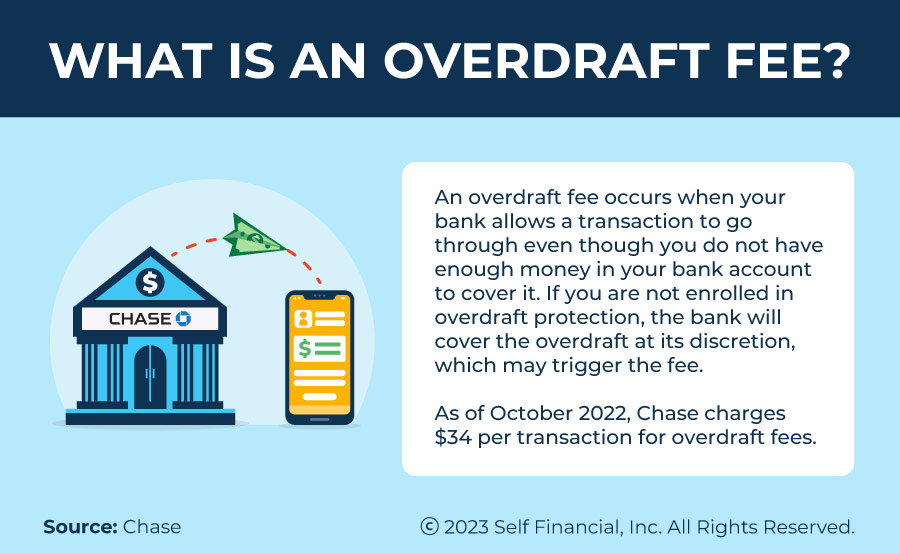
In the past, overdraft fees were often viewed as a static, unavoidable penalty of $34. Today, the landscape is more nuanced. Through a combination of regulatory pressure and competitive innovation, Chase has introduced various “cushions” and timing windows that provide customers with more flexibility. To manage your money effectively, you must understand the interplay between transaction types, account thresholds, and the “Chase Overdraft Assist” program.
Understanding the Mechanics of Chase Overdraft Services
At its core, an overdraft occurs when you do not have enough money in your checking account to cover a transaction, but the bank pays it anyway. Chase offers two primary types of coverage: Standard Overdraft Practice and Overdraft Protection. The rules governing when a fee is triggered depend heavily on which service you have active and what kind of transaction is being processed.
The Difference Between Standard and Debit Card Coverage
By default, most Chase checking accounts come with “Standard Overdraft Practice.” This means the bank, at its discretion, may pay for items like checks and automatic bill payments (ACH transactions) when your balance is insufficient. However, for everyday debit card transactions—such as buying groceries or a coffee—Chase will typically decline the transaction if you do not have the funds, unless you have specifically “opted in” to Debit Card Coverage.
If you opt into Debit Card Coverage, Chase may authorize those one-time debit card purchases even if your balance is low. While this prevents the embarrassment of a declined card at the register, it opens the door to the $34 Insufficient Funds Fee. For many financial experts, the recommendation is to remain opted out; a declined card is a momentary inconvenience, whereas a $34 fee for a $5 latte is a significant financial setback.
The $34 Standard Fee and the “Insufficient Funds” Distinction
The standard fee for an overdraft at Chase is $34. This fee is applied when the bank pays a transaction on your behalf. Historically, banks also charged “Returned Item Fees” (often called Non-Sufficient Funds or NSF fees) if they rejected a payment. However, in a major win for consumers, Chase eliminated NSF fees in late 2021. This means if Chase declines to pay a check or an ACH transfer because of a low balance, you will not be charged a fee by the bank, though the merchant may still charge you a late fee.
Key Thresholds and the Chase Overdraft Assist Program
One of the most significant changes to Chase’s fee structure is the introduction of “Chase Overdraft Assist.” This program is designed to give customers a “safety net” and a window of time to correct a negative balance before a fee is assessed. It has fundamentally changed the answer to the question of “when” a fee is charged.
The $50 Safety Net
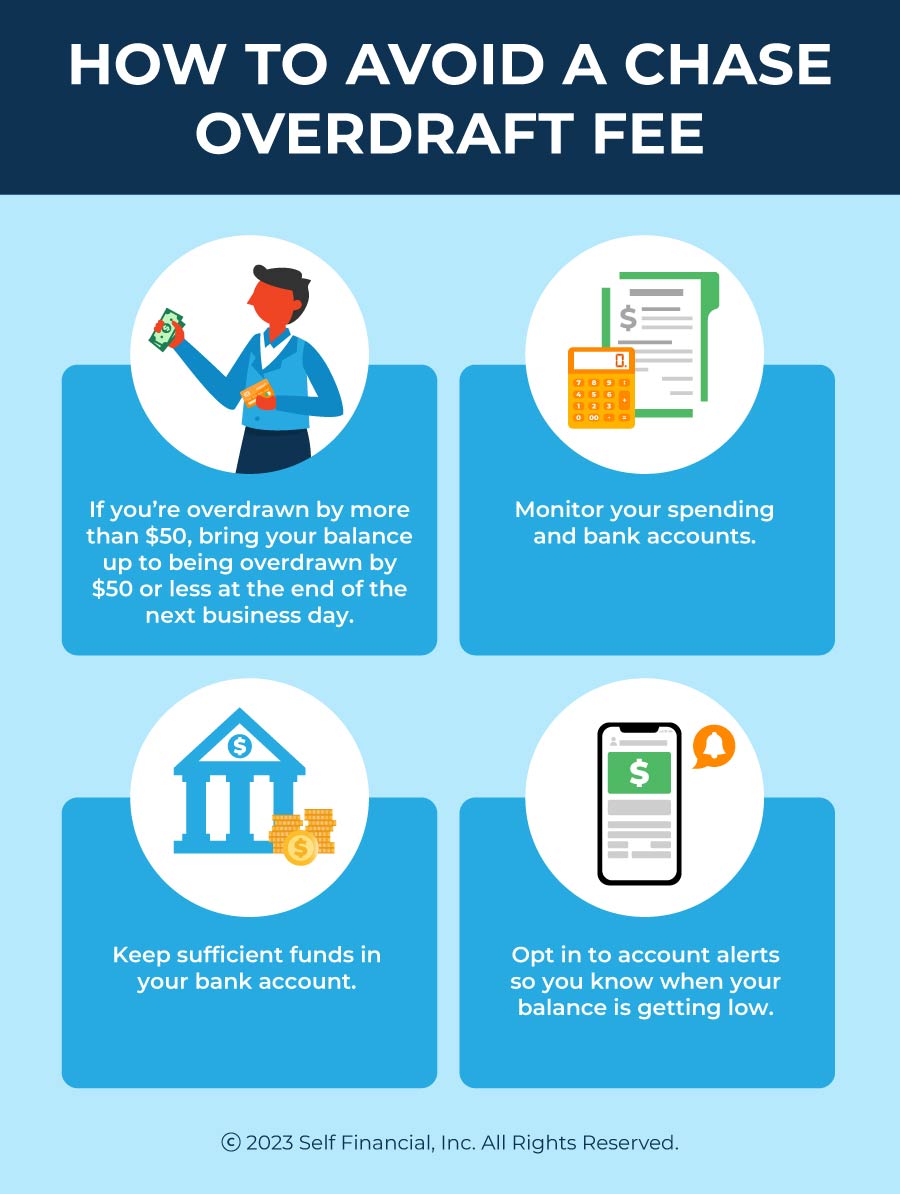
Chase will not charge an Insufficient Funds Fee if your account is overdrawn by $50 or less at the end of the business day. This is a substantial increase from the previous $5 threshold. This policy acknowledges that small mathematical errors or minor subscription renewals shouldn’t result in punitive charges. If you accidentally spend $40 more than you have, Chase covers the cost, and as long as you remain within that $50 margin, no fee is applied.
Furthermore, if a transaction is $5 or less, Chase generally does not charge a fee even if it puts you over the $50 threshold, though the cumulative balance at the end of the day remains the primary metric for larger penalties.
The Grace Period: Timing the Business Day
The “when” of an overdraft fee is also determined by a specific grace period. If you end a business day overdrawn by more than $50, you have until the end of the next business day to bring your balance back to a point where it is overdrawn by $50 or less.
For example, if a large utility bill hits your account on Tuesday and leaves you $100 overdrawn, you have until the end of the business day on Wednesday to deposit or transfer funds. If you successfully reduce that negative balance to -$45 by Wednesday evening, the $34 fee that would have been charged for Tuesday’s transaction is waived. This “next-day” window is a critical tool for those who receive their paychecks via direct deposit or can move money quickly from a savings account.
The Financial Impact and Limits on Overdraft Charges
While the $34 fee is substantial, Chase does have caps in place to prevent a single day of financial mishaps from spiraling into a four-figure debt. Understanding these limits helps in assessing the “worst-case scenario” for an overdrawn account.
Daily Maximums and Recurring Costs
Chase limits the number of Insufficient Funds Fees to a maximum of three per business day. This means the most a customer can be charged in a single day is $102. While still a significant amount, it prevents the “cascading fee” effect that was common a decade ago, where a dozen small transactions could result in hundreds of dollars in fees in a matter of hours.
It is also important to note that Chase does not charge “extended overdraft fees.” Some banks charge an additional daily or weekly fee if an account remains negative for a long period. Chase does not follow this practice; once the initial $34 fee is assessed for a transaction, no additional daily penalties are added simply for having a negative balance, though you are still expected to bring the account positive as soon as possible.
Transactions That Do Not Trigger Fees
Not every negative balance situation results in a fee. Chase has clarified that certain items will never trigger an Insufficient Funds Fee, regardless of the balance:
-
Items Declined or Returned: As mentioned, if the bank doesn’t pay it, they don’t charge you.
-
Pending Transactions: Fees are only assessed based on your “posted” balance at the end of the day. A pending transaction that makes your balance look negative on your mobile app won’t trigger a fee until it actually clears.
-
Bank Errors: If a fee is the result of a banking error or a processing delay on the bank’s side, customers can typically have these reversed by contacting customer service.
Strategies to Avoid Overdraft Fees at Chase
The goal for any consumer should be to move toward a “zero-fee” banking experience. Chase provides several tools that, when used correctly, can virtually eliminate the risk of overdraft charges.
Linking Backup Accounts for Overdraft Protection
The most effective way to avoid the $34 fee is to set up “Overdraft Protection.” This involves linking your Chase checking account to a Chase savings account. If your checking account lacks the funds to cover a transaction, Chase will automatically pull the exact amount needed from your savings.
While some banks used to charge a “transfer fee” for this service, Chase has eliminated the fee for Overdraft Protection transfers. This makes it a seamless, free way to ensure your bills are paid without incurring penalties. The only requirement is that the linked savings account must have enough “available funds” to cover the shortfall.
Switching to Fee-Free Account Tiers
For those who struggle with maintaining a minimum balance or frequently find themselves in the red, Chase offers specific account types designed to prevent overdrafts entirely. The Chase Secure Banking account is a “no-overdraft” account. It does not allow for Standard Overdraft Practice or Overdraft Protection. If the money isn’t in the account, the transaction is simply declined. This account has a low monthly service fee that cannot be waived, but for many, the cost of the monthly fee is significantly less than a single $34 overdraft charge.
Similarly, Chase First Banking (designed for children and teens) and Chase College Checking often have more restrictive overdraft rules or lower fees, making them safer entries into the world of personal finance management.
Leveraging Digital Alerts and Real-Time Monitoring
In the digital age, ignorance of one’s balance is rarely an excuse. The Chase Mobile app allows users to set up “Low Balance Alerts.” You can configure these to send a push notification or text message the moment your balance drops below a certain threshold (e.g., $100). This serves as an early warning system, allowing you to stop spending or transfer funds before the “Chase Overdraft Assist” window even becomes a factor.

The Future of Overdrafts in Personal Finance
The banking industry is currently in a state of transition. With the rise of fintech competitors and neobanks that offer “no-fee” models, traditional giants like Chase have been forced to rethink their revenue streams. Overdraft fees, once a massive profit center for retail banks, are being scaled back in favor of customer retention and brand loyalty.
As a consumer, your strategy should be proactive rather than reactive. By understanding that Chase provides a $50 cushion and a 24-hour grace period, you can manage your cash flow with greater confidence. However, the ultimate financial goal remains the same: building a liquid emergency fund that serves as a permanent buffer, rendering overdraft policies irrelevant to your daily life. Until that buffer is built, utilizing Overdraft Protection and digital alerts is the smartest way to ensure that your hard-earned money stays in your pocket rather than going toward bank fees.
aViewFromTheCave is a participant in the Amazon Services LLC Associates Program, an affiliate advertising program designed to provide a means for sites to earn advertising fees by advertising and linking to Amazon.com. Amazon, the Amazon logo, AmazonSupply, and the AmazonSupply logo are trademarks of Amazon.com, Inc. or its affiliates. As an Amazon Associate we earn affiliate commissions from qualifying purchases.