
For the average consumer, the question “When does Amazon start delivering?” usually refers to the moment a blue van pulls up to their curb or a notification pings on their smartphone. However, in the realm of modern logistics and technology, the answer is far more complex than a simple timestamp. Amazon’s delivery cycle is a 24/7 synchronized operation driven by sophisticated algorithms, massive data centers, and an intricate web of automated hardware.
To understand when the delivery process truly begins, one must look beyond the driver turning the ignition key. The delivery cycle starts the millisecond a customer clicks “Buy Now,” triggering a sequence of events in the Amazon Web Services (AWS) cloud that orchestrates a global symphony of movement.
The Logistics Engine: How Algorithms Dictate Delivery Windows
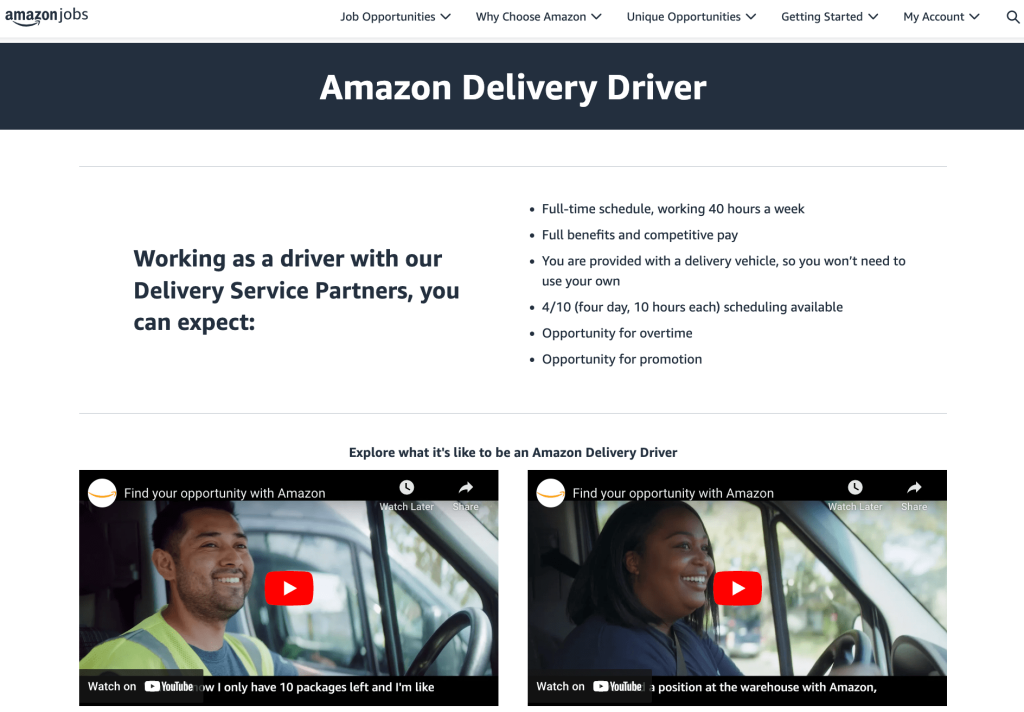
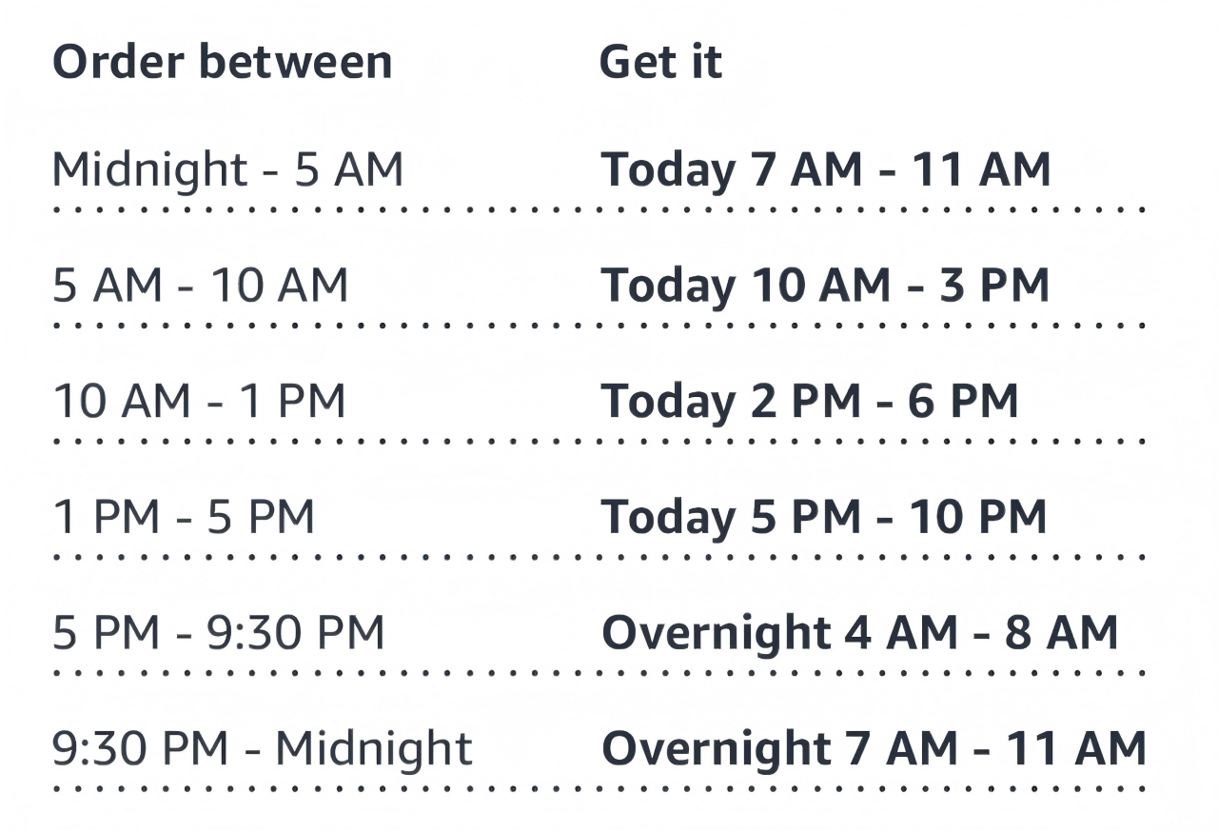
At the heart of Amazon’s ability to deliver packages as early as 4:00 AM in some regions is its proprietary logistics engine. Unlike traditional courier services that rely on rigid schedules, Amazon utilizes dynamic windowing powered by predictive analytics.
Predictive Analytics and Demand Forecasting
Long before a customer even realizes they need a product, Amazon’s “Anticipatory Shipping” technology has likely already moved that item to a localized sortation center. By analyzing petabytes of historical data, search trends, and even weather patterns, Amazon’s AI can predict localized demand with startling accuracy. This technological foresight allows the delivery “start” time to be shifted earlier because the inventory is already within a few miles of the end-user. The software determines not just what will be bought, but when it needs to be ready for the first wave of morning dispatches.
Machine Learning in Route Optimization
The actual start of a driver’s day is dictated by the “Last Mile” routing software. This system processes millions of variables—traffic density, road construction, package weight, and even the walking distance from the van to a specific apartment door. Machine learning models continuously refine these routes. For Amazon Flex drivers, who often handle the earliest “Sub-Same-Day” deliveries, the technology assigns “blocks” starting as early as 3:30 AM. The software ensures that by the time the sun rises, thousands of packages have already been sorted by AI-driven sequences to ensure the most efficient pathing possible.
Warehouse Automation: From Kiva Robots to Sorting Systems
The physical start of the delivery process occurs inside the Fulfillment Center (FC), where human labor is augmented—and often outpaced—by robotics. The seamless transition from a digital order to a physical package is a marvel of hardware engineering.
Fulfillment Center Synchronicity
Amazon’s robotic storage retrieval systems (formerly Kiva Systems) are the primary reason the company can start deliveries so early in the day. These robots navigate a grid-based floor, bringing entire shelves of products to human “stowers” and “pickers.” This eliminates the hours of walking time found in traditional warehouses. Because these robots operate 24/7 without the need for lighting or climate control at the same levels as humans, the “picking” process for a morning delivery often happens while the customer is still asleep.
The “Early Bird” Sortation Process
Once an item is picked, it travels through miles of high-speed conveyor belts equipped with optical character recognition (OCR) cameras. These cameras scan barcodes at lightning speed, directing packages to specific chutes based on their zip code and delivery priority. The tech stack here is designed to minimize “dwell time”—the duration a package sits idle. For “Overnight” and “Early Morning” delivery windows, the sortation software prioritizes these items through the “slam” (Scan, Label, Apply, Manifest) process, ensuring they are loaded onto line-haul trucks for transit to delivery stations by midnight.

The App Ecosystem: Real-Time Tracking and User Notifications
For the user, the delivery starts when the “Out for Delivery” notification appears. This transparency is made possible by a robust integration of GPS technology, cloud computing, and mobile application development.
API Integration and Geo-Fencing
The Amazon Shopping app is not just a storefront; it is a sophisticated tracking terminal. When a delivery driver starts their route, they use a specialized app known as “Amazon Rabbit.” This app is integrated with the customer’s interface via high-frequency APIs. Geo-fencing technology allows the system to trigger specific actions—such as the “10 stops away” notification—based on the driver’s real-time GPS coordinates. This ensures that the customer is digitally tethered to the physical movement of their goods.
The “Amazon Map Tracking” Experience
One of the most significant tech hurdles Amazon overcome was the implementation of live map tracking. This requires massive computational power to update the location of tens of thousands of drivers simultaneously for millions of users. By leveraging the scalability of AWS, Amazon provides a visual representation of the delivery’s progress. This transparency reduces “Where is my stuff?” (WISMO) inquiries, allowing the customer service infrastructure to focus on more complex technical issues while the automated system handles the status updates.
Emerging Tech: Drones, Autonomous Vehicles, and the Future of 24/7 Delivery
The question of “when” Amazon starts delivering is currently being redefined by the push toward total automation. As the company moves away from human-dependent variables, the window for delivery is expanding into a true 24-hour cycle.
Prime Air and the 30-Minute Threshold
Amazon Prime Air, the company’s drone delivery initiative, aims to change the delivery start time from “hours” to “minutes.” The technology involves sophisticated sense-and-avoid systems, allowing drones to navigate autonomously without colliding with birds, power lines, or other aircraft. In areas where Prime Air is active, the delivery starts the moment the drone takes off from a specialized “beehive” fulfillment center. This eliminates the “last-mile” congestion of suburban roads and allows for delivery start times that are dictated solely by the customer’s immediate need.
The Shift Toward Full Automation
Beyond drones, Amazon is heavily investing in autonomous ground vehicles (AGVs) and sidewalk robots like “Amazon Scout.” These devices are designed to operate during off-peak hours, potentially starting deliveries in the middle of the night when sidewalks are clear. Furthermore, the development of “Key by Amazon” technology—which allows drivers to deliver packages into garages or homes using encrypted smart locks—removes the requirement for the customer to be awake or present. From a technological standpoint, the “start” of delivery is becoming a fluid, continuous loop rather than a scheduled morning event.
Conclusion: The Perpetual Delivery Cycle
In the modern tech landscape, Amazon does not “start” delivering at a specific time of day. Instead, it operates a perpetual, data-driven cycle where the end of one delivery route feeds the optimization of the next. Through the use of AI, robotics, and cloud-integrated mobile software, Amazon has transformed logistics into a digital science.
The next time you see a package on your doorstep at 6:00 AM, remember that the delivery didn’t start when the driver arrived; it started hours, days, or even weeks prior, within the silicon and steel of Amazon’s global technological infrastructure. As the company continues to refine its autonomous systems and predictive modeling, the gap between “ordering” and “delivering” will continue to shrink, eventually making the concept of a “start time” obsolete in favor of a constant, invisible flow of goods.
aViewFromTheCave is a participant in the Amazon Services LLC Associates Program, an affiliate advertising program designed to provide a means for sites to earn advertising fees by advertising and linking to Amazon.com. Amazon, the Amazon logo, AmazonSupply, and the AmazonSupply logo are trademarks of Amazon.com, Inc. or its affiliates. As an Amazon Associate we earn affiliate commissions from qualifying purchases.