
In the fast-paced world of global finance, timing is often just as important as the assets you choose to hold. For the modern investor, the question “when do the markets open?” is more than a simple inquiry about a clock; it is the starting gun for a daily race where trillions of dollars change hands. Understanding the nuances of market hours across different time zones, the implications of extended trading sessions, and the impact of global overlaps is essential for anyone looking to master their personal finances or professional investment strategy.
The Pulse of Wall Street: Understanding U.S. Market Hours
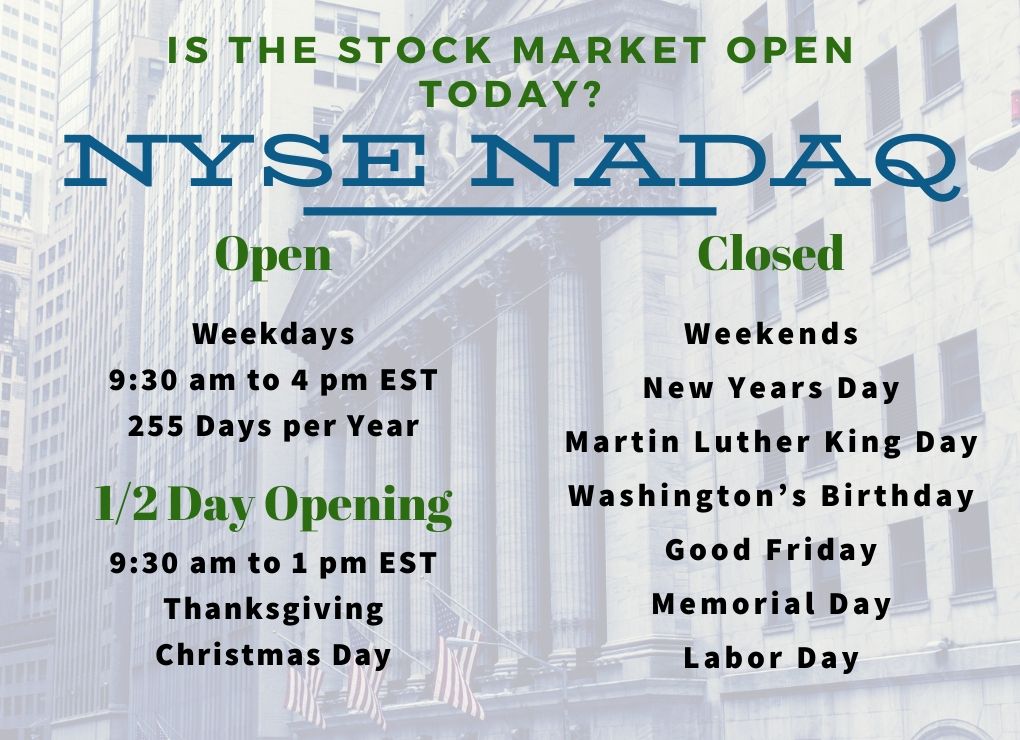
For the vast majority of retail investors and institutional players alike, the U.S. markets—specifically the New York Stock Exchange (NYSE) and the NASDAQ—serve as the primary epicenter of financial activity. The standard operating hours for these exchanges are 9:30 AM to 4:00 PM Eastern Time (ET), Monday through Friday. However, the story of U.S. trading does not begin at 9:30 nor end at 4:00.
Standard Trading Sessions vs. Extended Hours
While the “opening bell” at 9:30 AM ET signifies the start of the core trading session, the digital nature of modern finance allows for activity long before and after these hours.
Pre-market trading in the U.S. typically begins as early as 4:00 AM ET and runs until the official open. Conversely, after-hours trading begins at 4:00 PM ET and can last until 8:00 PM ET. These extended sessions are primarily used by institutional investors to react to earnings reports or major geopolitical news that occurs outside of standard hours. For the retail investor, participating in these sessions requires caution, as liquidity is significantly lower and price volatility is much higher than during the standard day.
Key Holidays and Early Closures
A critical aspect of market timing is knowing when the doors are closed. The U.S. markets observe several federal holidays, including New Year’s Day, Martin Luther King Jr. Day, President’s Day, Good Friday, Memorial Day, Juneteenth, Independence Day, Labor Day, Thanksgiving, and Christmas.
Furthermore, “half-days” often occur around major holidays, such as the Friday following Thanksgiving or Christmas Eve, where the markets typically close at 1:00 PM ET. Keeping a calendar of these events is vital for managing margin requirements and ensuring that orders are not left pending during long weekends.
Beyond New York: Navigating International Market Schedules
The global economy never truly sleeps. As the sun sets on New York, it is already rising over Tokyo, and as London traders head to lunch, the U.S. markets are just beginning their day. To build a truly diversified portfolio, one must understand the “follow-the-sun” nature of global exchanges.
The European Powerhouses: LSE, Euronext, and DAX
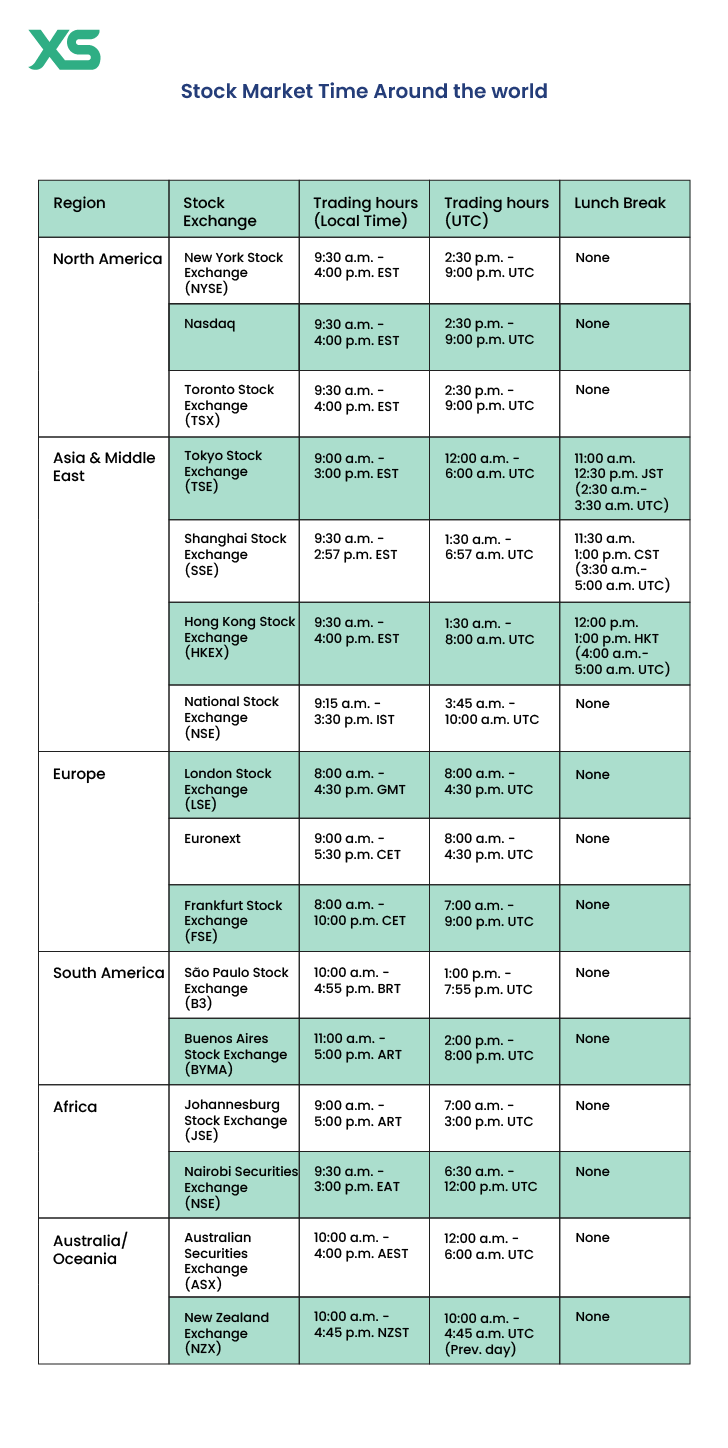
The European markets represent a massive block of capital and provide a bridge between the Asian and American sessions. The London Stock Exchange (LSE), one of the oldest and most prestigious in the world, typically opens at 8:00 AM local time and closes at 4:30 PM.
Other major European bourses, such as the Euronext (Paris/Amsterdam) and the Frankfurt Stock Exchange (DAX), follow similar schedules, generally operating from 9:00 AM to 5:30 PM Central European Time (CET). For an American investor, this means European markets are active in the very early morning hours (roughly 3:00 AM to 11:30 AM ET), providing a wealth of data and sentiment that often influences how the U.S. markets will open.
The Asian-Pacific Giants: Tokyo, Hong Kong, and Shanghai
The Asian trading day sets the stage for the rest of the world. The Tokyo Stock Exchange (TSE), the primary market in Japan, operates from 9:00 AM to 3:00 PM local time, but with a unique twist: a midday “lunch break” from 11:30 AM to 12:30 PM.
Similarly, the Hong Kong Stock Exchange (HKEX) and the Shanghai Stock Exchange (SSE) also observe midday breaks. These breaks are a relic of traditional trading floor culture but remain a standard part of the Asian financial landscape. For Western investors, these markets trade during the late evening and overnight hours, making them essential for those tracking technology manufacturing and global supply chain trends.
Why Timing Matters: The Impact of Market Openings on Volatility and Liquidity
Knowing when the markets open is only half the battle; the other half is understanding why those specific times matter for your capital. The transitions between being “closed” and “open” create specific market dynamics that can either benefit or harm an investor’s execution price.
The “Opening Bell” Effect and Price Discovery
The first 30 to 60 minutes of a trading session are often characterized by the highest volume and the most significant price swings of the day. This is known as “price discovery.” During this period, the market is processing all the news, data releases, and sentiment changes that occurred while the exchange was closed.
For short-term traders, this volatility offers opportunity. For long-term investors, however, the opening minutes can be dangerous. Spreads (the difference between the bid and ask price) are often wider, and “slippage” (the difference between the expected price of a trade and the price at which the trade is executed) is more common. Many seasoned investors prefer to wait until the “mid-day lull” when prices stabilize before entering large positions.
Overlapping Trading Sessions: The Peak of Global Liquidity
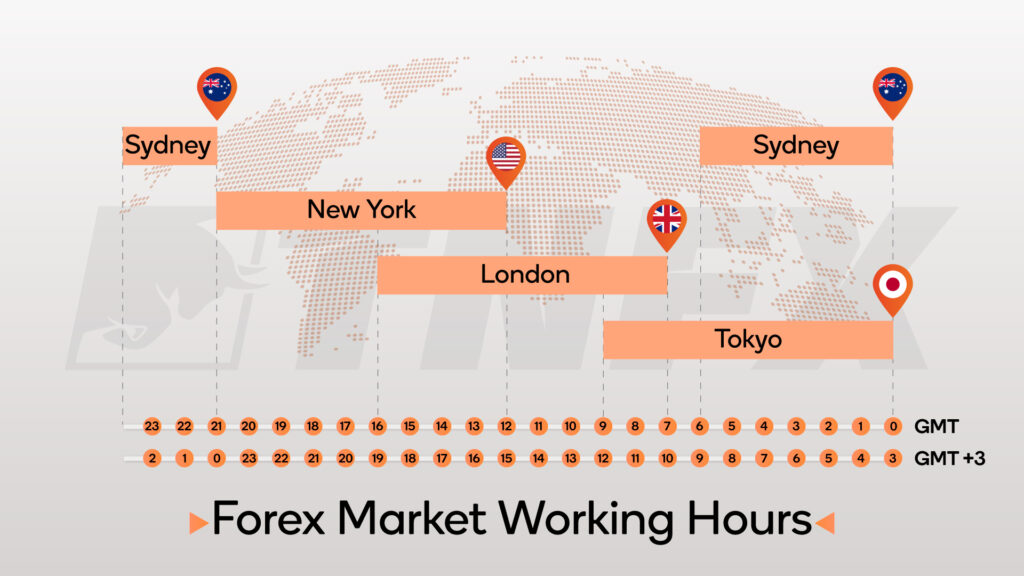
One of the most important windows in the financial world occurs when two major markets are open simultaneously. The most significant overlap is between the London and New York sessions, occurring roughly between 8:00 AM and 12:00 PM ET.
During these four hours, the world sees its highest levels of liquidity. This is particularly crucial for the Foreign Exchange (Forex) markets and for investors trading large-cap multinational “blue-chip” stocks that are listed on multiple exchanges. Increased liquidity generally leads to tighter spreads and more efficient trade execution, making it the “golden window” for active capital management.
Strategic Considerations for the Modern Investor
In an era where apps allow us to trade with a single swipe, it is easy to forget that the underlying mechanics of the market are still tied to specific timeframes. A disciplined approach to market hours can significantly enhance an investor’s bottom line.
Managing Risk During After-Hours Trading
While the convenience of trading at 7:00 PM on a Tuesday is appealing, the risks are substantial. Because there are fewer participants in the after-hours market, a relatively small sell order can cause a disproportionately large drop in a stock’s price.
Investors should almost always use “limit orders” (specifying the exact price they are willing to pay or receive) rather than “market orders” when trading outside of standard hours. This ensures that you aren’t caught in a “flash crash” or a sudden spike caused by low liquidity. Furthermore, one must remember that price movements in the after-hours session do not always carry over to the next day’s open; they can often be “fakes” driven by emotional reactions rather than fundamental shifts.
Tools and Resources for Tracking Global Hours
To stay competitive, investors should utilize tools that synchronize global market hours into their local time. Many financial platforms and brokerages offer “Global Clocks” or integration with digital calendars.
Additionally, tracking the economic calendar is vital. Major data points—such as the U.S. Non-Farm Payrolls report or Consumer Price Index (CPI) data—are typically released at 8:30 AM ET, exactly one hour before the New York open. Being aware of these release times allows investors to anticipate the “opening gap,” where a stock opens significantly higher or lower than its previous close, and adjust their strategies accordingly.
Conclusion: Mastering the Clock for Financial Success
In the realm of money and investing, knowledge is the most valuable currency. Understanding when the markets open is the foundational step in developing a sophisticated relationship with your finances. It allows you to move from being a reactive participant to a proactive strategist.
By recognizing the rhythms of the NYSE, the strategic importance of European overlaps, and the volatility inherent in the Asian sessions, you can better time your entries and exits to maximize profit and minimize risk. Whether you are a casual saver or a dedicated day trader, the clock is a tool. Respect the opening bell, understand the power of the closing auction, and always keep an eye on the global horizon. In the world of finance, the sun never sets on opportunity—provided you know exactly when and where to look for it.
aViewFromTheCave is a participant in the Amazon Services LLC Associates Program, an affiliate advertising program designed to provide a means for sites to earn advertising fees by advertising and linking to Amazon.com. Amazon, the Amazon logo, AmazonSupply, and the AmazonSupply logo are trademarks of Amazon.com, Inc. or its affiliates. As an Amazon Associate we earn affiliate commissions from qualifying purchases.