
For both novice and seasoned investors, understanding when financial markets open and close is not merely a matter of curiosity; it’s a fundamental aspect of strategic planning, risk management, and successful execution of trades. The world of finance never truly sleeps, with different markets across various time zones and asset classes operating on unique schedules. Knowing these intricate timings is crucial for anyone looking to optimize their investment decisions, react to global events, and effectively manage their portfolio. This guide delves into the specifics of market hours, exploring why they matter, how different markets operate, and what factors can influence these critical windows of opportunity.
Understanding Market Hours: Why They Matter
The opening and closing bells of financial markets are more than just symbolic; they delineate specific periods of organized trading, price discovery, and liquidity. These hours directly impact an investor’s ability to buy or sell assets, influencing everything from trade execution to the volatility of an asset. Ignoring market hours can lead to missed opportunities, unexpected price movements, or even issues with liquidity when trying to enter or exit positions.
Standard Trading Sessions
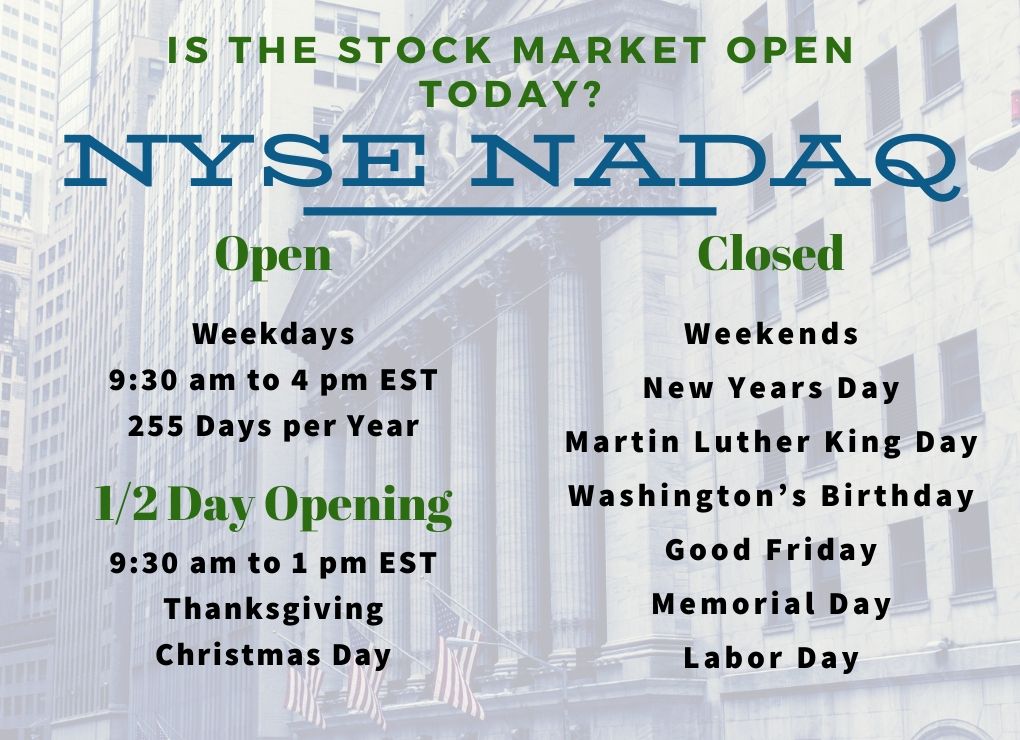
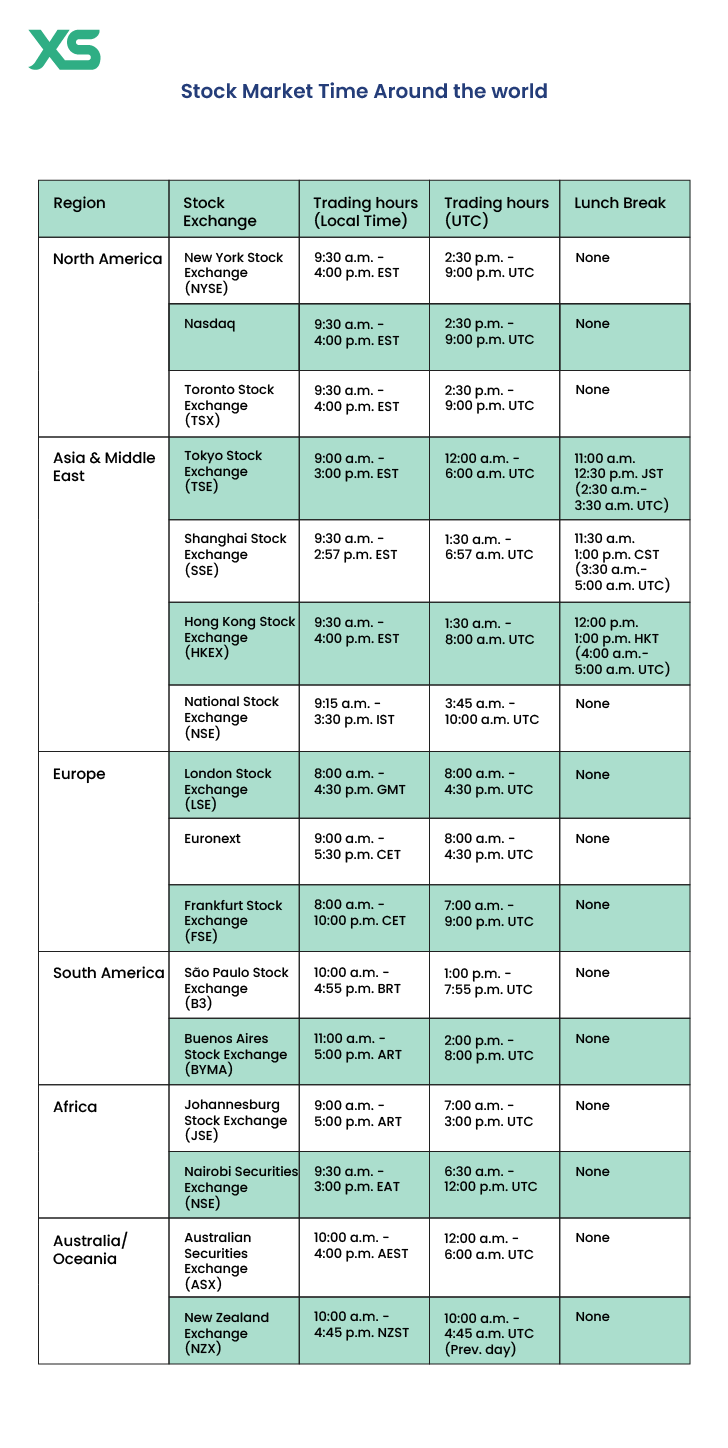
The concept of a “standard trading session” typically refers to the core hours during which major stock exchanges operate. In the United States, the New York Stock Exchange (NYSE) and NASDAQ, for instance, conduct their primary trading sessions from 9:30 AM to 4:00 PM Eastern Time (ET), Monday through Friday. Similar core hours exist for exchanges globally: the London Stock Exchange (LSE) from 8:00 AM to 4:30 PM GMT, the Tokyo Stock Exchange (TSE) from 9:00 AM to 3:00 PM JST (with a lunch break), and the Shanghai Stock Exchange (SSE) from 9:30 AM to 3:00 PM CST (also with a lunch break). These regular hours are characterized by the highest volume and liquidity, making them the most common times for investors to execute trades, as orders are more likely to be filled at competitive prices. This period is also when most of the day’s significant news and economic data releases are processed, contributing to active price discovery.
Pre-Market and After-Hours Trading
Beyond the standard trading sessions, many exchanges offer extended hours for trading, commonly known as pre-market and after-hours sessions. Pre-market trading usually begins several hours before the official open (e.g., 4:00 AM to 9:30 AM ET for US equities), while after-hours trading extends beyond the close (e.g., 4:00 PM to 8:00 PM ET for US equities). These sessions allow investors to react to news that breaks outside of regular hours, such as earnings reports, mergers and acquisitions, or significant political developments. While they offer flexibility, extended hours trading comes with inherent risks. Liquidity is typically much lower, meaning fewer buyers and sellers are present, which can lead to wider bid-ask spreads and increased price volatility. This environment can make it challenging to execute trades at desired prices and increases the risk of significant price gaps when the regular session begins. Investors participating in these sessions must exercise caution and thoroughly understand the associated risks.
Impact of Time Zones
In today’s interconnected global economy, the impact of time zones on market openings is profound. While an investor in New York might be trading the NYSE, their counterpart in London could be trading European equities, and someone in Sydney might be active in Asian markets. This constant relay race of market activity means that even when a local market is closed, global events and trading in other regions can significantly influence its opening price the next day. For instance, a major economic announcement from China during US market off-hours could cause US futures to react, signaling a potential gap up or down at the NYSE open. Understanding time zone differences is critical for international investors, for those monitoring global trends, and for anyone who wants to react to overnight news that might affect their domestic holdings. Many financial platforms now offer “world clock” features or automatically adjust market hours to a user’s local time, simplifying this complex aspect of global finance.
Navigating Different Market Types
The term “markets” is broad, encompassing various asset classes, each with its unique operational characteristics and trading schedules. While stock markets often grab the headlines, understanding the nuances of other market types is essential for a diversified and informed investor.
Stock Markets
As discussed, major stock exchanges like the NYSE, NASDAQ, LSE, and TSE operate on defined schedules, typically Monday to Friday. These markets are the primary venues for buying and selling company shares. Their structured hours are designed to concentrate liquidity, facilitate price discovery, and provide a clear framework for market participants. While most stock exchanges follow a similar five-day-a-week pattern, specific market holidays (e.g., Christmas, New Year’s Day, national holidays) will see them closed. Additionally, some exchanges might have early closures on certain days, particularly around major holidays. It’s imperative for investors to consult their exchange’s official holiday calendar to avoid unexpected closures or truncated trading days, which can impact short-term strategies and trade execution.
Cryptocurrency Markets
In stark contrast to traditional stock markets, cryptocurrency markets operate 24 hours a day, 7 days a week, 365 days a year. There are no opening or closing bells, no market holidays, and no specific time zone dictates. This continuous trading nature is a hallmark of decentralized finance and blockchain technology, where transactions are processed and recorded without central intermediaries. The implications of this 24/7 operation are significant: investors can buy or sell digital assets like Bitcoin or Ethereum at any moment, reacting instantly to global news or personal needs. However, it also means there’s no “downtime” for reflection or analysis, and market participants are exposed to potential volatility around the clock. The absence of traditional market hours necessitates a different approach to monitoring and risk management, often relying on automated alerts and sophisticated trading bots for continuous oversight.
Forex Markets
The foreign exchange (Forex or FX) market is another truly global and continuous market. It’s the largest financial market in the world, where currencies are traded. While there isn’t a single “Forex market” with a specific opening time, it operates through a network of banks and financial institutions worldwide. This global nature means that as one major financial center closes, another opens, ensuring continuous trading from Sunday evening ET through Friday afternoon ET. The major Forex sessions are often associated with New York, London, Tokyo, and Sydney. When the London and New York sessions overlap, for example, liquidity and volatility tend to be highest due to increased participation. Like crypto, the 24/5 nature of Forex demands constant vigilance for active traders, as currency pairs can react instantly to geopolitical events, economic data releases, and central bank announcements from any part of the globe.
Commodity and Bond Markets
Commodity markets, which trade raw materials like oil, gold, silver, and agricultural products, also have specific trading hours that vary depending on the exchange and the commodity itself. Futures contracts for commodities, often traded on exchanges like the CME Group, have their own defined schedules, which can include extended electronic trading hours beyond the core pit trading (though pit trading is largely diminished). For instance, crude oil futures might trade nearly 24 hours from Sunday evening to Friday afternoon ET, with a brief daily break. Bond markets, particularly for government bonds, also have distinct trading hours. In the US, the bond market typically operates from 8:00 AM to 5:00 PM ET, though electronic trading can extend beyond these hours. Understanding these varied schedules is crucial for investors dealing with a diversified portfolio that includes these asset classes, as their liquidity and price dynamics are heavily influenced by their specific market windows.
Key Factors Influencing Market Openings and Closures
While standard trading hours provide a predictable framework, several factors can alter or significantly impact the activity around market openings and closures. Being aware of these influences is vital for anticipating market behavior and adjusting investment strategies.
Market Holidays and Early Closures
National holidays, such as Christmas Day, New Year’s Day, or Thanksgiving in the US, invariably lead to full market closures. These are typically published well in advance by each exchange. Less common, but still important, are early closures, often observed the day before or after a major holiday. For example, US stock markets might close at 1:00 PM ET on days like the day after Thanksgiving or before Christmas Eve. These shortened sessions can lead to reduced liquidity and increased volatility, as market participants may be eager to close positions or take advantage of thinner trading conditions. Always consult the official exchange calendar for specific details regarding market holidays and early closures to avoid surprises that could disrupt trading plans.
Regulatory Changes and Emergency Closures
On rare occasions, market hours can be altered or trading can be suspended due to regulatory changes, severe technical issues, or national emergencies. Examples include the temporary closures of the NYSE after the September 11th attacks or circuit breakers being triggered during extreme market volatility, leading to brief trading halts. While these events are infrequent, they highlight the dynamic nature of financial markets and the oversight mechanisms in place to maintain stability and investor confidence. Investors should stay informed about market news channels that would report such unusual circumstances, as they can have profound and immediate impacts on portfolio values.
Economic Calendar and Data Releases
The economic calendar plays a crucial role in shaping market sentiment and activity, particularly around market openings. Key economic data releases, such as inflation reports (CPI), employment figures (Non-Farm Payrolls), GDP growth, or central bank interest rate decisions, are often scheduled for specific times, frequently coinciding with or just before market openings. For instance, a major jobs report in the US might be released at 8:30 AM ET, giving investors roughly an hour to digest the information before the 9:30 AM ET market open. Such releases can cause significant pre-market movements in futures contracts and lead to highly volatile openings as traders react to the new information. Experienced investors and traders closely monitor the economic calendar to anticipate potential market-moving events and position themselves accordingly, often employing strategies to capitalize on or mitigate risks associated with post-announcement volatility.
Practical Strategies for Investors Around Market Hours
Understanding market hours is merely the first step; applying this knowledge strategically is where investors can gain an edge. Integrating market timing into one’s investment approach can significantly enhance decision-making and risk management.
Planning Your Trades
Effective trade planning is intrinsically linked to market hours. For day traders, identifying the most liquid and volatile periods—often the first and last hours of a standard session—is critical for their strategies. Swing traders and long-term investors might focus less on intraday movements but still need to consider when to enter or exit positions to avoid unfavorable spreads or unexpected market gaps. Pre-planning involves not just deciding what to trade, but when to trade it, taking into account earnings reports, economic data releases, and global market influences. Using limit orders, rather than market orders, can be a prudent strategy, especially around volatile opening or closing times, to ensure trades are executed at or near desired prices.
Risk Management at Open and Close
The opening and closing minutes of a market session are often characterized by heightened volatility and thinner liquidity compared to the middle of the trading day. This increased volatility presents both opportunities and risks. Prices can gap up or down significantly based on overnight news or pre-market trading activity, potentially triggering stop-loss orders prematurely or making entry/exit points less predictable. Investors should be particularly cautious during these periods. Strategies might include avoiding trading immediately at the open or close if not specifically trained for high-volatility environments, adjusting position sizes, or utilizing advanced order types like stop-limit orders to manage risk effectively. A clear understanding of how orders are processed and filled during these periods is paramount.
Leveraging Technology
Modern financial technology offers powerful tools to help investors navigate market hours and stay informed. Trading platforms provide real-time data, customizable charts, and advanced order types. Alerts can be set up to notify investors of specific price movements, news events, or when a market is about to open or close. Financial news services and aggregators deliver breaking news instantly, allowing investors to react swiftly to developments that might affect their holdings. Automated trading systems (algo-trading) can execute trades based on pre-defined rules, ensuring adherence to a strategy even during off-hours or when the investor is unavailable. Leveraging these technological advancements is crucial for maintaining an informed and responsive investment strategy in today’s fast-paced financial landscape.
Global Market Awareness
For investors with a globally diversified portfolio or those seeking to anticipate domestic market movements, maintaining awareness of global market activity is indispensable. What happens in Asia overnight can significantly influence European markets, which in turn can set the tone for the US open. Monitoring major indices, currency movements, and commodity prices across different time zones can provide valuable clues about potential sentiment shifts or emerging trends. Many financial news outlets provide “market wrap” reports that summarize overnight activity in various regions, offering a concise overview for investors to prepare for their local market open. This holistic view allows for more informed decision-making and proactive risk management, especially in an era where markets are so deeply interconnected.
Beyond the Clock: What Happens After Hours?
The world of finance doesn’t simply cease to exist when the last bell rings. The period outside standard trading hours is often a crucible for information, sentiment shifts, and macroeconomic developments that profoundly influence the next day’s market open.
Earnings Reports and Company News
Many public companies strategically release their quarterly earnings reports and other significant corporate news (e.g., mergers, acquisitions, product launches) after the market closes or before it opens. This timing is chosen to allow investors and analysts sufficient time to digest the information without disrupting active trading sessions. However, these announcements often lead to substantial price movements in pre-market or after-hours trading, and can cause significant price gaps at the next regular open. A company reporting strong earnings after hours might see its stock jump significantly before the next day’s session begins, offering an opportunity for pre-market traders but also potentially surprising investors who only monitor regular hours.
Macroeconomic Events
Geopolitical developments, major policy announcements from central banks, or unexpected global crises frequently occur outside of typical trading hours. For example, a sudden shift in international trade policy announced by a major government, or an emergency interest rate decision from the Federal Reserve during the evening, can send ripples across global markets, affecting futures prices and setting the stage for a volatile opening in equity, bond, or currency markets. The continuous nature of the Forex and crypto markets means they react immediately to such events, often serving as bellwethers for what traditional markets will do upon opening.

The Continuous Information Flow
Even without specific company news or major macroeconomic events, the flow of information is continuous. Analyst reports are published, expert opinions are shared, and sentiment evolves through various media channels. This continuous stream of information, combined with futures market activity, creates an ongoing price discovery process even when major exchanges are closed. Investors must recognize that their portfolio is always “on” in terms of its potential reaction to new information, regardless of whether their local market is open. Staying connected through financial news apps, newsletters, and analytical tools can help investors gauge the overnight mood and prepare for the opportunities and challenges that await them at the next market open.
In conclusion, knowing “when do the markets open today” is far more complex than just checking a clock; it’s about understanding a global symphony of trading sessions, unique market characteristics, influencing factors, and strategic implications. By mastering these nuances, investors can better navigate the dynamic landscape of finance, making informed decisions that align with their investment goals and risk tolerance.
aViewFromTheCave is a participant in the Amazon Services LLC Associates Program, an affiliate advertising program designed to provide a means for sites to earn advertising fees by advertising and linking to Amazon.com. Amazon, the Amazon logo, AmazonSupply, and the AmazonSupply logo are trademarks of Amazon.com, Inc. or its affiliates. As an Amazon Associate we earn affiliate commissions from qualifying purchases.