
For investors, analysts, and financial enthusiasts, few events on the Wall Street calendar carry as much weight as a Tesla earnings call. As a bellwether for the electric vehicle (EV) industry and a significant component of the S&P 500 and Nasdaq-100, Tesla’s financial disclosures often ripple through the broader markets. Understanding when Tesla reports earnings, how to interpret the data, and what the financial implications are for your portfolio is essential for navigating the volatility associated with this high-growth stock.
Understanding Tesla’s Earnings Calendar and Reporting Cycle
Tesla, Inc. (TSLA) follows a standard fiscal year that aligns with the calendar year, ending on December 31st. Consequently, the company releases its financial results four times a year, covering three-month intervals known as quarters. While the specific dates vary slightly each year based on the day of the week and administrative considerations, Tesla follows a highly predictable rhythm.
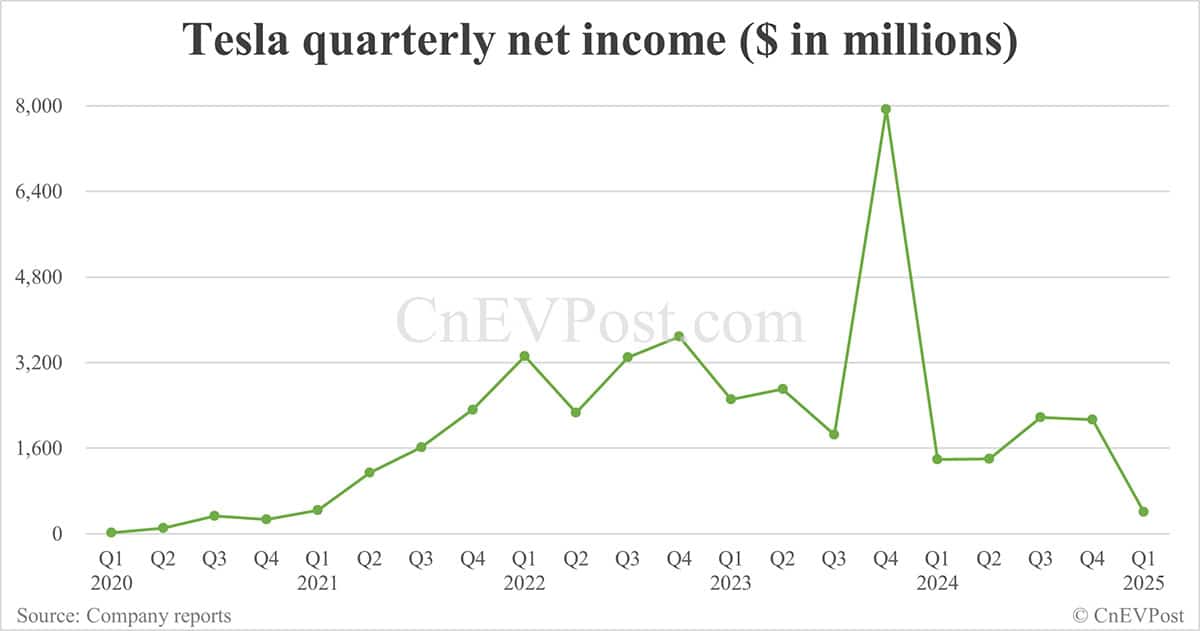
The Quarterly Reporting Schedule
Tesla typically reports its earnings during the following windows:
-
First Quarter (Q1): Late April. This report covers the period from January 1 to March 31.
-
Second Quarter (Q2): Late July. This report covers the period from April 1 to June 30.
-
Third Quarter (Q3): Late October. This report covers the period from July 1 to September 30.
-
Fourth Quarter (Q4) and Full Year: Late January. This report covers the final three months of the previous year and provides a comprehensive look at the annual performance.
Investors should note that Tesla usually announces the official date and time of its earnings call approximately two weeks before the event occurs. These announcements are posted on the Tesla Investor Relations website and distributed via major financial news wires.
The Delivery Numbers vs. The Earnings Report
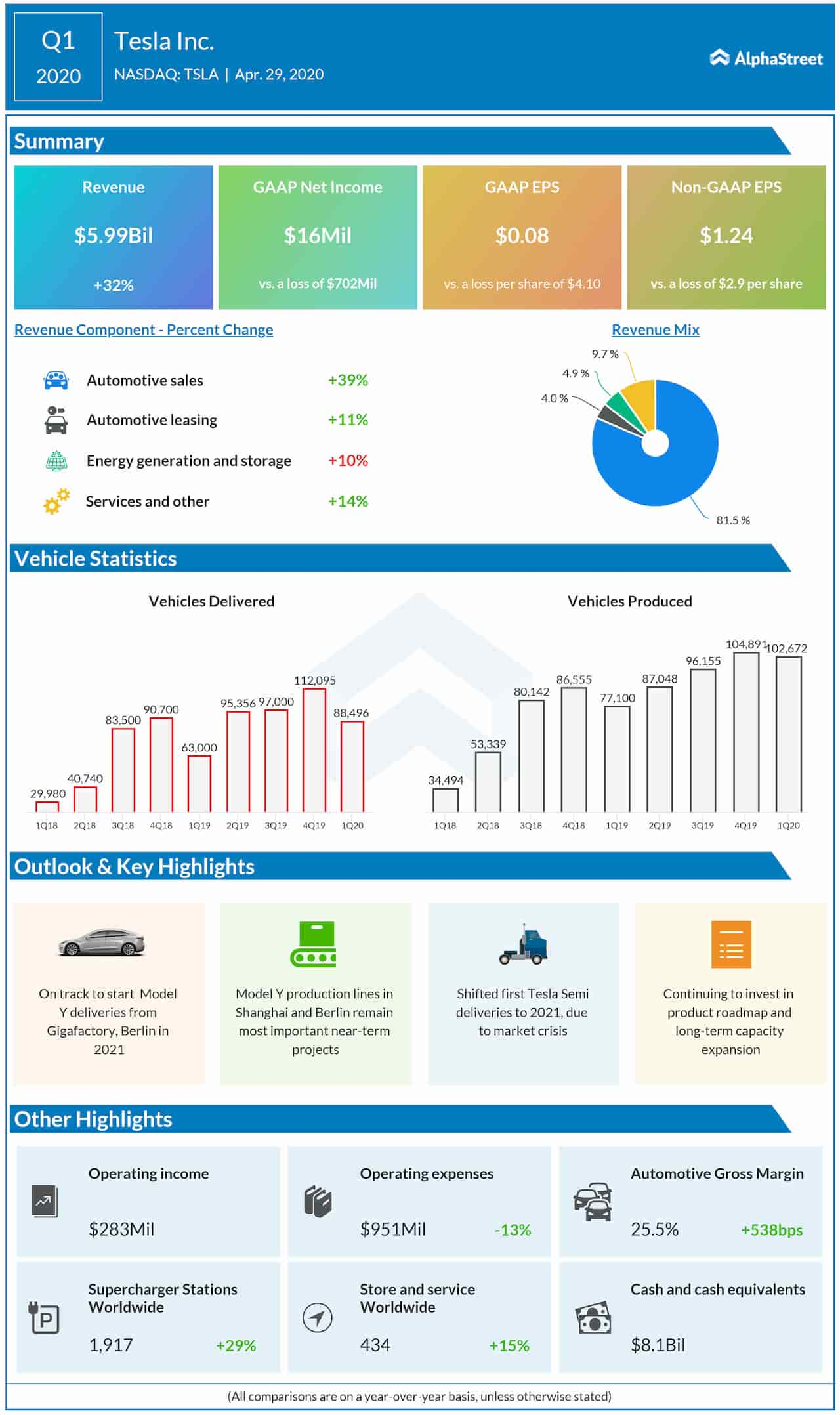
Unique to the automotive industry, Tesla releases its “Production and Delivery” numbers just a few days after a quarter ends—well before the full financial report. For example, Q3 delivery numbers are usually released on October 2nd or 3rd, while the full earnings report follows roughly three weeks later.
This creates two distinct periods of volatility for the stock. The delivery report provides the “volume” data (how many cars were sold), while the earnings report provides the “value” data (how much profit was made per car). Smart investors use the delivery numbers to model their expectations for the upcoming earnings report, though surprises in margins or operating expenses often lead to significant price swings upon the final release.
Identifying the “Quiet Period”
In the weeks leading up to an earnings announcement, Tesla—like all publicly traded companies—enters a “quiet period.” During this time, company executives and spokespeople refrain from discussing the company’s financial health or future projections with analysts or the public. This is a regulatory safeguard designed to prevent the selective disclosure of insider information. For investors, this period is often characterized by intense speculation and “whisper numbers”—unofficial earnings estimates circulated by traders that may differ from official Wall Street analyst targets.
Why Tesla’s Earnings Reports Move the Markets
Tesla is more than just a car manufacturer; it is an energy company, an AI developer, and a symbol of retail investor sentiment. Because of its massive market capitalization, its performance can dictate the direction of major index funds and ETFs. When Tesla reports, the market looks far beyond simple revenue and profit figures.
Profit Margins and the EV Price War
In recent years, the primary focus of Tesla’s earnings has shifted from “can they build it?” to “how much profit can they keep?” As competition from legacy automakers and Chinese manufacturers intensifies, Tesla’s gross automotive margins have become the most scrutinized metric on the balance sheet.
Investors watch for the impact of price cuts on the company’s bottom line. A decrease in margin suggests that Tesla is sacrificing profitability to maintain market share—a move that can spook investors focused on short-term gains. Conversely, if Tesla demonstrates that it can lower production costs through manufacturing efficiencies (such as the “unboxed” process or Giga Press casting) faster than it lowers vehicle prices, the stock often reacts favorably.
Forward-Looking Guidance and Growth Projections
The most impactful part of a Tesla earnings report is often the “Outlook” section. Tesla historically aimed for a 50% average annual growth rate in vehicle deliveries. When the company maintains or exceeds this guidance, it reinforces the “growth stock” narrative. When guidance is lowered or becomes vague, the market may revalue the company as a more traditional automotive firm, which typically carries lower price-to-earnings (P/E) multiples.
The Role of Regulatory Credits
A nuanced aspect of Tesla’s income statement is the sale of regulatory credits. Other automakers that do not produce enough zero-emission vehicles must purchase these credits from Tesla to avoid government fines. Because these credits have nearly 100% profit margins, they can sometimes be the difference between Tesla reporting a GAAP profit or a loss. Investors analyze these credits to determine the “quality” of Tesla’s earnings—preferring to see profits driven by core automotive sales and energy products rather than government-mandated credit sales.
Key Financial Metrics to Watch in a Tesla Earnings Call
To truly understand a Tesla earnings report, an investor must look past the headlines and dive into specific line items. The following metrics provide the clearest picture of the company’s financial trajectory.
GAAP vs. Non-GAAP Earnings
Tesla reports both GAAP (Generally Accepted Accounting Principles) and non-GAAP financial measures. Non-GAAP figures often exclude stock-based compensation, which is a significant expense for a company that compensates many employees with equity. While non-GAAP numbers provide a sense of “operating” performance, savvy investors keep a close eye on GAAP figures to understand the true dilution and total cost of running the business.
Free Cash Flow and Capital Expenditures
Tesla is a capital-intensive business. It requires billions of dollars to build “Gigafactories,” develop new models like the Cybertruck or the Semi, and expand the Supercharger network. Free Cash Flow (FCF) is the cash remaining after the company pays for these massive capital expenditures (CapEx). Positive and growing FCF is a sign of a maturing, healthy company that can fund its own growth without needing to issue more debt or dilute shareholders by selling more stock.
The Energy and Service Segments
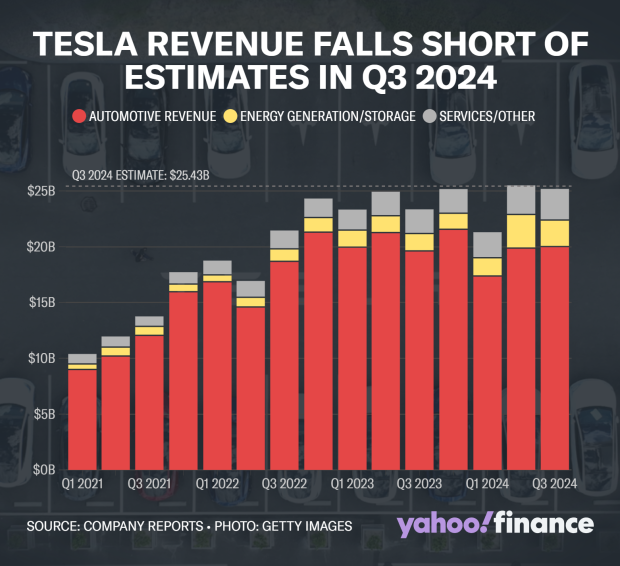
While automotive sales account for the bulk of revenue, Tesla’s “Energy Generation and Storage” and “Services and Other” segments are becoming increasingly important. The Energy segment includes Powerwalls and Megapacks (industrial-scale batteries). High growth in this area is often viewed as a “hidden” value driver, as energy storage margins can eventually rival or exceed automotive margins. If these segments grow faster than the car business, it supports the argument that Tesla is a diversified energy platform.
Preparing Your Portfolio for Earnings Season Volatility
Trading or holding Tesla through an earnings report is not for the faint of heart. The stock is famous for double-digit percentage moves in the “after-hours” and “pre-market” sessions following a report.
Analyzing Historical Post-Earnings Price Action
Historically, Tesla’s stock price does not always follow the logic of the “beat or miss.” A company can “beat” on both revenue and earnings per share (EPS), but if the CEO’s commentary during the conference call is perceived as cautious, the stock may plummet. Conversely, a “miss” on earnings can be overshadowed by the announcement of a new product timeline or a breakthrough in autonomous driving technology. Investors should look at the “implied move”—a calculation derived from options pricing—to understand how much the market expects the stock to swing.
Long-term Investment vs. Short-term Trading
For the long-term investor, the specific date of an earnings report is less important than the multi-year trend of the data. One bad quarter due to a factory upgrade or a shipping delay in the Red Sea is often a “noise” event. However, for short-term traders, earnings represent a high-risk, high-reward opportunity. Many disciplined investors choose to “hedge” their positions using options or by reducing their position size before the report to mitigate the risk of a gap down in price.
The Influence of the Conference Call
The earnings press release is only half the story. The subsequent conference call, often featuring Elon Musk and the executive team, provides the “color” behind the numbers. Questions from institutional analysts and retail shareholders (via platforms like Say Technologies) often force the leadership to address concerns regarding the FSD (Full Self-Driving) roadmap, lithium prices, or AI hardware clusters. The tone of these calls can drastically shift the market sentiment within minutes.
The Broader Economic Context of Tesla’s Financial Reports
Tesla does not operate in a vacuum. When analyzing their earnings, it is vital to consider the macroeconomic environment that dictates consumer behavior and corporate costs.
Interest Rates and Consumer Demand
As a high-ticket purchase, most Teslas are financed via loans or leases. High-interest rates increase the monthly payment for consumers, effectively acting as a price hike. In its earnings reports, Tesla often discusses how the Federal Reserve’s monetary policy impacts their ability to move inventory. Investors should look for commentary on “affordability” and how the company is using financial incentives (like subsidized interest rates) to maintain volume.
Global Competition and Market Share
Tesla’s earnings provide a window into the global shift toward electrification. The report typically breaks down performance by region: North America, Europe, and China. China is particularly critical, as it is both the world’s largest EV market and the home of Tesla’s most formidable competitors, such as BYD. A decline in Chinese market share or margins is often interpreted as a sign of trouble, while strength in that region suggests Tesla’s brand remains resilient against low-cost competitors.
In conclusion, “when Tesla reports earnings” is a question that marks a pivotal moment for the financial markets every three months. By understanding the reporting cycle, focusing on the right metrics like gross margins and free cash flow, and maintaining a perspective on the broader economic landscape, investors can turn these high-volatility events into informed opportunities for wealth management and strategic portfolio growth.
aViewFromTheCave is a participant in the Amazon Services LLC Associates Program, an affiliate advertising program designed to provide a means for sites to earn advertising fees by advertising and linking to Amazon.com. Amazon, the Amazon logo, AmazonSupply, and the AmazonSupply logo are trademarks of Amazon.com, Inc. or its affiliates. As an Amazon Associate we earn affiliate commissions from qualifying purchases.