
Understanding the precise timing of stock market operations is a fundamental piece of knowledge for any investor, from the novice just dipping their toes into the world of finance to the seasoned professional navigating complex global portfolios. The question “When do stocks open?” might seem straightforward, but its answer encompasses a nuanced world of standard trading sessions, extended hours, international markets, and the strategic implications these timings hold for investment decisions. This article delves into the intricacies of market hours, exploring why they matter, how they vary across the globe, and what opportunities and challenges they present to investors in the dynamic landscape of modern finance.
The Standard Trading Day: Unpacking Global Market Hours
At its core, the concept of a “trading day” refers to the specific hours during which a stock exchange officially operates for the buying and selling of securities. These standard hours are designed to concentrate liquidity, provide regulatory oversight, and facilitate efficient price discovery. However, what constitutes a standard trading day is not uniform across the globe; it varies significantly by exchange and geographical region.
North American Exchanges (NYSE, NASDAQ)
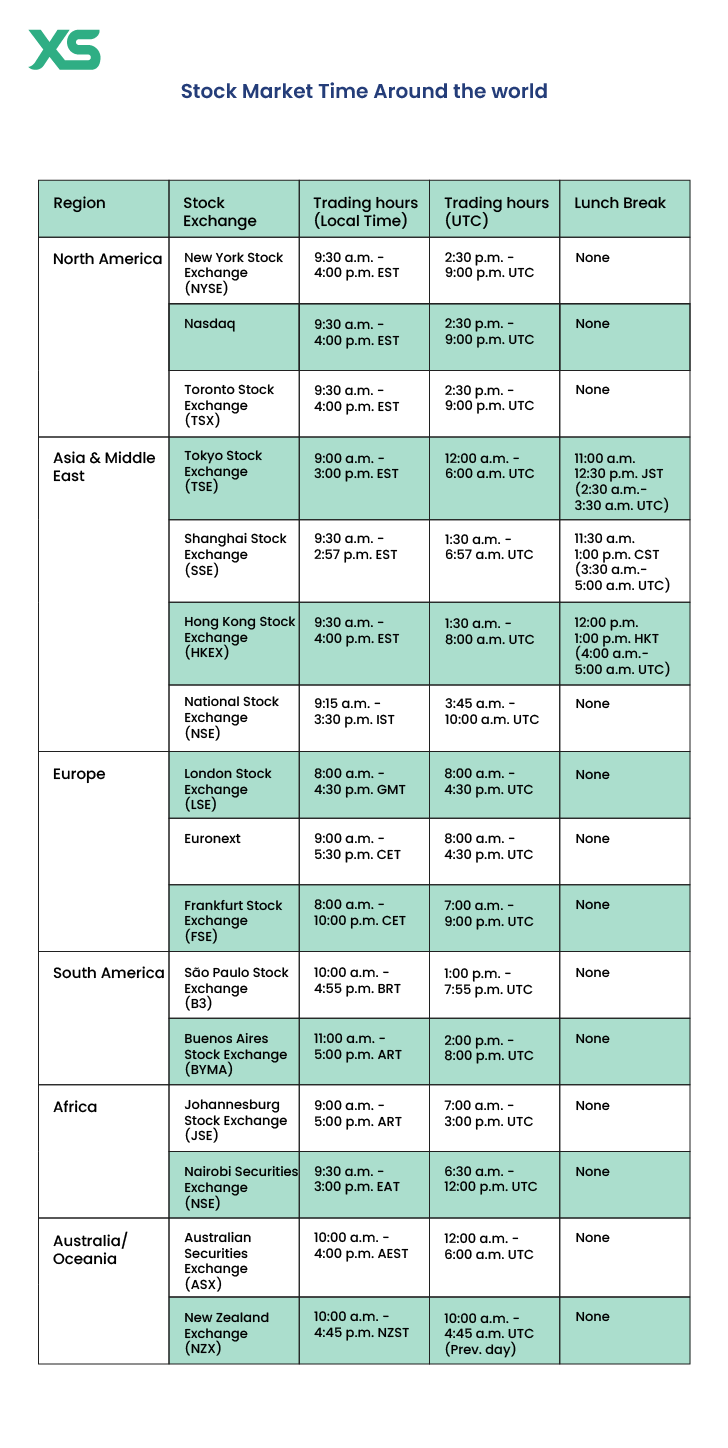
In the United States, the two most prominent stock exchanges, the New York Stock Exchange (NYSE) and the NASDAQ, share the same standard trading hours. These run from 9:30 AM Eastern Time (ET) to 4:00 PM ET, Monday through Friday. This seven-and-a-half-hour window is often referred to as “regular trading hours” or “market hours.” During this period, the vast majority of trading activity occurs, characterized by high liquidity and tighter bid-ask spreads. These hours are also crucial for the dissemination of major economic news, corporate earnings reports, and analyst ratings, which often have an immediate and significant impact on stock prices.
European Exchanges (LSE, Euronext, Deutsche Börse)
Europe’s major exchanges follow slightly different schedules, often reflecting local business customs and time zones. The London Stock Exchange (LSE) operates from 8:00 AM GMT to 4:30 PM GMT, providing a substantial window that overlaps with both Asian and North American markets during different parts of its session. Euronext, which covers exchanges in Paris, Amsterdam, Brussels, Lisbon, and Dublin, generally trades from 9:00 AM CET to 5:30 PM CET. Meanwhile, the Deutsche Börse (Frankfurt Stock Exchange) typically opens for Xetra trading at 9:00 AM CET and closes at 5:30 PM CET. These variations highlight the importance of being aware of local times when participating in European markets, especially for investors managing multi-national portfolios.
Asian Exchanges (SSE, TSE, HKEX)
Asia’s markets are often the first to open each trading week, reflecting the continuous flow of global commerce. The Shanghai Stock Exchange (SSE) and the Shenzhen Stock Exchange operate with a lunch break, trading from 9:30 AM to 11:30 AM China Standard Time (CST), then reopening from 1:00 PM to 3:00 PM CST. The Tokyo Stock Exchange (TSE) in Japan follows a similar structure, with trading from 9:00 AM to 11:30 AM JST, followed by a break, and then from 12:30 PM to 3:00 PM JST. The Hong Kong Stock Exchange (HKEX), a significant financial hub, also incorporates a lunch break, with trading from 9:30 AM to 12:00 PM HKT and then from 1:00 PM to 4:00 PM HKT. The presence of a lunch break is a distinctive feature in many Asian markets, influencing daily liquidity patterns.
Key Takeaways on Standard Hours
The diversity in standard trading hours across continents underscores a critical point: the global stock market is not a single, monolithic entity. Instead, it is a mosaic of interconnected exchanges, each with its own rhythm and local considerations. Investors need to be acutely aware of these timings, not just for direct trading but also for understanding how news released in one time zone can impact market sentiment and asset prices when other markets open later in the global trading day. Holidays, half-days, and unforeseen closures (e.g., due to severe weather) also periodically alter these schedules, necessitating constant vigilance for active traders.
Beyond the Bell: Pre-Market and After-Hours Trading
While standard trading hours define the core of daily market activity, the advent of electronic trading platforms has significantly extended the window during which investors can buy and sell stocks. This expanded timeframe is known as “extended-hours trading,” encompassing both pre-market and after-hours sessions.
Understanding Extended-Hours Trading
Pre-market trading refers to the period before the official market open. In the U.S., this typically runs from 4:00 AM ET to 9:30 AM ET.
After-hours trading occurs after the official market close, usually from 4:00 PM ET to 8:00 PM ET.
These sessions allow investors to react to news, earnings announcements, or global market movements that occur outside regular trading hours. For instance, a company might release its quarterly earnings report at 4:30 PM ET, and investors can immediately trade its stock in the after-hours session rather than waiting until the next day’s market open. This immediate reaction can prevent significant price gaps at the next market open.
Advantages of Trading Outside Standard Hours
One of the primary benefits of extended-hours trading is the ability to react swiftly to breaking news. This can be crucial for capitalizing on opportunities or mitigating potential losses before the full market reacts. It also offers flexibility for investors whose schedules do not align with standard market hours, allowing them to manage their portfolios at their convenience. Furthermore, extended hours can provide a sneak peek into potential market direction for the upcoming regular session, as institutional investors and high-frequency trading firms often initiate positions during these times.
Disadvantages and Risks of Extended Trading
Despite its advantages, extended-hours trading comes with significant risks. The most prominent disadvantage is lower liquidity. With fewer participants, bid-ask spreads tend to be wider, meaning investors might pay more to buy and receive less to sell. This lack of liquidity can also lead to greater price volatility, as even small orders can have a magnified impact on stock prices. Orders placed during extended hours might also be filled at prices significantly different from the last reported price in the regular session. Furthermore, not all order types (e.g., stop orders) may be available, and many brokers offer limited customer support during these times, leaving investors with fewer resources in a volatile environment.
How to Access Extended-Hours Trading
Accessing extended-hours trading is typically straightforward for most retail investors. Brokerage firms that support this functionality usually allow investors to place “extended hours” or “good-until-canceled” orders that specify trading outside regular hours. It’s crucial, however, to understand the specific rules and limitations set by your broker and to be aware of the inherent risks associated with these less liquid trading periods. Using limit orders is highly recommended during extended hours to control the price at which your trade is executed, mitigating the risk of unfavorable fills due to wider spreads or sudden price swings.
Why Trading Hours Matter: Strategic Implications for Investors
The specific timing of stock market operations is far more than just a scheduling detail; it profoundly influences market dynamics, investor behavior, and overall investment strategy. Understanding these implications is crucial for making informed decisions and navigating the market effectively.
Volatility and Liquidity Patterns
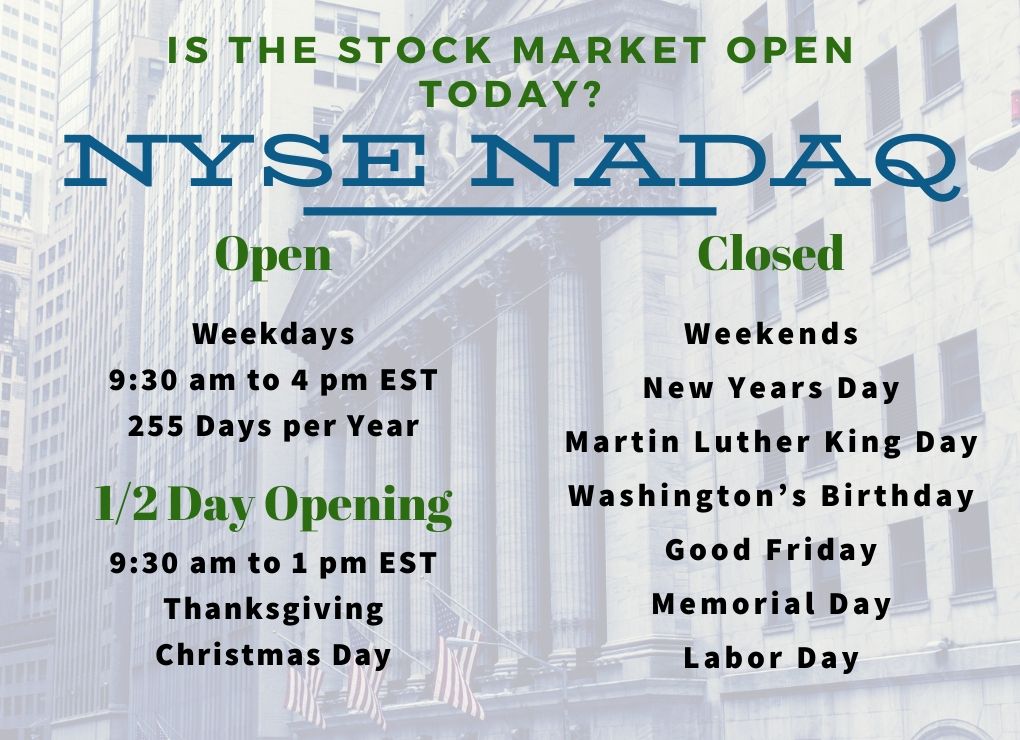
Market opening and closing times are often periods of heightened volatility. At the open, a rush of accumulated orders from overnight news, pre-market trading, and global market movements can lead to sharp price swings. Similarly, at the close, investors might be rushing to fill orders or adjust positions, creating another surge in activity. These moments of increased volatility can present both opportunities for nimble traders and risks for less experienced investors. Liquidity, on the other hand, is generally highest during the middle of the standard trading day, when the maximum number of participants are active, leading to tighter spreads and more efficient execution of trades.
Impact on News and Earnings Releases
Companies and economic bodies strategically time their announcements to coincide with specific market hours. Earnings reports, for instance, are often released either before the market opens (e.g., 7:00 AM ET) or after it closes (e.g., 4:15 PM ET). This timing allows investors to digest the information and for pre-market or after-hours trading to absorb some of the initial reaction before the full weight of the market comes to bear. Major economic data, such as inflation reports or employment figures, are often released precisely at 8:30 AM ET, giving the market 60 minutes to process the data before the opening bell at 9:30 AM ET. The timing of these releases directly impacts how and when investors should react.
Managing Risk and Opportunity
For active traders, understanding market hours is essential for managing risk and capitalizing on short-term opportunities. Trading during highly volatile opening or closing periods requires a clear strategy and robust risk management to avoid significant losses. Conversely, the increased volatility can offer larger potential gains for those who can accurately predict short-term price movements. Long-term investors, while less concerned with minute-by-minute fluctuations, still benefit from understanding how market hours influence broader sentiment and stock valuations, especially when planning to initiate or liquidate large positions.
The Psychology of Market Opens and Closes
The market’s opening and closing hours also have a psychological dimension. The opening bell symbolizes a fresh start, often accompanied by optimism or fear based on overnight news. The closing bell marks the end of the day’s battle, with traders locking in gains or losses. This psychological aspect can sometimes amplify price movements, as herd mentality or emotional trading becomes more prevalent during these concentrated periods of activity. Savvy investors learn to recognize these patterns and distinguish between genuine market shifts and temporary emotional surges.
Factors Shaping Market Openings and Investor Decisions
The operational hours of stock markets are not static and are influenced by a confluence of factors, ranging from fundamental economic principles to technological advancements and geopolitical realities. These underlying influences significantly impact not only when markets are open but also how investors perceive and react to market activity during those times.
Economic Data Releases
Macroeconomic announcements play a pivotal role in shaping market sentiment and influencing trading patterns, particularly around market openings. Data such as GDP growth, inflation rates, unemployment figures, and interest rate decisions are closely watched. When these reports are released, especially just before or after market hours, they can trigger significant price adjustments in the pre-market or after-hours sessions, setting the tone for the upcoming regular trading day. Investors must monitor economic calendars diligently to anticipate these events and their potential impact.
Geopolitical Events
Global geopolitical events have an undeniable and often immediate impact on financial markets. Major political announcements, international conflicts, trade disputes, or significant policy shifts in key economies can lead to market volatility. These events often unfold irrespective of standard trading hours, prompting reactions in extended-hours trading or causing markets to open with a “gap” either up or down, reflecting overnight news. Understanding the geopolitical landscape is therefore critical for anticipating market movements around opening times.
Corporate Announcements
Companies routinely make announcements that affect their stock prices, including earnings reports, dividend declarations, mergers and acquisitions (M&A) news, product launches, or leadership changes. As noted, these are frequently timed outside regular trading hours to give all investors an equal opportunity to process the information before the next official trading session. An unexpected positive or negative announcement can lead to significant price movements in pre-market or after-hours trading, dictating the stock’s trajectory at the regular open.
Technological Influence
The evolution of trading technology has profoundly shaped market hours and trading access. Electronic communication networks (ECNs) and algorithmic trading platforms have made extended-hours trading possible, offering direct access to liquidity pools outside traditional exchange hours. High-frequency trading (HFT) firms, leveraging advanced technology, are particularly active around market openings and closings, contributing to both liquidity and volatility. The continuous development of these technologies suggests that market access and trading opportunities will continue to evolve, potentially pushing towards even longer or more fragmented trading periods globally.
Navigating International Markets and Time Zones
For the globally-minded investor, understanding the interplay of international market hours and time zones is not just an advantage but a necessity. The continuous cycle of global trading means that while one market closes, another is preparing to open, creating an almost perpetual flow of information and capital.
Understanding Market Overlap
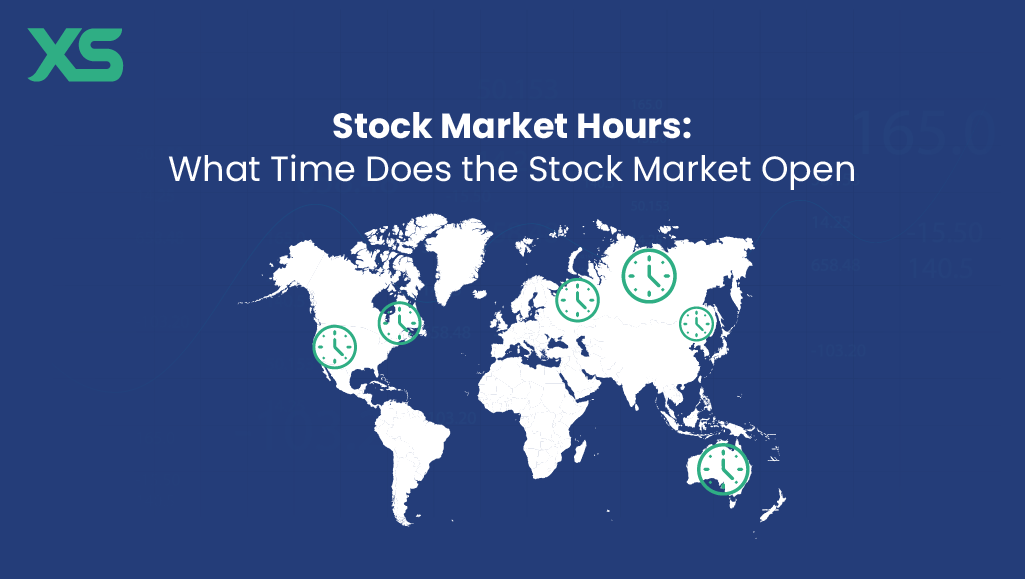
A key aspect of global trading is market overlap. For example, the latter part of the Asian trading session often overlaps with the opening of European markets, which in turn overlaps significantly with the North American trading day. This overlap creates periods of enhanced liquidity and increased volatility, as news and events from one region can rapidly ripple through other active markets. For investors, this means that even if the domestic market is closed, global events can still impact their portfolio as asset prices adjust in other open markets.
The “Always Open” Global Market
In essence, the collective global stock market is “always open” somewhere. From Sydney and Tokyo to London and New York, there is always an exchange facilitating trade on any given weekday. This continuous operation necessitates a global perspective for serious investors. News breaking in one part of the world (e.g., an economic crisis in Asia) can trigger declines in European and American markets hours later, underscoring the interconnectedness of global finance. Diversification across different geographical markets not only spreads risk but also exposes an investor to these distinct trading rhythms.
Strategies for Global Investors
Investors with international exposure must develop strategies to account for varying market hours. This might include:
- Monitoring global economic calendars: Keeping track of key data releases and events in relevant markets.
- Utilizing extended-hours trading: To react to news from foreign markets before the domestic market opens.
- Leveraging technology: Using trading platforms that offer real-time data and news feeds from multiple regions.
- Understanding currency fluctuations: As international investments involve currency exchange, the interplay between market hours and forex trading times is also critical.
- Risk management: Implementing robust stop-loss orders or other risk mitigation techniques, particularly when markets are closed and unable to react to unfolding global events.
In conclusion, the seemingly simple question of “When do stocks open?” unveils a complex, dynamic, and globally interconnected system. From the standard trading hours of major exchanges to the extended opportunities of pre- and after-hours trading, and the influence of diverse global factors, the timing of market operations is central to investment strategy. A comprehensive understanding of these intricacies empowers investors to make more informed decisions, manage risks effectively, and navigate the ever-evolving landscape of global financial markets with greater confidence and insight.
aViewFromTheCave is a participant in the Amazon Services LLC Associates Program, an affiliate advertising program designed to provide a means for sites to earn advertising fees by advertising and linking to Amazon.com. Amazon, the Amazon logo, AmazonSupply, and the AmazonSupply logo are trademarks of Amazon.com, Inc. or its affiliates. As an Amazon Associate we earn affiliate commissions from qualifying purchases.