
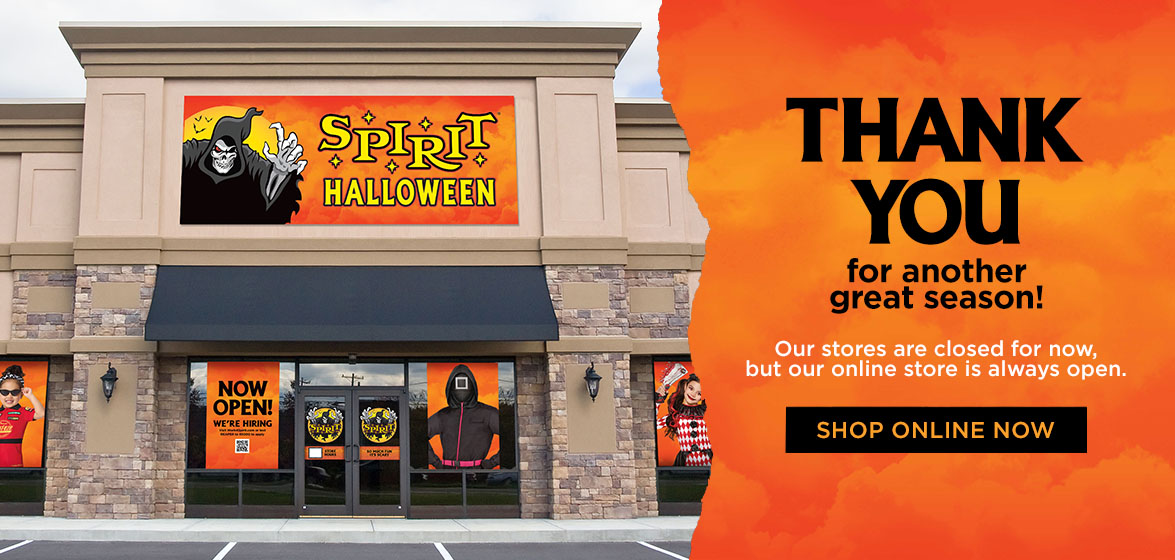
The iconic purple and black façade of a Spirit Halloween store emerging from a vacant retail space is, for many, the unofficial herald of autumn. It’s more than just a pop-up shop; it’s a cultural phenomenon, a bellwether for the impending spooky season, and a testament to an exceptionally executed seasonal brand strategy. The seemingly simple question, “When do Spirit Halloweens open?” unlocks a fascinating narrative about brand anticipation, agile marketing, and the precise orchestration required to dominate a highly compressed retail window. For brand strategists and marketers, Spirit Halloween offers invaluable lessons in cultivating buzz, optimizing timing, and converting temporary presence into lasting brand equity.

The Strategic Timing of Spirit Halloween’s Seasonal Launch
The opening date of a Spirit Halloween store isn’t a random decision; it’s the culmination of extensive market research, historical data analysis, and a deep understanding of consumer psychology. This precision timing is fundamental to their brand identity, transforming what could be a logistical headache into a highly anticipated event.
Cultivating Anticipation: The Brand’s Pre-Opening Buzz
Spirit Halloween has mastered the art of suspense. Unlike year-round retailers that aim for consistent visibility, Spirit thrives on its fleeting nature. The appearance of their signature signage on an otherwise dormant building ignites a chain reaction of social media chatter, local news interest, and consumer speculation. This organic, grassroots buzz effectively serves as a powerful, low-cost pre-opening marketing campaign. People don’t just ask if Spirit Halloween is opening; they eagerly await when it will, turning the initial sighting of a “Coming Soon” banner into a shared communal event. This brand strategy leverages the human tendency towards nostalgia and the thrill of scarcity. By creating a temporary retail experience, Spirit Halloween implicitly encourages immediate engagement, knowing that what’s here today will be gone tomorrow. The brand understands that anticipation isn’t just about waiting; it’s about building excitement that translates directly into foot traffic on opening day.
Data-Driven Decisions: Optimizing Opening Dates for Peak Engagement
While the exact opening dates can vary by location and year, Spirit Halloween typically begins to appear in late August, with the majority of stores opening their doors throughout September. This window is meticulously chosen. Opening too early risks diluting the Halloween excitement, making consumers feel that the season is dragging. Opening too late could mean missing out on the initial wave of costume planners and party hosts. The brand employs sophisticated data analytics, scrutinizing past sales figures, local demographic trends, weather patterns, and even competitive activity to pinpoint the optimal launch sequence for each market. This scientific approach ensures that stores are ready to capitalize on the rising tide of Halloween enthusiasm, striking a delicate balance between being first-to-market and not burning out their audience too soon. Their agility in securing short-term leases in high-traffic areas also allows them to fine-tune these opening schedules based on real-time opportunities and market responsiveness.
The Pop-Up Phenomenon: Leveraging Impermanence for Brand Value
Spirit Halloween’s entire business model is a masterclass in the pop-up phenomenon. Their temporary nature isn’t a limitation; it’s a core component of their brand value proposition. By occupying vacant retail spaces, often in prime locations, they breathe temporary life into dormant commercial areas, creating a sense of novelty and urgency. This impermanence fosters a “fear of missing out” (FOMO) mentality among consumers, prompting them to visit sooner rather than later. Furthermore, the brand identity is inextricably linked to this transient model. Every year, their return is celebrated, reinforcing their position as the quintessential Halloween retailer. This strategy not only reduces overhead costs associated with year-round leases but also keeps the brand fresh and exciting. Each season feels like a grand return, not merely another day of business, which is a powerful differentiator in a competitive retail landscape.
Marketing the Ephemeral: Spirit Halloween’s Brand Engagement Playbook
Marketing a brand that exists for only a few months each year requires a unique and highly effective strategy. Spirit Halloween’s playbook combines digital savvy, strategic physical presence, and a keen understanding of their target demographic to maximize their brief window of opportunity.
Digital Dominance: Social Media and Online Presence
While their physical stores are seasonal, Spirit Halloween maintains a robust year-round digital presence, particularly on social media. Their online channels serve as the primary communication hub for announcements regarding opening dates, product reveals, and engaging content that sustains brand interest even in the off-season. Posts featuring costume ideas, DIY Halloween decor, and fan-generated content keep the community engaged. As opening season approaches, their digital platforms become command centers for excitement, sharing teasers, countdowns, and user-generated content of spotting “Spirit Halloween coming soon” signs. This digital strategy amplifies the physical unveiling, turning local sightings into nationwide trending topics. Furthermore, their e-commerce site operates continuously, allowing customers to shop for costumes and decorations year-round, blurring the lines between their seasonal physical footprint and their permanent digital storefront. This integrated approach ensures that the brand remains top-of-mind, translating digital engagement into physical store visits when the season hits its peak.
Location, Location, Location: Identifying and Activating Retail Spaces
The strategic selection and rapid activation of retail spaces are critical to Spirit Halloween’s brand delivery. They excel at identifying undervalued or temporarily vacant commercial properties – often former big-box stores – and transforming them into immersive Halloween experiences within weeks. This process is a logistical marvel, involving quick lease negotiations, rapid build-outs, and efficient merchandising. The choice of location isn’t just about availability; it’s about proximity to target demographics, visibility, and ease of access. Each chosen site becomes a temporary brand beacon, signaling the arrival of Halloween. The very act of repurposing these spaces contributes to the brand’s mystique, making each store feel like a unique, albeit temporary, discovery. This spatial strategy is a physical manifestation of their brand’s ephemeral nature, creating a sense of urgency and novelty that permanent retailers struggle to replicate.

From Niche to Mainstream: Broadening Brand Appeal
Originally catering to a specific Halloween enthusiast demographic, Spirit Halloween has skillfully broadened its appeal to become a mainstream cultural staple. This expansion is evident in their increasingly diverse product offerings, which now span from elaborate professional-grade costumes to family-friendly outfits, decorations for various tastes, and even licensed merchandise from popular movies and TV shows. Their marketing messaging has evolved to embrace all facets of Halloween celebration, from spooky horror to whimsical fun, attracting a wider audience. This brand evolution is critical for maximizing sales during their limited operational window. By positioning themselves as the ultimate one-stop shop for everything Halloween, they capture a larger share of consumer spending, solidifying their status as the dominant player in the seasonal retail market. Their ability to cater to both the hardcore Halloween fan and the casual celebrant demonstrates a sophisticated understanding of their market and a flexible brand identity.
Operational Excellence in a Compressed Timeline
The successful execution of Spirit Halloween’s brand strategy hinges on an incredibly efficient and agile operational framework. To open hundreds of stores simultaneously, staff them, stock them, and then dismantle them, all within a few months, demands a level of operational excellence that few businesses achieve.
Supply Chain Agility: Stocking Up for the Rush
The logistics of supplying hundreds of temporary stores with thousands of unique products in a condensed timeframe are staggering. Spirit Halloween’s supply chain is designed for extreme agility and responsiveness. They manage vast inventories of costumes, props, and decorations, coordinating shipments to arrive precisely when stores are being set up. This requires meticulous planning with manufacturers, efficient warehousing, and a sophisticated distribution network capable of scaling up rapidly. The brand’s ability to predict seasonal trends and order the right mix of merchandise well in advance is crucial for meeting consumer demand and minimizing end-of-season inventory write-offs. Their supply chain is not just about moving goods; it’s about ensuring that the brand promise – “everything Halloween” – is consistently delivered across all locations, regardless of their temporary status.
Staffing for the Season: Building a Temporary Workforce
One of the biggest operational challenges for any seasonal business is staffing. Spirit Halloween recruits and trains thousands of temporary employees each year, from store managers to sales associates. Their HR strategy focuses on quick onboarding, effective training, and fostering a positive, enthusiastic work environment that reflects the fun and festive nature of the brand. They often leverage their strong brand appeal to attract seasonal workers who are enthusiastic about Halloween, turning a potential hurdle into a recruitment advantage. This ability to rapidly scale their workforce is essential for providing a consistent brand experience across all their pop-up locations, ensuring that customers receive knowledgeable and helpful service during the peak rush.
Brand Experience Across Diverse Locations
Maintaining a consistent brand experience across potentially hundreds of diverse, temporary retail spaces is a significant undertaking. Spirit Halloween achieves this through standardized store layouts, merchandising guidelines, and visual branding elements. Despite occupying different former businesses (e.g., a defunct Kmart one year, a vacant Staples the next), each Spirit Halloween store delivers a recognizable, immersive shopping environment. The purple and black color scheme, the themed decor, and the extensive product selection all contribute to a cohesive brand identity, regardless of the building’s previous life. This consistency reinforces the brand’s reliability and familiarity, making each new opening feel like a comforting return rather than a completely new, unknown retail experience. It’s a testament to their brand guidelines and operational discipline that they can transform disparate spaces into a singular, memorable Halloween destination.
The Future of Seasonal Retail and Brand Longevity
Spirit Halloween’s enduring success is not just about what they do during the Halloween season, but how their strategy positions them for sustained brand relevance and continued growth in the evolving retail landscape.
Adapting to Evolving Consumer Behavior
The retail world is constantly changing, driven by shifts in consumer behavior, technological advancements, and economic fluctuations. Spirit Halloween consistently adapts its brand strategy to remain resonant. This includes expanding their online offerings to complement the physical stores, embracing digital marketing trends, and diversifying their product range to meet varying customer preferences. As consumers increasingly prioritize experiential shopping, Spirit Halloween’s unique pop-up model inherently offers an experience that year-round retailers often strive for. Their future success will depend on continuing to innovate within this model, perhaps by integrating more interactive elements in stores or leveraging augmented reality for costume previews. The question of “when they open” might evolve to include more online pre-sales or virtual launch events, further blurring the lines between physical and digital retail.
Innovation in the Spooky Season
To maintain its dominant position, Spirit Halloween consistently innovates. This means not just offering new costumes and decorations, but also exploring new ways to engage with its audience. Future innovations might include subscription boxes for Halloween enthusiasts, partnerships with entertainment brands for exclusive merchandise, or even extending their pop-up concept to other niche seasonal events (though this would significantly alter their current brand identity tied to Halloween). The brand’s ability to remain agile, responsive, and creative within its highly specialized niche will be key to its longevity. By continuously refining their opening strategy, marketing efforts, and operational excellence, Spirit Halloween ensures that their annual return remains not just an opening, but an eagerly anticipated cultural event, solidifying its legacy as a true master of seasonal brand strategy.
aViewFromTheCave is a participant in the Amazon Services LLC Associates Program, an affiliate advertising program designed to provide a means for sites to earn advertising fees by advertising and linking to Amazon.com. Amazon, the Amazon logo, AmazonSupply, and the AmazonSupply logo are trademarks of Amazon.com, Inc. or its affiliates. As an Amazon Associate we earn affiliate commissions from qualifying purchases.