
Every year, as the heat of mid-August begins to wane, a familiar orange-and-black banner begins to drape over the hushed remains of former department stores and defunct big-box retailers. The arrival of Spirit Halloween is more than just a retail opening; it is a cultural signal that the “spooky season” has officially arrived. While many consumers simply wonder, “When do Spirit Halloween stores open?” the answer reveals a sophisticated brand strategy that has turned a seasonal pop-up into a multi-million-dollar powerhouse.
In an era where traditional brick-and-mortar retail is struggling against the tide of e-commerce, Spirit Halloween has mastered a unique “zombie” retail model. By understanding the psychology of the seasonal consumer and leveraging a transient real estate strategy, the brand has created a blueprint for success that other industries are now attempting to replicate.
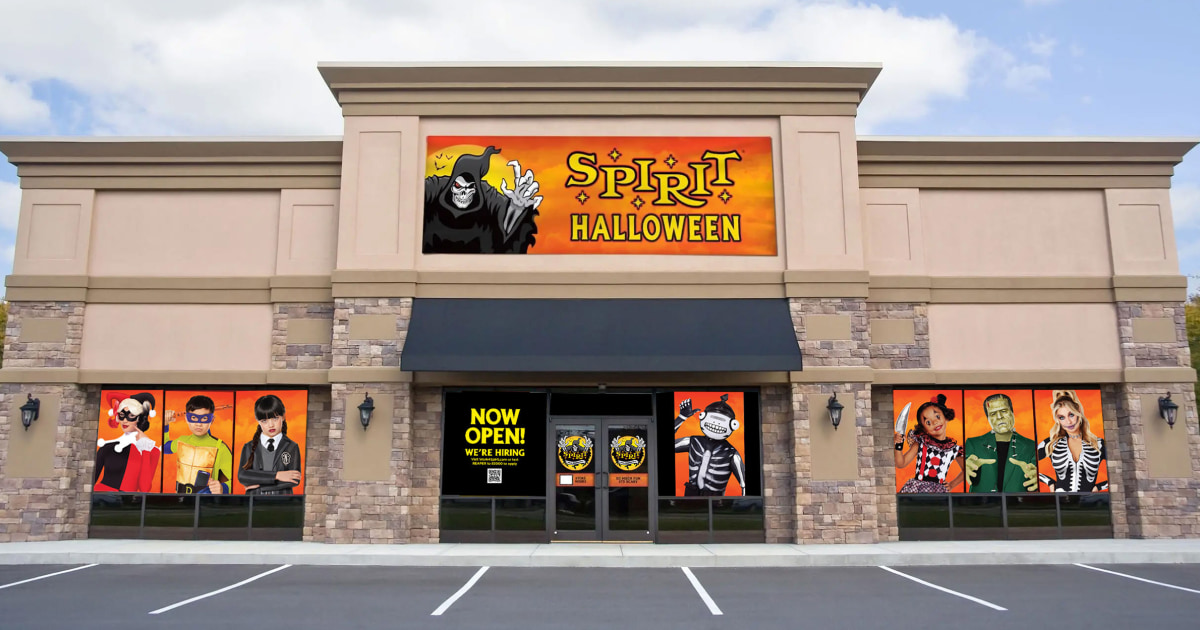
The Strategic Calendar: When and Why Spirit Halloween Stores Open
To the casual observer, Spirit Halloween stores seem to appear overnight. However, the timing of their opening is a calculated brand maneuver designed to capture maximum market share before competitors even stock their first pumpkin-scented candle.
The August Launch and the “Early Halloween” Movement
Spirit Halloween typically begins opening its flagship locations and early-bird stores in late July or early August. By Labor Day, the majority of their 1,500+ locations are fully operational. This early opening is a deliberate attempt to capitalize on “Summerween,” a growing consumer trend where enthusiasts begin decorating and planning months in advance. By being the first to market, Spirit Halloween establishes itself as the primary destination, capturing the “enthusiast” segment of the market—those who spend the most on high-end animatronics and elaborate costumes.
Building Anticipation Through the “Store Locator” Countdown
The brand uses its digital presence to build hype long before the physical doors open. The “Store Locator” feature on their website becomes a hub of activity in mid-summer. By keeping specific opening dates slightly fluid based on local permits and construction, the brand creates a sense of “treasure hunting.” Fans check the site repeatedly, increasing digital engagement and brand recall. This strategy transforms a logistical necessity into a marketing event.
Seasonal Scarcity as a Brand Driver
The reason the “when” is so important to Spirit Halloween is rooted in the psychological principle of scarcity. Because consumers know the store will vanish by the first week of November, there is an inherent “buy it now” pressure. Unlike permanent retailers who can rely on year-round sales, Spirit’s brand identity is built on the ephemeral. This creates a high-velocity sales environment where the opening date acts as the starter pistol for a three-month sprint.
The “Zombie” Retail Model: A Masterclass in Brand Identity and Real Estate
Spirit Halloween has perfected the art of the pop-up, but calling it a “pop-up” almost undersells the complexity of their corporate identity. They have branded the concept of “temporary occupancy,” turning what could be a weakness—not having a permanent home—into a core strength.
Leveraging Visual Cues in Vacant Spaces
The brand’s ability to transform a cold, empty Sears or Bed Bath & Beyond into a vibrant, immersive experience in just a matter of days is a testament to their visual identity guidelines. They utilize standardized “Store-in-a-Box” kits that ensure every location, regardless of its previous tenant, feels like a Spirit Halloween. This consistency builds consumer trust. When you see the iconic Jack the Reaper logo, you know exactly what the interior experience will entail, regardless of whether you are in a mall in Ohio or a strip center in California.
The Marketing Genius of Real Estate Arbitrage
From a brand strategy perspective, Spirit Halloween has become synonymous with the “retail apocalypse.” However, they have flipped the narrative. Instead of being seen as a sign of economic decline, the Spirit banner has become a meme-ified symbol of resilience. Their brand team leans into this, often engaging with social media trends that joke about where the next Spirit will open. This self-aware marketing has helped the brand stay relevant with Gen Z and Millennial audiences who value authenticity and humor.

Experiential Retail in a Digital Age
While most people go to Spirit to buy a costume, many go simply for the “experience.” The brand invests heavily in in-store animatronic displays and “try-me” buttons. This creates a destination-style atmosphere that e-commerce cannot replicate. By making the stores an “event” to visit, Spirit Halloween ensures that their physical opening is a foot-traffic driver for neighboring businesses, further strengthening their brand reputation as a “savior” of the shopping mall.
Consumer Psychology and the Power of Niche Branding
Spirit Halloween does not try to be everything to everyone. Their brand strategy is laser-focused on a specific emotional state: the nostalgia and excitement of Halloween. By narrowing their focus, they have achieved a level of brand authority that general retailers like Target or Walmart struggle to match.
The Authority of the Specialist
When a consumer enters a Spirit store, they are surrounded by experts in the niche. The brand curates its inventory to include everything from budget-friendly accessories to $500 professional-grade props. This “good-better-best” product hierarchy allows the brand to appeal to a wide demographic while maintaining its status as the definitive authority on the holiday. Their brand message is clear: “We are Halloween.”
Cultivating Year-Round Engagement
A major challenge for a seasonal brand is maintaining relevance during the “off-season.” Spirit Halloween solves this through social media and community management. They treat their “fans” (not just customers) as a community of enthusiasts. By teasing new animatronic releases in May or June, they keep the brand conversation alive during the spring. This year-round engagement ensures that when the “When do they open?” question starts trending in July, the brand already has a captive audience waiting.
Licensed Content as a Brand Moat
One of Spirit’s most powerful brand assets is its massive portfolio of licensed intellectual property. From Hocus Pocus to Stranger Things and Ghostbusters, Spirit Halloween secures exclusive rights to specific costume designs and decor. This exclusivity forces fans of these franchises to shop specifically at Spirit, creating a “brand moat” that protects them from competitors.
Adaptation and the Future of the Seasonal Pop-Up
As the retail landscape continues to shift, Spirit Halloween is not resting on its laurels. Their brand strategy is evolving to include more sophisticated digital integrations and a deeper dive into the “fandom” economy.
Bridging the Gap Between URL and IRL
The brand has significantly upgraded its e-commerce capabilities, allowing it to function as a year-round retailer online while maintaining its physical “pop-up” charm. The website serves as a research tool where customers can see “coming soon” items and check local stock. This omnichannel approach ensures that the brand captures the convenience-seeking shopper as well as the experience-seeking one.
The Professionalization of the Pop-Up
Spirit Halloween has set a standard for what temporary retail can look like. They have influenced other sectors, from “Spirit Christmas” experiments to seasonal toy stores. Their success proves that a brand does not need a 12-month lease to have a 12-month impact on the cultural zeitgeist. By focusing on high-impact, short-duration retail, they have created a sustainable business model that thrives on the very volatility that is hurting traditional retailers.

Sustaining Brand Loyalty Through Nostalgia
Ultimately, Spirit Halloween’s greatest brand asset is the emotional connection it fosters. For many, the opening of these stores marks a milestone in the year—a transition from the mundane into a world of imagination and play. By consistently delivering a high-quality, immersive experience every autumn, Spirit has moved beyond being a mere retailer. It has become a seasonal tradition, baked into the very fabric of the North American autumn experience.
In conclusion, when Spirit Halloween stores open, it is not merely a logistical achievement; it is the culmination of a year-long branding cycle. Through strategic timing, a robust “zombie” real estate model, and an unwavering commitment to niche authority, Spirit Halloween has redefined what it means to be a modern brand. They have proven that with the right strategy, you don’t need to be open all year to be a permanent fixture in the minds of consumers.
aViewFromTheCave is a participant in the Amazon Services LLC Associates Program, an affiliate advertising program designed to provide a means for sites to earn advertising fees by advertising and linking to Amazon.com. Amazon, the Amazon logo, AmazonSupply, and the AmazonSupply logo are trademarks of Amazon.com, Inc. or its affiliates. As an Amazon Associate we earn affiliate commissions from qualifying purchases.