
In the intricate world of travel, the price of a flight ticket can fluctuate more wildly than the stock market, leaving many travelers bewildered and frustrated. For the financially savvy individual, however, understanding these dynamics isn’t just about snagging a deal; it’s about optimizing your personal finance strategy, making your hard-earned money go further, and ensuring your travel budget delivers maximum value. This guide delves deep into the algorithms, market forces, and strategic approaches that dictate airfare pricing, empowering you to identify the optimal moments to book and secure significant savings. Consider this an essential component of your personal financial planning for leisure and a critical skill in managing your discretionary spending.
Decoding the Algorithmic Labyrinth of Airfare Pricing
At its core, the pricing of flight tickets is a sophisticated ballet between supply, demand, and advanced algorithmic intelligence. Airlines don’t just pick a number; they employ complex revenue management systems designed to maximize profitability by dynamically adjusting fares based on a multitude of real-time variables. Understanding this foundational principle is the first step in mastering the art of flight savings.
The Ever-Shifting Sands of Supply and Demand
The most fundamental economic principle at play is supply and demand. When a particular route is popular (high demand) and seats are limited (low supply), prices naturally climb. Conversely, if a flight is undersold, airlines will often drop prices to fill seats, preferring some revenue over none. This principle is amplified by specific factors:
- Popular Destinations and Seasons: Flying to Paris in spring or the Caribbean in winter will almost always command higher prices due to peak demand. Conversely, traveling during the “shoulder season” (just before or after peak) or the “off-season” often presents significant savings as demand wanes. This requires a flexible financial outlook, prioritizing experience over strict adherence to conventional travel times.
- Special Events and Holidays: Major holidays (Christmas, Thanksgiving), school breaks, and large-scale events (Olympics, major conferences) create artificial spikes in demand for specific routes, leading to inflated prices. Booking well in advance or avoiding these periods altogether is a key financial tactic.
- Business Travel Impact: Business travelers, often less price-sensitive and requiring specific flight times, can drive up prices on routes popular with corporate clients, especially early morning and late afternoon flights on weekdays. Leisure travelers, with greater flexibility, can leverage this by flying during off-peak hours or days.
The Invisible Hand of Dynamic Pricing Algorithms
Airlines utilize sophisticated algorithms that constantly analyze vast datasets to predict demand and adjust prices. These algorithms consider:
- Booking Trends: How quickly are seats selling on a particular flight? If they’re selling fast, prices will rise.
- Competitor Pricing: Airlines monitor each other’s fares in real-time and adjust their own to remain competitive while maximizing profit.
- Historical Data: Past flight prices for similar routes, times, and seasons inform current pricing strategies.
- Fuel Costs: Fluctuations in fuel prices can indirectly impact ticket prices, though this is usually absorbed into broader pricing models rather than causing instantaneous drops.
- Ancillary Revenue: Algorithms also factor in the potential for revenue from checked bags, seat selection, and other add-ons, which can sometimes lead to lower base fares to attract bookings.
From a personal finance perspective, recognizing the existence and power of these algorithms means accepting that pricing is rarely static. It necessitates a proactive approach rather than a passive wait-and-see mentality.
The “Sweet Spot” for Booking: Timing Your Financial Strike
Identifying the optimal window for booking is perhaps the most critical component of securing lower flight prices. While there’s no magic bullet, extensive data analysis and travel industry insights have revealed discernible patterns that financially astute travelers can exploit.
The Elusive 21-115 Day Window: A General Rule
For domestic flights, the consensus among travel experts suggests that the “sweet spot” for booking often falls between 21 to 115 days (3 weeks to 3.5 months) before departure. Within this window, airlines tend to offer more competitive fares as they aim to fill seats without signaling desperation.
- Booking Too Early: Fares can be higher because airlines initially price tickets to capture early planners, often business travelers, who are willing to pay a premium for certainty.
- Booking Too Late: As the departure date approaches (especially within 2-3 weeks), prices tend to skyrocket. Airlines know that last-minute travelers often have urgent needs and are less price-sensitive, allowing them to charge significantly more. This is a classic supply-and-demand squeeze.
For international flights, the window often extends slightly further, typically 3 to 8 months in advance. This longer lead time accounts for the greater planning required for international travel and the larger price variations that can occur. Early booking here allows you to lock in a potentially lower exchange rate if paying in a foreign currency, further bolstering your financial advantage.
The Best Days to Book and Fly: Micro-Optimizations
Beyond the broader booking window, specific days of the week can offer marginal but worthwhile savings:
- Best Day to Book: While the myth of Tuesday being universally the cheapest day to book is often debunked, many airlines do release sales or adjust prices mid-week, often on Tuesdays or Wednesdays. This is partly due to competitors reacting to each other’s weekend sales or new fare releases.
- Best Days to Fly: Generally, flying on Tuesdays, Wednesdays, and Saturdays tends to be cheaper for domestic routes. For international flights, weekdays often beat weekends. Sunday is almost universally the most expensive day to fly, followed closely by Friday. Shifting your travel by just a day or two can yield significant percentage savings on your total trip cost, freeing up capital for other experiences or investments.
- Avoid Peak Hours: Red-eye flights (late night) or very early morning departures often come with lower price tags than convenient mid-morning or afternoon flights. This trade-off requires a personal financial assessment of comfort versus cost.
Leveraging Tools and Strategies for Proactive Savings
In the digital age, relying solely on guesswork for flight prices is akin to managing your investments without a financial advisor. A plethora of digital tools and strategic approaches can empower you to track, predict, and ultimately secure lower fares.
The Power of Price Alert Systems and Trackers

These digital financial assistants are indispensable for the modern budget traveler.
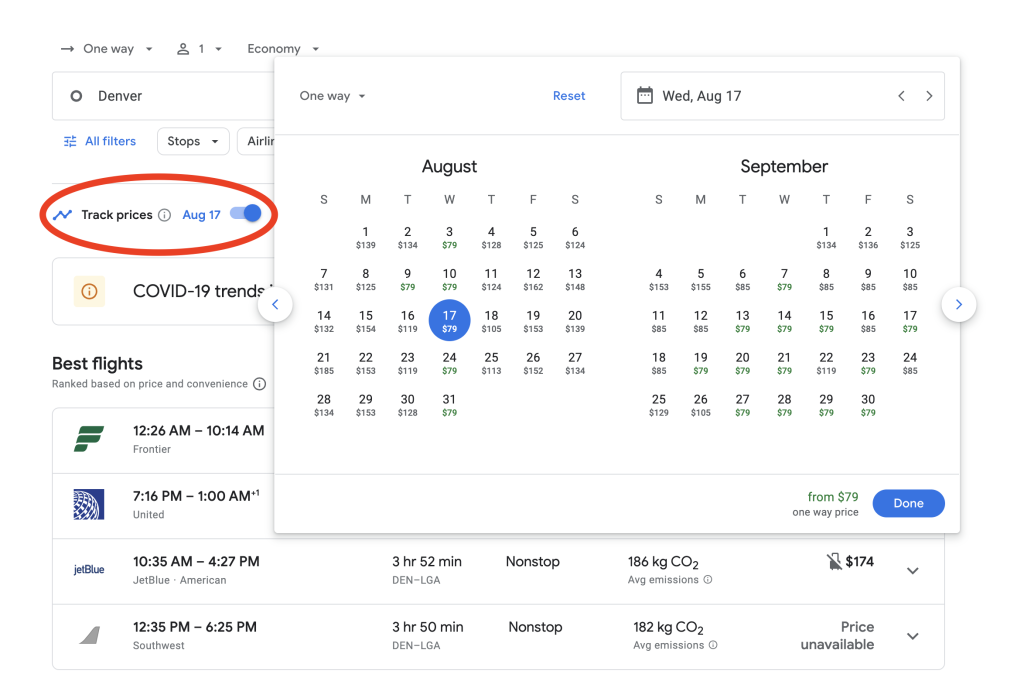
- How They Work: Websites and apps like Google Flights, Skyscanner, Kayak, Hopper, and Expedia allow you to set up price alerts for specific routes and dates. When the fare drops to a certain threshold or changes significantly, you receive an email or push notification.
- Strategic Use: Don’t just set one alert. Set alerts for various dates around your desired travel period, and even for alternative airports. This proactive monitoring allows you to jump on price drops as soon as they occur, ensuring you don’t miss a fleeting opportunity. This is a direct application of automated financial monitoring for consumer spending.
- Hopper’s Prediction Engine: Hopper specifically offers “buy now” or “wait” recommendations based on predictive analytics, giving you a data-driven forecast of whether prices are likely to rise or fall. This is like a mini-financial forecast for your travel budget.
Myth vs. Reality: Incognito Mode and Clearing Cookies
The belief that airlines track your searches and raise prices when you revisit a flight is a persistent myth, though it has roots in genuine tracking.
- The Reality: While websites do use cookies to track your browsing for various purposes (including personalized advertising), there’s no conclusive evidence that individual flight prices dynamically increase because you’ve searched for them multiple times within the same browser session. Price fluctuations are due to the larger algorithmic dynamics mentioned earlier, affecting all users.
- What You Can Do: Using incognito/private browsing mode or clearing your browser’s cookies and cache between searches won’t hurt, and it can sometimes refresh the page and show you the most current, non-cached price. However, don’t rely on this as a primary saving strategy. Your focus should be on timing and flexibility.
Embracing Flexibility: The Ultimate Financial Leverage
Flexibility is perhaps the most potent weapon in your arsenal against high airfares.
- Flexible Dates: If your schedule allows, use “flexible date” search functions (e.g., Google Flights’ calendar view or “explore” feature) to see prices across an entire month. Shifting your departure or return by even a day or two can unlock hundreds of dollars in savings, directly impacting your personal travel budget.
- Flexible Destinations: If your primary goal is simply to “get away” rather than visit a specific place, use “everywhere” or “explore” search options. These tools highlight the cheapest destinations for your chosen dates, allowing spontaneous and financially savvy travel. This approach embodies financial freedom within your leisure spending.
- Considering Alternative Airports: Major cities often have multiple airports. Flying into or out of a smaller, less popular airport in the same region can significantly reduce fares. Factor in the cost and time of ground transportation to determine if the overall savings make it a worthwhile financial decision.
- The Art of the Layover: Direct flights are almost always more expensive than flights with one or more layovers. If your time permits and the savings are substantial, embracing a layover can be a smart financial play.
Post-Purchase Vigilance: Protecting Your Investment
Securing a great flight price doesn’t always end at the booking confirmation. Smart financial management extends to post-purchase vigilance, ensuring you don’t miss out on further savings.
Price Drop Protection and Rebooking Policies
Some airlines or third-party booking sites offer “price drop protection.” If the fare for your specific flight drops after you’ve booked it, they might refund you the difference. However, this is becoming rarer and often comes with caveats. More commonly, if you’ve booked a refundable or changeable fare, you might be able to rebook at the lower price and receive a credit or refund for the difference, minus any change fees. Always read the fare rules carefully. This is an important consideration for your personal finance risk management when purchasing tickets.
Understanding Refundable vs. Non-Refundable Fares
The cheapest fares are almost always non-refundable and non-changeable (or incur significant fees). While these save you money upfront, they offer zero flexibility. For critical travel where uncertainty exists, the slightly higher cost of a flexible fare can be a worthwhile “insurance premium,” protecting your financial outlay in case plans change. This is a classic financial trade-off between upfront savings and contingency planning.
Advanced Tactics for the Savvy Financial Traveler
For those willing to explore more unconventional methods, additional strategies can unlock further savings, though some come with their own set of considerations.
Exploring “Hidden City” Ticketing (with Caveats)
This advanced tactic involves booking a flight that has your desired destination as a layover, but then you simply exit the airport at the layover city and skip the final leg of the journey. For example, if you want to fly from New York to Chicago, but a flight from New York to Dallas with a layover in Chicago is significantly cheaper, you book the New York-Dallas ticket and get off in Chicago.
- The Financial Appeal: It can indeed be cheaper.
- The Risks: Airlines frown upon this practice. If caught, they can cancel your frequent flyer miles, and you risk your checked luggage going to the final destination (always carry-on only for this method). You also cannot book round trips using this method as the airline will cancel subsequent legs if you miss a flight. Use with extreme caution and full awareness of the potential financial and logistical repercussions.
Utilizing Airline Miles and Credit Card Points
For the long-term financial planner, accumulating airline miles and credit card points through strategic spending and sign-up bonuses is a powerful way to mitigate flight costs entirely.
- Strategic Credit Card Use: Many travel credit cards offer lucrative sign-up bonuses that can cover entire round-trip international flights. They also provide ongoing rewards on travel and everyday spending.
- Transfer Partners: Understanding which credit card points can be transferred to which airline loyalty programs, and at what ratios, is key to maximizing their value. Often, points can yield a much higher “return” when redeemed for flights than for cash back.
- Award Chart Sweet Spots: Researching “sweet spots” in airline award charts can allow you to book flights that would otherwise be extremely expensive for a surprisingly low number of miles. This requires dedication to financial research but offers immense rewards. This approach transforms your everyday spending into a financial tool for future travel.
The Power of Package Deals and Bundling
Sometimes, booking a flight and hotel together as a package deal through sites like Expedia, Priceline, or Costco Travel can be cheaper than purchasing each component separately. Airlines and hotels often offer discounted rates when bundled to ensure higher occupancy. While it may not always be the absolute lowest price for the flight itself, the overall cost of the trip can be substantially reduced, representing a significant saving on your total travel budget.
In conclusion, managing flight costs is a nuanced aspect of personal finance that demands both strategic planning and opportunistic action. By understanding the underlying economic principles, leveraging digital tools, embracing flexibility, and employing advanced tactics, you can transform the daunting task of flight booking into a rewarding exercise in financial optimization. Every dollar saved on airfare is a dollar that can be invested, saved, or allocated to enriching your travel experience further, underscoring the profound link between smart travel and sound personal financial management.
aViewFromTheCave is a participant in the Amazon Services LLC Associates Program, an affiliate advertising program designed to provide a means for sites to earn advertising fees by advertising and linking to Amazon.com. Amazon, the Amazon logo, AmazonSupply, and the AmazonSupply logo are trademarks of Amazon.com, Inc. or its affiliates. As an Amazon Associate we earn affiliate commissions from qualifying purchases.