
For investors, analysts, and market enthusiasts, the release of a company’s quarterly earnings report is a pivotal moment, and few reports command as much attention as those from NVIDIA Corporation (NVDA). As a bellwether for the semiconductor industry, a dominant force in artificial intelligence, and a leading innovator in graphics processing units (GPUs), NVIDIA’s financial health offers a critical pulse check on several high-growth sectors. Knowing “when do NVIDIA earnings come out” is not merely a logistical question; it’s the gateway to understanding market trends, evaluating investment strategies, and anticipating potential shifts in a portfolio.
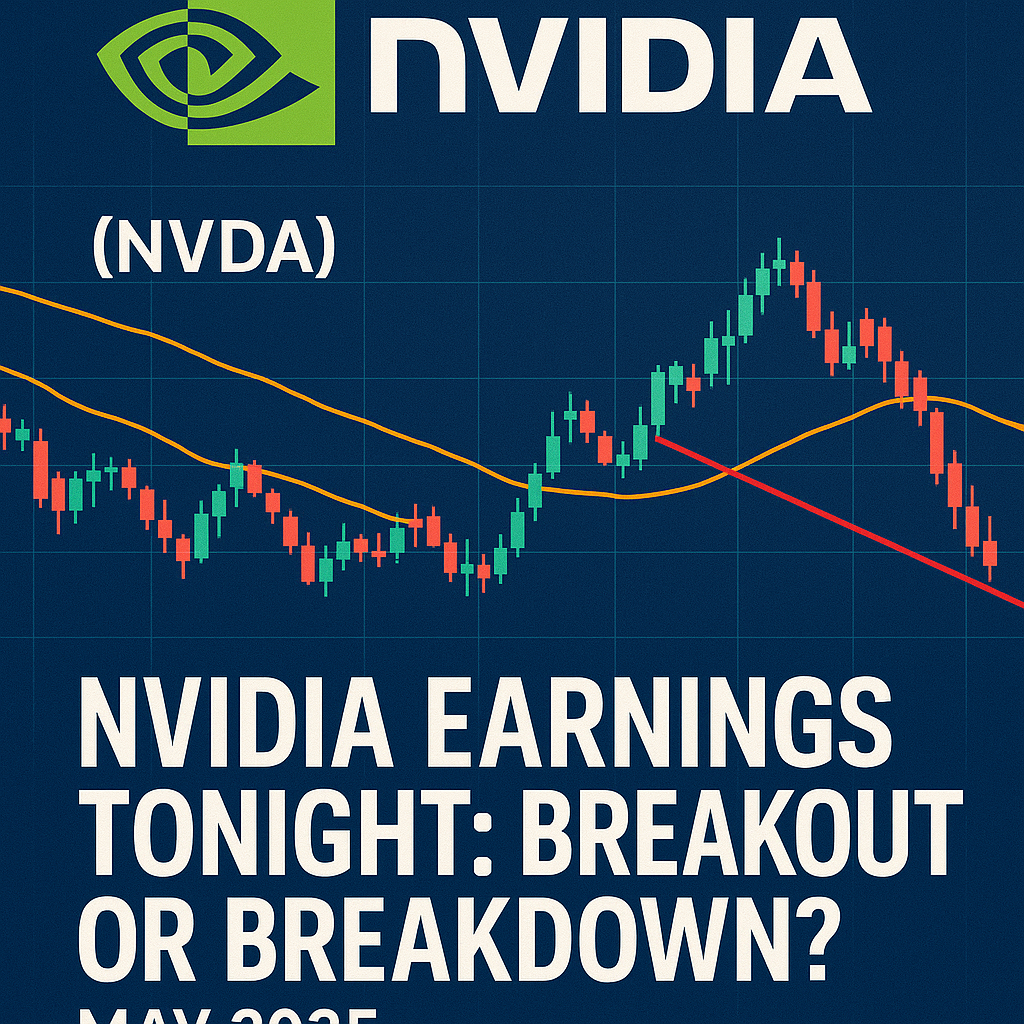
This deep dive into NVIDIA’s earnings cycle will navigate the importance of these reports from a financial perspective, offering insights into how to track these dates, what key metrics to scrutinize, and how earnings announcements typically influence NVDA stock performance. For anyone serious about investing in the tech sector or understanding the broader financial landscape, mastering the art of earnings season is indispensable, and NVIDIA often sits at the epicenter of this financial maelstrom.
The Critical Timing of NVIDIA’s Earnings Release
Understanding when a company like NVIDIA reports its earnings is the first step in preparing for the financial insights and market volatility that often accompany these announcements. These aren’t just arbitrary dates; they are carefully scheduled disclosures that offer a transparent look into a company’s performance, setting the stage for future expectations.
Understanding the Earnings Cycle: Quarterly Reporting
Publicly traded companies, including NVIDIA, are required by regulatory bodies like the Securities and Exchange Commission (SEC) in the United States to report their financial results on a quarterly basis. These reports typically cover a three-month period and are released approximately 4-6 weeks after the end of each fiscal quarter. For NVIDIA, like many companies, the fiscal quarters generally align as follows, though specific end dates can vary slightly:
- Q1 Earnings: Reports performance for the quarter ending typically in April, usually released in May.
- Q2 Earnings: Reports performance for the quarter ending typically in July, usually released in August.
- Q3 Earnings: Reports performance for the quarter ending typically in October, usually released in November.
- Q4 Earnings (Full Year): Reports performance for the quarter ending typically in January of the following calendar year, usually released in February. This report also often includes a summary of the full fiscal year’s performance.
Each of these reports offers a fresh set of data points for investors to analyze, providing a continuous narrative of the company’s financial health and trajectory. The consistency of this cycle ensures that the market has regular opportunities to re-evaluate its perception of NVIDIA’s value.
Where to Find Official NVIDIA Earnings Dates
Reliable, timely information is paramount when dealing with financial markets. There are several reputable sources where investors can find the confirmed dates for NVIDIA’s upcoming earnings reports:
- NVIDIA Investor Relations Website: This is the most official and authoritative source. NVIDIA’s dedicated investor relations page (usually found under a “Company,” “About Us,” or “Investor Relations” section on their main website) will publish a calendar of key dates, including earnings release schedules, conference calls, and any investor events. This is always the first place to check for accuracy.
- Financial News Outlets and Data Providers: Major financial news outlets like Bloomberg, Reuters, The Wall Street Journal, CNBC, and financial data platforms such as Yahoo Finance, Google Finance, Investing.com, or your brokerage’s research portal will list upcoming earnings dates. These sources often consolidate information for thousands of companies, making them convenient for tracking multiple investments.
- SEC Filings: While not always the easiest to navigate for specific dates, NVIDIA’s official filings with the SEC (e.g., 10-K for annual reports, 10-Q for quarterly reports) will contain or pre-announce the reporting schedule. The EDGAR database on the SEC website is the ultimate legal source.
It’s always advisable to cross-reference dates from at least two sources, especially closer to the anticipated release, as dates can occasionally shift due to unforeseen circumstances or internal scheduling changes.
Why Every Investor Watches These Dates Closely
The precise timing of an earnings release is critical because it marks the official end of speculative trading based on rumors and expectations, and the beginning of informed decision-making. Investors watch these dates for several reasons:
- Volatility Anticipation: Earnings reports are notorious for causing significant stock price volatility. Pre-earnings, the stock might “run up” on positive expectations or drop on negative ones. Post-earnings, the market’s reaction can be swift and dramatic, leading to large price swings in a single trading session.
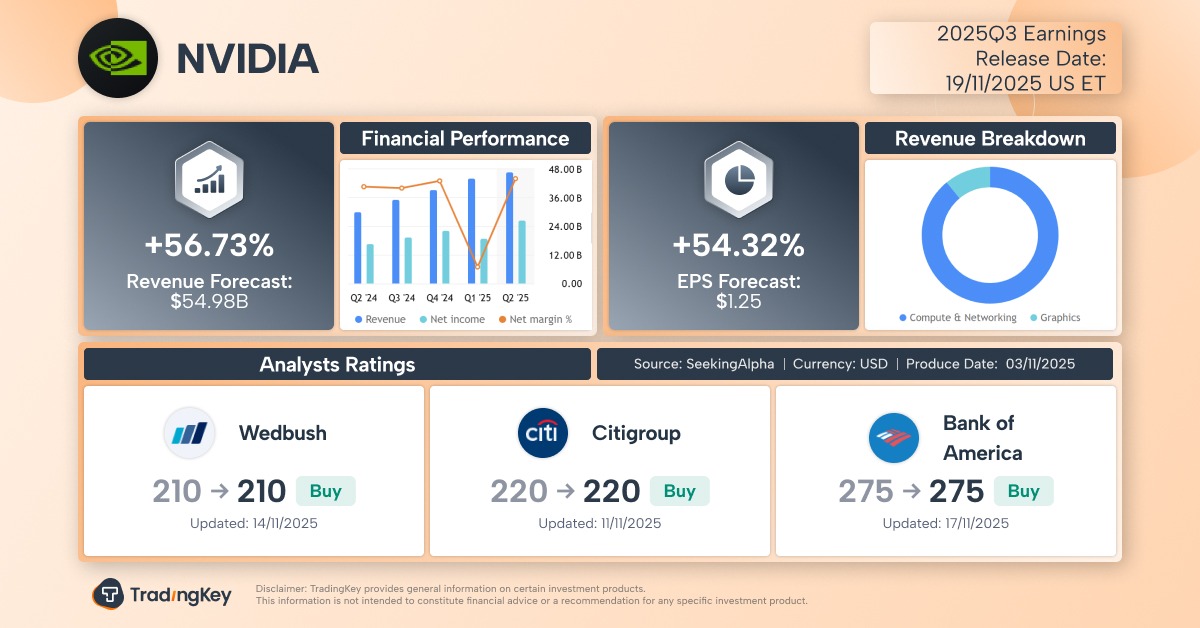
- Fundamental Re-evaluation: The report provides concrete numbers (revenue, earnings per share, profit margins, etc.) that allow investors to re-evaluate their fundamental valuation models for NVIDIA. Does the company’s actual performance align with the analyst consensus? Has its growth trajectory accelerated or decelerated?
- Guidance for the Future: Perhaps even more crucial than past performance is the company’s “guidance” for the upcoming quarter or fiscal year. Management’s outlook provides insights into expected sales, profits, and capital expenditures, which are key drivers of future stock price.
- Opportunity Identification: Both positive and negative surprises can create opportunities. A beat-and-raise (beating expectations and raising future guidance) can lead to significant upside, while a miss-and-lower can present a buying opportunity for long-term investors if the underlying business remains strong despite a temporary setback.
For all these reasons, the earnings release date is a non-negotiable marker on every serious NVIDIA investor’s calendar, demanding attention and strategic preparation.
Decoding NVIDIA’s Financial Performance
Beyond simply knowing when the earnings come out, the real value lies in understanding what to look for within these comprehensive financial documents. NVIDIA’s earnings reports are rich with data points that, when properly analyzed, can paint a clear picture of the company’s health and future potential.
Key Metrics Beyond Revenue and EPS
While revenue (top-line growth) and Earnings Per Share (EPS, a measure of profitability) are universally watched, sophisticated investors delve deeper. For NVIDIA, several other metrics are particularly insightful:
- Gross Margin: This represents the percentage of revenue left after subtracting the cost of goods sold. For a hardware-centric company like NVIDIA, gross margin indicates pricing power, manufacturing efficiency, and the profitability of its core products (GPUs for gaming, data centers, professional visualization, and automotive). A healthy and expanding gross margin is a strong sign.
- Operating Income/Profit: This shows profitability before interest and taxes, reflecting the efficiency of NVIDIA’s core operations. It factors in research and development (R&D) and selling, general, and administrative (SG&A) expenses.
- Free Cash Flow (FCF): This is the cash generated by the business after accounting for capital expenditures. FCF is a critical measure of a company’s financial health, indicating its ability to fund growth, pay down debt, return capital to shareholders (dividends, buybacks), and withstand economic downturns. NVIDIA’s ability to generate substantial FCF is crucial for its ongoing R&D investments.
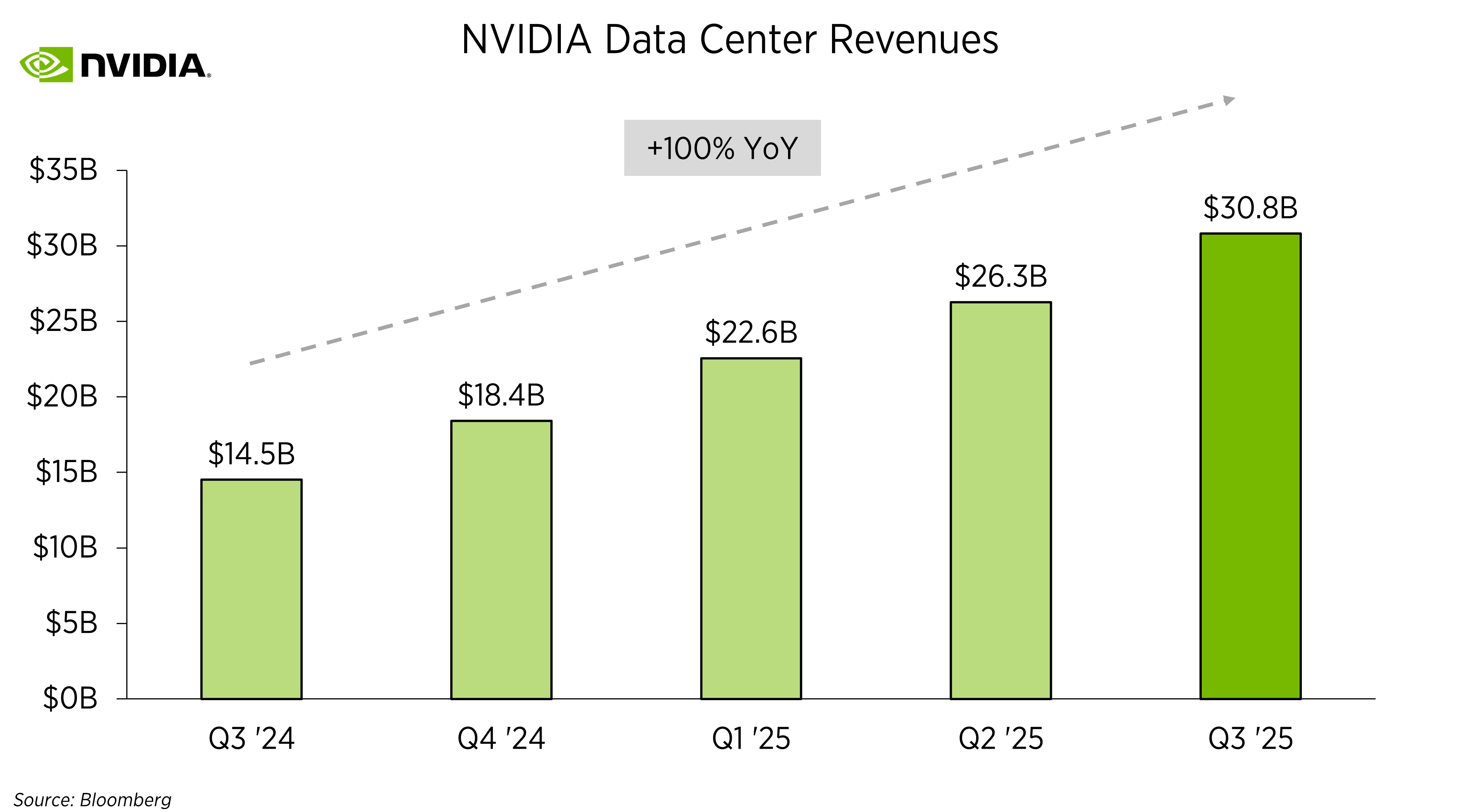
- Segment Revenue Breakdown: NVIDIA reports revenue across various segments: Data Center, Gaming, Professional Visualization, and Automotive. Analyzing the growth rates and profitability of each segment is vital. For example, the accelerating growth of the Data Center segment (driven by AI demand) has been a primary driver of NVIDIA’s valuation in recent years.
- Inventory Levels: Especially in a semiconductor company, inventory management is key. High inventory levels can signal slowing demand or overproduction, while low levels might indicate robust demand or supply chain constraints.
These metrics, when viewed in context and compared against previous quarters and industry peers, offer a nuanced understanding of NVIDIA’s operational and financial strength.
The Importance of Guidance and Future Projections
While historical data is crucial, the forward-looking statements made by NVIDIA’s management often carry more weight for investors. This “guidance” typically includes:
- Revenue Outlook: Management’s projection for sales in the upcoming quarter and sometimes for the full fiscal year.
- Gross Margin Outlook: Expectations for the profitability of future sales.
- Operating Expense Outlook: Projections for R&D and SG&A costs, indicating future investment or cost control.
- Capital Expenditure Outlook: Plans for future investments in property, plant, and equipment, reflecting growth strategies.
Guidance is paramount because the stock market is inherently forward-looking. A company might report strong past earnings, but if its future guidance disappoints (e.g., lower-than-expected revenue forecasts), the stock can still fall sharply. Conversely, a weaker-than-expected past quarter can be forgiven if management provides an optimistic outlook for future growth, especially if accompanied by strategic initiatives. Investors scrutinize guidance to recalibrate their valuation models and adjust their expectations for NVIDIA’s growth trajectory.
Interpreting the Conference Call and Management Commentary
The earnings report itself is a static document, but the subsequent earnings conference call provides a dynamic and often more insightful layer of information. During this call, NVIDIA’s CEO, CFO, and other executives:
- Elaborate on Results: Provide context for the reported numbers, explaining what drove particular trends or variances.
- Offer Strategic Insights: Discuss the company’s strategic priorities, market positioning, competitive landscape, and long-term vision. This is where investors can gain a deeper understanding of NVIDIA’s plans for AI, new product launches, partnerships, and market expansion.
- Address Analyst Questions: A Q&A session allows analysts to probe executives on specific concerns, clarify details, and challenge assumptions. The responses often reveal nuanced information not available in the written report.
Listening to the tone of management, identifying recurring themes, and discerning any subtle shifts in strategy or market outlook can provide invaluable qualitative data that complements the quantitative figures. Professional investors often pay as much attention to the commentary and Q&A as they do to the raw numbers, looking for clues about the health and direction of NVIDIA’s business.
The Impact of Earnings on NVIDIA Stock (NVDA)
NVIDIA’s stock, NVDA, is known for its volatility, particularly around earnings announcements. The market’s reaction can be swift and decisive, driven by a complex interplay of expectations, actual results, and future projections.
Pre-Earnings Volatility: The “Run-Up” and “Hold-Back”
In the weeks leading up to an NVIDIA earnings report, NVDA stock often exhibits distinct patterns:
- The “Run-Up”: If market sentiment is generally positive or if there are strong rumors of good performance, the stock might gradually climb as investors buy in anticipation of a positive surprise. This is driven by optimism and the fear of missing out (FOMO).
- The “Hold-Back” or “Pause”: Conversely, some investors and institutional funds might reduce their positions or refrain from initiating new ones just before earnings. This “holding back” reflects a cautious approach, as they prefer to wait for concrete results rather than risking a significant loss on an unexpected negative surprise. This can lead to a period of consolidation or slight decline.
This pre-earnings activity highlights the speculative nature of the market leading up to these events, where trading is often based on sentiment and analyst estimates rather than confirmed data.
Post-Earnings Reaction: Gaps, Swings, and Trends
The moment earnings are released (typically after market close or before market open), the real fireworks often begin:
- Gaps: If the earnings results (especially guidance) significantly beat or miss analyst expectations, NVDA stock can “gap up” or “gap down” at the next market open. This means the opening price is significantly higher or lower than the previous day’s close, skipping over price points. These gaps can be substantial for a high-growth, high-momentum stock like NVIDIA.
- Intraday Swings: Even after the initial gap, the stock can experience considerable intraday volatility as investors digest the information, re-evaluate their positions, and react to analyst commentary or changes in market sentiment.
- Trend Confirmation or Reversal: A strong earnings report that confirms NVIDIA’s growth story and raises future prospects can reinforce an existing uptrend or even initiate a new one. Conversely, a weak report or disappointing guidance can lead to a trend reversal, causing the stock to enter a downtrend for days or weeks.
The market’s reaction is not always rational or proportionate. Sometimes, even “good” results might lead to a sell-off if they weren’t “good enough” to meet exceptionally high expectations. This phenomenon is often described as “sell the news.”
Long-Term vs. Short-Term Investor Perspectives
The impact of earnings reports is viewed differently depending on an investor’s time horizon:
- Short-Term Traders: These individuals are primarily focused on the immediate volatility. They might use options strategies (straddles, strangles) to profit from large price swings, or attempt to scalp quick gains from the post-earnings reaction. Their focus is on technical analysis and short-term sentiment.
- Long-Term Investors: While they monitor earnings, long-term investors are less concerned with day-to-day volatility. They use earnings reports to confirm their long-term thesis about NVIDIA’s growth, market dominance, and financial health. A single quarter’s fluctuation is less significant than the sustained trend of revenue, profitability, and strategic execution over several years. They might use a post-earnings dip as a buying opportunity if their conviction in the company’s future remains strong.
For both types of investors, understanding the potential impact of NVIDIA’s earnings on its stock price is crucial for managing risk and making informed trading or investment decisions.
Navigating NVIDIA Earnings as an Investor
Approaching NVIDIA’s earnings season requires a blend of research, strategy, and disciplined risk management. It’s not just about reacting to the news but preparing for it in advance.
Strategies for Different Investor Profiles
- Growth Investors: These investors are typically focused on NVIDIA’s revenue growth, market share expansion, and future opportunities in AI and data centers. A strong beat on revenue and an upward revision of guidance would be particularly appealing. They might use any post-earnings dip (if the long-term thesis remains intact) as a chance to add to their position.
- Value Investors: While NVIDIA is rarely considered a traditional value stock due to its high valuation multiples, a value-oriented approach might look for signs of improving profitability, free cash flow generation, and disciplined capital allocation. They would scrutinize the balance sheet and cash flow statements, looking for sustainable financial health rather than just top-line growth.
- Income Investors: NVIDIA has historically paid a small dividend, but it’s not a primary income stock. Income investors might analyze NVIDIA’s earnings for its ability to maintain or grow its dividend, or for substantial share buyback programs that can boost shareholder value indirectly.
- Momentum Traders: These traders thrive on NVIDIA’s volatility. They might buy into an earnings “run-up” or attempt to play the immediate post-earnings move, using technical indicators and news catalysts to time their entries and exits. This approach carries higher risk and requires active management.
Each investor type will filter the earnings report through their specific lens, prioritizing different financial metrics and qualitative insights.
Risk Management Around Earnings Announcements
Regardless of your investor profile, managing risk around NVIDIA’s earnings is paramount:
- Avoid Over-Concentration: Do not let a single stock like NVIDIA make up an outsized portion of your portfolio, especially leading into a high-volatility event like earnings. Diversification across different sectors and asset classes can mitigate the impact of a single stock’s poor performance.
- Define Your Thesis: Before earnings, clearly articulate why you own NVIDIA. Is it for AI growth, gaming, data center expansion? What specific metrics would invalidate or strengthen your thesis? This helps prevent emotional reactions to short-term fluctuations.
- Set Stop-Loss Orders: For short-term traders, using stop-loss orders can limit potential losses if the stock moves against your position unexpectedly. However, be aware that gaps can sometimes render stop-losses ineffective at the exact desired price.
- Consider Options Strategies: More experienced investors can use options to hedge existing positions (e.g., buying protective puts) or to speculate on price movements with defined risk (e.g., buying calls or puts, or implementing more complex spreads). This requires a deep understanding of options mechanics and risk.
- Stay Informed, Not Reactive: While it’s important to be informed, avoid making rash decisions based on initial knee-jerk market reactions. Allow time for the information to sink in, for analysts to publish their updated reports, and for the market to find a more stable footing.
Prudent risk management is the cornerstone of successful investing around earnings, especially for a high-profile, volatile stock like NVIDIA.
Utilizing Earnings Data for Informed Decisions
Ultimately, NVIDIA’s earnings reports are powerful tools for making informed financial decisions. Here’s how to integrate the data:
- Update Valuation Models: Use the new revenue figures, EPS, gross margins, and most importantly, the updated guidance, to adjust your discounted cash flow (DCF), comparable company analysis (CCA), or other valuation models. Does the company still look undervalued, fairly valued, or overvalued based on the new information?
- Assess Competitive Position: Compare NVIDIA’s segment growth and profitability against its competitors (e.g., AMD, Intel, specialized AI chipmakers). Is NVIDIA gaining or losing market share? Are its margins superior?
- Evaluate Management’s Execution: Did NVIDIA meet or exceed its own previous guidance? How credible is management’s updated outlook? Consistent execution builds investor confidence, while repeated misses can erode it.
- Re-evaluate Investment Thesis: Does anything in the earnings report fundamentally change your long-term investment thesis for NVIDIA? Are there new risks or opportunities that weren’t previously considered?
By meticulously analyzing these reports and integrating the findings into your broader financial strategy, you can transform the simple question of “when do NVIDIA earnings come out” into a robust framework for making disciplined, data-driven investment choices. NVIDIA’s journey continues to be a captivating narrative in the financial markets, and its earnings reports serve as critical chapters in that ongoing story, offering investors invaluable insights into its past, present, and future.
aViewFromTheCave is a participant in the Amazon Services LLC Associates Program, an affiliate advertising program designed to provide a means for sites to earn advertising fees by advertising and linking to Amazon.com. Amazon, the Amazon logo, AmazonSupply, and the AmazonSupply logo are trademarks of Amazon.com, Inc. or its affiliates. As an Amazon Associate we earn affiliate commissions from qualifying purchases.