
Understanding tax filing deadlines is a cornerstone of sound personal finance, preventing unnecessary penalties and ensuring compliance with federal and state regulations. While April 15th is the date etched into most people’s minds, the reality is more nuanced, with various factors potentially altering this crucial deadline for different individuals and businesses. Navigating these requirements effectively is essential for financial well-being.
The Standard Annual Tax Calendar for Individual Filers
For the vast majority of U.S. taxpayers, the primary federal income tax deadline is a fixed point in the financial year, but it’s important to understand the minor shifts that can occur.
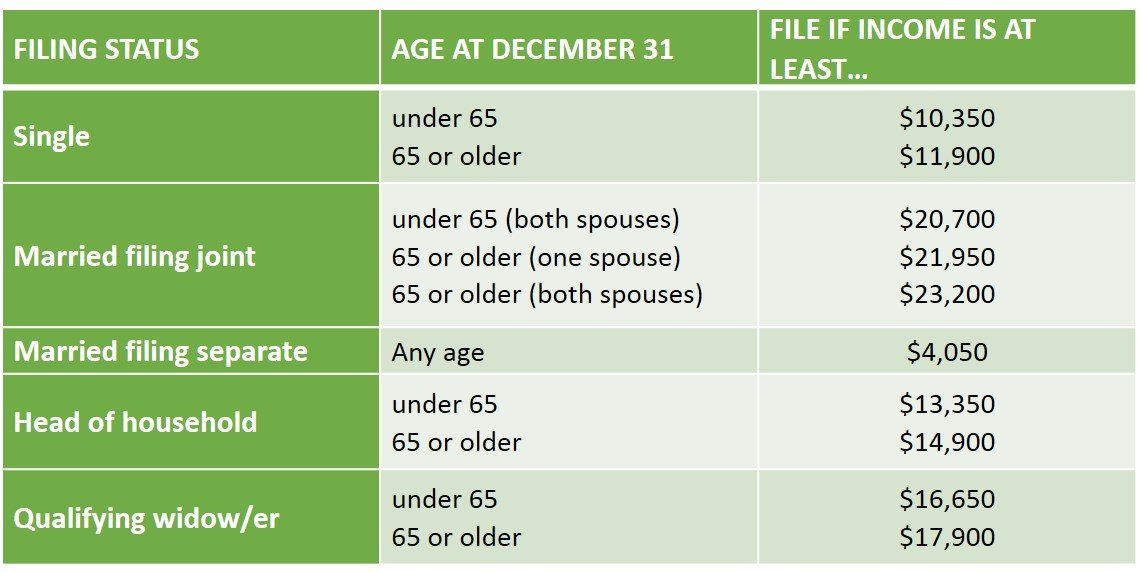
The April 15th Rule
The Internal Revenue Service (IRS) generally sets April 15th as the deadline for individuals to file their federal income tax returns (Form 1040) and to pay any taxes owed for the preceding tax year. This date applies to income earned from January 1st to December 31st of the previous calendar year. For instance, taxes for the 2023 tax year are typically due by April 15, 2024.
However, this date is not absolutely rigid. If April 15th falls on a weekend or a legal holiday, the deadline is automatically pushed to the next business day. For example, if April 15th is a Saturday, the deadline moves to Monday, April 17th. Similarly, if a holiday like Emancipation Day (observed in Washington D.C.) falls on or before April 15th, it can also shift the national deadline for all taxpayers, even if they don’t reside in D.C. It’s always prudent to confirm the exact date each year through official IRS channels or reputable financial news sources. This deadline is critical because it governs both the submission of your tax forms and the payment of any outstanding tax liability. Missing it without proper action can trigger penalties.
State Income Tax Deadlines
While federal tax deadlines are universal across the U.S., state income tax deadlines can vary. Many states that levy income tax align their filing and payment deadlines with the federal April 15th date. This synchronization simplifies the process for taxpayers who typically prepare both returns concurrently. However, it’s not a universal rule. Some states have different deadlines, and it’s imperative for residents of those states to verify the specific dates through their state’s revenue department website. For example, some states may have an earlier or later deadline, while others, like Texas, Florida, or Washington, do not impose a state income tax at all, simplifying the process for their residents regarding state-level filings. Always confirm your state’s specific requirements to ensure full compliance.
Navigating Extensions: Buying Time, Not Forgiveness
Life can be complicated, and sometimes, even with the best intentions, preparing and filing a complete tax return by the deadline isn’t feasible. The IRS understands this and provides an option for an extension, but it comes with important caveats.
What an Extension Does (and Doesn’t Do)
Filing an extension for your federal income tax return (Form 4868 for individuals) grants an automatic six-month extension to file your return. This means if your original deadline was April 15th, an approved extension would push your filing deadline to October 15th of the same year. This additional time can be invaluable for gathering necessary documents, resolving complex financial questions, or working with a tax professional.
However, a critical distinction to remember is that an extension to file is not an extension to pay. If you anticipate owing taxes, those payments are still due by the original April 15th deadline. The IRS expects taxpayers to estimate their tax liability and pay that estimated amount by the original deadline, even if they’re filing an extension. Failure to pay by the original deadline, even with an approved extension to file, can result in failure-to-pay penalties and interest charges on the unpaid amount from April 15th until the date the tax is fully paid. Therefore, an extension should be seen as a grace period for completing paperwork, not for delaying financial obligations.
How to File for an Extension
Filing for an extension is a relatively straightforward process. The most common method for individuals is to file Form 4868, “Application for Automatic Extension of Time to File U.S. Individual Income Tax Return.” This form can be submitted electronically through tax software, via the IRS Free File program (if eligible), or by a tax professional. Alternatively, if you pay all or part of your estimated income tax due by the original April 15th deadline, you can often indicate that the payment is for an extension, negating the need to file a separate Form 4868. This is common when using the IRS Direct Pay service or other electronic payment methods.
It’s crucial to file Form 4868 or make an estimated tax payment by the original April 15th deadline. If approved, the extension will push your federal income tax filing deadline to October 15th. Many states also offer extensions, often aligning with the federal extension period. However, as with original deadlines, it’s important to check your state’s specific requirements and process for filing an extension for state income taxes, as they may require a separate form or application.
Beyond Individuals: Understanding Diverse Filing Requirements
While individual tax deadlines are widely known, other taxpayer categories and unique circumstances present different filing schedules that must be respected.
Self-Employed Individuals and Estimated Taxes
For individuals who are self-employed, independent contractors, or who have significant income not subject to withholding (e.g., from investments, rental properties, or side hustles), the tax payment schedule differs significantly from that of traditional W-2 employees. These taxpayers are generally required to pay estimated taxes throughout the year to cover their tax liability. This is done through Form 1040-ES, Estimated Tax for Individuals, and payments are typically made quarterly.
The deadlines for these quarterly estimated tax payments are:
- April 15: For income earned January 1 to March 31.
- June 15: For income earned April 1 to May 31.
- September 15: For income earned June 1 to August 31.
- January 15 of next year: For income earned September 1 to December 31.
Just like the annual deadline, if any of these dates fall on a weekend or holiday, the deadline shifts to the next business day. Failure to pay sufficient estimated taxes throughout the year can result in underpayment penalties, even if a refund is ultimately due when the annual return is filed. Careful budgeting and forecasting of income and expenses are critical for self-employed individuals to meet these quarterly obligations.
Business Tax Returns
The filing deadlines for businesses depend heavily on their legal structure. Different entity types have different schedules:
- S Corporations and Partnerships (Forms 1120-S and 1065): Generally due by March 15th.
- C Corporations (Form 1120): Typically due by April 15th (for calendar year filers).
- Non-Profit Organizations (Form 990): Generally due by May 15th.

Like individual taxpayers, businesses can also file for extensions, typically granting an additional six months. However, as with individual extensions, an extension to file does not extend the time to pay any taxes owed. Business owners should consult with their accountant or tax professional to ensure they are aware of and adhere to the specific deadlines applicable to their business entity type.
Special Situations and Exceptions
Certain circumstances can grant automatic extensions or alter standard filing deadlines:
- Military Personnel in Combat Zones: Members of the military serving in combat zones or qualified hazardous duty areas are typically granted an automatic extension of 180 days after leaving the zone, plus the number of days they had left to file before entering the zone.
- Disaster-Affected Areas: The IRS often postpones tax deadlines for individuals and businesses in federally declared disaster areas, providing much-needed relief during challenging times. These extensions are typically announced through IRS news releases and on their website.
- Americans Living Abroad: U.S. citizens and resident aliens living and working outside the United States and Puerto Rico are granted an automatic two-month extension to file their federal income tax returns (to June 15th). They can also apply for an additional discretionary extension if needed. However, any taxes owed are still due by April 15th to avoid interest accrual.
Understanding these exceptions is crucial for individuals who fall into these categories, as they can significantly impact their filing obligations and timelines.
The Financial Repercussions of Missed Deadlines
Missing a tax deadline, whether for filing or paying, can lead to a series of financial penalties and interest charges from the IRS, which can significantly increase your overall tax burden. Awareness of these repercussions is crucial for motivating timely compliance.
Failure-to-File Penalties
The failure-to-file penalty is imposed when you don’t submit your tax return by the due date (including extensions). This penalty is generally 5% of the unpaid taxes for each month or part of a month that a tax return is late, capped at a maximum of 25% of your unpaid taxes. If your return is more than 60 days late, the minimum penalty is the lesser of $485 (for tax returns due in 2024) or 100% of the tax due. The failure-to-file penalty is often more severe than the failure-to-pay penalty, emphasizing the IRS’s desire for taxpayers to simply file their returns, even if they cannot pay.
Failure-to-Pay Penalties
If you don’t pay the taxes you owe by the original deadline (April 15th for most individuals), you may be subject to a failure-to-pay penalty. This penalty is typically 0.5% of the unpaid taxes for each month or part of a month that the taxes remain unpaid, also capped at 25% of your unpaid taxes. It’s important to note that if both the failure-to-file and failure-to-pay penalties apply in the same month, the failure-to-file penalty is reduced by the failure-to-pay penalty. This means you generally won’t pay more than 5% per month in combined penalties.
Interest on Underpayments
In addition to penalties, the IRS charges interest on underpayments and unpaid penalties. The interest rate is determined quarterly and can fluctuate. It is the federal short-term rate plus 3 percentage points. This interest accrues from the original due date of the tax until the date the tax is fully paid. Unlike penalties, interest generally cannot be abated (waived) unless the underlying tax is abated. This means that even if you receive an extension to file, interest will still accrue on any unpaid taxes from the original due date.
What to Do If You Miss a Deadline
If you realize you’ve missed a deadline, the most important step is to act immediately.
- File Your Return: File your return as soon as possible, even if you can’t pay the full amount owed. Remember, the failure-to-file penalty is often much higher than the failure-to-pay penalty.
- Pay What You Can: Pay as much of your tax as possible to minimize penalties and interest. If you cannot pay in full, consider applying for an IRS payment plan, such as an Offer in Compromise or an Installment Agreement.
- Seek Penalty Abatement: In certain situations, the IRS may grant penalty relief if you can demonstrate “reasonable cause” for not filing or paying on time (e.g., natural disaster, illness, death in the family). First-time penalty abatement may also be available under specific conditions. It’s often advisable to consult a tax professional for guidance on seeking penalty relief.
Proactive Strategies for a Smooth Tax Season
A well-organized approach to your finances throughout the year can transform tax season from a stressful scramble into a manageable task. Proactive planning is key to timely filing and avoiding unnecessary financial strain.
Organize Your Documents Early
One of the biggest time-sinks during tax season is gathering all the necessary paperwork. Implement a system to collect documents as they arrive throughout the year. This includes:
- Income Documents: W-2s from employers, 1099s for investment income, freelance work, or other miscellaneous income, K-1s from partnerships or S corporations.
- Deduction & Credit Documents: Mortgage interest statements (Form 1098), student loan interest statements, records of charitable contributions, medical expense receipts, dependent care statements, property tax bills, and records of business expenses for the self-employed.
- Other Important Forms: Previous year’s tax return, confirmation of estimated tax payments made, and any other relevant financial statements.
A dedicated physical or digital folder for tax-related documents can simplify the process significantly, making tax preparation a quick retrieval task rather than a frantic search.
Utilize Technology and Professionals
Leveraging available tools and expertise can streamline tax preparation:
- Tax Software: Modern tax software like TurboTax, H&R Block, or FreeTaxUSA offers step-by-step guidance, automates calculations, and allows for secure e-filing. Many even offer free filing options for simple returns or those below certain income thresholds. These platforms can help identify potential deductions and credits you might otherwise miss.
- Tax Professionals: For complex financial situations—such as owning a small business, significant investments, real estate transactions, or facing international tax implications—hiring a Certified Public Accountant (CPA) or Enrolled Agent (EA) can be a wise investment. They can provide personalized advice, ensure accuracy, maximize legitimate deductions, and represent you before the IRS if needed. Their expertise can save you money and stress in the long run.
Regular Financial Review
Don’t wait until January to think about your taxes. Integrate tax planning into your regular financial review process throughout the year.
- Adjust Withholding: Periodically review your W-4 form with your employer to ensure the correct amount of tax is being withheld from your paycheck. Too little can lead to a large tax bill at year-end, while too much means you’re lending money to the government interest-free.
- Monitor Estimated Payments: If you’re self-employed, regularly track your income and expenses to adjust your quarterly estimated tax payments as needed. This helps avoid underpayment penalties.
- Identify Deductions: Keep an ongoing record of deductible expenses or potential tax credits. For example, track charitable donations, medical expenses, or business mileage as they occur.

Don’t Procrastinate
The benefits of filing early extend beyond simply meeting the deadline. Early filing provides:
- More Time: If you discover missing information or errors, you have ample time to address them without the pressure of an impending deadline.
- Faster Refunds: If you’re due a refund, filing early means you’ll receive your money sooner.
- Reduced Stress: Avoiding the last-minute rush significantly lowers stress levels associated with tax preparation.
- Fraud Protection: Filing early can also help prevent tax identity theft, as fraudsters are less likely to successfully file a fraudulent return using your information if your legitimate return is already processed.
By integrating these proactive strategies into your financial routine, you can approach tax season with confidence and ensure you meet all your obligations efficiently and accurately.
aViewFromTheCave is a participant in the Amazon Services LLC Associates Program, an affiliate advertising program designed to provide a means for sites to earn advertising fees by advertising and linking to Amazon.com. Amazon, the Amazon logo, AmazonSupply, and the AmazonSupply logo are trademarks of Amazon.com, Inc. or its affiliates. As an Amazon Associate we earn affiliate commissions from qualifying purchases.