
Navigating the complexities of the tax calendar is a fundamental pillar of personal finance management. While most individuals associate tax season with a single date in mid-April, the reality of the American fiscal landscape is far more nuanced. For investors, entrepreneurs, and high-earners, the question of “when” is not just about a deadline, but about strategic timing, liquidity management, and regulatory compliance. Understanding the timeline of the tax year is essential for avoiding costly penalties, maximizing your cash flow, and ensuring your financial house is in order.
The Universal Calendar: Key Dates for the Federal Tax Year
For the vast majority of individual taxpayers in the United States, the primary deadline to file a federal income tax return is April 15. However, this date is not set in stone. If the 15th falls on a weekend or a legal holiday—such as Emancipation Day in Washington, D.C.—the deadline is pushed to the next successive business day. This “Tax Day” serves as the final cutoff for submitting Form 1040 and, crucially, for paying any remaining balance owed to the Internal Revenue Service (IRS).
The Automatic Six-Month Extension
If you find yourself unable to gather the necessary documentation or complete your return by the April deadline, you have the option to request an automatic six-month extension. By filing Form 4868 by the original April deadline, you move your filing date to October 15. It is a common misconception, however, that this extends the time you have to pay. An extension to file is not an extension to pay; any tax liability not settled by the April deadline will begin accruing interest and potential late-payment penalties immediately.
State-Level Variations
While most states align their income tax deadlines with the federal calendar, it is imperative to verify the specific requirements of your state of residence. States like New Hampshire or Tennessee (which tax specific types of income) or high-tax states like California and New York occasionally offer different windows or automatic extensions that do not require additional paperwork. Furthermore, in the event of federally declared disasters, the IRS and state agencies often grant localized extensions, providing relief to those impacted by natural catastrophes.
Navigating the Complexity of Quarterly Estimated Taxes
In the modern “Money” landscape, characterized by the gig economy, remote freelancing, and diverse investment portfolios, the once-a-year filing system is often insufficient. If you expect to owe $1,000 or more in taxes—common for those with side hustles, sole proprietorships, or significant capital gains—the IRS requires you to pay your taxes in four installments throughout the year.
The Four Installment Windows
Estimated tax payments are generally due on a specific quarterly schedule:
-
April 15: Covering income earned from January 1 to March 31.
-
June 15: Covering income earned from April 1 to May 31.
-
September 15: Covering income earned from June 1 to August 31.
-
January 15 (of the following year): Covering income earned from September 1 to December 31.
Missing these mid-year deadlines can result in an “underpayment penalty,” even if you pay the full amount due when you eventually file your annual return in April. For professionals managing multiple income streams, these dates are just as critical as the final filing deadline.
Calculating the Safe Harbor
To avoid penalties during these quarterly windows, many taxpayers aim for the “Safe Harbor” rule. Generally, if you pay at least 90% of the tax you owe for the current year, or 100% of the tax shown on your return for the prior year (whichever is smaller), you can avoid underpayment penalties. For high-income earners (those with an Adjusted Gross Income over $150,000), the prior-year requirement increases to 110%. Timing your payments to meet these benchmarks is a vital component of annual financial planning.
Strategic Timing: When Is the Best Moment to File?
Knowing the deadline is the baseline; knowing when it is strategically optimal to file is what separates a passive taxpayer from a proactive financial manager. The “when” of filing should be dictated by your specific financial situation, your expected outcome (refund vs. payment), and the availability of your data.

The Case for Filing Early
Filing as soon as the IRS begins accepting returns—typically in late January—offers several distinct advantages:
-
Faster Refunds: If you are owed a refund, filing early puts that capital back into your hands sooner, allowing you to deploy it into high-yield savings, debt reduction, or investment vehicles.
-
Identity Theft Protection: Tax-related identity theft often involves a criminal filing a fraudulent return in your name to claim your refund. By filing early, you “lock” your Social Security number in the IRS system, making it much harder for fraudsters to succeed.
-
Financial Clarity: Completing your taxes early provides a clear picture of your net worth and cash flow for the preceding year, which is essential if you are applying for a mortgage or a business loan in the first quarter of the year.
The Necessity of Waiting for Documentation
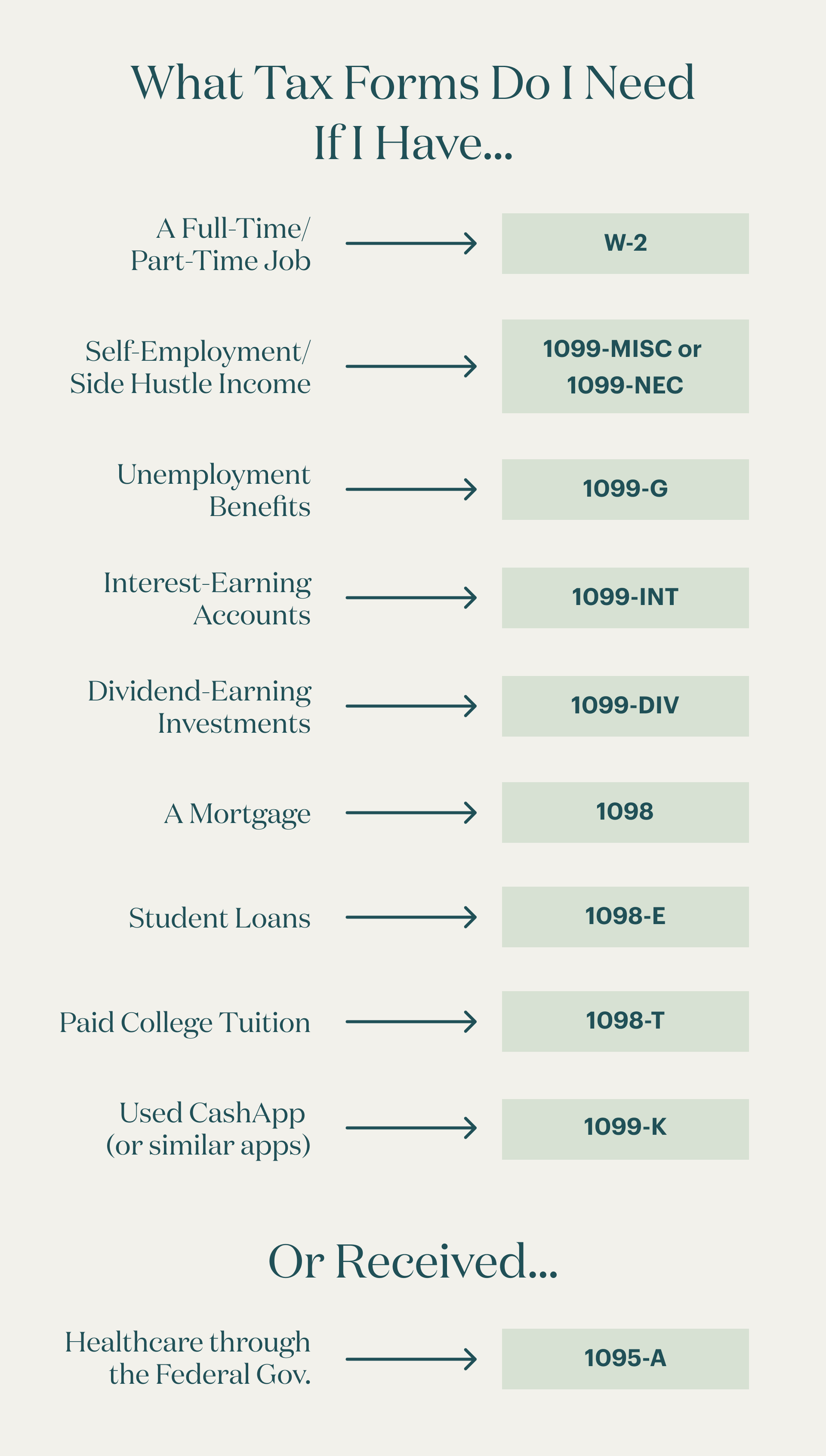
Conversely, filing too early can be a mistake if you have a complex portfolio. Many brokerage firms do not issue consolidated 1099 forms until mid-to-late February, and if you are invested in private equity, hedge funds, or multi-member LLCs, you may not receive your Schedule K-1 until March or even later. Filing before these documents arrive necessitates an amended return (Form 1040-X), which increases your audit risk and administrative burden. For investors, the “when” is dictated by the arrival of the final piece of the puzzle.
The Consequences of Procrastination: Penalties and Interest
Understanding the timeline is ultimately a matter of risk management. The IRS imposes two primary penalties that can significantly erode your wealth: the failure-to-file penalty and the failure-to-pay penalty.
Failure-to-File vs. Failure-to-Pay
The failure-to-file penalty is generally more severe. It is usually 5% of the unpaid taxes for each month or part of a month that a tax return is late, capping at 25%. If you file more than 60 days late, the minimum penalty is either a set dollar amount (adjusted for inflation) or 100% of the unpaid tax, whichever is less.
The failure-to-pay penalty is 0.5% of the unpaid taxes for each month or part of a month the tax remains unpaid. While lower than the filing penalty, it compounds with interest. The interest rate for underpayments is set quarterly and is currently tied to the federal short-term rate plus 3%. In a high-interest-rate environment, these costs accumulate rapidly, making it fiscally irresponsible to ignore deadlines.
The Psychological Benefit of Early Completion
Beyond the mathematical costs, the “tax season anxiety” that many feel is often a result of proximity to the deadline. By shifting your internal deadline to March 1st rather than April 15th, you build a buffer that allows for unforeseen circumstances, such as illness or missing paperwork, without the threat of federal penalties.
Organizing Your Financial Year for a Seamless Tax Season
To truly master the timing of your taxes, you must move away from the mindset that tax preparation is a springtime event. In the realm of business finance and personal wealth management, tax preparation is a year-round discipline.
Monthly Bookkeeping and Digital Tools
The most efficient way to ensure you are ready to file the moment your forms arrive is to maintain a “tax-ready” posture throughout the year. This involves using financial tools and software to categorize expenses, track business mileage, and log charitable contributions in real-time. By the time January 1st rolls around, your only task should be verifying totals and waiting for official forms, rather than digging through a year’s worth of receipts.
Year-End Planning Deadlines
The “when” of doing your taxes also involves the critical window of December 31. This is the deadline for most actions that impact your tax liability, such as:
-
Tax-Loss Harvesting: Selling underperforming securities to offset capital gains.
-
Charitable Contributions: Ensuring donations are processed by year-end to count for the current tax year.
-
Retirement Contributions: While you have until April 15 to contribute to an IRA, 401(k) contributions must generally be made through payroll by December 31.
By the time the April deadline arrives, the amount you owe has already been determined by the actions you took—or failed to take—by the previous December.

Conclusion: Taking Control of the Clock
Determining when you need to do your taxes is a balance of statutory deadlines, document availability, and strategic intent. For the casual filer, April 15 remains the North Star. But for the financially savvy, the tax calendar is a series of milestones: quarterly estimates, year-end optimizations, and early-spring filings. By respecting these dates and understanding the nuances of extensions and penalties, you protect your assets and maintain the discipline required for long-term financial success. Don’t wait for the deadline to dictate your actions; instead, use the calendar as a tool to manage your wealth with precision.
aViewFromTheCave is a participant in the Amazon Services LLC Associates Program, an affiliate advertising program designed to provide a means for sites to earn advertising fees by advertising and linking to Amazon.com. Amazon, the Amazon logo, AmazonSupply, and the AmazonSupply logo are trademarks of Amazon.com, Inc. or its affiliates. As an Amazon Associate we earn affiliate commissions from qualifying purchases.