
For the modern consumer, travel is often one of the largest discretionary expenses in a household budget. Understanding the volatile nature of airline ticket pricing is no longer just a matter of luck; it is a critical component of personal finance management. While many view airfare as a fixed cost dictated by the whims of the industry, savvy travelers recognize that airline pricing is a sophisticated game of data, timing, and psychological economics. By mastering the timing of when ticket prices drop, individuals can significantly reduce their annual expenditures, allowing for greater capital allocation toward investments, savings, or extended travel experiences.
The Financial Architecture of Airline Pricing
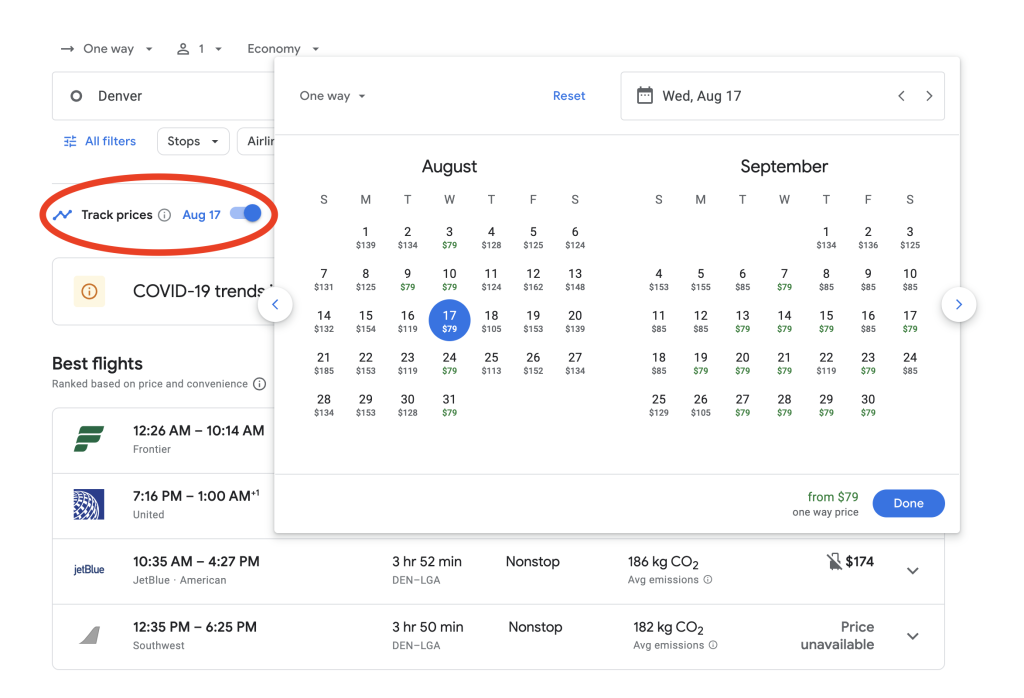
To understand when prices drop, one must first understand why they fluctuate. Airlines utilize a system known as revenue management, powered by complex dynamic pricing algorithms. These systems are designed to maximize the “yield” of every seat on an aircraft. Unlike a retail product with a fixed MSRP, an airplane seat is a perishable commodity. Once the plane takes off, the value of an empty seat drops to zero.
The Logic of Dynamic Pricing
Airlines categorize seats into different “fare buckets.” Even within the same economy cabin, there may be a dozen different price points for the same service. The algorithm monitors historical data, real-time demand, and competitor pricing to decide which buckets to open or close. Prices typically drop when the algorithm detects that the current booking velocity is lower than projected. If a flight scheduled for three months from now is only 20% full, the system will likely trigger a price drop to stimulate demand. Conversely, if demand is high, the lower-priced buckets are closed, leaving only the premium-priced tickets available.
The Role of Artificial Intelligence in Fare Setting
Modern airline systems have moved beyond simple supply and demand. They now incorporate machine learning to predict consumer behavior based on external factors such as local holidays, major sporting events, and even weather patterns. From a financial perspective, this means the “best price” is a moving target. However, because these systems rely on patterns, we can identify predictable windows where the probability of a price drop is highest.
Strategic Timing: The Golden Windows for Booking
One of the most persistent myths in travel finance is that there is a specific day of the week—often cited as Tuesday at midnight—when tickets are universally cheaper. While there was some truth to this in the era of manual fare updates, today’s automated systems have rendered the “magic day” theory largely obsolete. Instead of focusing on a specific day of the week to buy, travelers should focus on the timing relative to their departure.
The “Prime Booking Window” for Domestic Travel
For domestic flights, data consistently suggests that the most significant price drops occur between one and three months before departure. During this period, airlines have a clear picture of their initial load factors and will adjust prices to fill the remaining inventory. Booking too early (more than six months out) often means paying a “convenience premium,” as airlines have no incentive to discount seats that far in advance. Booking too late (within 21 days of departure) subjects the traveler to “close-in” pricing, which targets business travelers with high urgency and flexible budgets.
Navigating International Fare Fluctuations
International travel requires a longer lead time. The financial sweet spot for transoceanic or intercontinental flights typically opens up four to seven months in advance. Because international routes have higher operational costs and lower frequencies, airlines are more cautious with their pricing. Large price drops often occur during “shoulder seasons”—the periods immediately preceding or following peak holiday months. By targeting these windows, travelers can often secure fares that are 30% to 50% lower than peak summer or winter rates.
The Mid-Week Advantage
While the day you book matters less than it used to, the day you fly remains a primary driver of cost. From a budgetary standpoint, Tuesday and Wednesday remain the most cost-effective days to travel. Demand is lower as leisure travelers prefer long weekends and business travelers often move on Mondays and Fridays. Shifting a travel itinerary by just 24 to 48 hours can result in substantial savings, which can be redirected into a high-yield savings account or an investment portfolio.
Leveraging Financial Tools and Credit Optimization
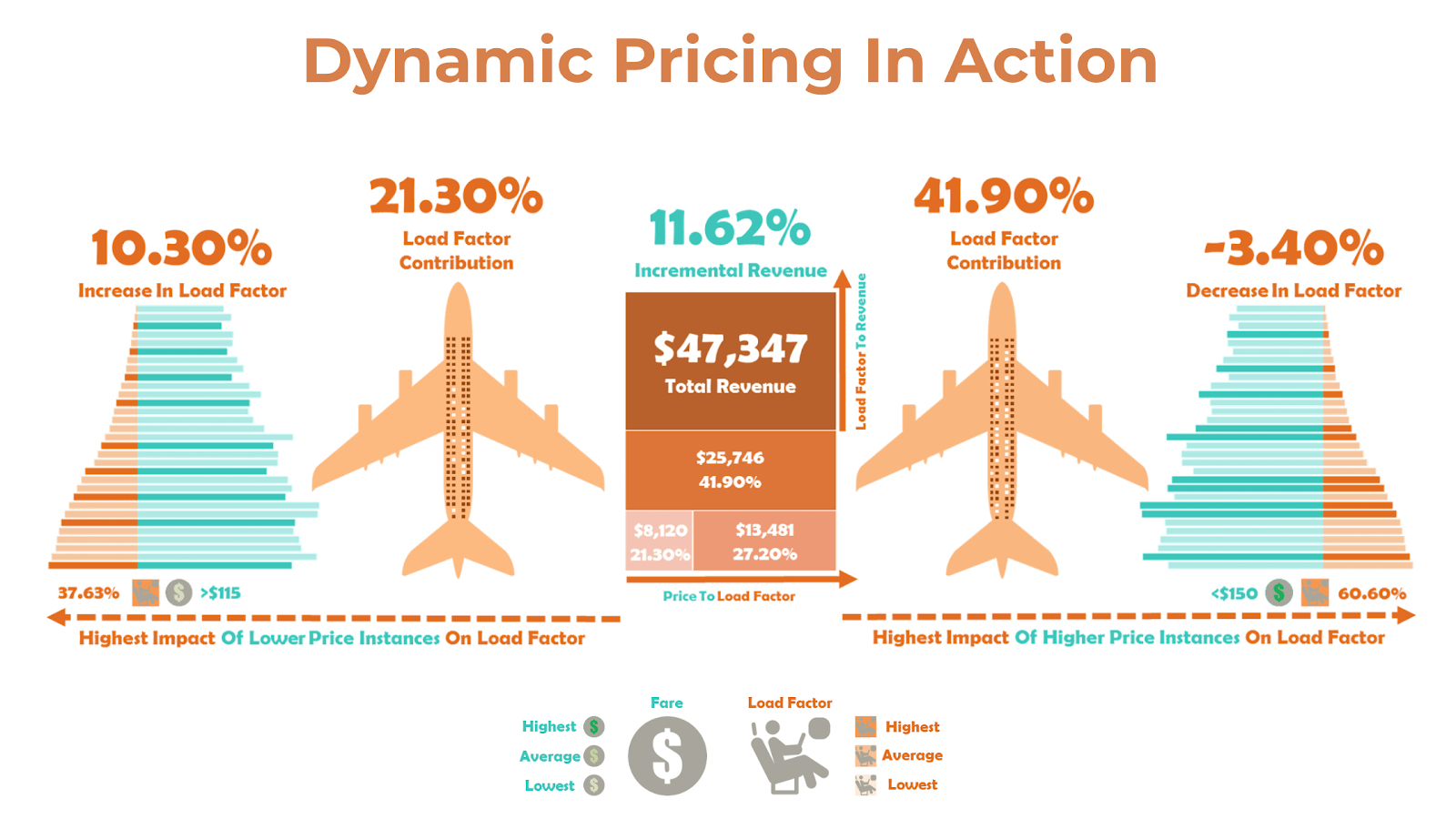
In the intersection of technology and personal finance, several tools have emerged that allow consumers to track price drops with surgical precision. Utilizing these tools is essential for anyone looking to optimize their travel spend.
Price Tracking and Predictive Analytics
Platforms like Google Flights, Hopper, and Kayak offer price tracking features that notify users the moment a fare drops. More importantly, some of these tools use “price prediction” models that advise whether to “buy now” or “wait.” From a financial planning perspective, setting these alerts allows you to remain passive while the software monitors the market. This eliminates the emotional impulse to buy out of fear that prices will rise, ensuring you only strike when the data confirms a low point.
The Power of Travel Arbitrage through Points and Miles
For many, the lowest “price” for a ticket is not a cash value at all, but a redemption of loyalty points. Integrating credit card strategy into your travel planning is a form of financial arbitrage. By using cards that offer 2x or 3x points on daily spending and transferring those points to airline partners during “transfer bonus” periods, you effectively lower the cost of your ticket to the “earned” value of your everyday expenses.
When airline cash prices spike, the point requirement often remains stable (on fixed-value charts), providing a hedge against inflation in the travel market. Conversely, when cash prices drop, it is often more financially prudent to pay in cash and save your points for a time when the “cent-per-point” value is higher.
Protecting Your Travel Capital
A price drop is only a bargain if it doesn’t come with hidden costs that erode your savings. A key part of managing travel finances is understanding the “total cost of ownership” for a flight.
The Basic Economy Trap
Airlines often advertise a “dropped” price that is actually a Basic Economy fare. While the headline number looks attractive, these fares often strip away essential services like carry-on bags, seat selection, and ticket flexibility. If you end up paying $60 for a checked bag and $30 for a seat assignment, that “discounted” ticket may actually be more expensive than a standard economy fare. Always calculate the fully loaded cost before concluding that a price drop is a genuine deal.
Refundable Fares and Price Protections
Some premium credit cards and airline policies offer a form of “price drop protection.” If you book a flight and the price subsequently drops, certain airlines will issue a travel credit for the difference, provided you are booked in a flexible fare class. While these tickets sometimes cost more upfront, the ability to re-book at a lower rate acts as an insurance policy for your travel budget. In a volatile market, this flexibility can save hundreds of dollars.
Long-Term Financial Strategies for Frequent Travelers
For those who view travel as a consistent part of their lifestyle, managing airfare costs should be integrated into a broader financial plan.
Creating a Sinking Fund for Travel
Rather than reacting to price drops with high-interest credit card debt, proactive travelers utilize “sinking funds.” By automating a monthly transfer to a dedicated travel savings account, you ensure that the capital is available the moment a price drop is detected. This allows you to take advantage of “error fares” or flash sales that often last only a few hours. Having liquid capital ready to deploy is the ultimate advantage in the travel market.
Seasonal Budgeting and the “Off-Peak” Mindset
The most significant price drops are often found by traveling against the grain. Financially, it is much more efficient to visit popular destinations during their off-peak seasons. Not only are flights cheaper, but the ancillary costs—hotels, dining, and tours—also see significant reductions. This “contrarian” approach to travel allows for a luxury experience on a modest budget, ensuring that your travel aspirations do not compromise your long-term financial independence goals.
In conclusion, finding when airline ticket prices drop is a disciplined exercise in data analysis and financial patience. By understanding the cycles of revenue management, utilizing predictive tools, and maintaining a ready-to-deploy travel fund, you can transform airfare from a burdensome expense into a strategically managed asset. The savings realized through these methods are not merely “coupons,” but reclaimed capital that can be used to fuel your broader financial future.
aViewFromTheCave is a participant in the Amazon Services LLC Associates Program, an affiliate advertising program designed to provide a means for sites to earn advertising fees by advertising and linking to Amazon.com. Amazon, the Amazon logo, AmazonSupply, and the AmazonSupply logo are trademarks of Amazon.com, Inc. or its affiliates. As an Amazon Associate we earn affiliate commissions from qualifying purchases.