
The automotive landscape witnessed a profound transformation on June 22, 2012, when Tesla Motors officially launched the Model S. This wasn’t merely the debut of another luxury sedan; it was the introduction of a paradigm-shifting piece of technology that would fundamentally alter perceptions of electric vehicles (EVs) and set a new benchmark for automotive innovation. The Model S emerged not just as an alternative to gasoline-powered cars but as a superior, technologically advanced machine that promised a future of sustainable, high-performance mobility. Its release marked a pivotal moment, signaling the arrival of a serious contender in the luxury performance segment and demonstrating the viability of electric propulsion on a grand scale. From its inception, the Model S was envisioned as a software-defined car, a large-format gadget on wheels that would evolve and improve over time, challenging traditional notions of vehicle ownership and technology integration.
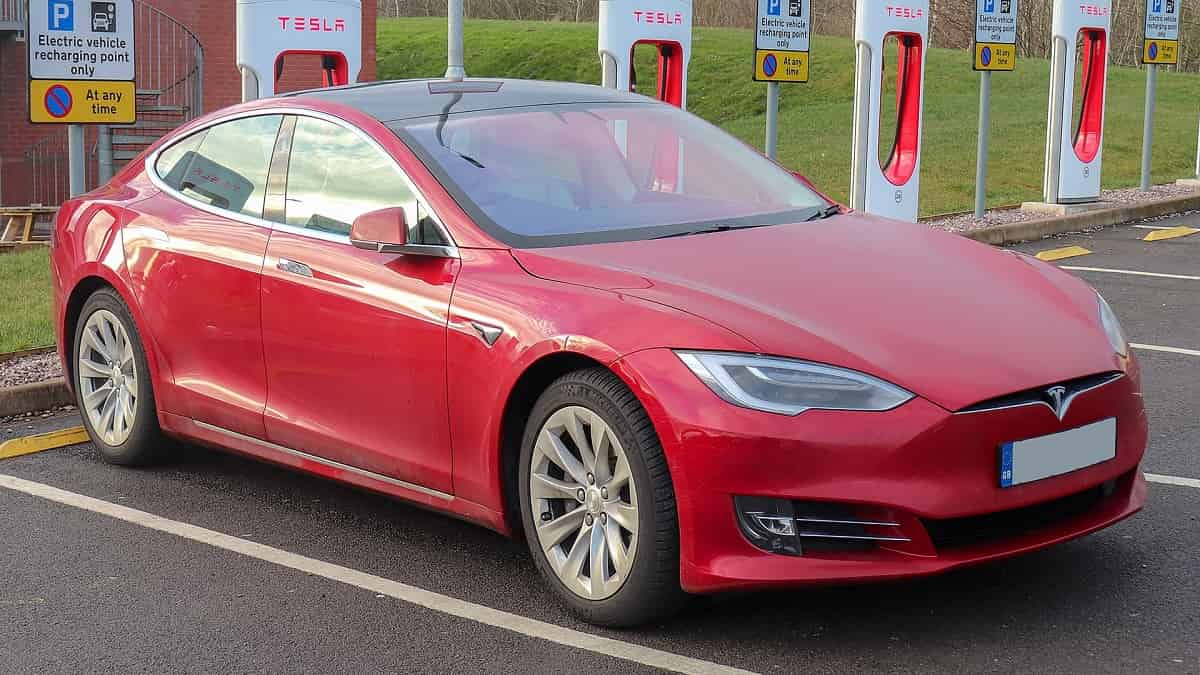
The Dawn of an Electric Era: The Model S Launch
Before the Model S, electric vehicles were largely seen as niche products, often characterized by limited range, modest performance, and compromised design. Tesla’s first foray, the Roadster, proved that an EV could be thrilling, but it was a low-volume, high-priced sports car based on an existing Lotus chassis. The Model S, however, was an entirely different proposition: an original design, a clean-sheet approach to building an electric car from the ground up, aimed at a broader, albeit still premium, market. Its launch was the culmination of years of audacious vision, engineering prowess, and a steadfast belief that electric technology could not only compete but dominate.
A Vision Realized: The Pre-Launch Buzz
The anticipation surrounding the Model S was immense. Tesla had teased the concept for years, promising a car that would combine the performance of a high-end sports sedan with the practicality of a family car and the environmental benefits of zero emissions. Elon Musk’s ambitious declarations, coupled with the success of the Roadster in proving Tesla’s technological capabilities, fueled a significant buzz within the tech and automotive communities. People were curious, skeptical, and excited all at once. The design ethos was clearly articulated: create a vehicle that was sleek, aerodynamic, and minimalist, yet incredibly powerful and efficient. The early prototypes hinted at a revolutionary interior, dominated by a large touchscreen, a stark departure from the button-laden dashboards of conventional cars. This set the stage for the Model S to be perceived not just as a car, but as a piece of futuristic technology.
June 22, 2012: The Official Debut
When the first Model S vehicles were delivered at an event in Fremont, California, on June 22, 2012, it was clear that Tesla had delivered on many of its promises. The initial models boasted impressive range (up to 300 miles for the 85 kWh version), blistering acceleration, and a distinctive design that immediately stood out. What truly captured the imagination, however, was the underlying technology. At its heart was a sophisticated battery pack integrated into the vehicle’s floor, providing a low center of gravity and excellent handling. The electric motor offered instant torque, delivering a driving experience unlike anything gasoline engines could provide. Perhaps most notably, the interior featured a massive 17-inch capacitive touchscreen that served as the primary control interface for everything from climate control to navigation, infotainment, and vehicle settings. This central display wasn’t just a gadget; it was a re-imagination of the car’s user interface, positioning the Model S firmly within the realm of consumer electronics rather than traditional automotive engineering.
Initial Reception and Impact
The initial reception from both tech reviewers and automotive journalists was overwhelmingly positive. The Model S was lauded for its revolutionary design, its unprecedented range for an EV, and its exhilarating performance. Publications that typically reviewed gadgets began reviewing the Model S, highlighting its software, connectivity, and futuristic features. It quickly garnered numerous awards, including MotorTrend Car of the Year and Automobile Magazine’s Car of the Year, a testament to its disruptive power across industries. The Model S demonstrated that an electric car could be beautiful, fast, luxurious, and practical, effectively dispelling many of the preconceived notions about EVs. Its launch wasn’t just a success for Tesla; it was a wake-up call for the entire automotive industry, forcing established manufacturers to take electric vehicles seriously and accelerate their own EV development programs.
Technological Milestones and Evolution of the Model S
The Model S wasn’t designed to be static; it was engineered for continuous improvement through software and hardware updates, a concept virtually unknown in the automotive world at the time. This iterative development model, common in consumer electronics, allowed the Model S to evolve significantly post-purchase, offering new features and performance enhancements throughout its lifecycle.
Redefining Electric Performance
From its initial launch, the Model S set new benchmarks for electric vehicle performance. Over the years, Tesla continuously pushed the envelope with battery technology, leading to increased range figures that mitigated “range anxiety” – a common concern for potential EV buyers. The introduction of the ‘D’ versions (dual-motor, all-wheel drive) not only improved traction but also unlocked insane acceleration figures. Ludicrous Mode, launched in 2015, became a pop culture phenomenon, showcasing acceleration times that rivaled, and often surpassed, some of the world’s most exotic supercars. This was a direct result of advancements in motor efficiency, power electronics, and battery chemistry, all managed by sophisticated software. The Supercharger network, Tesla’s proprietary fast-charging infrastructure, was also a critical technological component, alleviating charging concerns and making long-distance EV travel a reality.
The Software-Defined Car
Perhaps the most revolutionary aspect of the Model S, and Tesla as a whole, was its commitment to Over-The-Air (OTA) software updates. Unlike traditional cars that required dealership visits for updates, the Model S could receive new features, performance improvements, and bug fixes directly to the vehicle, much like a smartphone. This technological capability allowed Tesla to continuously refine the driving experience, introduce new user interface designs, enhance infotainment options, and even improve efficiency without the owner ever needing to visit a service center. This concept transformed the car from a fixed piece of hardware into an evolving platform, fundamentally changing the relationship between the manufacturer and the vehicle owner. It highlighted Tesla’s identity as a tech company first, and an automotive manufacturer second.
Pioneering Autonomous Capabilities
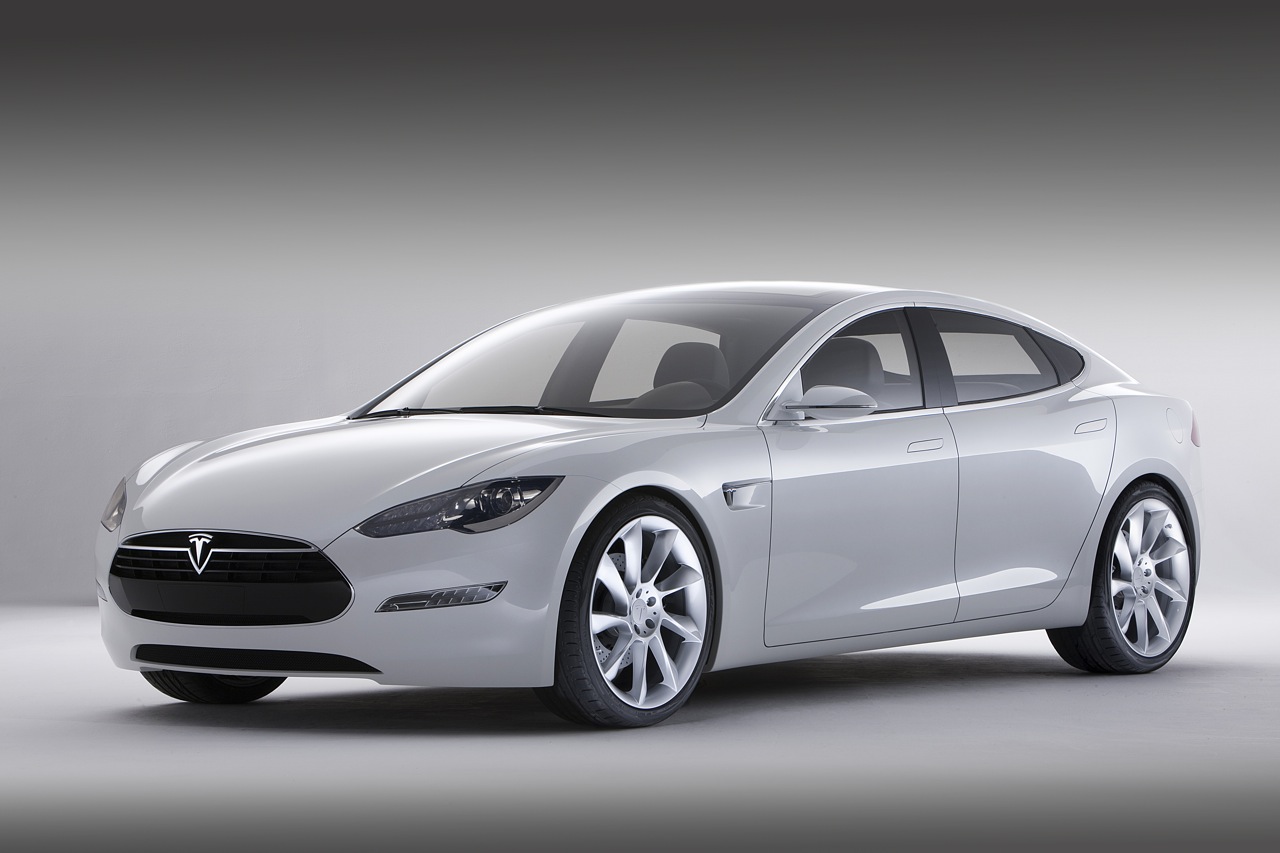
The Model S was also at the forefront of automotive autonomy. In late 2014, Tesla began equipping Model S vehicles with hardware designed for Autopilot, a suite of advanced driver-assistance systems (ADAS). This included cameras, ultrasonic sensors, and radar. Subsequent hardware iterations (HW2, HW2.5, HW3, HW4) significantly enhanced these capabilities. Autopilot, and later Full Self-Driving (FSD) Beta, represented a bold step towards autonomous driving, relying heavily on deep learning, neural networks, and extensive data collection from its fleet. While the journey to full autonomy remains ongoing and complex, the Model S was instrumental in introducing and popularizing these cutting-edge technologies in consumer vehicles, pushing the boundaries of what was thought possible in self-driving cars and sparking a global race among automakers and tech companies to develop similar systems.
Design, User Experience, and Interior Innovation
Beyond its powertrain and autonomous features, the Model S redefined the interior experience and overall vehicle design from a technological perspective. It was a clear departure from established automotive norms, embracing minimalism and digital integration.
The Minimalist Interior and the Central Display
The Model S’s interior was a stark contrast to the busy dashboards prevalent at the time. Its defining feature was the enormous 17-inch portrait-oriented touchscreen, which consolidated most vehicle controls, infotainment, and navigation into a single, intuitive interface. This massive display, akin to a tablet integrated into the dashboard, wasn’t just for show; it was a functional hub that eliminated hundreds of physical buttons, creating a clean, uncluttered aesthetic. The user experience (UX) design of the software running on this screen was critical; it needed to be responsive, easy to navigate, and continuously updated. Tesla approached it with a software-first mentality, akin to designing an operating system for a complex device, rather than merely an infotainment system for a car.
Material Science and Aerodynamics
While often overlooked, the technological advancements in the Model S also extended to its physical construction. The car’s body was largely made of aluminum, contributing to its relatively low weight despite its large battery pack, which in turn improved efficiency and performance. Its sleek, aerodynamic profile wasn’t just for aesthetics; it was a functional design choice to minimize drag, thereby maximizing range. Every curve and line was meticulously engineered using computational fluid dynamics (CFD) to ensure optimal airflow, showcasing how advanced physics and material science were integrated into its design to enhance its technological capabilities.
The Connected Car Ecosystem
The Model S pioneered the concept of a deeply connected car. It was always online, enabling real-time traffic updates, remote diagnostics, and seamless integration with a mobile app. This app allowed owners to remotely pre-condition the cabin, check charging status, locate the vehicle, and even summon it. This level of connectivity transformed the car into a mobile node within a larger digital ecosystem, offering convenience and control previously unimaginable. This “connectedness” was a critical technological differentiator, transforming the driving experience into a more integrated part of one’s digital life.
The Model S’s Enduring Legacy and Future Trajectory
Years after its launch, the Tesla Model S continues to be a flagship for electric vehicle technology and innovation. Its initial release wasn’t just a company milestone; it was a turning point for the entire automotive and tech industries.
Setting the Standard for EVs
The Model S irrevocably altered the perception of electric vehicles from quirky experiments to desirable, high-performance machines. It demonstrated that EVs could outperform gasoline cars in key metrics like acceleration and quietness, while offering competitive range and luxury. Its success compelled traditional automakers to invest billions in electric vehicle research and development, accelerating the transition away from internal combustion engines. Many aspects of modern EVs, from their large central screens to their OTA update capabilities and focus on software, can trace their lineage back to the innovations introduced by the Model S. It didn’t just compete; it fundamentally redefined the parameters of competition.
Continuous Innovation and Refinements
Tesla has not rested on its laurels with the Model S. Over the years, the vehicle has undergone significant refreshes, culminating in the “Plaid” versions, which push the boundaries of electric performance with staggering horsepower and sub-2-second 0-60 mph times. These updates include not only powertrain enhancements but also significant interior redesigns, new infotainment processors, and advanced thermal management systems. The ongoing development of the Model S underscores Tesla’s commitment to continuous innovation, using its flagship model as a testbed for new technologies before they potentially filter down to other vehicles or become industry standards. The Model S remains a beacon of what’s possible when technology and automotive engineering converge with a relentless focus on progress.

Influence on Tech Industry Beyond Automotive
The Model S’s impact extends beyond the automotive realm into the broader tech industry. It showcased the power of vertical integration – controlling hardware, software, and even charging infrastructure – as a strategic advantage. It demonstrated how a product-centric tech company could disrupt a century-old industry by focusing on user experience, rapid iteration, and cutting-edge technology. The Model S proved that consumers were ready for a technologically sophisticated vehicle that felt more like a premium gadget than a traditional car. This influenced how other tech companies view entering hardware markets and how traditional industries are pressured to adopt tech-driven business models.
In conclusion, the Tesla Model S, launched on June 22, 2012, was far more than just a new car; it was a technological declaration. It ushered in an era where electric vehicles were no longer compromises but exemplars of performance, luxury, and advanced digital integration. Its persistent evolution through software updates, its pioneering autonomous features, and its revolutionary user interface have cemented its place not just in automotive history, but as a pivotal product in the history of consumer technology, continually pushing the boundaries of what a vehicle can be.
aViewFromTheCave is a participant in the Amazon Services LLC Associates Program, an affiliate advertising program designed to provide a means for sites to earn advertising fees by advertising and linking to Amazon.com. Amazon, the Amazon logo, AmazonSupply, and the AmazonSupply logo are trademarks of Amazon.com, Inc. or its affiliates. As an Amazon Associate we earn affiliate commissions from qualifying purchases.