
The stock market, often perceived as a modern invention synonymous with bustling trading floors and digital screens, actually boasts a rich and complex history stretching back centuries. Far from an overnight phenomenon, its evolution is a captivating tale of human ingenuity, economic necessity, and the perennial quest for capital and wealth. Understanding when and how this intricate system began offers profound insights into the foundational principles of finance, investment, and global commerce that continue to shape our world today. It’s a journey from rudimentary bartering to sophisticated financial instruments, tracing the very origins of organized investment and the mechanisms that power modern economies.
The Proto-Markets: Early Seeds of Commerce and Capital
Long before the concept of a “stock market” as we know it took shape, societies developed various mechanisms for trade, investment, and capital aggregation. These early forms, though distinct from modern exchanges, laid crucial groundwork by establishing principles of supply, demand, risk-sharing, and the aggregation of resources for large-scale ventures.
Ancient Seeds of Commerce and Risk-Sharing
The very earliest antecedents to a stock market can be found in ancient civilizations. From Mesopotamian merchants pooling resources for trade expeditions to Roman societates publicanorum (public companies) where individuals invested in state contracts, the idea of shared ownership and shared risk for profit was nascent. Roman law, for instance, recognized forms of corporate bodies, and early forms of debt instruments and interest were common. However, these were typically localized, informal, and lacked the secondary trading of shares that defines a modern stock market. The concept was primarily about direct investment in a venture, with profits or losses realized upon its completion, rather than the buying and selling of ownership stakes themselves.
Further development came with medieval Europe’s bustling trade fairs, particularly in cities like Venice and Genoa. Merchants would not only exchange goods but also debt obligations and partnership shares in voyages. The Italian city-states, with their sophisticated maritime trade, introduced early forms of insurance and bills of exchange, which were transferable documents representing debt. These instruments allowed for the movement of capital and risk across greater distances and among more participants, albeit still primarily for individual ventures or specific goods rather than ongoing corporate entities with divisible shares.
Medieval Guilds and Fairs: Structuring Early Trade
The medieval period saw the rise of powerful guilds and vibrant trade fairs across Europe. While not stock markets, these institutions played a vital role in standardizing trade practices, regulating quality, and providing platforms for merchants to meet, negotiate, and exchange goods and financial instruments. Guilds, by controlling production and trade within specific crafts, ensured a degree of stability and trust, which is fundamental to any functioning market.
Trade fairs, such as those in Champagne, France, were crucibles of commerce, attracting merchants from across the continent. Here, not only were goods traded, but also credit was extended, debts settled, and rudimentary forms of futures contracts were sometimes arranged. The concept of “futures” – agreements to buy or sell a commodity at a predetermined price on a future date – emerged from the need to manage price volatility and ensure supply for distant markets. While these transactions were far from the highly organized, continuous trading of corporate shares, they represent critical steps in the evolution of financial markets, demonstrating the human desire to formalize exchange, manage risk, and aggregate capital for ventures beyond the scope of a single individual. These nascent systems laid the intellectual and practical groundwork for the more structured financial innovations that would follow.
The Birthplace of Organized Trading: 17th Century Europe
The true genesis of the modern stock market is widely attributed to the Dutch Republic in the early 17th century, a period of immense commercial expansion and financial innovation. It was here that the concepts of joint-stock companies, transferable shares, and continuous secondary trading converged to create the world’s first recognizable stock exchange.
The Dutch East India Company and the Amsterdam Exchange
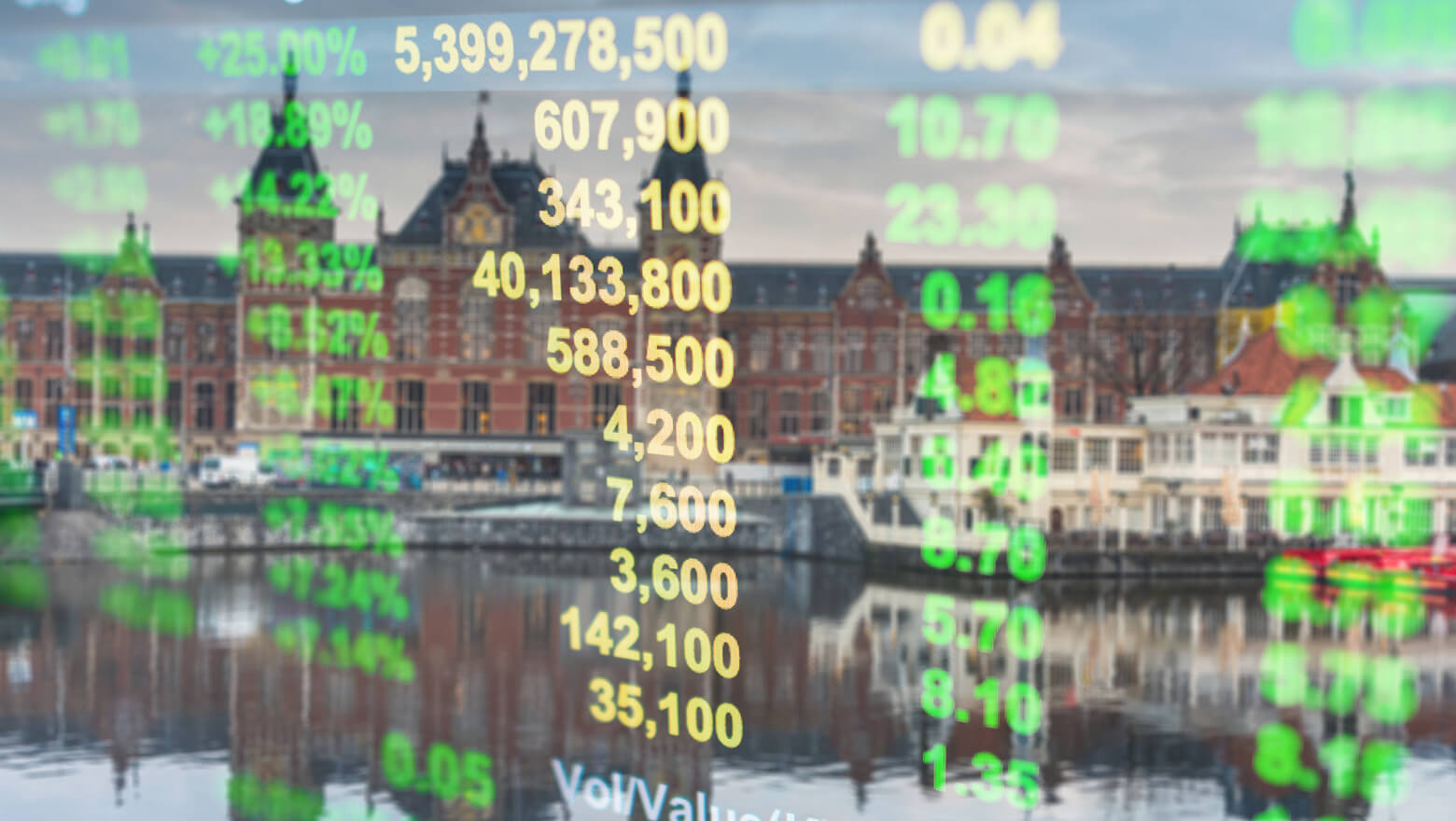
The pivotal moment arrived with the establishment of the Dutch East India Company (Verenigde Oostindische Compagnie or VOC) in 1602. The VOC was not just another trading company; it was the first true multinational corporation and, crucially, the first company to issue publicly tradable stock. To finance its ambitious, risky, and highly profitable voyages to the East Indies, the VOC needed vast sums of capital, far more than any single investor or small group could provide. By issuing shares to thousands of investors – from wealthy merchants to ordinary citizens – the company democratized investment, albeit on a limited scale. These shares represented a portion of ownership in the company’s future profits, not just a single voyage.
What truly distinguished the VOC and gave birth to the stock market was the secondary market for these shares. Initially, investors in the VOC would have to hold their shares until the company dissolved to retrieve their capital and profits. However, the need for liquidity soon became apparent. Investors wanted to buy and sell their shares before the company’s ultimate dissolution, either to realize profits, cut losses, or simply access their capital. This demand led to informal gatherings of traders and brokers in Amsterdam’s streets and coffee houses, and eventually, to the Amsterdam Stock Exchange.
Established around 1602, alongside the VOC, the Amsterdam Stock Exchange became the world’s first formal stock exchange. It provided a centralized, continuous marketplace where VOC shares, and later shares of other companies, could be freely bought and sold between investors. This innovation was revolutionary: it allowed companies to raise enormous amounts of capital from a wide base, and it provided investors with liquidity, enabling them to enter and exit their investments without waiting for the company’s operational cycle to complete. This continuous trading of corporate ownership stakes is the defining characteristic of a modern stock market.
Early Speculation and Bubbles
The emergence of a liquid market for shares naturally led to price fluctuations, driven by news, rumors, company performance, and human psychology. This environment quickly fostered speculation. Investors weren’t just buying shares for long-term dividends; they were also buying with the expectation that the share price would rise, allowing them to sell for a quick profit.
This early period of organized stock trading was not without its excesses. The most famous example of early market irrationality is the Tulip Mania in the Netherlands during the 1630s. While not a stock market bubble in the strict sense (it involved commodity futures rather than corporate shares), it perfectly illustrates the speculative fervor that a liquid market can ignite. Tulip bulb prices soared to exorbitant levels, detached from any intrinsic value, driven purely by speculative buying and the expectation of ever-higher prices. When the bubble burst, thousands were ruined.
The Tulip Mania, alongside later stock market bubbles like the South Sea Bubble in England (1720), served as early cautionary tales, highlighting the potential for both immense wealth creation and devastating losses in speculative markets. These events underscored the importance of understanding market fundamentals, the dangers of herd mentality, and the eventual need for regulation to protect investors and maintain market stability. The Amsterdam Exchange, despite its speculative episodes, undeniably established the template for capital markets worldwide.
The Expansion and Formalization of Stock Exchanges
Following Amsterdam’s pioneering efforts, the concept of organized stock trading gradually spread across Europe and eventually to the Americas, adapting to local economic conditions and regulatory environments. This expansion led to the formalization of exchanges and the establishment of institutions that would become cornerstones of global finance.

London’s Coffee Houses and the Royal Exchange
In England, the evolution of a stock market paralleled the nation’s burgeoning colonial and trading ambitions. Much like Amsterdam, early stock trading in London began informally in the late 17th century. Merchants and brokers would gather in coffee houses, notably Jonathan’s Coffee-House and Garraway’s Coffee-House in Exchange Alley, to trade shares of joint-stock companies. Initially, these were primarily shares of ventures like the East India Company and the Royal African Company, alongside government debt. The trading was highly disorganized, prone to fraud, and lacked transparency.
The need for a more structured environment became evident. While the Royal Exchange building existed since the 16th century for commodity trading, it wasn’t until later that a dedicated space for stockbrokers emerged. The informal gatherings eventually led to the formation of the London Stock Exchange (LSE) in 1773, when a group of brokers formally established a trading floor. This move marked a significant step towards greater organization and regulation, though the LSE’s formal charter would come later. The LSE became the world’s preeminent financial center for much of the 18th and 19th centuries, financing industrial expansion and global trade.
The Buttonwood Agreement and the NYSE
Across the Atlantic, the young United States also began to develop its own financial markets. The initial trading of stocks and bonds in America, primarily government bonds to finance the Revolutionary War and shares of early banks and insurance companies, was also an informal affair. Brokers would meet under a buttonwood tree at 68 Wall Street in New York City.
On May 17, 1792, twenty-four stockbrokers and merchants signed the Buttonwood Agreement. This seminal document established rules for trading securities, agreeing to trade only among themselves and to charge a commission of 0.25% on all transactions. This agreement effectively created a formal, centralized marketplace for securities trading in New York, albeit still a private association. It was a direct response to the need for a more orderly and transparent market, reducing the risks associated with ad-hoc trading.
This agreement was the direct precursor to the New York Stock & Exchange Board, founded in 1817, which later became the New York Stock Exchange (NYSE). The NYSE rapidly grew in prominence, especially with the financing needs of canals, railroads, and industrial expansion during the 19th century. Its establishment cemented New York’s role as a financial hub and provided the institutional framework for the vast capital markets that would fuel America’s economic growth.
Evolution into Modern Financial Powerhouses
From its informal beginnings to formalized exchanges, the stock market continued to evolve, driven by economic necessity, technological innovation, and a growing understanding of its systemic importance. The 20th and 21st centuries have seen unprecedented growth, regulation, and globalization, transforming stock exchanges into the sophisticated, interconnected powerhouses we know today.
Regulation and Investor Protection
The early stock markets, while vital for capital formation, were often rife with manipulation, insider trading, and opaque practices. The speculative bubbles and subsequent crashes, particularly the Wall Street Crash of 1929 and the ensuing Great Depression, highlighted the urgent need for government oversight and investor protection.
In response, major regulatory bodies were established. In the United States, the Securities and Exchange Commission (SEC) was created in 1934 under the Securities Exchange Act. Its mandate was to regulate the securities industry, protect investors, and ensure fair and orderly markets. Similar bodies emerged worldwide, such as the Financial Conduct Authority (FCA) in the UK and financial supervisory authorities in other nations. These regulations aimed to increase transparency, prevent fraud, standardize reporting, and provide recourse for investors, thereby building trust and encouraging broader participation in capital markets. This shift from self-regulation to government oversight was crucial for the long-term stability and integrity of the financial system.
Technological Advancements and Globalization
Perhaps no force has reshaped the stock market more profoundly than technology. For centuries, trading involved physical presence on an exchange floor, with brokers shouting orders and clerks recording transactions. The introduction of the telegraph in the 19th century allowed for faster dissemination of prices and orders, breaking down geographical barriers. The telephone further accelerated this process.
However, the late 20th and early 21st centuries witnessed a revolution. Computers, electronic trading systems, and the internet transformed the market. The rise of NASDAQ, an entirely electronic exchange established in 1971, showcased the potential of automated trading. By the 2000s, most major exchanges had largely transitioned from floor-based open outcry systems to electronic platforms, allowing for instantaneous execution of orders from anywhere in the world. High-frequency trading, algorithmic trading, and dark pools emerged, increasing market efficiency but also introducing new complexities and regulatory challenges.
This technological leap also facilitated the globalization of financial markets. Capital can now flow across borders with unprecedented speed and volume. News from one corner of the world can instantly impact markets thousands of miles away. This interconnectedness has created a global financial ecosystem, where major exchanges in New York, London, Tokyo, Shanghai, and other cities operate almost as a single, continuous market, influencing and being influenced by global economic and geopolitical events.
Democratization of Investing
Historically, stock market investing was largely the domain of the wealthy, large institutions, and professional traders. The costs of trading, limited access to information, and the complexity of the market created significant barriers for individual investors.
However, the combination of regulatory changes and technological advancements has led to a significant democratization of investing. The rise of mutual funds, exchange-traded funds (ETFs), and discount brokerages made it easier and cheaper for individuals to invest. The internet and mobile trading apps have further lowered entry barriers, providing ordinary people with direct access to market information, research tools, and the ability to execute trades with minimal fees. Robo-advisors offer automated, low-cost investment management. This shift has empowered millions of individuals to participate in wealth creation and secure their financial futures, fundamentally altering the landscape of personal finance and investment.

Conclusion
The journey of the stock market, from ancient forms of communal investment to the sophisticated global digital exchanges of today, is a testament to humanity’s enduring need to pool resources, manage risk, and seek prosperity. What began with informal gatherings of merchants trading shares of risky voyages in 17th-century Amsterdam has evolved into a highly regulated, technologically advanced, and globally interconnected system that is indispensable to modern economies.
Understanding “when the stock market began” is more than a historical curiosity; it’s a window into the very foundations of capitalism and wealth creation. It reveals how the basic principles of capital formation, liquidity, price discovery, and risk-sharing have been refined over centuries. From financing colossal trading companies and industrial revolutions to enabling everyday individuals to invest in their future, the stock market remains a dynamic force. Its continuous evolution, driven by innovation and adaptation, underscores its vital role in channeling capital, fostering economic growth, and shaping the financial landscape of the 21st century and beyond. As it continues to adapt to new technologies and global challenges, the core tenets established centuries ago remain remarkably relevant, reminding us that even the most complex financial systems have surprisingly humble origins rooted in the simple human desire to invest in the future.
aViewFromTheCave is a participant in the Amazon Services LLC Associates Program, an affiliate advertising program designed to provide a means for sites to earn advertising fees by advertising and linking to Amazon.com. Amazon, the Amazon logo, AmazonSupply, and the AmazonSupply logo are trademarks of Amazon.com, Inc. or its affiliates. As an Amazon Associate we earn affiliate commissions from qualifying purchases.